Product References
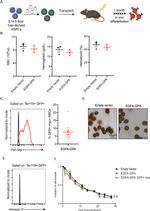
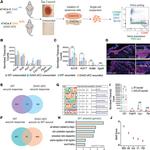
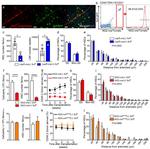
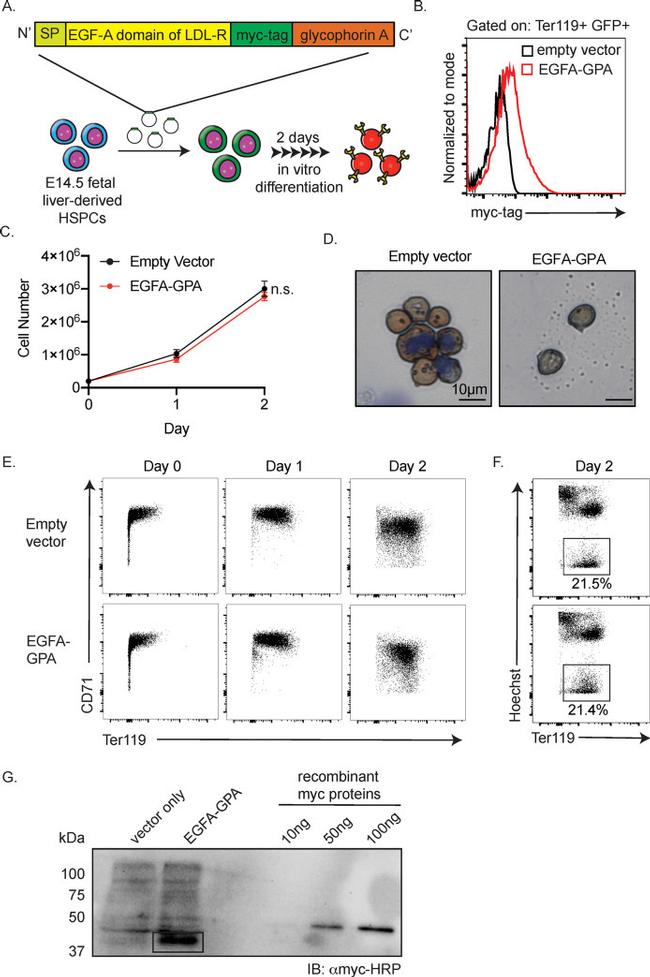
Engineered red blood cells carrying PCSK9 inhibitors persistently lower LDL and prevent obesity.
PloS one
Deshycka R,Sudaryo V,Huang NJ,Xie Y,Smeding LY,Choi MK,Ploegh HL,Lodish HF,Pishesha N
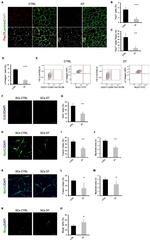
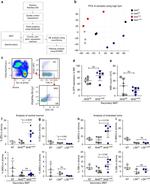
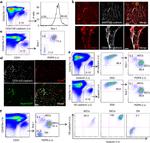
Published figure using TER-119 monoclonal antibody (Product # 35-5921-82) in Flow Cytometry
Fri Dec 24 00:00:00 EST 2021
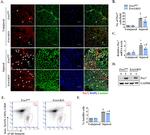
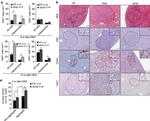
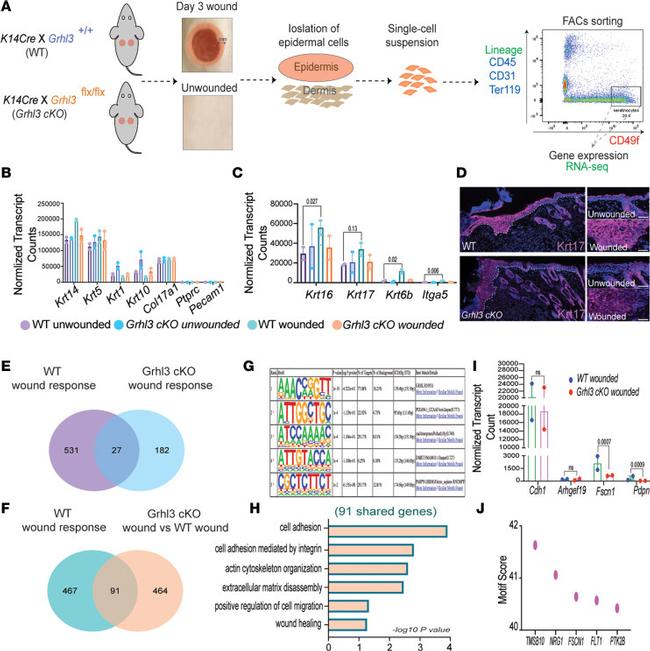
GRHL3 activates FSCN1 to relax cell-cell adhesions between migrating keratinocytes during wound reepithelialization.
JCI insight
Kashgari G,Venkatesh S,Refuerzo S,Pham B,Bayat A,Klein RH,Ramos R,Ta AP,Plikus MV,Wang PH,Andersen B
Published figure using TER-119 monoclonal antibody (Product # 35-5921-82) in Flow Cytometry
Wed Sep 08 00:00:00 EDT 2021
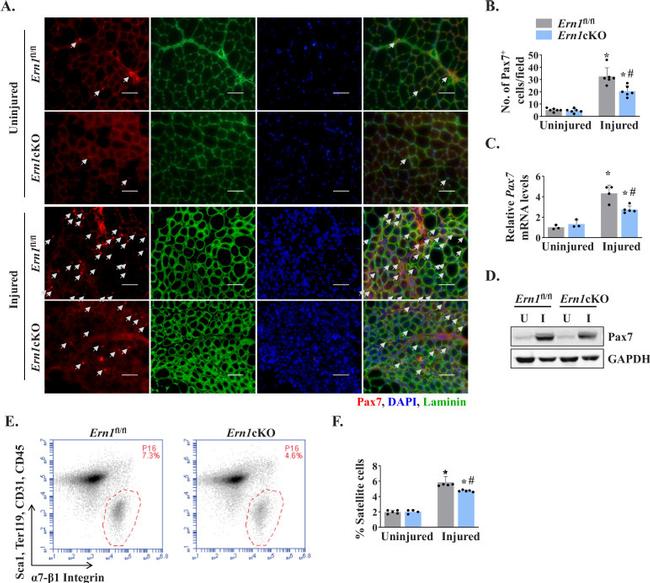
The IRE1/XBP1 signaling axis promotes skeletal muscle regeneration through a cell non-autonomous mechanism.
eLife
Roy A,Tomaz da Silva M,Bhat R,Bohnert KR,Iwawaki T,Kumar A
Published figure using TER-119 monoclonal antibody (Product # 35-5921-82) in Flow Cytometry
Tue Nov 23 00:00:00 EST 2021
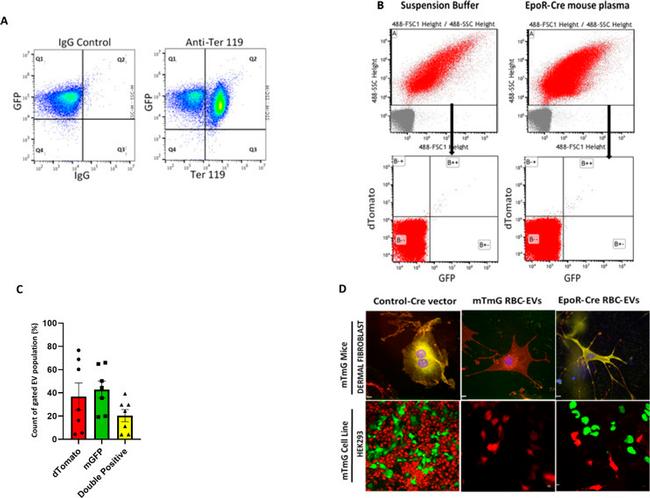
SnRNA sequencing defines signaling by RBC-derived extracellular vesicles in the murine heart.
Life science alliance
Valkov N,Das A,Tucker NR,Li G,Salvador AM,Chaffin MD,Pereira De Oliveira Junior G,Kur I,Gokulnath P,Ziegler O,Yeri A,Lu S,Khamesra A,Xiao C,Rodosthenous R,Srinivasan S,Toxavidis V,Tigges J,Laurent LC,Momma S,Kitchen R,Ellinor P,Ghiran I,Das S
Published figure using TER-119 monoclonal antibody (Product # 35-5921-82) in Flow Cytometry
Wed Dec 01 00:00:00 EST 2021
Hypoxia-sensing CAR T cells provide safety and efficacy in treating solid tumors.
Cell reports. Medicine
Kosti P,Opzoomer JW,Larios-Martinez KI,Henley-Smith R,Scudamore CL,Okesola M,Taher MYM,Davies DM,Muliaditan T,Larcombe-Young D,Woodman N,Gillett CE,Thavaraj S,Maher J,Arnold JN
Published figure using TER-119 monoclonal antibody (Product # 35-5921-82) in Flow Cytometry
Tue Apr 20 00:00:00 EDT 2021
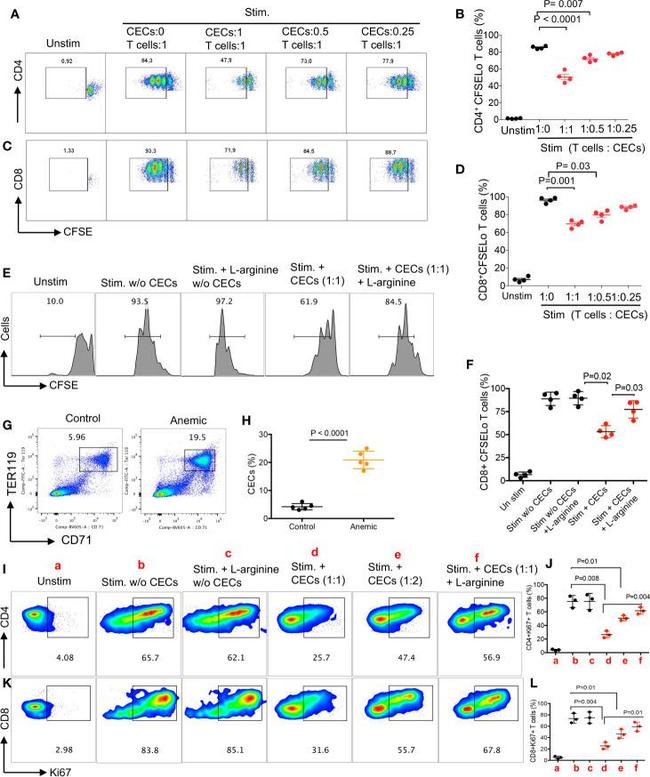
Sex Matters: Physiological Abundance of Immuno-Regulatory CD71+ Erythroid Cells Impair Immunity in Females.
Frontiers in immunology
Mashhouri S,Koleva P,Huynh M,Okoye I,Shahbaz S,Elahi S
Published figure using TER-119 monoclonal antibody (Product # 35-5921-82) in Flow Cytometry
Mon Dec 20 00:00:00 EST 2021
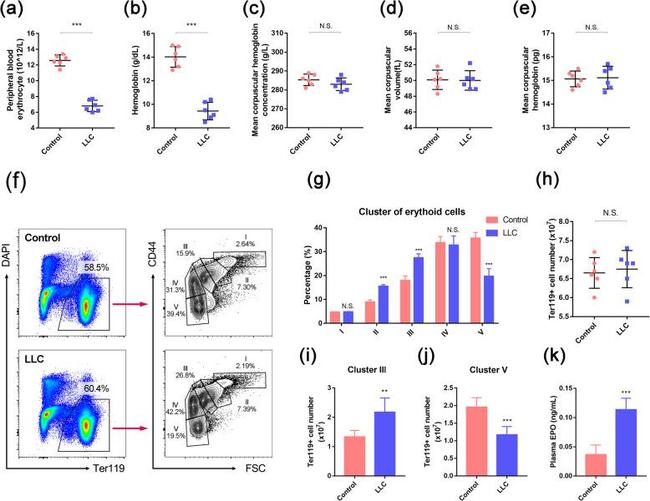
Inhibition of TGFβ improves hematopoietic stem cell niche and ameliorates cancer-related anemia.
Stem cell research & therapy
Wang B,Wang Y,Chen H,Yao S,Lai X,Qiu Y,Cai J,Huang Y,Wei X,Guan Y,Wang T,Wang J,Xiang AP
Published figure using TER-119 monoclonal antibody (Product # 35-5921-82) in Flow Cytometry
Mon Jan 18 00:00:00 EST 2021
Lef1 restricts ectopic crypt formation and tumor cell growth in intestinal adenomas.
Science advances
Heino S,Fang S,Lähde M,Högström J,Nassiri S,Campbell A,Flanagan D,Raven A,Hodder M,Nasreddin N,Xue HH,Delorenzi M,Leedham S,Petrova TV,Sansom O,Alitalo K
Published figure using TER-119 monoclonal antibody (Product # 35-5921-82) in Flow Cytometry
Fri Nov 19 00:00:00 EST 2021
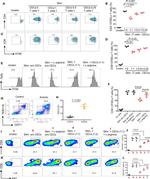
Microbiota triggers STING-type I IFN-dependent monocyte reprogramming of the tumor microenvironment.
Cell
Lam KC,Araya RE,Huang A,Chen Q,Di Modica M,Rodrigues RR,Lopès A,Johnson SB,Schwarz B,Bohrnsen E,Cogdill AP,Bosio CM,Wargo JA,Lee MP,Goldszmid RS
35-5921-82 was used in Flow cytometry/Cell sorting to uncover a mechanistic link between the microbiota and the innate TME that can be harnessed to improve cancer therapies.
Thu Oct 14 00:00:00 EDT 2021
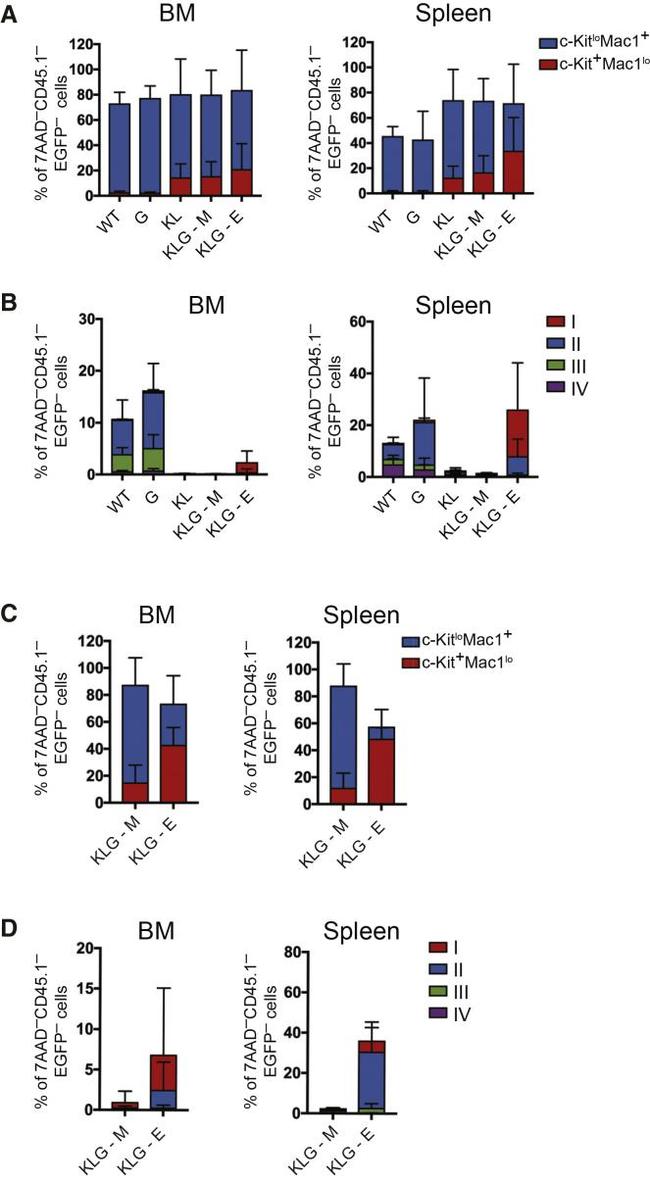
C/EBPα and GATA-2 Mutations Induce Bilineage Acute Erythroid Leukemia through Transformation of a Neomorphic Neutrophil-Erythroid Progenitor.
Cancer cell
Di Genua C,Valletta S,Buono M,Stoilova B,Sweeney C,Rodriguez-Meira A,Grover A,Drissen R,Meng Y,Beveridge R,Aboukhalil Z,Karamitros D,Belderbos ME,Bystrykh L,Thongjuea S,Vyas P,Nerlov C
Published figure using TER-119 monoclonal antibody (Product # 35-5921-82) in Flow Cytometry
Mon May 11 00:00:00 EDT 2020
Deregulated Notch and Wnt signaling activates early-stage myeloid regeneration pathways in leukemia.
The Journal of experimental medicine
Kang YA,Pietras EM,Passegué E
Published figure using TER-119 monoclonal antibody (Product # 35-5921-82) in Flow Cytometry
Mon Mar 02 00:00:00 EST 2020
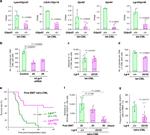
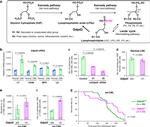
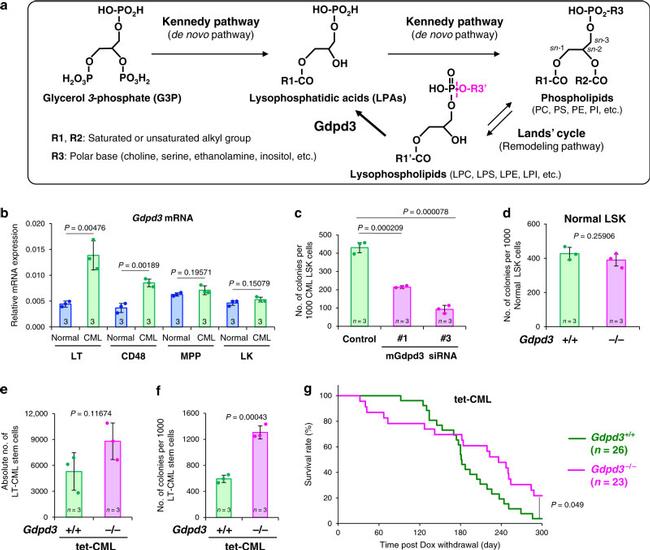
The lysophospholipase D enzyme Gdpd3 is required to maintain chronic myelogenous leukaemia stem cells.
Nature communications
Naka K,Ochiai R,Matsubara E,Kondo C,Yang KM,Hoshii T,Araki M,Araki K,Sotomaru Y,Sasaki K,Mitani K,Kim DW,Ooshima A,Kim SJ
Published figure using TER-119 monoclonal antibody (Product # 35-5921-82) in Flow Cytometry
Thu Sep 17 00:00:00 EDT 2020
Methylation of a CGATA element inhibits binding and regulation by GATA-1.
Nature communications
Yang L,Chen Z,Stout ES,Delerue F,Ittner LM,Wilkins MR,Quinlan KGR,Crossley M
Published figure using TER-119 monoclonal antibody (Product # 35-5921-82) in Flow Cytometry
Fri May 22 00:00:00 EDT 2020
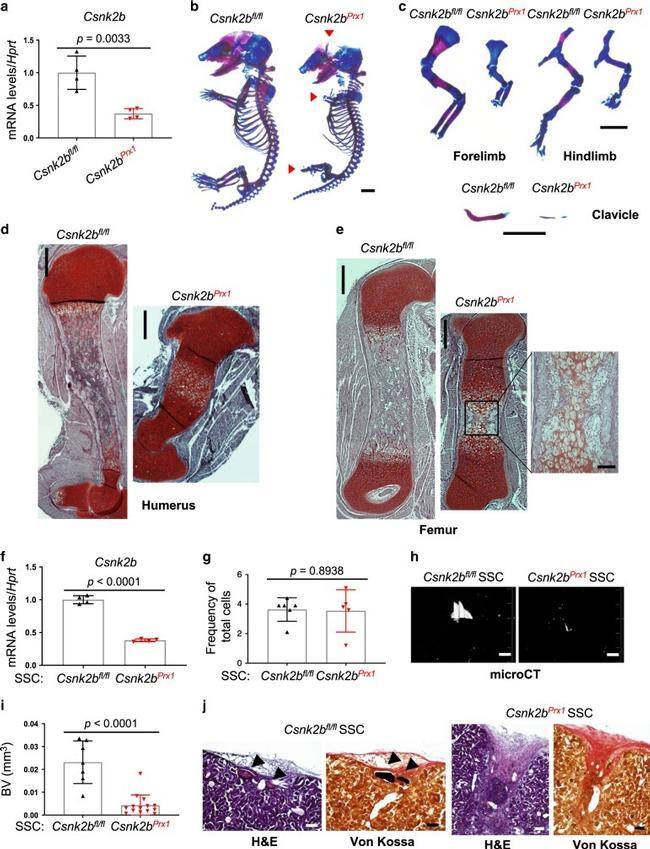
A RUNX2 stabilization pathway mediates physiologic and pathologic bone formation.
Nature communications
Kim JM,Yang YS,Park KH,Ge X,Xu R,Li N,Song M,Chun H,Bok S,Charles JF,Filhol-Cochet O,Boldyreff B,Dinter T,Yu PB,Kon N,Gu W,Takarada T,Greenblatt MB,Shim JH
Published figure using TER-119 monoclonal antibody (Product # 35-5921-82) in Flow Cytometry
Fri May 08 00:00:00 EDT 2020
Harnessing Hematopoietic Stem Cell Low Intracellular Calcium Improves Their Maintenance In Vitro.
Cell stem cell
Luchsinger LL,Strikoudis A,Danzl NM,Bush EC,Finlayson MO,Satwani P,Sykes M,Yazawa M,Snoeck HW
35-5921 was used in Flow cytometry/Cell sorting to reveal a physiological feature of HSCs that can be harnessed to improve their maintenance in vitro.
Thu Aug 01 00:00:00 EDT 2019
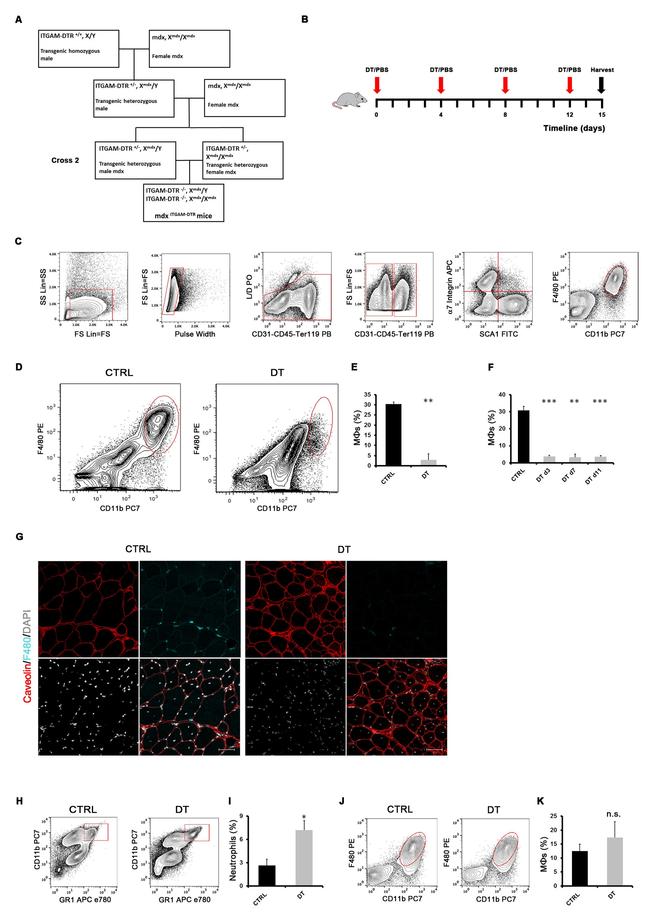
Macrophages fine tune satellite cell fate in dystrophic skeletal muscle of mdx mice.
PLoS genetics
Madaro L,Torcinaro A,De Bardi M,Contino FF,Pelizzola M,Diaferia GR,Imeneo G,Bouchè M,Puri PL,De Santa F
Published figure using TER-119 monoclonal antibody (Product # 35-5921-82) in Flow Cytometry
Tue Oct 01 00:00:00 EDT 2019
MyD88 is required for satellite cell-mediated myofiber regeneration in dystrophin-deficient mdx mice.
Human molecular genetics
Gallot YS,Straughn AR,Bohnert KR,Xiong G,Hindi SM,Kumar A
Published figure using TER-119 monoclonal antibody (Product # 35-5921-82) in Flow Cytometry
Mon Oct 01 00:00:00 EDT 2018
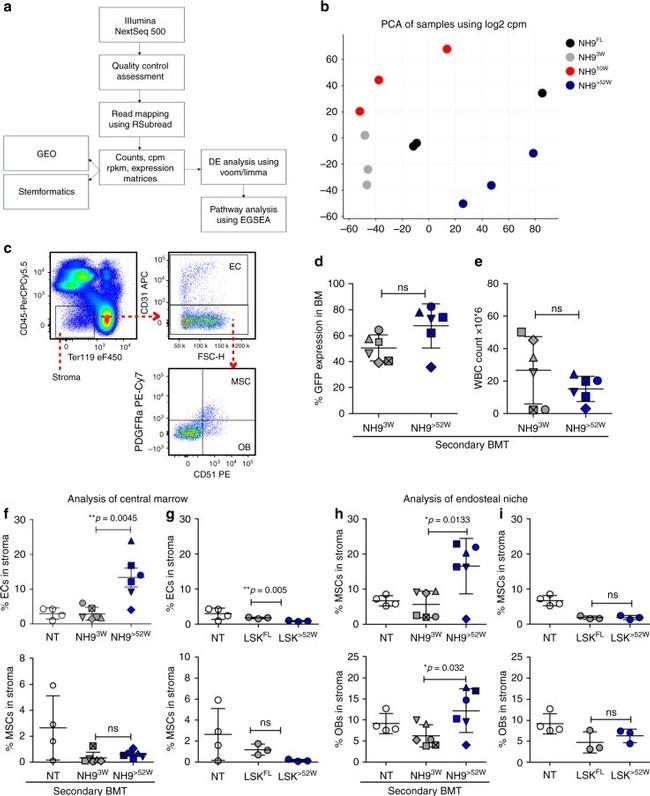
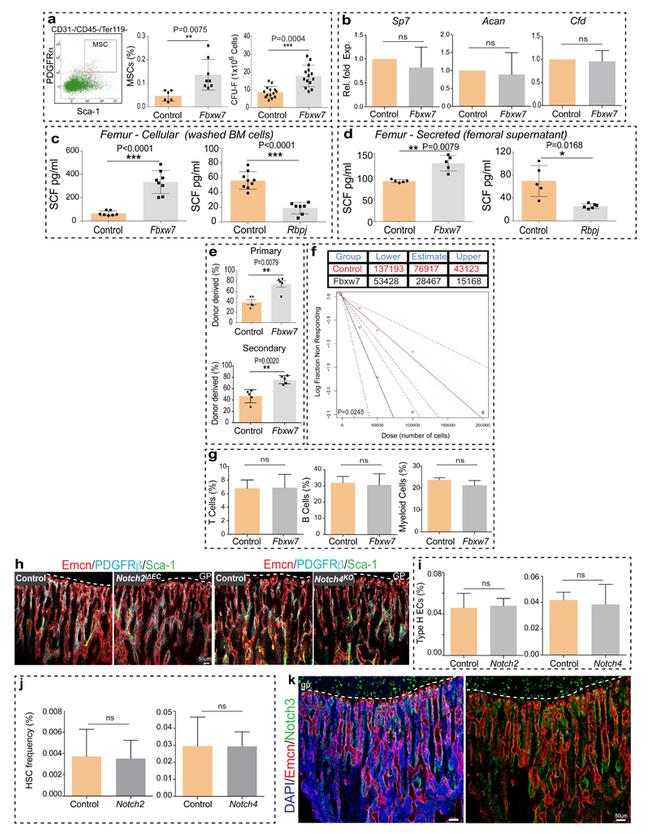
Stem cell factor is selectively secreted by arterial endothelial cells in bone marrow.
Nature communications
Xu C,Gao X,Wei Q,Nakahara F,Zimmerman SE,Mar J,Frenette PS
Published figure using TER-119 monoclonal antibody (Product # 35-5921-82) in Flow Cytometry
Fri Jun 22 00:00:00 EDT 2018
Age-specific biological and molecular profiling distinguishes paediatric from adult acute myeloid leukaemias.
Nature communications
Chaudhury S,O'Connor C,Cañete A,Bittencourt-Silvestre J,Sarrou E,Prendergast Á,Choi J,Johnston P,Wells CA,Gibson B,Keeshan K
Published figure using TER-119 monoclonal antibody (Product # 35-5921-82) in Flow Cytometry
Tue Dec 11 00:00:00 EST 2018
Differential cytokine contributions of perivascular haematopoietic stem cell niches.
Nature cell biology
Asada N,Kunisaki Y,Pierce H,Wang Z,Fernandez NF,Birbrair A,Ma'ayan A,Frenette PS
Published figure using TER-119 monoclonal antibody (Product # 35-5921-82) in Flow Cytometry
Wed Mar 01 00:00:00 EST 2017
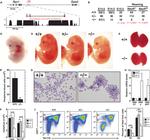
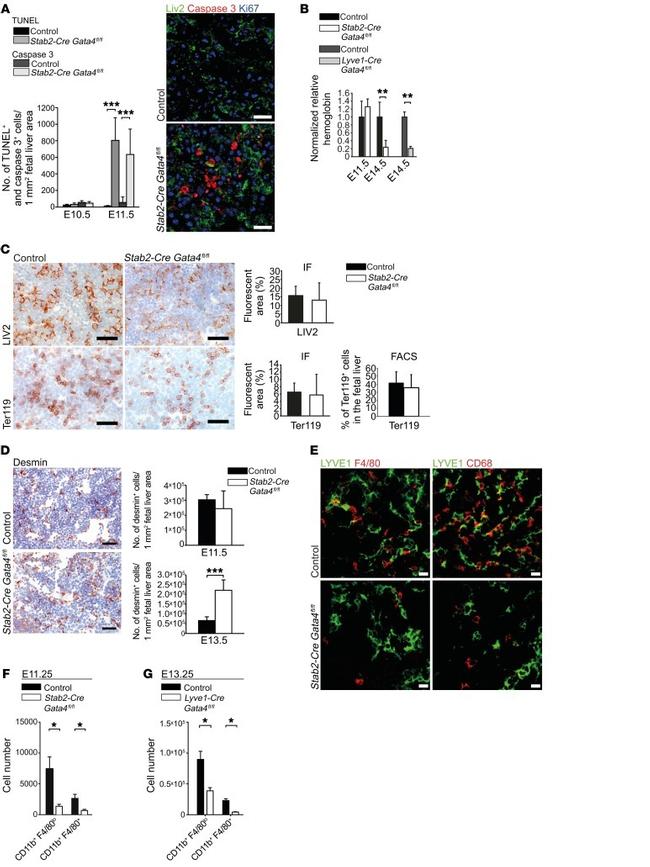
GATA4-dependent organ-specific endothelial differentiation controls liver development and embryonic hematopoiesis.
The Journal of clinical investigation
Géraud C,Koch PS,Zierow J,Klapproth K,Busch K,Olsavszky V,Leibing T,Demory A,Ulbrich F,Diett M,Singh S,Sticht C,Breitkopf-Heinlein K,Richter K,Karppinen SM,Pihlajaniemi T,Arnold B,Rodewald HR,Augustin HG,Schledzewski K,Goerdt S
Published figure using TER-119 monoclonal antibody (Product # 35-5921-82) in Flow Cytometry
Wed Mar 01 00:00:00 EST 2017
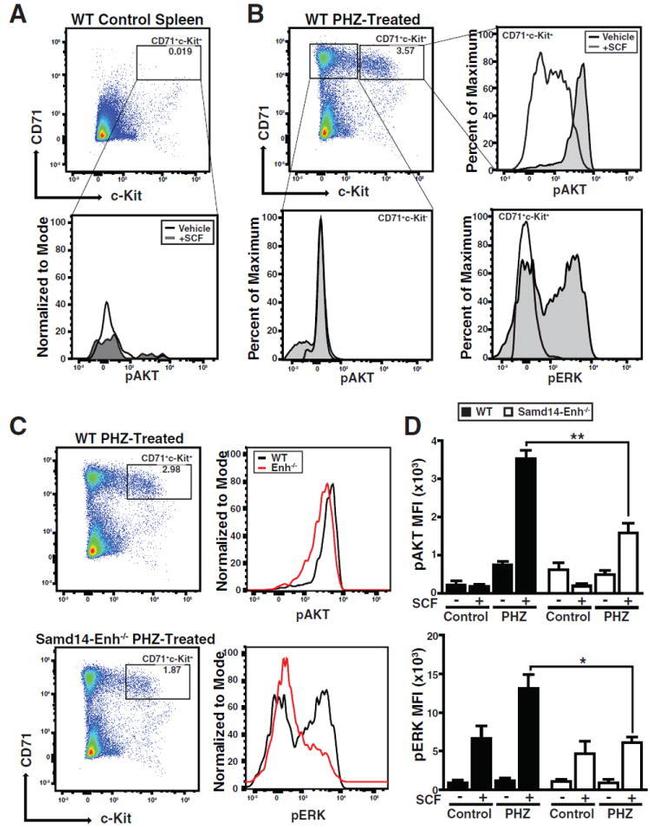
GATA Factor-Regulated Samd14 Enhancer Confers Red Blood Cell Regeneration and Survival in Severe Anemia.
Developmental cell
Hewitt KJ,Katsumura KR,Matson DR,Devadas P,Tanimura N,Hebert AS,Coon JJ,Kim JS,Dewey CN,Keles S,Hao S,Paulson RF,Bresnick EH
Published figure using TER-119 monoclonal antibody (Product # 35-5921-82) in Flow Cytometry
Mon Aug 07 00:00:00 EDT 2017
Engineered erythrocytes covalently linked to antigenic peptides can protect against autoimmune disease.
Proceedings of the National Academy of Sciences of the United States of America
Pishesha N,Bilate AM,Wibowo MC,Huang NJ,Li Z,Deshycka R,Bousbaine D,Li H,Patterson HC,Dougan SK,Maruyama T,Lodish HF,Ploegh HL
Published figure using TER-119 monoclonal antibody (Product # 35-5921-82) in Flow Cytometry
Tue Mar 21 00:00:00 EDT 2017
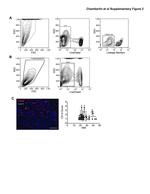
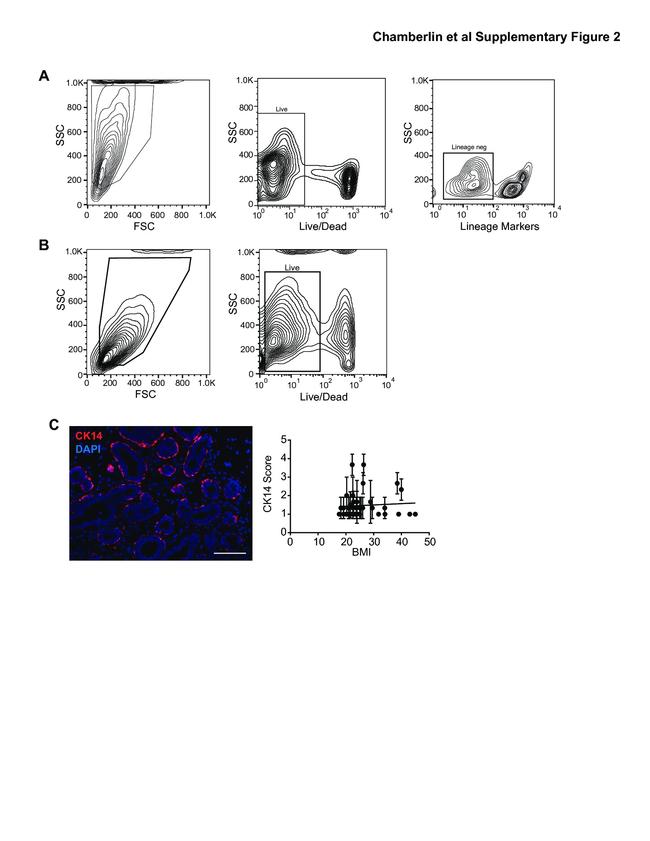
Obesity reversibly depletes the basal cell population and enhances mammary epithelial cell estrogen receptor alpha expression and progenitor activity.
Breast cancer research : BCR
Chamberlin T,D'Amato JV,Arendt LM
Published figure using TER-119 monoclonal antibody (Product # 35-5921-82) in Flow Cytometry
Wed Nov 29 00:00:00 EST 2017
Single-cell tracking of flavivirus RNA uncovers species-specific interactions with the immune system dictating disease outcome.
Nature communications
Douam F,Hrebikova G,Albrecht YE,Sellau J,Sharon Y,Ding Q,Ploss A
35-5921 was used in Flow cytometry/Cell sorting to demonstrate the tracking of and sense viral RNA at single-cell resolution within complex subsets of the human and murine immune system in different mouse models.
Tue Mar 14 00:00:00 EDT 2017
Understanding Hematopoietic Stem Cell Development through Functional Correlation of Their Proliferative Status with the Intra-aortic Cluster Architecture.
Stem cell reports
Batsivari A,Rybtsov S,Souilhol C,Binagui-Casas A,Hills D,Zhao S,Travers P,Medvinsky A
35-5921 was used in Flow cytometry/Cell sorting to observe time-specific changes in intra-aortic hematopoietic clusters corresponding to HSC maturation stages.
Tue Jun 06 00:00:00 EDT 2017
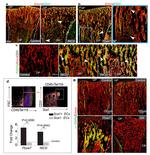
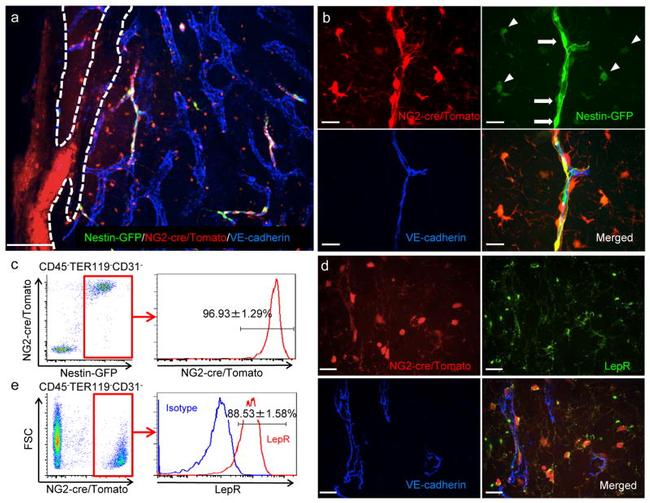
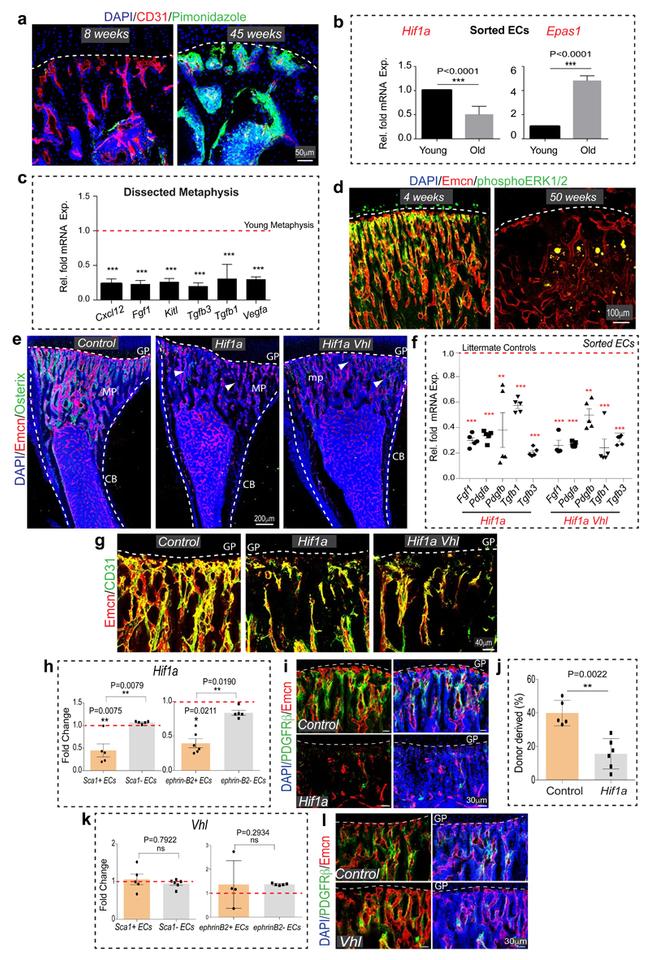
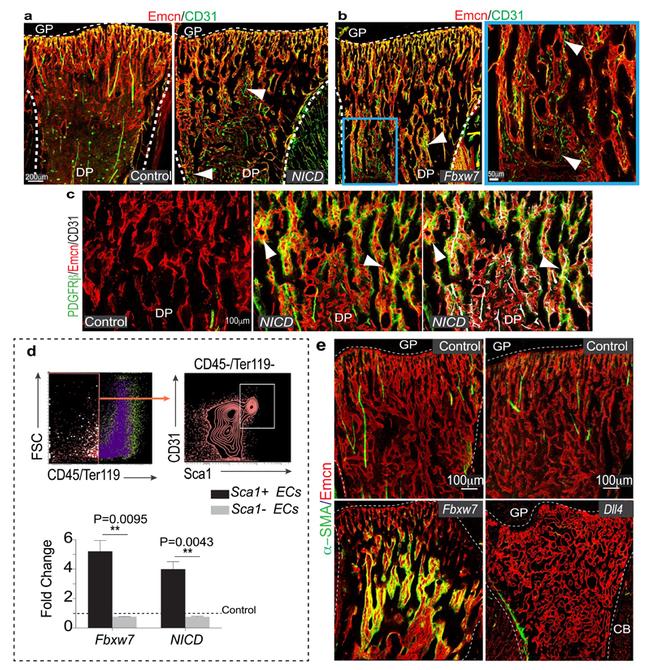
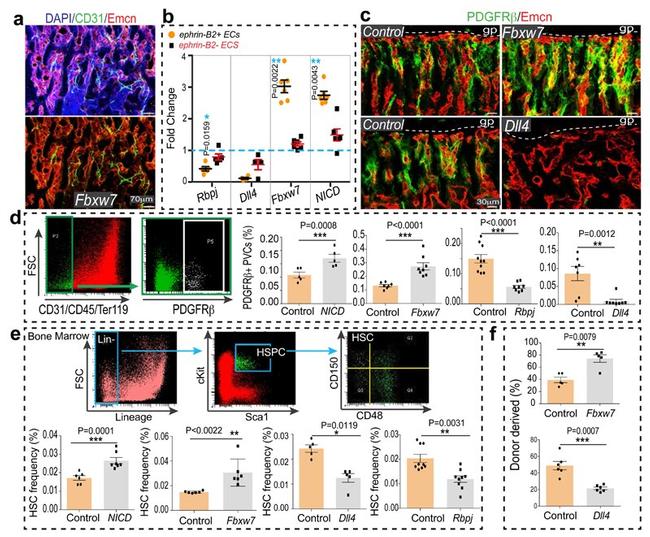
Age-dependent modulation of vascular niches for haematopoietic stem cells.
Nature
Kusumbe AP,Ramasamy SK,Itkin T,Mäe MA,Langen UH,Betsholtz C,Lapidot T,Adams RH
Published figure using TER-119 monoclonal antibody (Product # 35-5921-82) in Flow Cytometry
Thu Apr 21 00:00:00 EDT 2016
A cell-autonomous tumour suppressor role of RAF1 in hepatocarcinogenesis.
Nature communications
Jeric I,Maurer G,Cavallo AL,Raguz J,Desideri E,Tarkowski B,Parrini M,Fischer I,Zatloukal K,Baccarini M
Published figure using TER-119 monoclonal antibody (Product # 35-5921-82) in Flow Cytometry
Wed Dec 21 00:00:00 EST 2016
Inductive interactions mediated by interplay of asymmetric signalling underlie development of adult haematopoietic stem cells.
Nature communications
Souilhol C,Gonneau C,Lendinez JG,Batsivari A,Rybtsov S,Wilson H,Morgado-Palacin L,Hills D,Taoudi S,Antonchuk J,Zhao S,Medvinsky A
35-5921 was used in Flow cytometry/Cell sorting to study how several signalling pathways interact to regulate the emergence of haematopoietic stem cells in the aorta.
Tue Mar 08 00:00:00 EST 2016
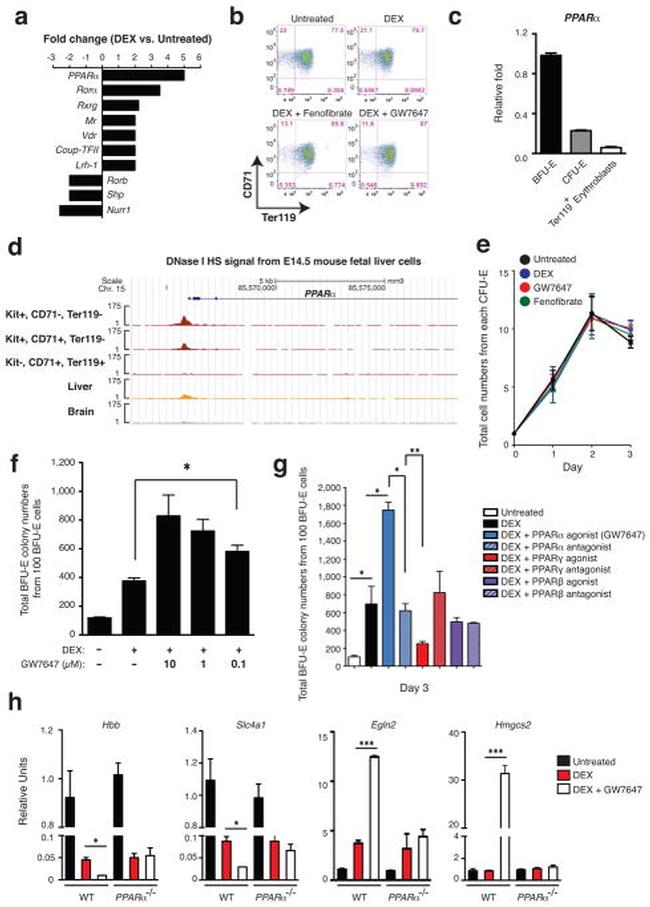
PPAR-α and glucocorticoid receptor synergize to promote erythroid progenitor self-renewal.
Nature
Lee HY,Gao X,Barrasa MI,Li H,Elmes RR,Peters LL,Lodish HF
Published figure using TER-119 monoclonal antibody (Product # 35-5921-82) in Flow Cytometry
Thu Jun 25 00:00:00 EDT 2015
Cis-regulatory mechanisms governing stem and progenitor cell transitions.
Science advances
Johnson KD,Kong G,Gao X,Chang YI,Hewitt KJ,Sanalkumar R,Prathibha R,Ranheim EA,Dewey CN,Zhang J,Bresnick EH
Published figure using TER-119 monoclonal antibody (Product # 35-5921-82) in Flow Cytometry
Tue Sep 01 00:00:00 EDT 2015
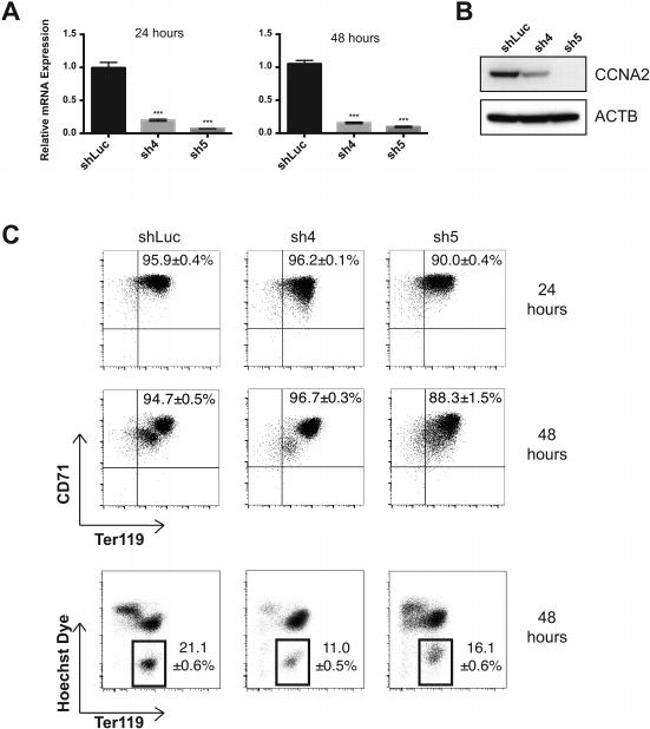
Genome-wide association study follow-up identifies cyclin A2 as a regulator of the transition through cytokinesis during terminal erythropoiesis.
American journal of hematology
Ludwig LS,Cho H,Wakabayashi A,Eng JC,Ulirsch JC,Fleming MD,Lodish HF,Sankaran VG
Published figure using TER-119 monoclonal antibody (Product # 35-5921-82) in Flow Cytometry
Fri May 01 00:00:00 EDT 2015
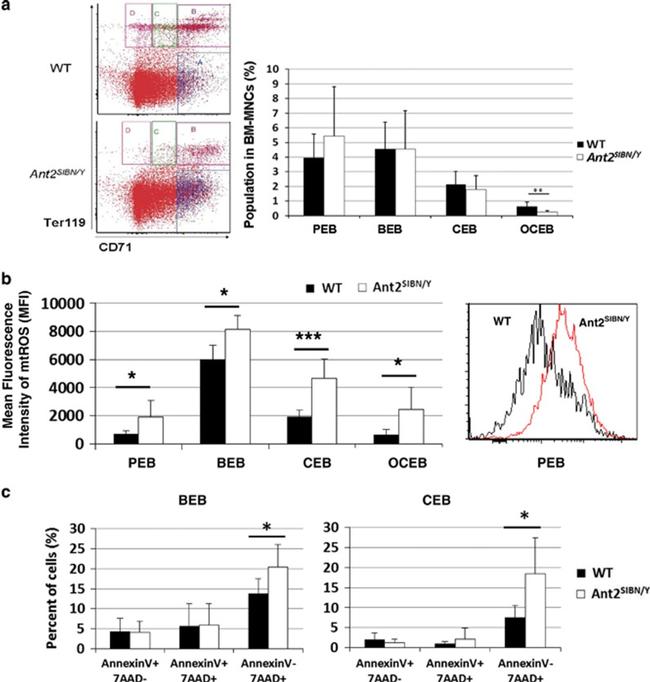
Mitochondrial ATP transporter Ant2 depletion impairs erythropoiesis and B lymphopoiesis.
Cell death and differentiation
Cho J,Seo J,Lim CH,Yang L,Shiratsuchi T,Lee MH,Chowdhury RR,Kasahara H,Kim JS,Oh SP,Lee YJ,Terada N
Published figure using TER-119 monoclonal antibody (Product # 35-5921-82) in Flow Cytometry
Tue Sep 01 00:00:00 EDT 2015
Heme-mediated SPI-C induction promotes monocyte differentiation into iron-recycling macrophages.
Cell
Haldar M,Kohyama M,So AY,Kc W,Wu X,Briseño CG,Satpathy AT,Kretzer NM,Arase H,Rajasekaran NS,Wang L,Egawa T,Igarashi K,Baltimore D,Murphy TL,Murphy KM
Published figure using TER-119 monoclonal antibody (Product # 35-5921-82) in Flow Cytometry
Thu Mar 13 00:00:00 EDT 2014
Transcriptional programs of lymphoid tissue capillary and high endothelium reveal control mechanisms for lymphocyte homing.
Nature immunology
Lee M,Kiefel H,LaJevic MD,Macauley MS,Kawashima H,O'Hara E,Pan J,Paulson JC,Butcher EC
35-5921 was used in Flow cytometry/Cell sorting to investigate the molecular signatures that distinguish HEVs from capillary endothelium, revealing control mechanisms for lymphocyte homing.
Wed Oct 01 00:00:00 EDT 2014
Biliary repair and carcinogenesis are mediated by IL-33-dependent cholangiocyte proliferation.
The Journal of clinical investigation
Li J,Razumilava N,Gores GJ,Walters S,Mizuochi T,Mourya R,Bessho K,Wang YH,Glaser SS,Shivakumar P,Bezerra JA
35-5921 was used in Flow cytometry/Cell sorting to demonstrate the role of the Th2-promoting cytokine, IL-33, in cholangiocyte proliferation.
Tue Jul 01 00:00:00 EDT 2014
Co-targeting of convergent nucleotide biosynthetic pathways for leukemia eradication.
The Journal of experimental medicine
Nathanson DA,Armijo AL,Tom M,Li Z,Dimitrova E,Austin WR,Nomme J,Campbell DO,Ta L,Le TM,Lee JT,Darvish R,Gordin A,Wei L,Liao HI,Wilks M,Martin C,Sadeghi S,Murphy JM,Boulos N,Phelps ME,Faull KF,Herschman HR,Jung ME,Czernin J,Lavie A,Radu CG
35-5921 was used in Flow cytometry/Cell sorting to identify dCTP biosynthesis as a potential new therapeutic target for metabolic interventions in haematological malignancies.
Mon Mar 10 00:00:00 EDT 2014
Co-targeting of convergent nucleotide biosynthetic pathways for leukemia eradication.
The Journal of experimental medicine
Nathanson DA,Armijo AL,Tom M,Li Z,Dimitrova E,Austin WR,Nomme J,Campbell DO,Ta L,Le TM,Lee JT,Darvish R,Gordin A,Wei L,Liao HI,Wilks M,Martin C,Sadeghi S,Murphy JM,Boulos N,Phelps ME,Faull KF,Herschman HR,Jung ME,Czernin J,Lavie A,Radu CG
35-5921 was used in Flow cytometry/Cell sorting to identify dCTP biosynthesis as a potential new therapeutic target for metabolic interventions in haematological malignancies.
Mon Mar 10 00:00:00 EDT 2014
Ectopic Runx1 expression rescues Tal-1-deficiency in the generation of primitive and definitive hematopoiesis.
PloS one
Tornack J,Seiler K,Grützkau A,Grün JR,Onodera M,Melchers F,Tsuneto M
35-5921 was used in Flow cytometry/Cell sorting to suggest that Tal-1 expression is needed to express Runx1 in the mesoderm.
Thu Aug 21 00:00:00 EDT 2014
G-CSF/anti-G-CSF antibody complexes drive the potent recovery and expansion of CD11b+Gr-1+ myeloid cells without compromising CD8+ T cell immune responses.
Journal of hematology & oncology
Rubinstein MP,Salem ML,Doedens AL,Moore CJ,Chiuzan C,Rivell GL,Cole DJ,Goldrath AW
35-5921 was used in Flow cytometry/Cell sorting to evaluate whether the biological activity of G-CSF can be improved by pre-association with anti-G-CSF monoclonal antibodies prior to injection.
Tue Oct 01 00:00:00 EDT 2013
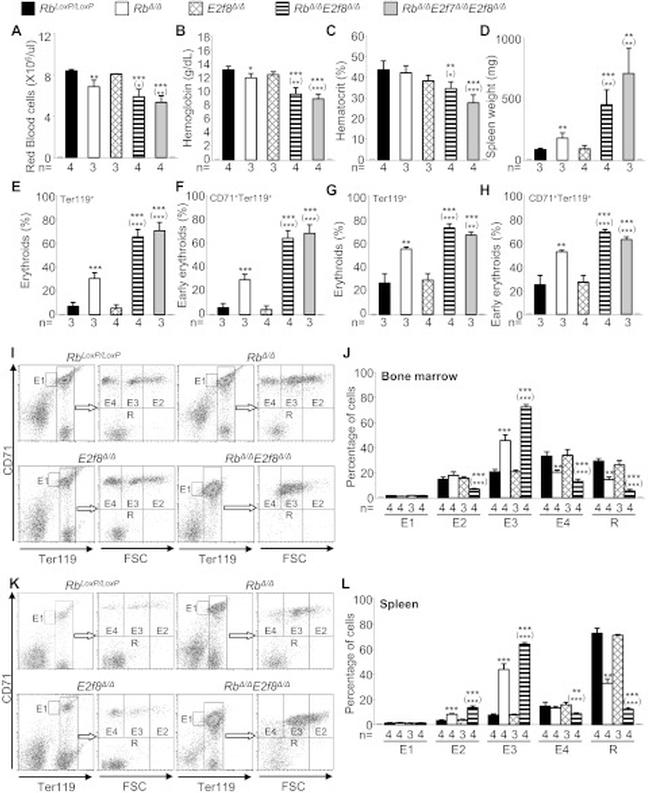
Concomitant inactivation of Rb and E2f8 in hematopoietic stem cells synergizes to induce severe anemia.
Blood
Hu T,Ghazaryan S,Sy C,Wiedmeyer C,Chang V,Wu L
Published figure using TER-119 monoclonal antibody (Product # 35-5921-82) in Flow Cytometry
Thu May 10 00:00:00 EDT 2012
CLEC-2 and Syk in the megakaryocytic/platelet lineage are essential for development.
Blood
Finney BA,Schweighoffer E,Navarro-Núñez L,Bénézech C,Barone F,Hughes CE,Langan SA,Lowe KL,Pollitt AY,Mourao-Sa D,Sheardown S,Nash GB,Smithers N,Reis e Sousa C,Tybulewicz VL,Watson SP
35-5921 was used in Flow cytometry/Cell sorting to study the relationship between the C-type lectin receptor, CLEC-2, and the tyrosine kinase Syk on multiple developmental processes in mice.
Thu Feb 16 00:00:00 EST 2012
Nucleoside salvage pathway kinases regulate hematopoiesis by linking nucleotide metabolism with replication stress.
The Journal of experimental medicine
Austin WR,Armijo AL,Campbell DO,Singh AS,Hsieh T,Nathanson D,Herschman HR,Phelps ME,Witte ON,Czernin J,Radu CG
35-5921 was used in Flow cytometry/Cell sorting to investigate a functional link between nucleotide deficiency, replication stress, and two enzymes of the nucleoside salvage pathway: deoxycytidine kinase and thymidine kinase.
Mon Nov 19 00:00:00 EST 2012
Expression and role of FLT3 in regulation of the earliest stage of normal granulocyte-monocyte progenitor development.
Blood
Böiers C,Buza-Vidas N,Jensen CT,Pronk CJ,Kharazi S,Wittmann L,Sitnicka E,Hultquist A,Jacobsen SE
35-5921 was used in Flow cytometry/Cell sorting to investigate the role of FLT3 in early granulocyte-monocyte progenitors (GMPs), showing that most GMPs are derived from FLT3-expressing progenitors.
Thu Jun 17 00:00:00 EDT 2010
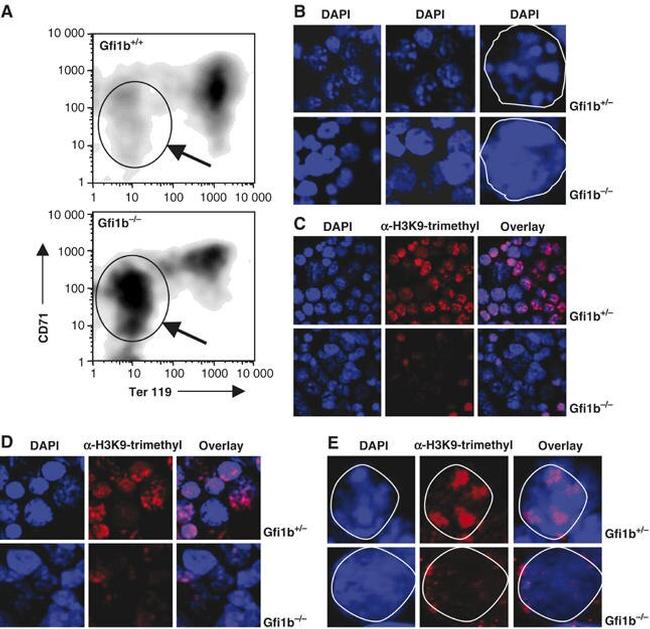
Gfi1b alters histone methylation at target gene promoters and sites of gamma-satellite containing heterochromatin.
The EMBO journal
Vassen L,Fiolka K,Möröy T
Published figure using TER-119 monoclonal antibody (Product # 35-5921-82) in Flow Cytometry
Wed Jun 07 00:00:00 EDT 2006