Search Thermo Fisher Scientific
Disclaimer

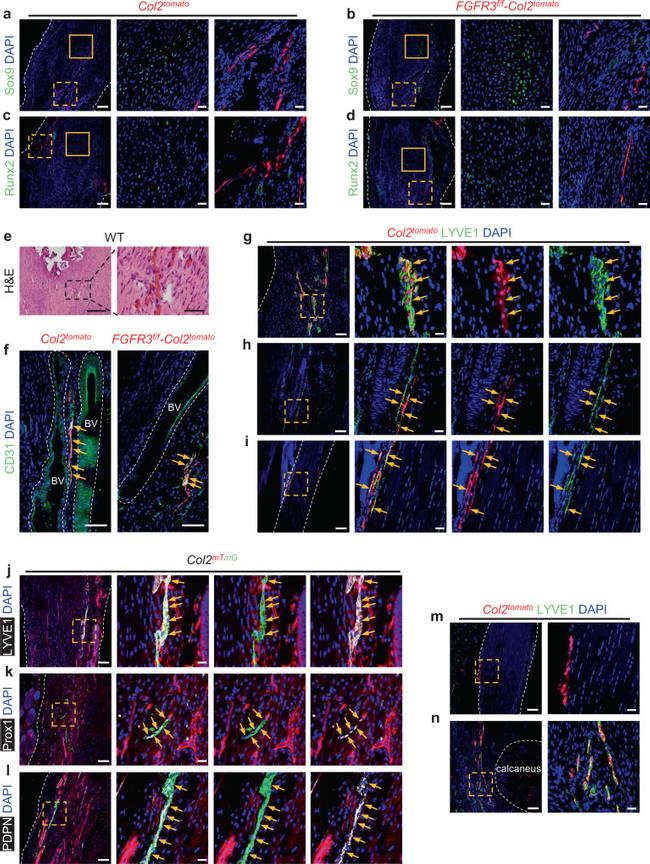
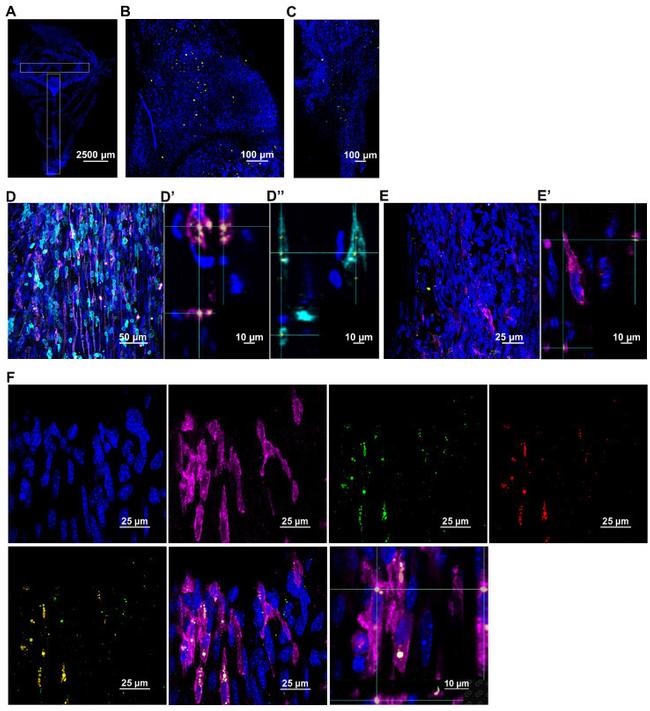
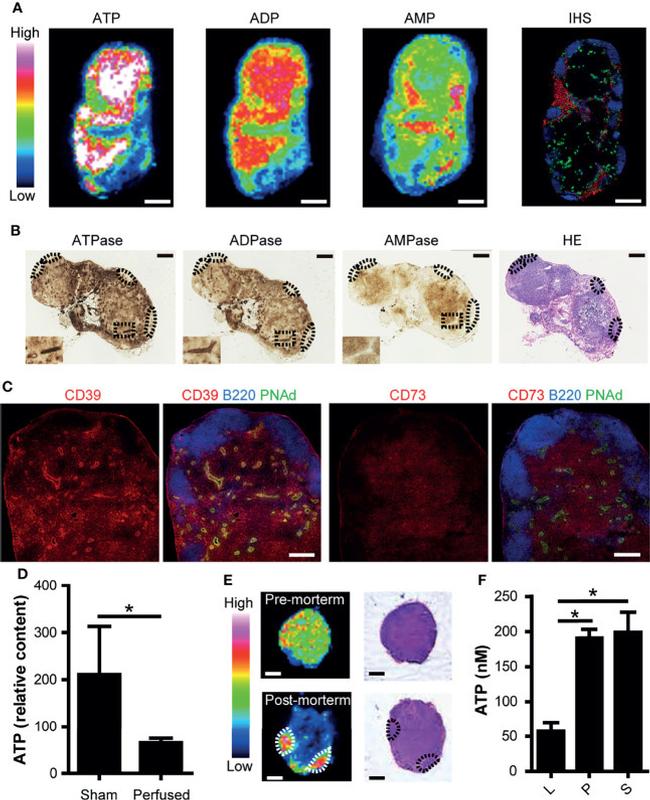
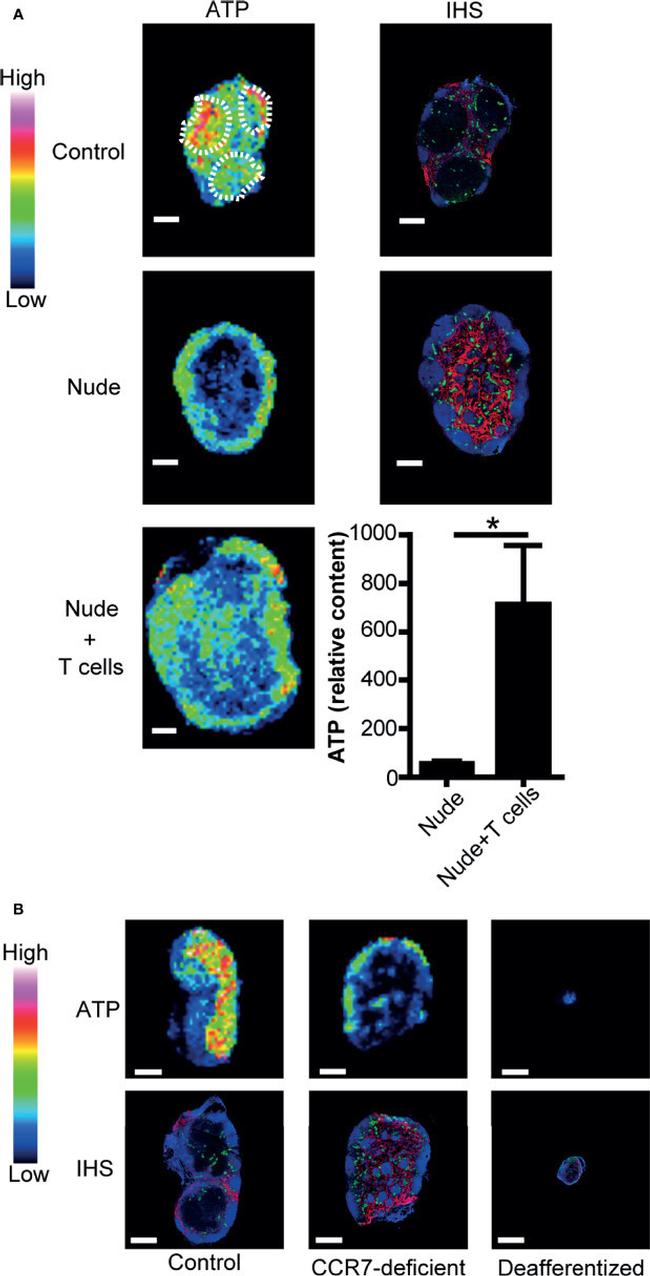
Clicking the images or links will redirect you to a website hosted by BenchSci that provides third-party scientific content. Neither the content nor the BenchSci technology and processes for selection have been evaluated by us; we are providing them as-is and without warranty of any kind, including for use or application of the Thermo Fisher Scientific products presented.
Invitrogen
LYVE1 Monoclonal Antibody (ALY7), eFluor™ 615, eBioscience™








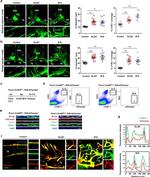

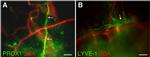
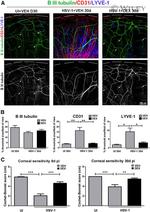
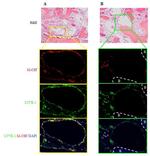




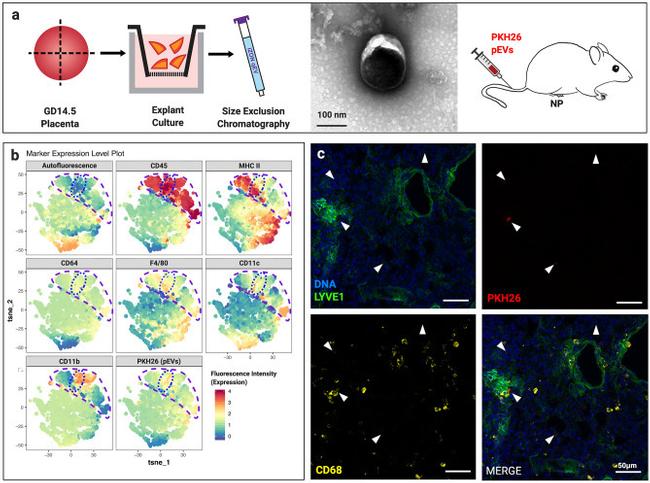
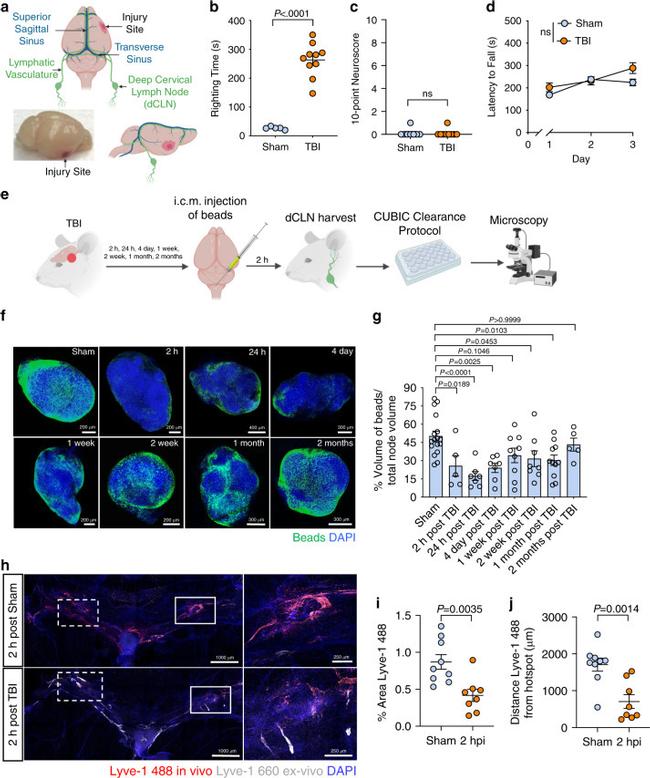
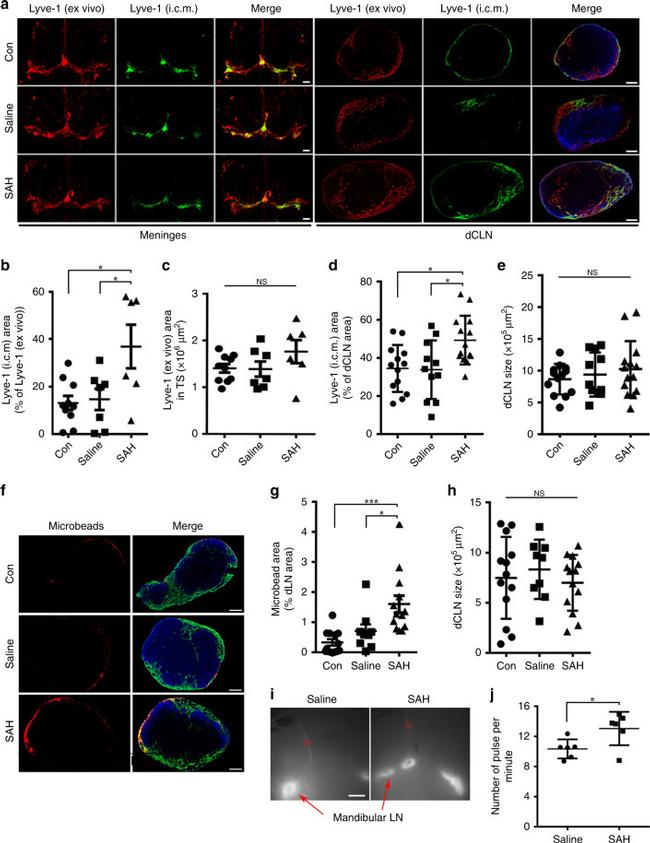



Product Details
42-0443-80
Applications
Tested Dilution
Publications
Product Specifications
Species Reactivity
Mouse
Published species
Mouse
Host/Isotype
Rat
/ IgG1, kappa
Class
Monoclonal
Type
Antibody
Clone
ALY7
Conjugate
eFluor™ 615
Excitation/Emission Max
595/614 nm
View spectra

Form
Liquid
Concentration
0.2 mg/mL
Purification
Affinity chromatography
Storage buffer
PBS, pH 7.2
Contains
0.09% sodium azide
Storage conditions
4° C, store in dark, DO NOT FREEZE!
Shipping conditions
Wet ice
RRID
AB_10804400
Product Specific Information
Description: The monoclonal antibody ALY7 recognizes mouse LYVE-1, a transmembrane glycoprotein with similarity to CD44. The extracellular domain contains a conserved hyaluronan binding domain also found in CD44. Expression is found on lymphatic and liver endothelial cells and some populations of macrophages. The lymphatic system is responsible for transporting proteins and cells (especially dendritic cells) to tissues throughout the body, thereby acting as immune surveyors. LYVE-1 is one characteristic protein, along with podoplanin, PROX-1, Tie-2 and VEGFR-3, that is expressed on lymphatic endothelial cells (LECS). The ligand for LYVE-1 is hyaluronan, a large mucopolysaccharide. Although LYVE-1 can bind hyaluronan in vitro, the site for ligand binding in vivo is masked by sialyated O-linked glycan chains. It is postulated that binding to ligand requires modification/unmasking to expose the binding site. The development and remodeling of the endothelium after injury is an area of extensive study. When transplanted, hematopoietic stem cells (HSCs) can give rise to LECs that integrate into the endothelium in normal and metastatic tissue.
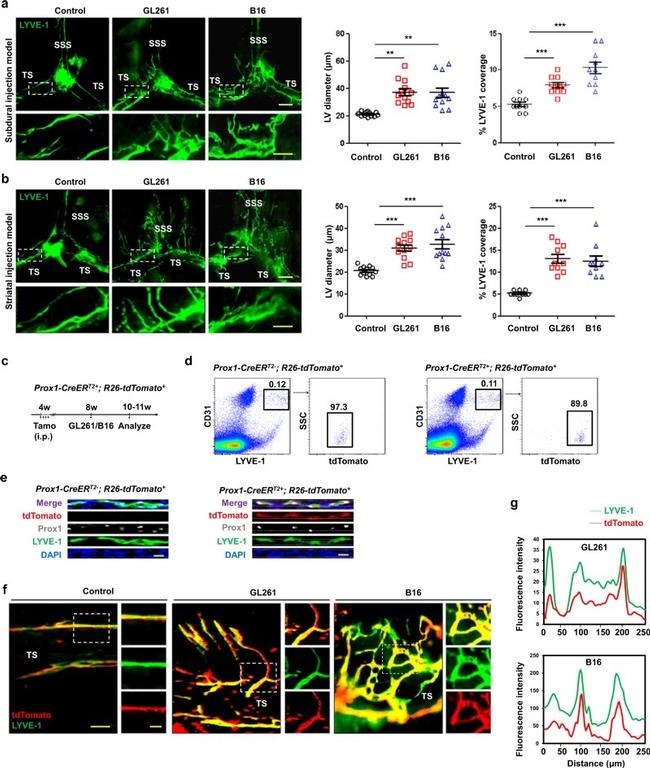
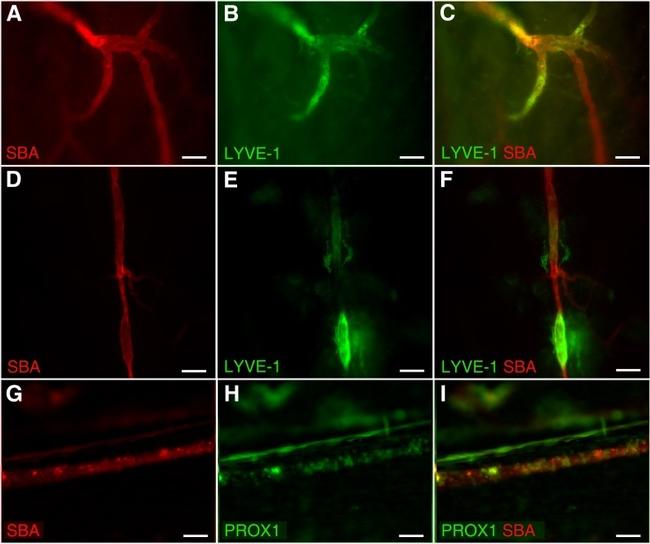
Applications Reported: This ALY7 antibody has been reported for use in immunohistochemical (IHC-F) staining.
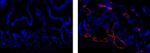
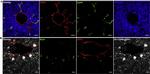
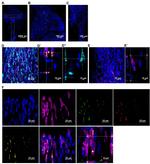
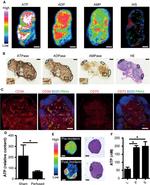
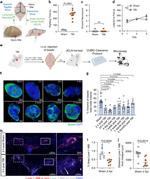
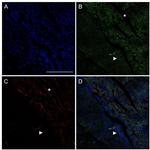
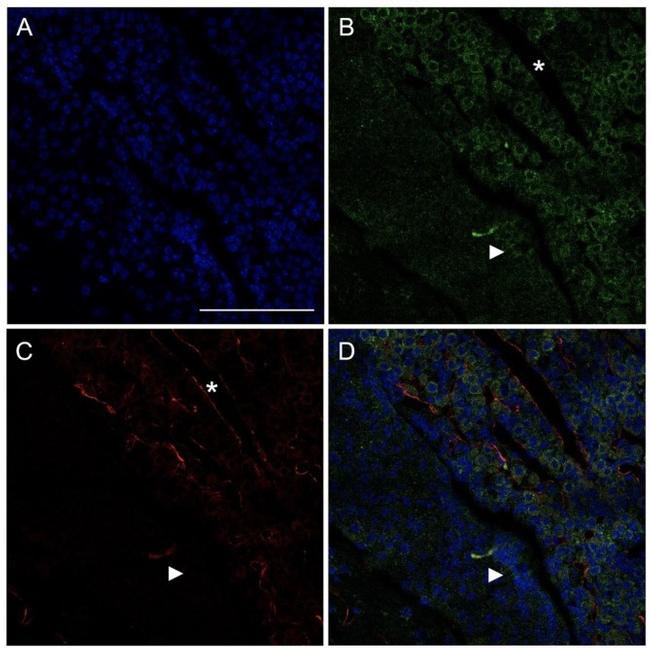
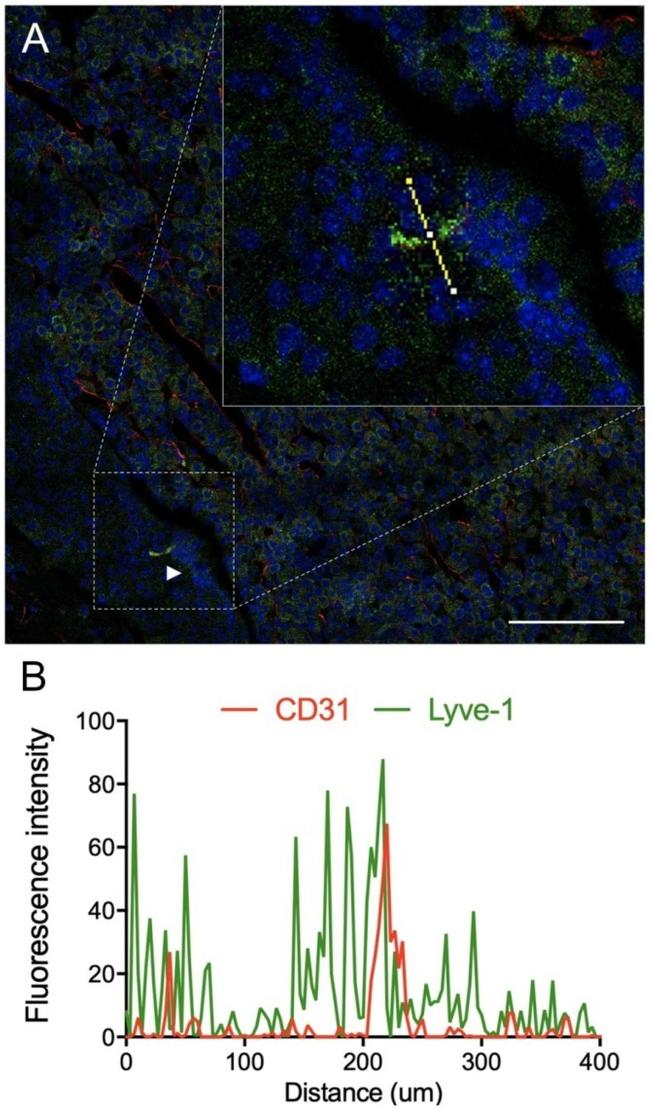
Applications Tested: This ALY7 antibody has been tested by immunohistochemistry on fixed frozen mouse intestinal tissue (IHC-F) at less than or equal to 1 µg/mL. This product has not been validated for flow cytometric analysis.
Filter Recommendation: When using this eFluor® 615 antibody conjugate, we recommend a filter that will capture the 615 emission wavelength (for example, Excitation 560/55, 585LP, Emission 645/75). A standard Alexa Fluor® 594 filter is acceptable.
Excitation: 595 nm; Emission: 615 nm.
Filtration: 0.2 µm post-manufacturing filtered.
Target Information
LYVE1 has been identified as a major receptor for HA (extracellular matrix glycosaminoglycan hyaluronan) on the lymph vessel wall. The deduced amino acid sequence of LYVE1 predicts a 322-residue type I integral membrane polypeptide 41% similar to the CD44 HA receptor with a 212-residue extracellular domain containing a single Link module, the prototypic HA binding domain of the Link protein superfamily. Like CD44, the LYVE1 molecule binds both soluble and immobilized HA. However, unlike CD44, the LYVE1 molecule colocalizes with HA on the luminal face of the lymph vessel wall and is completely absent from blood vessels. Hence, LYVE1 is the first lymph-specific HA receptor to be characterized and is a uniquely powerful marker for lymph vessels themselves. LYVE1 is a type I integral membrane glycoprotein. LYVE-1 is expressed primarily on lymphatic vessel endothelium and is likely to be involved in regulating the traffic of leucocytes and tumor cells to lymph nodes. The lymphatic vasculature forms a second circulatory system that drains extracellular fluid from the tissues and provides an exclusive environment in which immune cells can encounter and respond to foreign antigen. A number of molecules have been identified as markers for lymphatic endothelium which include LYVE1, PALE, VEGFR3, and podoplanin. Diseases associated with LYVE1 dysfunction includes Complete Androgen Insensitivity Syndrome.
For Research Use Only. Not for use in diagnostic procedures. Not for resale without express authorization.
Bioinformatics
Protein Aliases: cell surface retention sequence binding protein-1; Cell surface retention sequence-binding protein 1; CRSBP-1; extra cellular link domain-containing 1; Extracellular link domain-containing protein 1; lymphatic vessel endothelial HA receptor-1; lymphatic vessel endothelial HA recptor-1; Lymphatic vessel endothelial hyaluronic acid receptor 1; LYVE-1; sLyve 1; sLyve1; soluble LYVE 1; soluble LYVE1
Gene Aliases: 1200012G08Rik; Crsbp-1; Crsbp1; Lyve-1; Lyve1; Xlkd1
UniProt ID: (Mouse) Q8BHC0
Entrez Gene ID: (Mouse) 114332
Molecular Function:
 transmembrane signal receptor

Performance Guarantee
If an Invitrogen™ antibody doesn't perform as described on our website or datasheet,we'll replace the product at no cost to you, or provide you with a credit for a future purchase.*
Learn more
We're here to help
Get expert recommendations for common problems or connect directly with an on staff expert for technical assistance related to applications, equipment and general product use.
Contact tech support