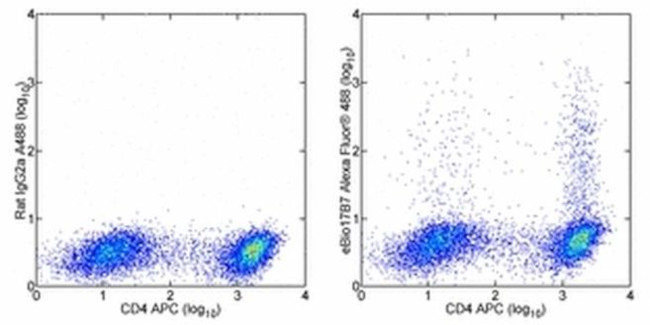
Product References
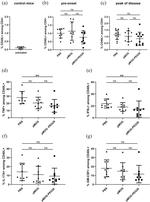
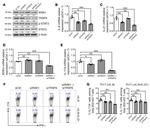
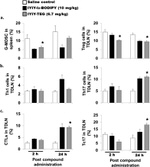
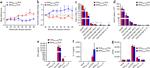
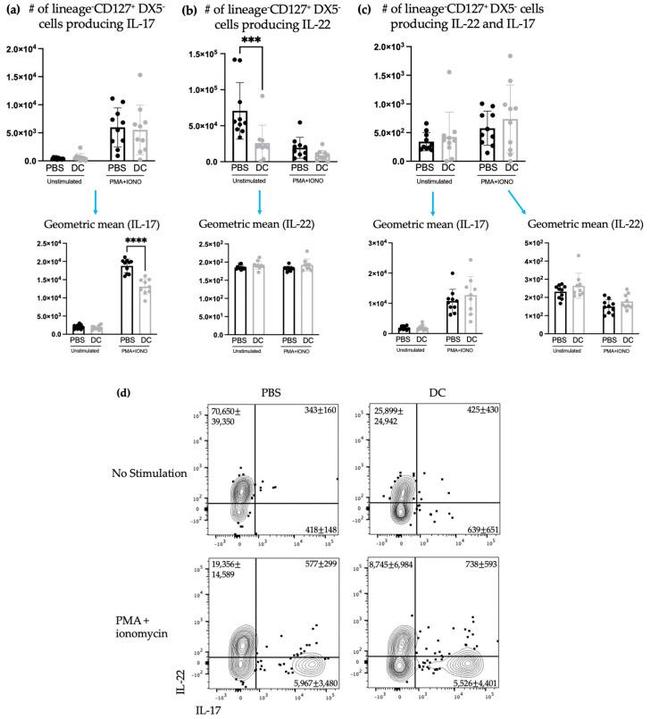
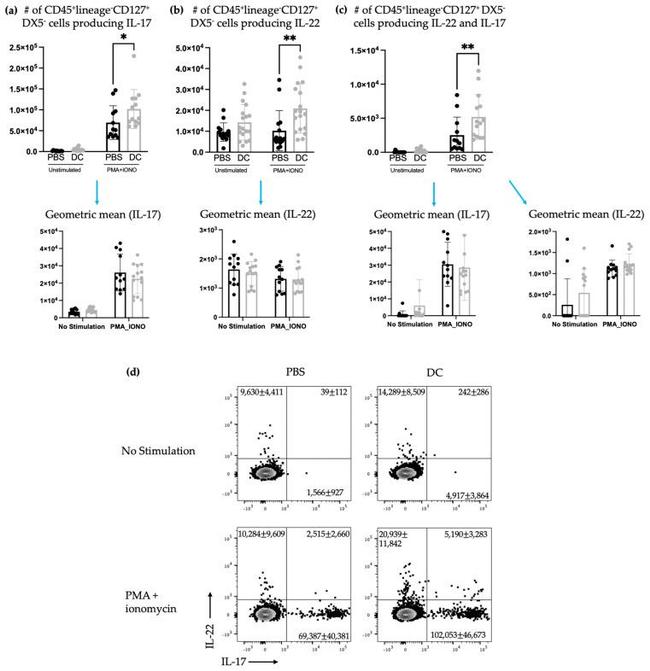
The Potential of Dendritic-Cell-Based Vaccines to Modulate Type 3 Innate Lymphoid Cell Populations.
International journal of molecular sciences
Chan L,Mehrani Y,Minott JA,Bridle BW,Karimi K
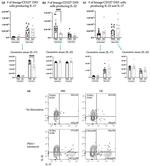
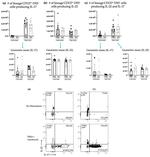
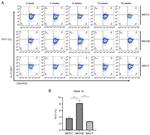
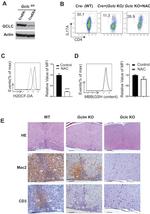
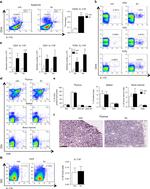
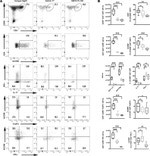
Published figure using IL-17A monoclonal antibody (Product # 53-7177-81) in Flow Cytometry
Thu Jan 26 00:00:00 EST 2023
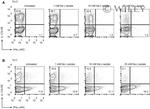
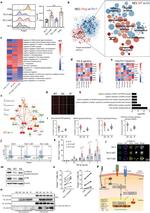
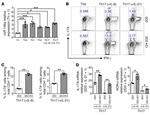
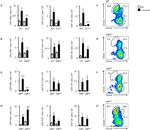
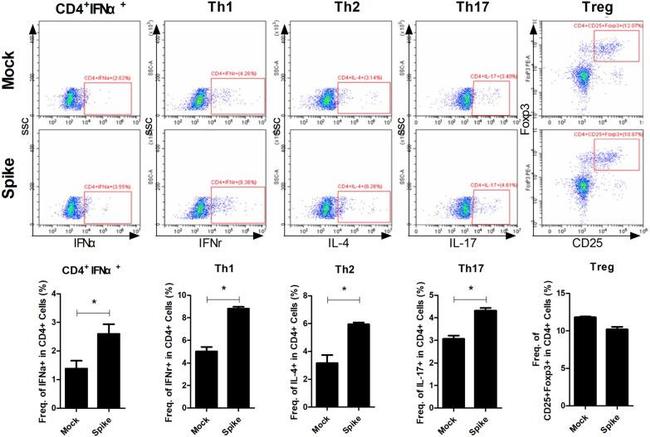
SARS-CoV-2 spike protein promotes inflammatory cytokine activation and aggravates rheumatoid arthritis.
Cell communication and signaling : CCS
Lee AR,Woo JS,Lee SY,Lee YS,Jung J,Lee CR,Park SH,Cho ML
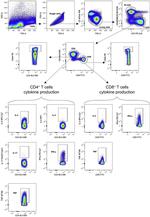
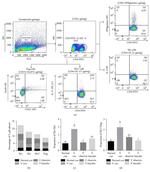
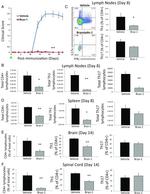
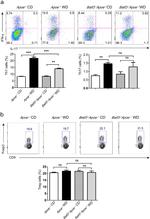
Published figure using IL-17A monoclonal antibody (Product # 53-7177-81) in Flow Cytometry
Thu Mar 02 00:00:00 EST 2023
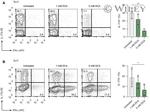
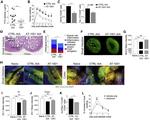
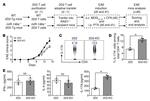
Lactate induces metabolic and epigenetic reprogramming of pro-inflammatory Th17 cells.
EMBO reports
Lopez Krol A,Nehring HP,Krause FF,Wempe A,Raifer H,Nist A,Stiewe T,Bertrams W,Schmeck B,Luu M,Leister H,Chung HR,Bauer UM,Adhikary T,Visekruna A
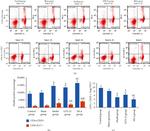
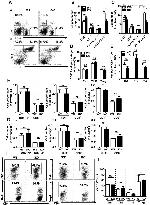
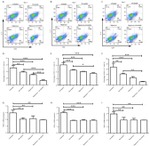
Published figure using IL-17A monoclonal antibody (Product # 53-7177-81) in Flow Cytometry
Tue Dec 06 00:00:00 EST 2022
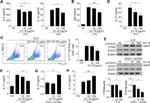
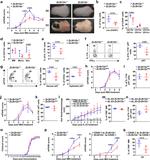
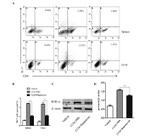
EC-18 prevents autoimmune arthritis by suppressing inflammatory cytokines and osteoclastogenesis.
Arthritis research & therapy
Park JS,Yang SC,Jeong HY,Lee SY,Ryu JG,Choi JW,Kang HY,Kim SM,Hwang SH,Cho ML,Park SH
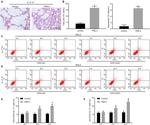
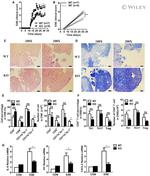
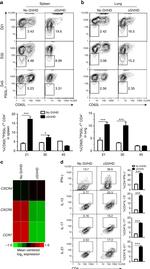
Published figure using IL-17A monoclonal antibody (Product # 53-7177-81) in Flow Cytometry
Thu Nov 17 00:00:00 EST 2022
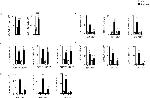
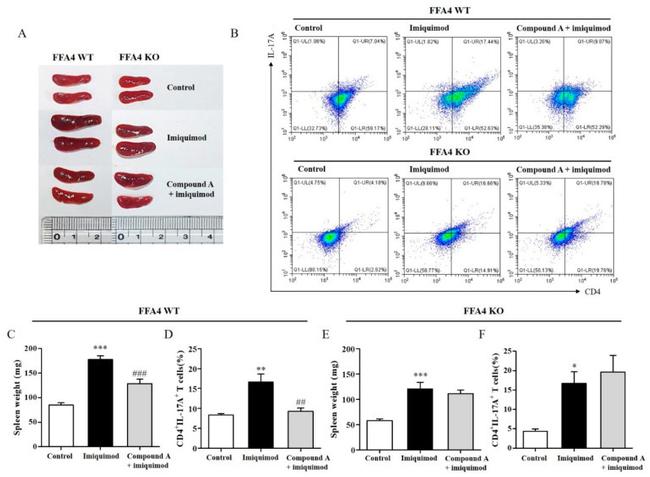
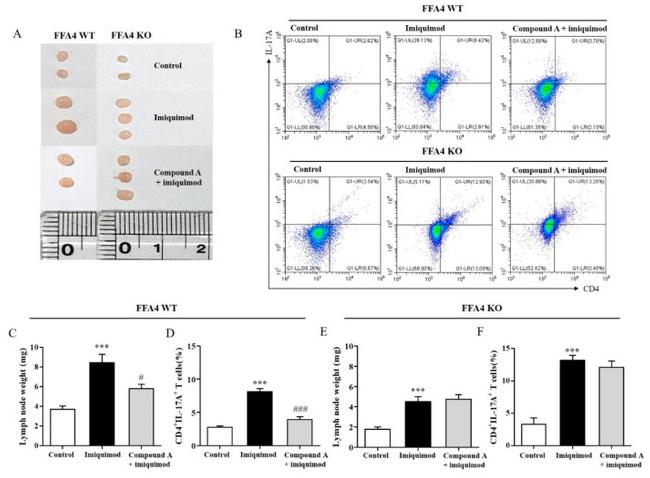
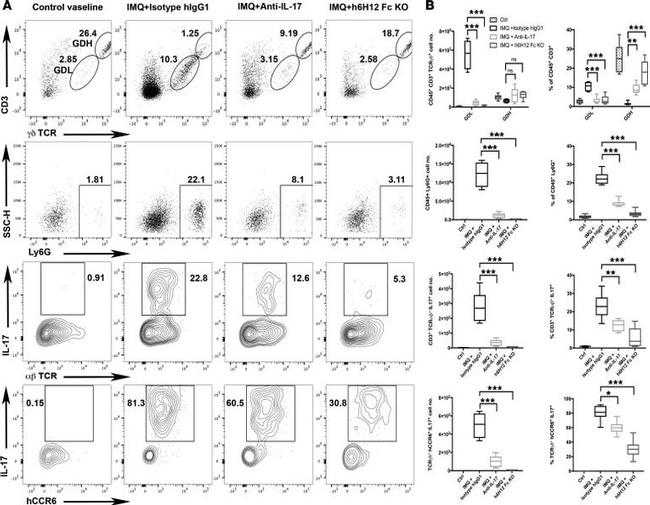
Free Fatty Acid Receptor 4 (FFA4) Activation Ameliorates Imiquimod-Induced Psoriasis in Mice.
International journal of molecular sciences
Son SE,Koh JM,Im DS
Published figure using IL-17A monoclonal antibody (Product # 53-7177-81) in Flow Cytometry
Tue Apr 19 00:00:00 EDT 2022
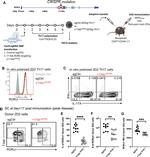
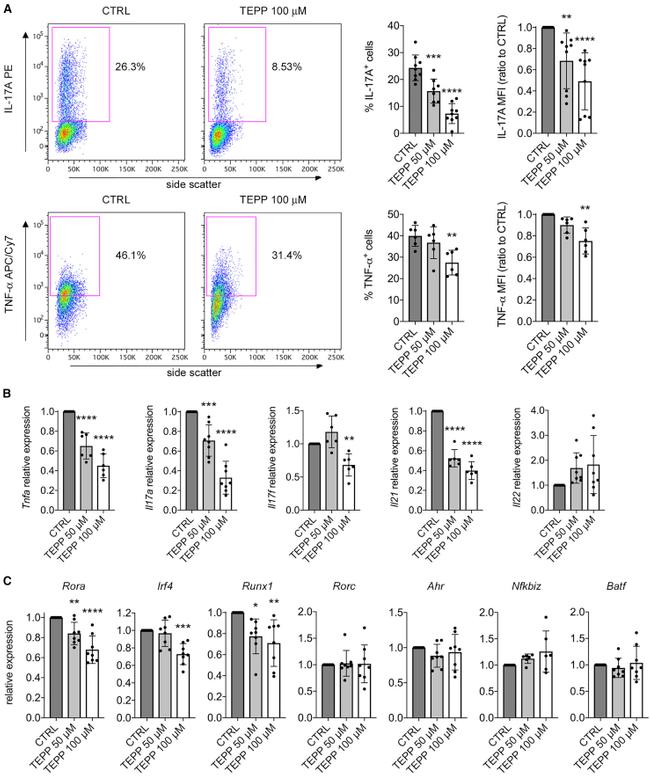
Transcription factor RORα enforces stability of the Th17 cell effector program by binding to a Rorc cis-regulatory element.
Immunity
Hall JA,Pokrovskii M,Kroehling L,Kim BR,Kim SY,Wu L,Lee JY,Littman DR
Published figure using IL-17A monoclonal antibody (Product # 53-7177-81) in Flow Cytometry
Tue Nov 08 00:00:00 EST 2022
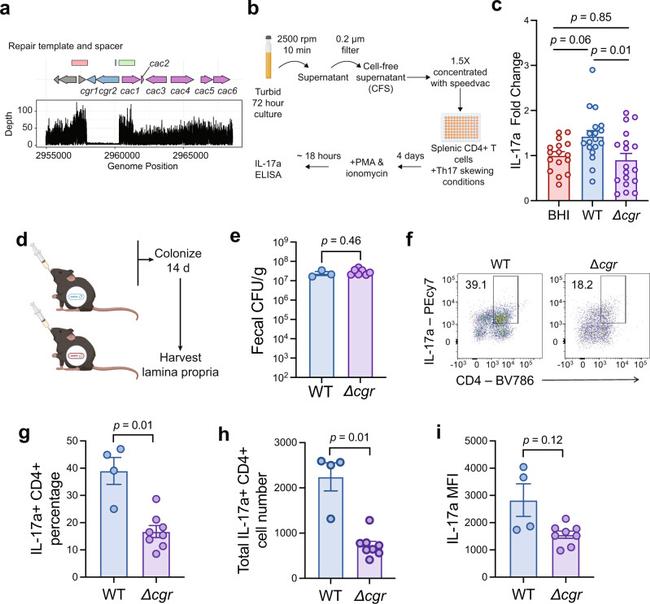
Genetic manipulation of the human gut bacterium Eggerthella lenta reveals a widespread family of transcriptional regulators.
Nature communications
Dong X,Guthrie BGH,Alexander M,Noecker C,Ramirez L,Glasser NR,Turnbaugh PJ,Balskus EP
Published figure using IL-17A monoclonal antibody (Product # 53-7177-81) in Flow Cytometry
Fri Dec 09 00:00:00 EST 2022
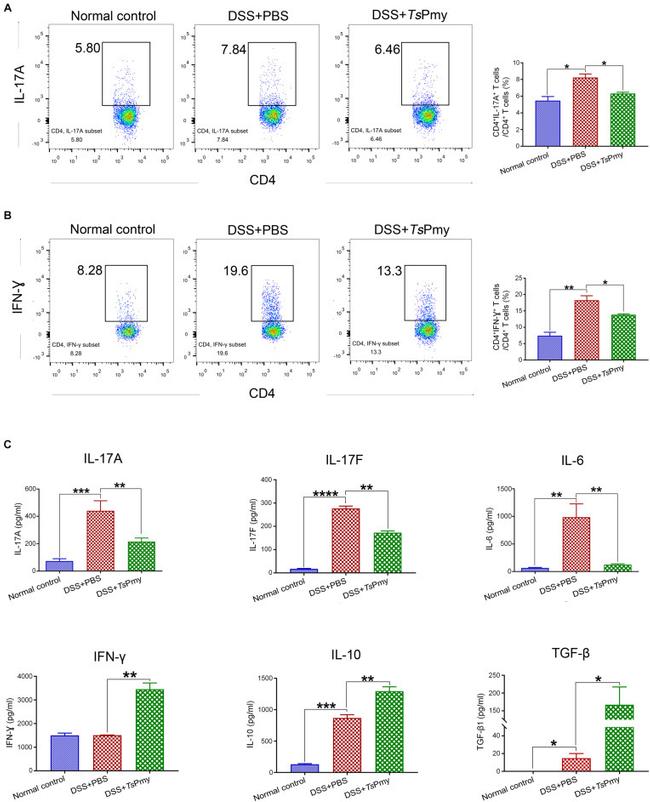
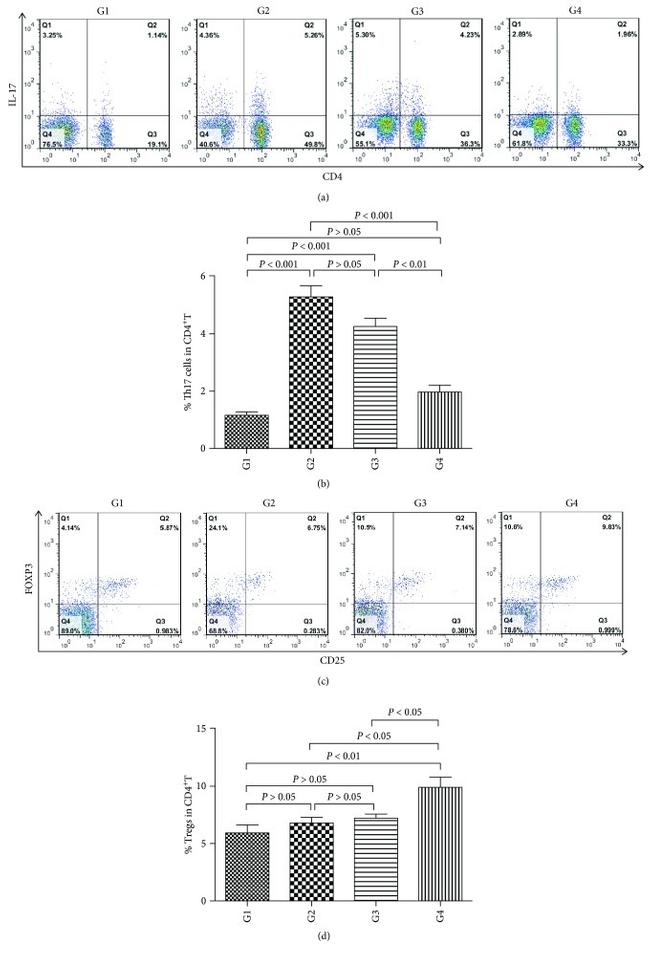
Trichinella spiralis Paramyosin Induces Colonic Regulatory T Cells to Mitigate Inflammatory Bowel Disease.
Frontiers in cell and developmental biology
Hao C,Wang W,Zhan B,Wang Z,Huang J,Sun X,Zhu X
Published figure using IL-17A monoclonal antibody (Product # 53-7177-81) in Flow Cytometry
Tue Aug 03 00:00:00 EDT 2021
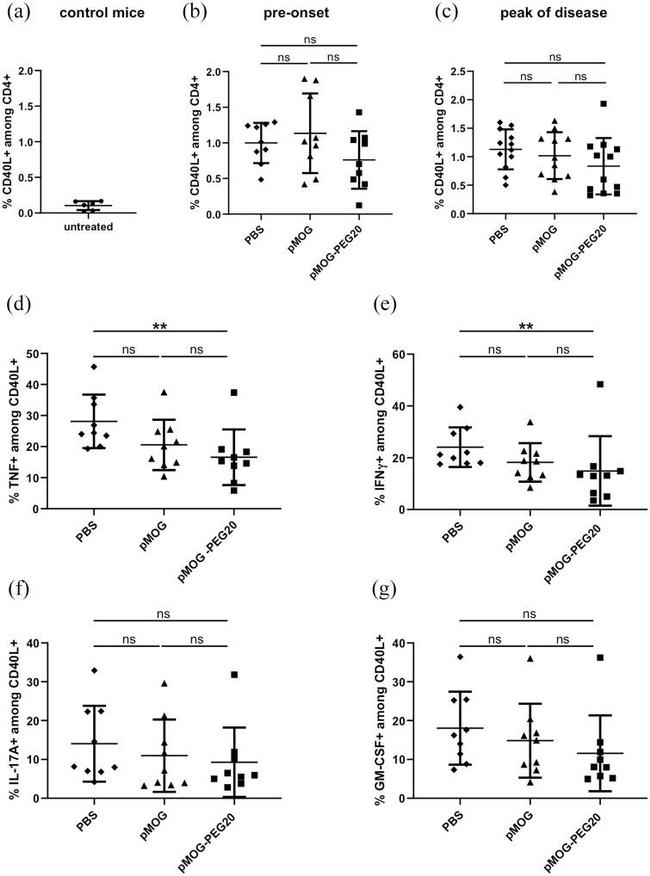
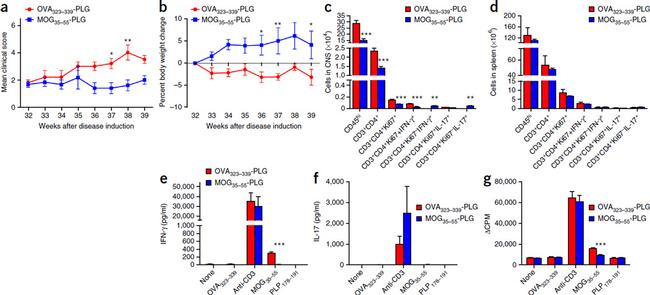
Prevention of EAE by tolerogenic vaccination with PEGylated antigenic peptides.
Therapeutic advances in chronic disease
Pfeil J,Simonetti M,Lauer U,von Thülen B,Durek P,Poulsen C,Pawlowska J,Kröger M,Krähmer R,Leenders F,Hoffmann U,Hamann A
Published figure using IL-17A monoclonal antibody (Product # 53-7177-81) in Flow Cytometry
Tue Nov 07 00:00:00 EST 2023
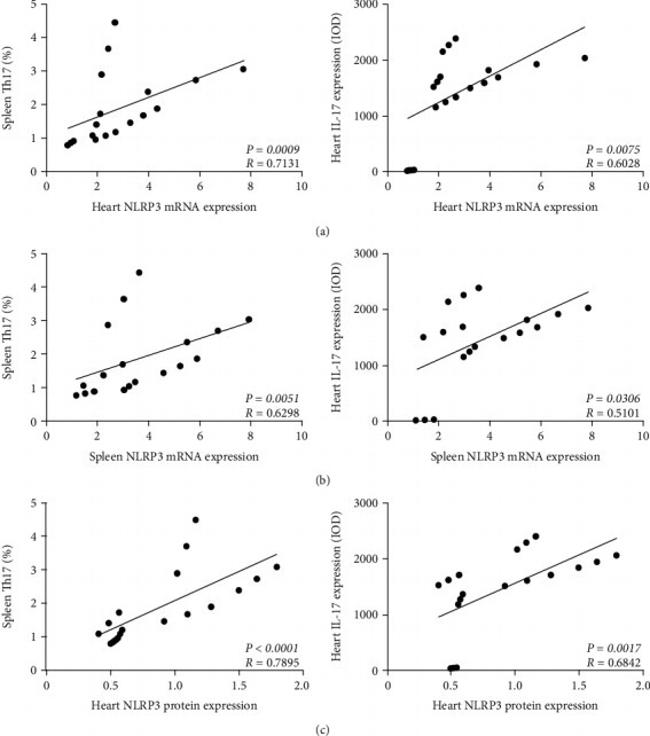
The Severity of CVB3-Induced Myocarditis Can Be Improved by Blocking the Orchestration of NLRP3 and Th17 in Balb/c Mice.
Mediators of inflammation
Chen J,Yang F,Shi S,Liu X,Qin F,Wei X,Huang Y,Liang W,Miao L
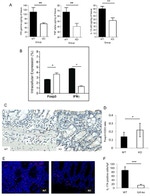
Published figure using IL-17A monoclonal antibody (Product # 53-7177-81) in Immunohistochemistry
Wed Dec 22 00:00:00 EST 2021
Preliminary analysis of immunoregulatory mechanism of hyperhomocysteinemia-induced brain injury in Wistar-Kyoto rats.
Experimental and therapeutic medicine
Zhang Y,Wang L,Li X,Geng J
Published figure using IL-17A monoclonal antibody (Product # 53-7177-81) in Flow Cytometry
Sat May 01 00:00:00 EDT 2021
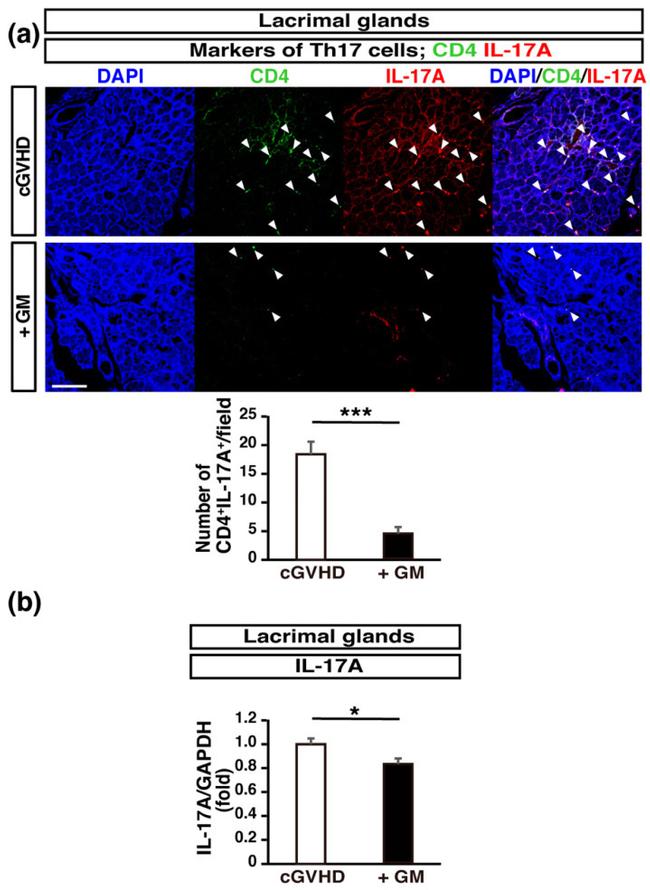
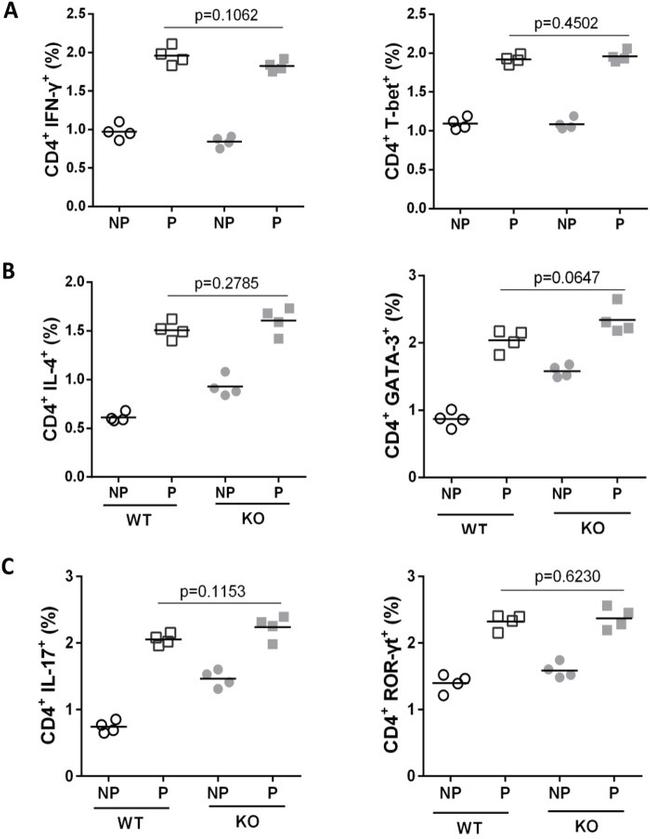
Positive Effects of Oral Antibiotic Administration in Murine Chronic Graft-Versus-Host Disease.
International journal of molecular sciences
Sato S,Shimizu E,He J,Ogawa M,Asai K,Yazu H,Rusch R,Yamane M,Yang F,Fukuda S,Kawakami Y,Tsubota K,Ogawa Y
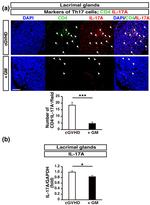
Published figure using IL-17A monoclonal antibody (Product # 53-7177-81) in Immunohistochemistry
Sat Apr 03 00:00:00 EDT 2021
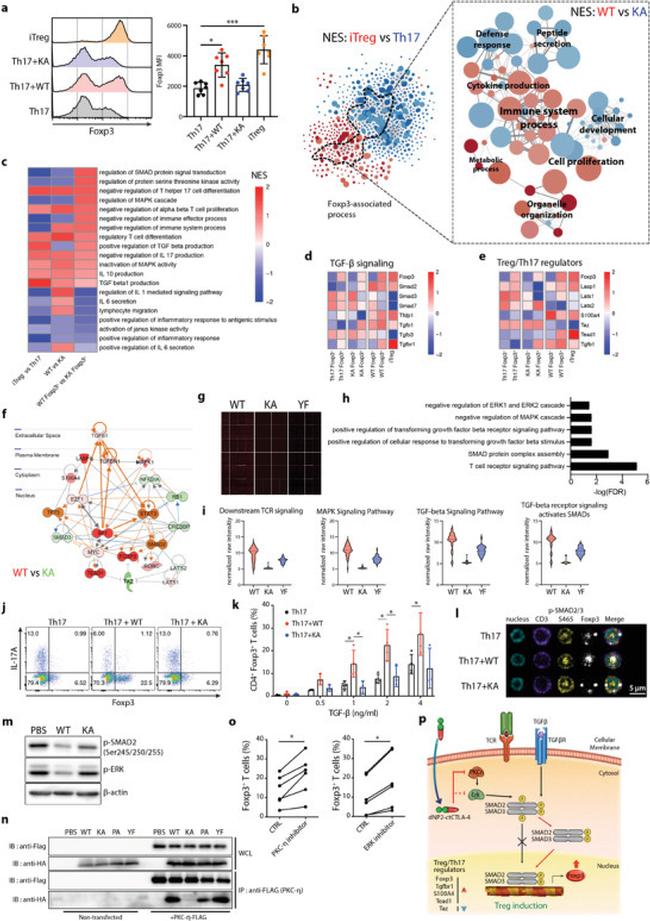
In Vivo Induction of Regulatory T Cells Via CTLA-4 Signaling Peptide to Control Autoimmune Encephalomyelitis and Prevent Disease Relapse.
Advanced science (Weinheim, Baden-Wurttemberg, Germany)
Kim GR,Kim WJ,Lim S,Lee HG,Koo JH,Nam KH,Kim SM,Park SD,Choi JM
Published figure using IL-17A monoclonal antibody (Product # 53-7177-81) in Flow Cytometry
Thu Jul 01 00:00:00 EDT 2021
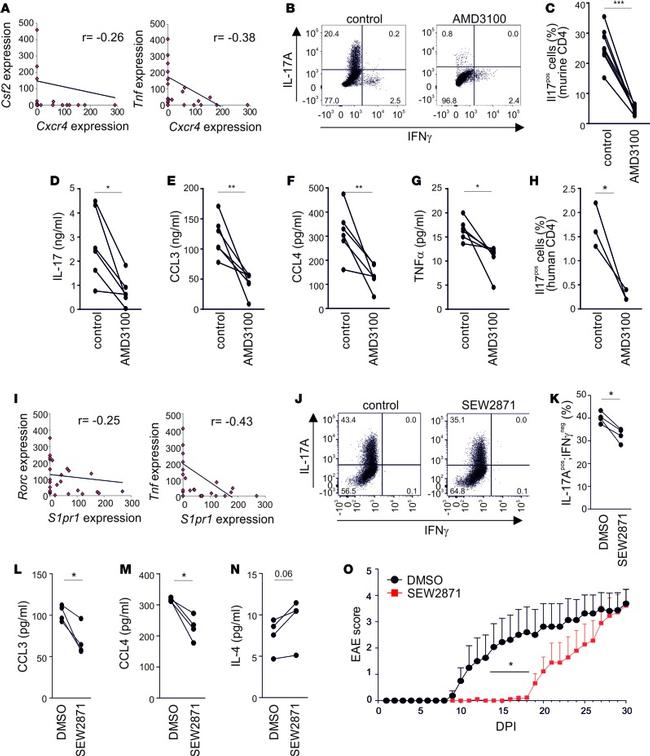
G-protein-coupled receptor P2Y10 facilitates chemokine-induced CD4 T cell migration through autocrine/paracrine mediators.
Nature communications
Gurusamy M,Tischner D,Shao J,Klatt S,Zukunft S,Bonnavion R,Günther S,Siebenbrodt K,Kestner RI,Kuhlmann T,Fleming I,Offermanns S,Wettschureck N
Published figure using IL-17A monoclonal antibody (Product # 53-7177-81) in Flow Cytometry
Tue Nov 23 00:00:00 EST 2021
ILC3s control airway inflammation by limiting T cell responses to allergens and microbes.
Cell reports
Teng F,Tachó-Piñot R,Sung B,Farber DL,Worgall S,Hammad H,Lambrecht BN,Hepworth MR,Sonnenberg GF
Published figure using IL-17A monoclonal antibody (Product # 53-7177-81) in ELISA
Tue Nov 23 00:00:00 EST 2021
The RNase MCPIP3 promotes skin inflammation by orchestrating myeloid cytokine response.
Nature communications
Liu B,Huang J,Ashraf A,Rahaman O,Lou J,Wang L,Cai P,Wen J,Anwaar S,Liu X,Ni H,Ganguly D,Zhao J,Yang CY
Published figure using IL-17A monoclonal antibody (Product # 53-7177-81) in Flow Cytometry
Fri Jul 02 00:00:00 EDT 2021
Analysis of T cells in mouse lymphoid tissue and blood with flow cytometry.
STAR protocols
Skordos I,Demeyer A,Beyaert R
Published figure using IL-17A monoclonal antibody (Product # 53-7177-81) in Flow Cytometry
Fri Mar 19 00:00:00 EDT 2021
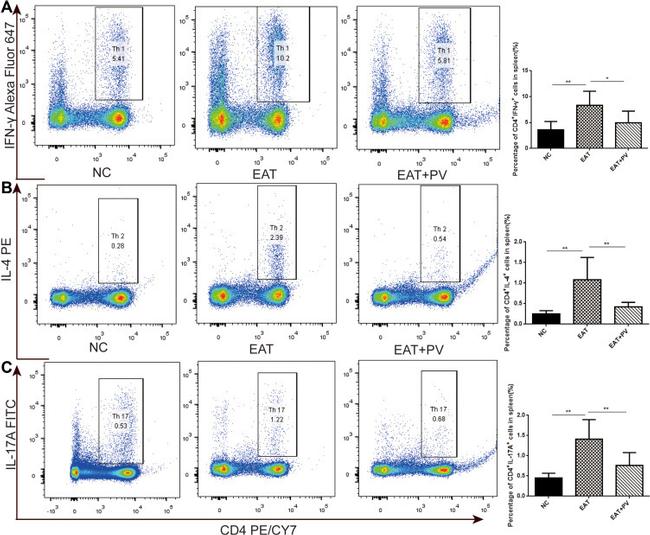
Prunella vulgaris L. Attenuates Experimental Autoimmune Thyroiditis by Inhibiting HMGB1/TLR9 Signaling.
Drug design, development and therapy
Guo Q,Qu H,Zhang H,Zhong X
Published figure using IL-17A monoclonal antibody (Product # 53-7177-81) in Flow Cytometry
Tue Feb 22 00:00:00 EST 2022
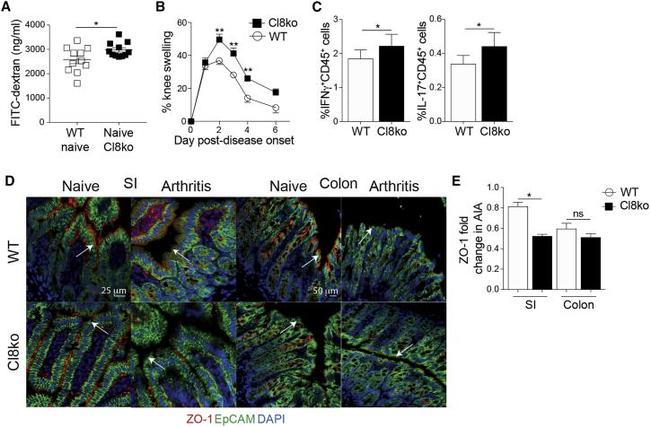
Intestinal barrier dysfunction plays an integral role in arthritis pathology and can be targeted to ameliorate disease.
Med (New York, N.Y.)
Matei DE,Menon M,Alber DG,Smith AM,Nedjat-Shokouhi B,Fasano A,Magill L,Duhlin A,Bitoun S,Gleizes A,Hacein-Bey-Abina S,Manson JJ,Rosser EC,Klein N,Blair PA,Mauri C
Published figure using IL-17A monoclonal antibody (Product # 53-7177-81) in Flow Cytometry
Fri Jul 09 00:00:00 EDT 2021
Pharmacological Activation of Pyruvate Kinase M2 Inhibits CD4+ T Cell Pathogenicity and Suppresses Autoimmunity.
Cell metabolism
Angiari S,Runtsch MC,Sutton CE,Palsson-McDermott EM,Kelly B,Rana N,Kane H,Papadopoulou G,Pearce EL,Mills KHG,O'Neill LAJ
Published figure using IL-17A monoclonal antibody (Product # 53-7177-81) in Flow Cytometry
Tue Feb 04 00:00:00 EST 2020
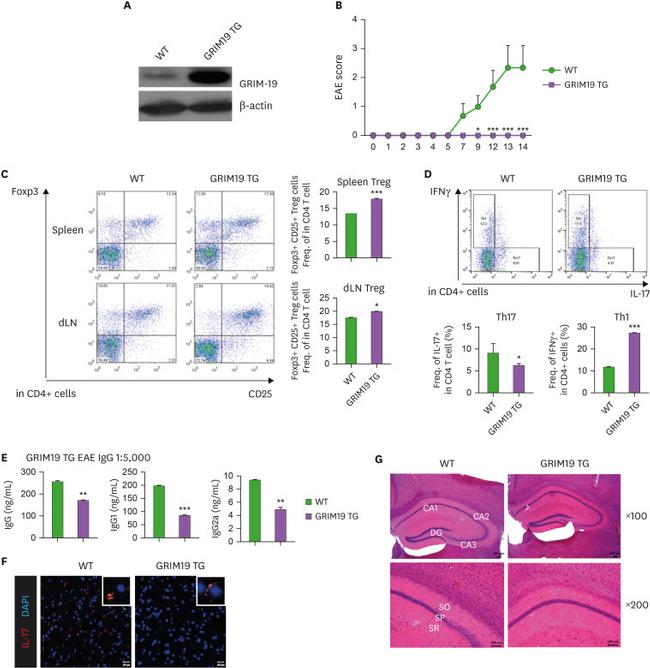
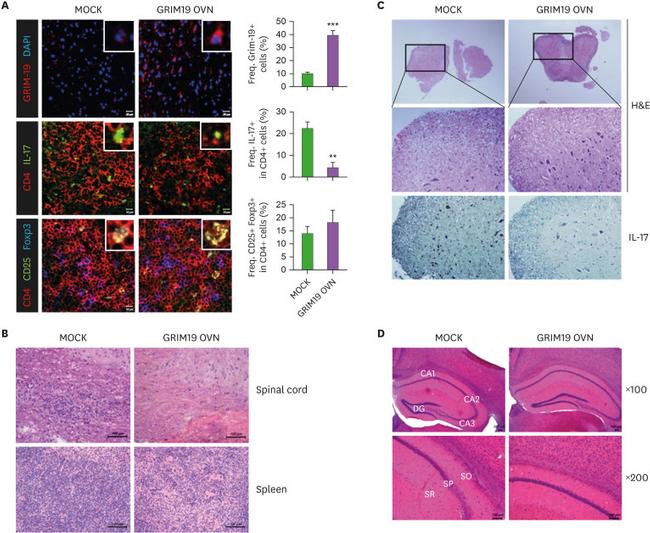
GRIM-19 Ameliorates Multiple Sclerosis in a Mouse Model of Experimental Autoimmune Encephalomyelitis with Reciprocal Regulation of IFNγ/Th1 and IL-17A/Th17 Cells.
Immune network
Moon J,Lee SH,Lee SY,Ryu J,Jhun J,Choi J,Kim GN,Roh S,Park SH,Cho ML
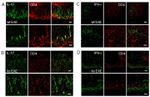
Published figure using IL-17A monoclonal antibody (Product # 53-7177-81) in Immunohistochemistry
Thu Oct 01 00:00:00 EDT 2020
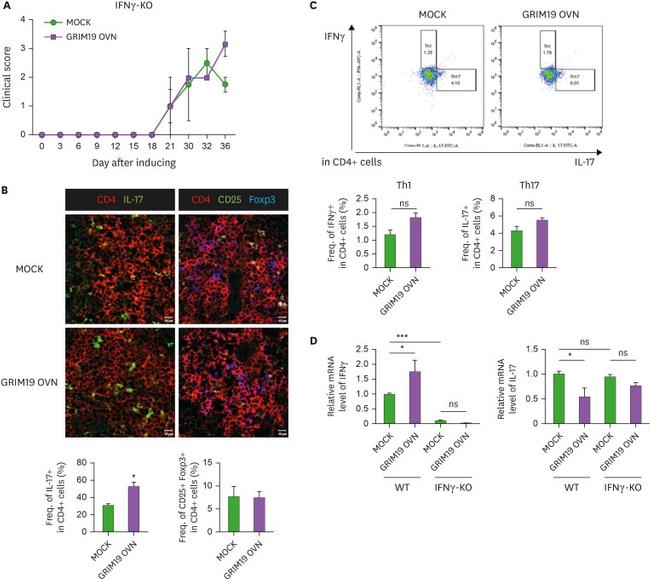
GRIM-19 Ameliorates Multiple Sclerosis in a Mouse Model of Experimental Autoimmune Encephalomyelitis with Reciprocal Regulation of IFNγ/Th1 and IL-17A/Th17 Cells.
Immune network
Moon J,Lee SH,Lee SY,Ryu J,Jhun J,Choi J,Kim GN,Roh S,Park SH,Cho ML
Published figure using IL-17A monoclonal antibody (Product # 53-7177-81) in Immunohistochemistry
Thu Oct 01 00:00:00 EDT 2020
IL-17A-producing T cells exacerbate fine particulate matter-induced lung inflammation and fibrosis by inhibiting PI3K/Akt/mTOR-mediated autophagy.
Journal of cellular and molecular medicine
Cong LH,Li T,Wang H,Wu YN,Wang SP,Zhao YY,Zhang GQ,Duan J
Published figure using IL-17A monoclonal antibody (Product # 53-7177-81) in Flow Cytometry
Sat Aug 01 00:00:00 EDT 2020
Exploring the Mechanism on the Medullary Visceral Zone Inhibiting the Cholinergic Anti-inflammatory Pathway Induced by Sepsis.
Mediators of inflammation
Li HB,Zhou Y,Zhao AH,Guo LL
Published figure using IL-17A monoclonal antibody (Product # 53-7177-81) in Flow Cytometry
Mon Aug 02 00:00:00 EDT 2021
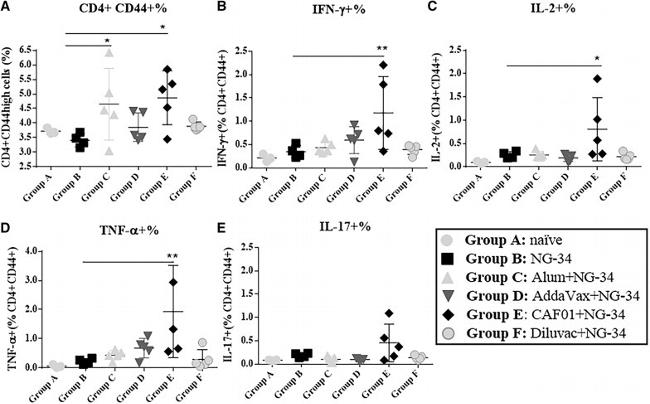
Influenza NG-34 T cell conserved epitope adjuvanted with CAF01 as a possible influenza vaccine candidate.
Veterinary research
Sisteré-Oró M,Pedersen GK,Córdoba L,López-Serrano S,Christensen D,Darji A
Published figure using IL-17A monoclonal antibody (Product # 53-7177-81) in Miscellaneous
Mon Apr 20 00:00:00 EDT 2020
Influenza NG-34 T cell conserved epitope adjuvanted with CAF01 as a possible influenza vaccine candidate.
Veterinary research
Sisteré-Oró M,Pedersen GK,Córdoba L,López-Serrano S,Christensen D,Darji A
Published figure using IL-17A monoclonal antibody (Product # 53-7177-81) in Miscellaneous
Mon Apr 20 00:00:00 EDT 2020
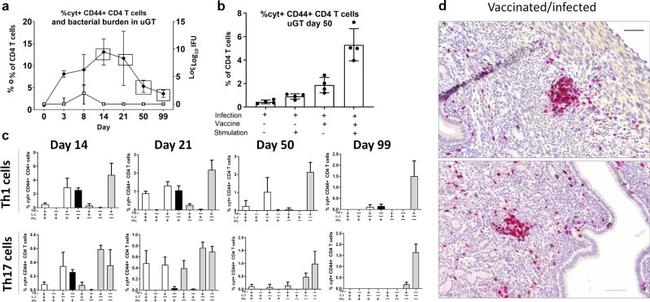
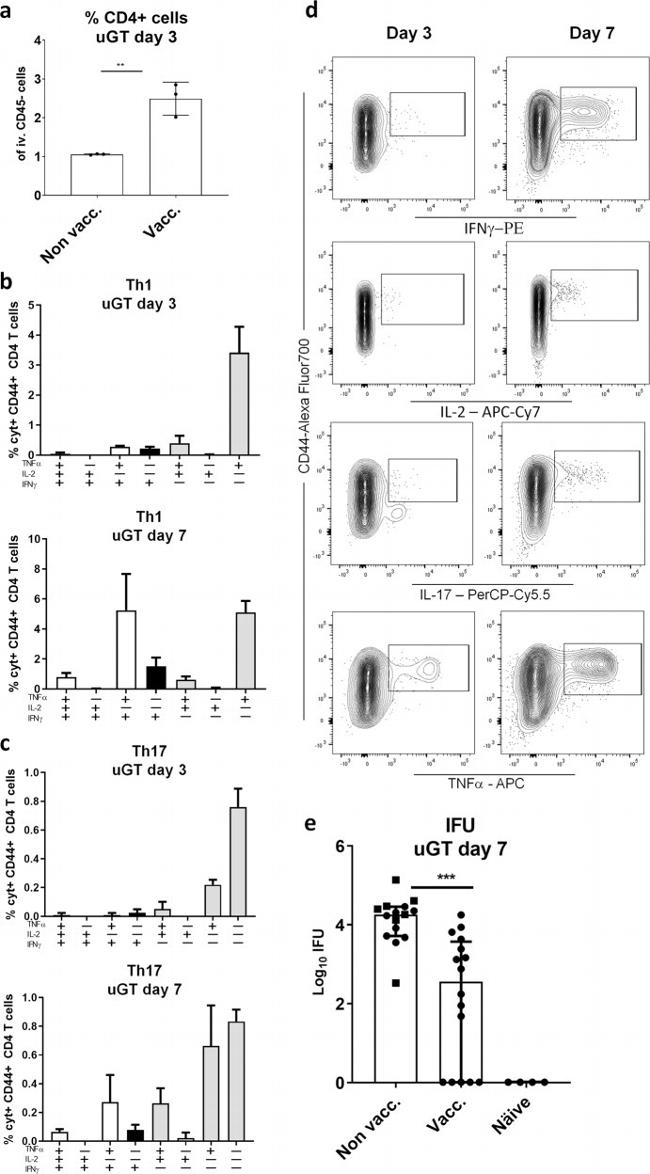
Parenteral vaccination protects against transcervical infection with Chlamydia trachomatis and generate tissue-resident T cells post-challenge.
NPJ vaccines
Nguyen NDNT,Olsen AW,Lorenzen E,Andersen P,Hvid M,Follmann F,Dietrich J
Published figure using IL-17A monoclonal antibody (Product # 53-7177-81) in Flow Cytometry
Thu Aug 12 00:00:00 EDT 2021
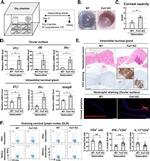
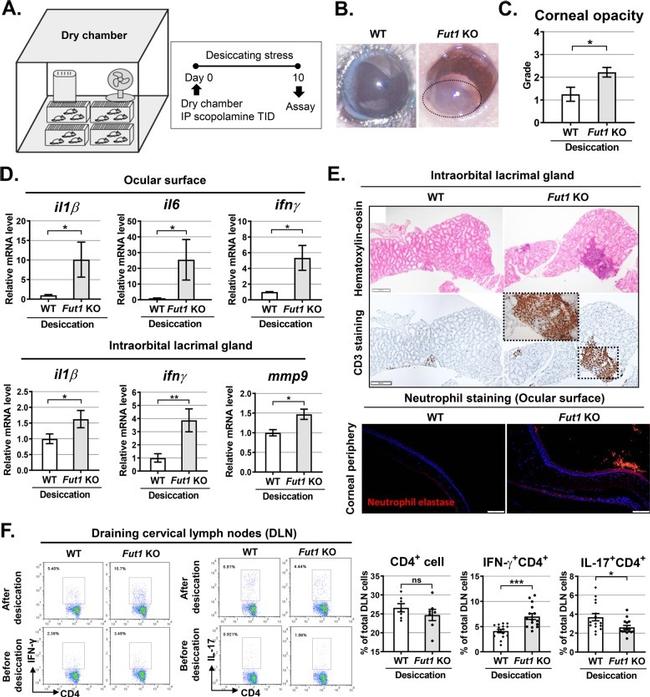
FUT1 deficiency elicits immune dysregulation and corneal opacity in steady state and under stress.
Cell death & disease
Kim KW,Ryu JS,Ko JH,Kim JY,Kim HJ,Lee HJ,Oh JH,Chung JH,Oh JY
Published figure using IL-17A monoclonal antibody (Product # 53-7177-81) in Flow Cytometry
Fri Apr 24 00:00:00 EDT 2020
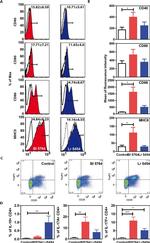
Lactobacillus reuteri 5454 and Bifidobacterium animalis ssp. lactis 5764 improve colitis while differentially impacting dendritic cells maturation and antimicrobial responses.
Scientific reports
Hrdý J,Alard J,Couturier-Maillard A,Boulard O,Boutillier D,Delacre M,Lapadatescu C,Cesaro A,Blanc P,Pot B,Ryffel B,Chamaillard M,Grangette C
Published figure using IL-17A monoclonal antibody (Product # 53-7177-81) in Flow Cytometry
Tue Mar 24 00:00:00 EDT 2020
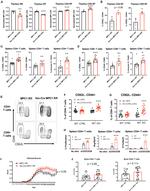
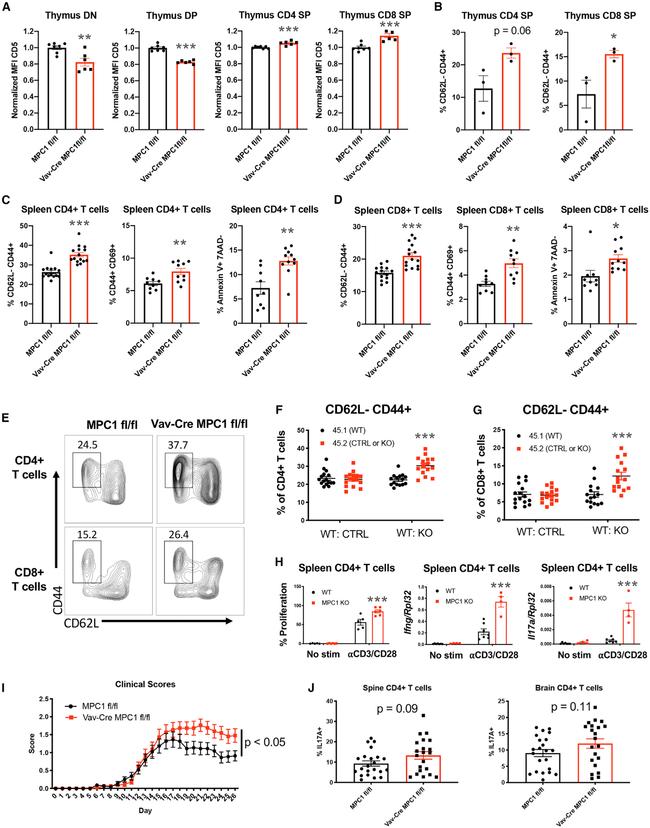
Mitochondrial Pyruvate Carrier 1 Promotes Peripheral T Cell Homeostasis through Metabolic Regulation of Thymic Development.
Cell reports
Ramstead AG,Wallace JA,Lee SH,Bauer KM,Tang WW,Ekiz HA,Lane TE,Cluntun AA,Bettini ML,Round JL,Rutter J,O'Connell RM
Published figure using IL-17A monoclonal antibody (Product # 53-7177-81) in Flow Cytometry
Tue Mar 03 00:00:00 EST 2020
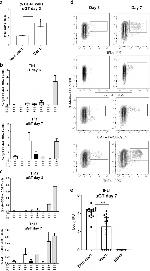
UCP3 reciprocally controls CD4+ Th17 and Treg cell differentiation.
PloS one
O'Connor EB,Muñoz-Wolf N,Leon G,Lavelle EC,Mills KHG,Walsh PT,Porter RK
Published figure using IL-17A monoclonal antibody (Product # 53-7177-81) in Flow Cytometry
Thu Jan 07 00:00:00 EST 2021
M1 Macrophage Derived Exosomes Aggravate Experimental Autoimmune Neuritis via Modulating Th1 Response.
Frontiers in immunology
Du T,Yang CL,Ge MR,Liu Y,Zhang P,Li H,Li XL,Li T,Liu YD,Dou YC,Yang B,Duan RS
Published figure using IL-17A monoclonal antibody (Product # 53-7177-81) in Flow Cytometry
Tue Apr 13 00:00:00 EDT 2021
Metabolite-Sensing Receptor Ffar2 Regulates Colonic Group 3 Innate Lymphoid Cells and Gut Immunity.
Immunity
Chun E,Lavoie S,Fonseca-Pereira D,Bae S,Michaud M,Hoveyda HR,Fraser GL,Gallini Comeau CA,Glickman JN,Fuller MH,Layden BT,Garrett WS
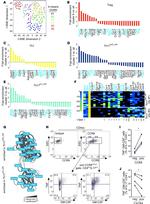
53-7177 was used in Flow cytometry/Cell sorting to demonstrate group 3 innate lymphoid cells are regulated by the metabolite-sensing receptor Ffar2.
Tue Nov 19 00:00:00 EST 2019
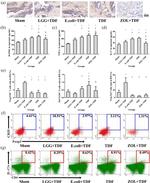
Lactobacillus rhamnosus GG attenuates tenofovir disoproxil fumarate-induced bone loss in male mice via gut-microbiota-dependent anti-inflammation.
Therapeutic advances in chronic disease
Liu H,Gu R,Li W,Zhou W,Cong Z,Xue J,Liu Y,Wei Q,Zhou Y
Published figure using IL-17A monoclonal antibody (Product # 53-7177-81) in Flow Cytometry
Sat Apr 09 00:00:00 EDT 2022
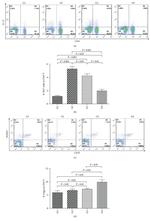
Interleukin 10 Gene-Modified Bone Marrow-Derived Dendritic Cells Attenuate Liver Fibrosis in Mice by Inducing Regulatory T Cells and Inhibiting the TGF-β/Smad Signaling Pathway.
Mediators of inflammation
Xu Y,Tang X,Yang M,Zhang S,Li S,Chen Y,Liu M,Guo Y,Lu M
Published figure using IL-17A monoclonal antibody (Product # 53-7177-81) in Flow Cytometry
Tue Jun 11 00:00:00 EDT 2019
IL-31 plays dual roles in lung inflammation in an OVA-induced murine asthma model.
Biology open
Huang J,Yue H,Jiang T,Gao J,Shi Y,Shi B,Wu X,Gou X
Published figure using IL-17A monoclonal antibody (Product # 53-7177-81) in Flow Cytometry
Tue Jan 15 00:00:00 EST 2019
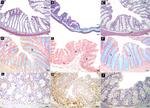
Therapeutic effect of gold nanoparticles on DSS-induced ulcerative colitis in mice with reference to interleukin-17 expression.
Scientific reports
Abdelmegid AM,Abdo FK,Ahmed FE,Kattaia AAA
Published figure using IL-17A monoclonal antibody (Product # 53-7177-81) in Immunohistochemistry
Mon Jul 15 00:00:00 EDT 2019
Commensals Suppress Intestinal Epithelial Cell Retinoic Acid Synthesis to Regulate Interleukin-22 Activity and Prevent Microbial Dysbiosis.
Immunity
Grizotte-Lake M,Zhong G,Duncan K,Kirkwood J,Iyer N,Smolenski I,Isoherranen N,Vaishnava S
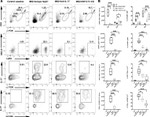
53-7177 was used in Flow cytometry/Cell sorting to define a regulatory circuit wherein bacterial regulation of IEC-intrinsic RA synthesis protects microbial communities in the gut from excessive immune activity, achieving a balance that prevents colonization by enteric pathogens.
Tue Dec 18 00:00:00 EST 2018
Bryostatin-1 alleviates experimental multiple sclerosis.
Proceedings of the National Academy of Sciences of the United States of America
Kornberg MD,Smith MD,Shirazi HA,Calabresi PA,Snyder SH,Kim PM
Published figure using IL-17A monoclonal antibody (Product # 53-7177-81) in Flow Cytometry
Tue Feb 27 00:00:00 EST 2018
RKIP mediates autoimmune inflammation by positively regulating IL-17R signaling.
EMBO reports
Lin W,Wang N,Zhou K,Su F,Jiang Y,Shou J,Liu H,Ma C,Qian Y,Wang K,Wang X
Published figure using IL-17A monoclonal antibody (Product # 53-7177-81) in Flow Cytometry
Fri Jun 01 00:00:00 EDT 2018
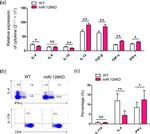
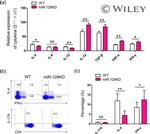
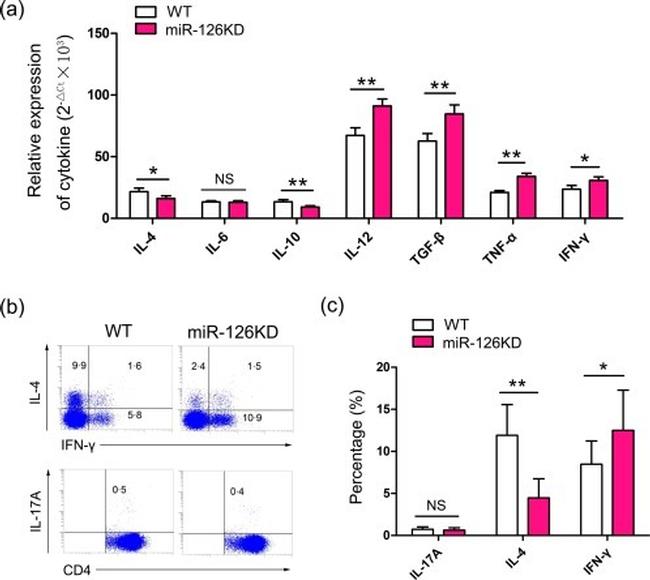
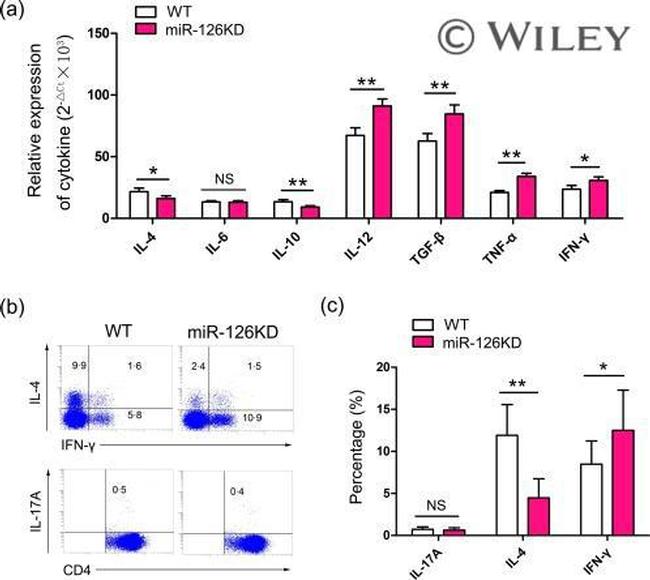
MicroRNA-126 deficiency enhanced the activation and function of CD4+ T cells by elevating IRS-1 pathway.
Clinical and experimental immunology
Chu F,Hu Y,Zhou Y,Guo M,Lu J,Zheng W,Xu H,Zhao J,Xu L
Published figure using IL-17A monoclonal antibody (Product # 53-7177-81) in Flow Cytometry
Thu Feb 01 00:00:00 EST 2018
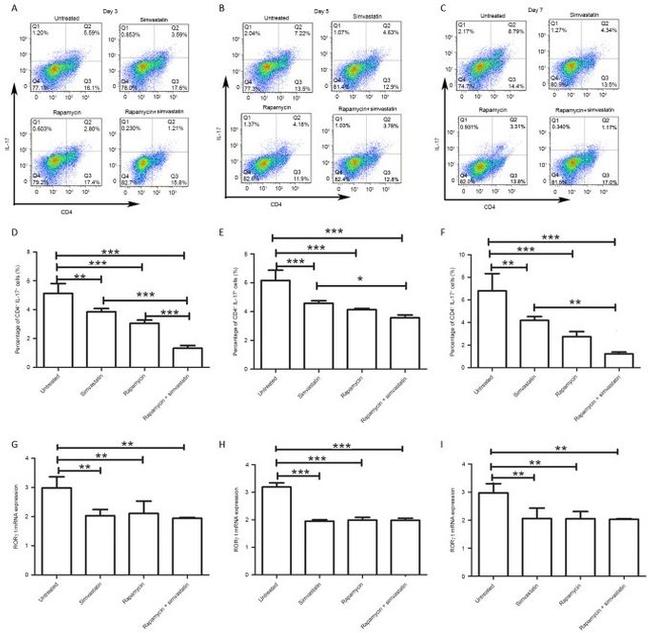
Combined treatment with simvastatin and rapamycin attenuates cardiac allograft rejection through the regulation of T helper 17 and regulatory T cells.
Experimental and therapeutic medicine
Liu Y,Sun L,Chen W,Chuai J,Shang Y,Zhang D,Fu B,Tian H,Jiang S
Published figure using IL-17A monoclonal antibody (Product # 53-7177-81) in Flow Cytometry
Thu Feb 01 00:00:00 EST 2018
Baicalin Downregulates RLRs Signaling Pathway to Control Influenza A Virus Infection and Improve the Prognosis.
Evidence-based complementary and alternative medicine : eCAM
Pang P,Zheng K,Wu S,Xu H,Deng L,Shi Y,Chen X
Published figure using IL-17A monoclonal antibody (Product # 53-7177-81) in Flow Cytometry
Thu Oct 01 00:00:00 EDT 2020
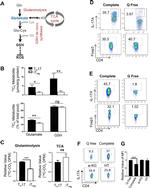
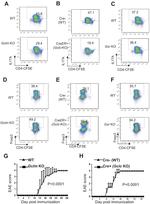
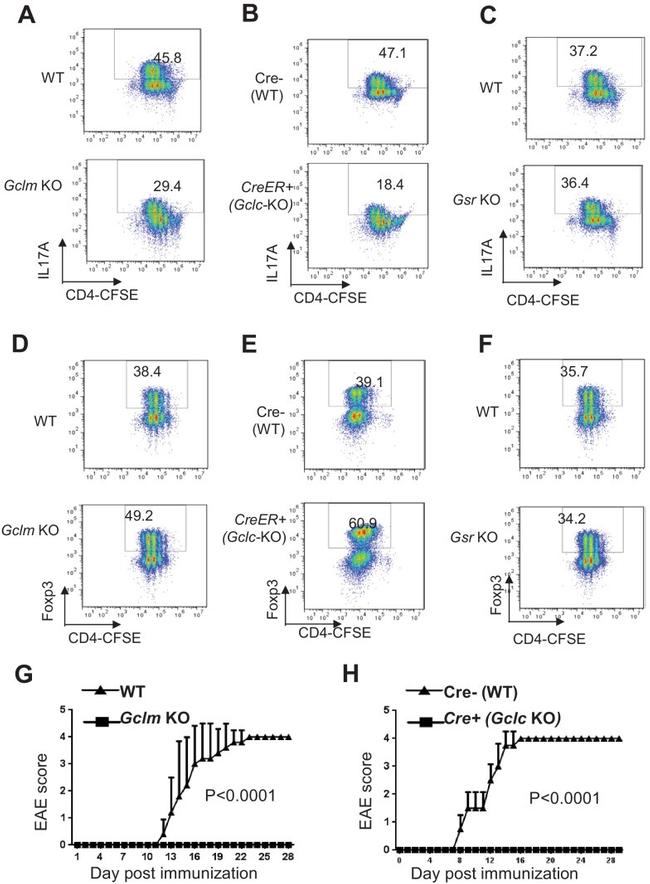
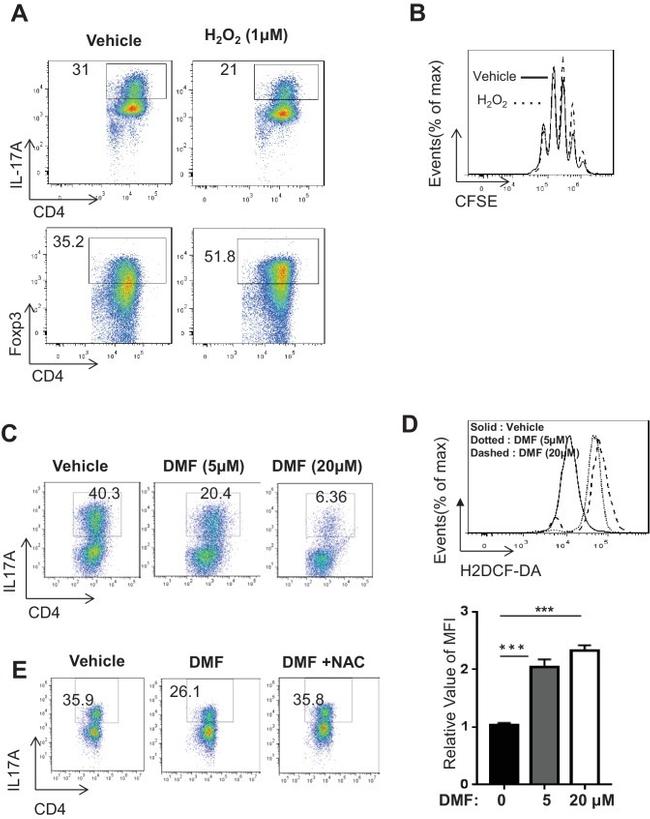
Glutathione de novo synthesis but not recycling process coordinates with glutamine catabolism to control redox homeostasis and directs murine T cell differentiation.
eLife
Lian G,Gnanaprakasam JR,Wang T,Wu R,Chen X,Liu L,Shen Y,Yang M,Yang J,Chen Y,Vasiliou V,Cassel TA,Green DR,Liu Y,Fan TW,Wang R
Published figure using IL-17A monoclonal antibody (Product # 53-7177-81) in Flow Cytometry
Mon Sep 10 00:00:00 EDT 2018
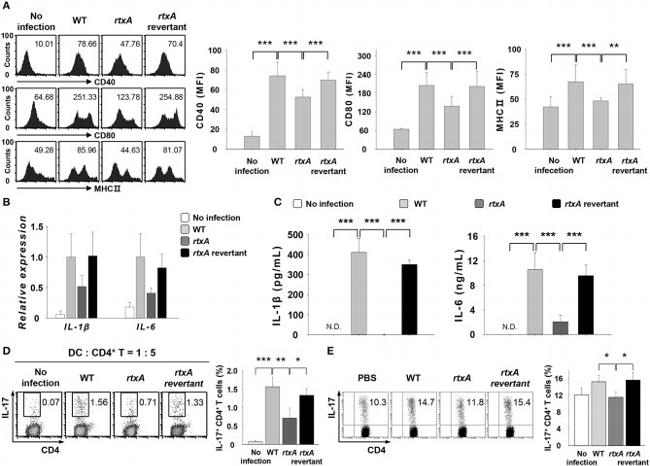
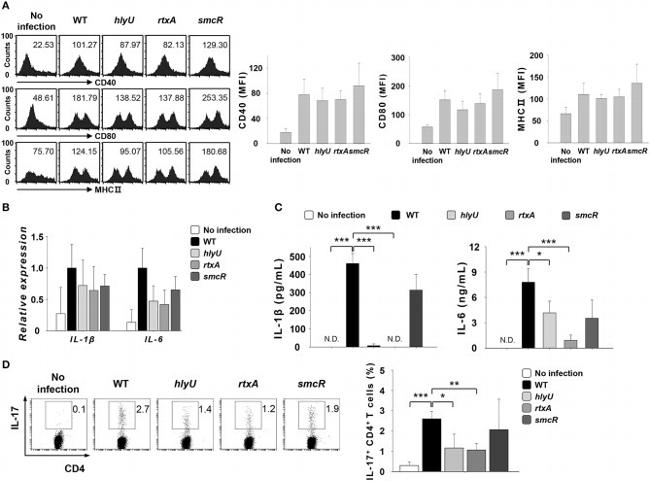
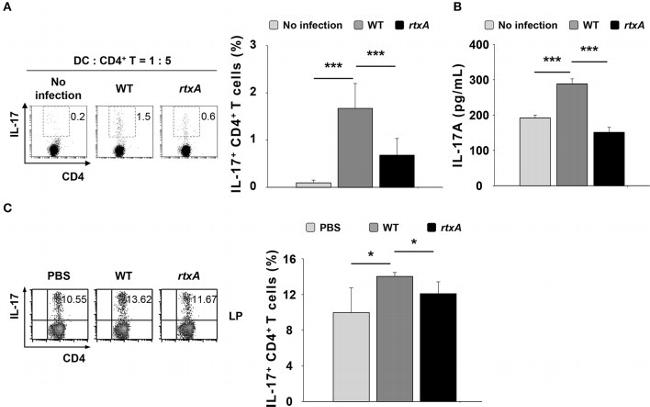
Vibrio vulnificus RtxA Is a Major Factor Driving Inflammatory T Helper Type 17 Cell Responses in vitro and in vivo.
Frontiers in immunology
Lee A,Kim MS,Cho D,Jang KK,Choi SH,Kim TS
Published figure using IL-17A monoclonal antibody (Product # 53-7177-81) in Flow Cytometry
Mon Sep 30 00:00:00 EDT 2019
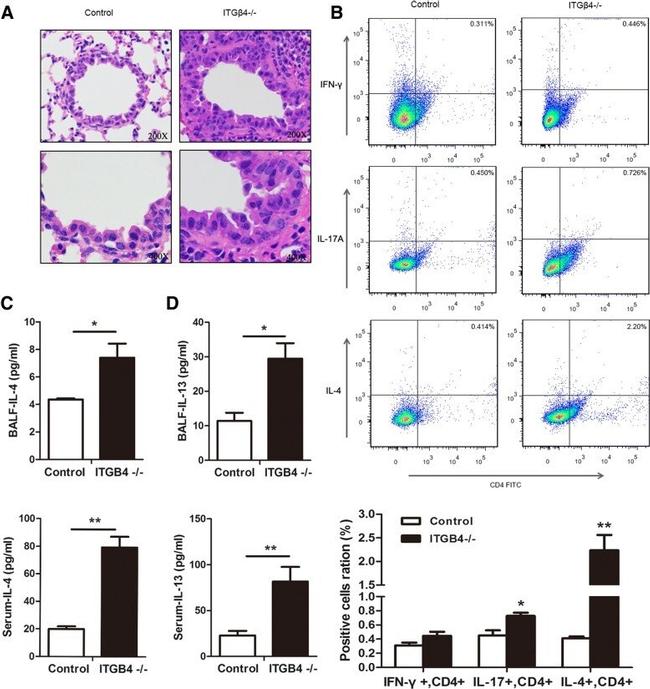
ITGB4 deficiency in bronchial epithelial cells directs airway inflammation and bipolar disorder-related behavior.
Journal of neuroinflammation
Han L,Wang L,Tang S,Yuan L,Wu S,Du X,Xiang Y,Qu X,Liu H,Luo H,Qin X,Liu C
Published figure using IL-17A monoclonal antibody (Product # 53-7177-81) in Flow Cytometry
Fri Aug 31 00:00:00 EDT 2018
Peroxisomal β-oxidation regulates whole body metabolism, inflammatory vigor, and pathogenesis of nonalcoholic fatty liver disease.
JCI insight
Moreno-Fernandez ME,Giles DA,Stankiewicz TE,Sheridan R,Karns R,Cappelletti M,Lampe K,Mukherjee R,Sina C,Sallese A,Bridges JP,Hogan SP,Aronow BJ,Hoebe K,Divanovic S
Published figure using IL-17A monoclonal antibody (Product # 53-7177-81) in ELISA
Thu Mar 22 00:00:00 EDT 2018
Epigenetic control of IL-23 expression in keratinocytes is important for chronic skin inflammation.
Nature communications
Li H,Yao Q,Mariscal AG,Wu X,Hülse J,Pedersen E,Helin K,Waisman A,Vinkel C,Thomsen SF,Avgustinova A,Benitah SA,Lovato P,Norsgaard H,Mortensen MS,Veng L,Rozell B,Brakebusch C
Published figure using IL-17A monoclonal antibody (Product # 53-7177-81) in Flow Cytometry
Thu Apr 12 00:00:00 EDT 2018
Maternal gut bacteria promote neurodevelopmental abnormalities in mouse offspring.
Nature
Kim S,Kim H,Yim YS,Ha S,Atarashi K,Tan TG,Longman RS,Honda K,Littman DR,Choi GB,Huh JR
Published figure using IL-17A monoclonal antibody (Product # 53-7177-81) in Flow Cytometry
Thu Sep 28 00:00:00 EDT 2017
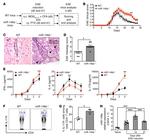
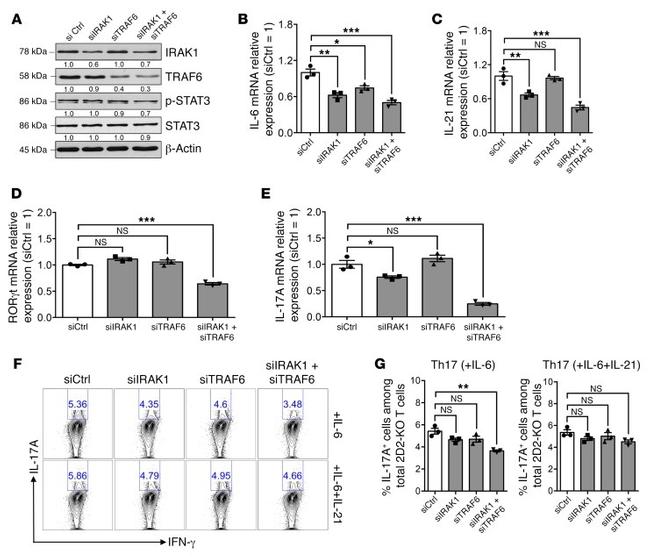
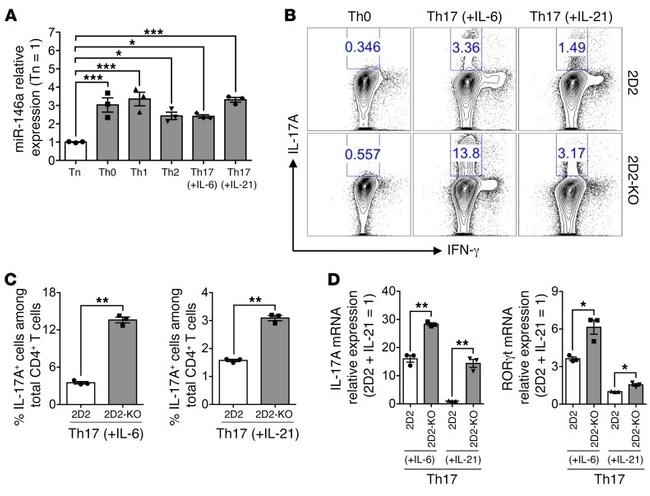
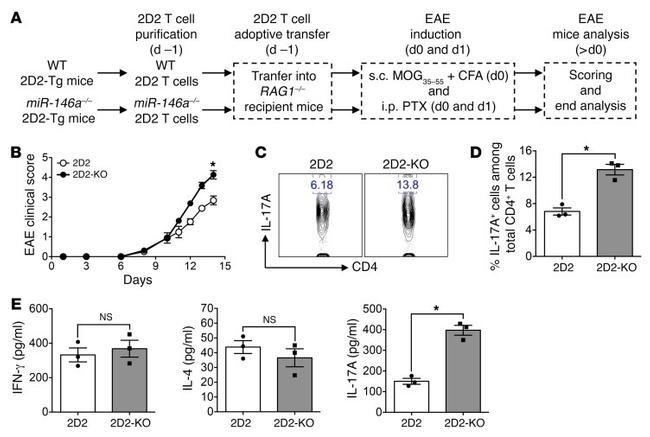
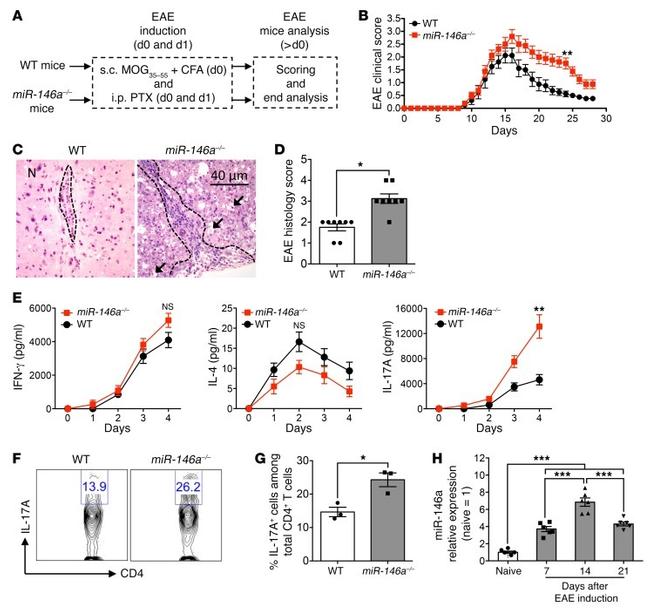
miR-146a modulates autoreactive Th17 cell differentiation and regulates organ-specific autoimmunity.
The Journal of clinical investigation
Li B,Wang X,Choi IY,Wang YC,Liu S,Pham AT,Moon H,Smith DJ,Rao DS,Boldin MP,Yang L
Published figure using IL-17A monoclonal antibody (Product # 53-7177-81) in Flow Cytometry
Mon Oct 02 00:00:00 EDT 2017
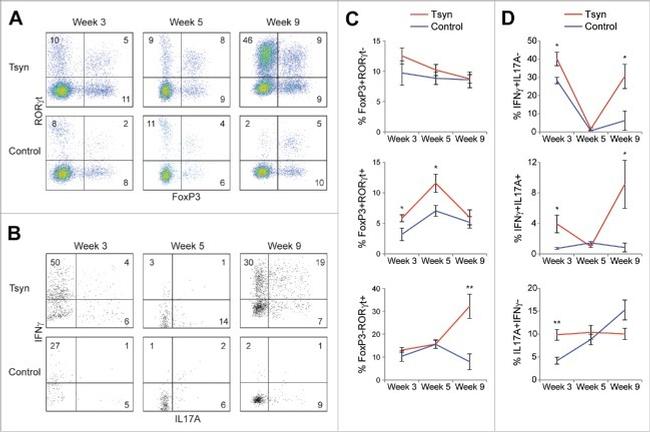
Microbial, metabolomic, and immunologic dynamics in a relapsing genetic mouse model of colitis induced by T-synthase deficiency.
Gut microbes
Jacobs JP,Lin L,Goudarzi M,Ruegger P,McGovern DP,Fornace AJ,Borneman J,Xia L,Braun J
Published figure using IL-17A monoclonal antibody (Product # 53-7177-81) in Flow Cytometry
Mon Jan 02 00:00:00 EST 2017
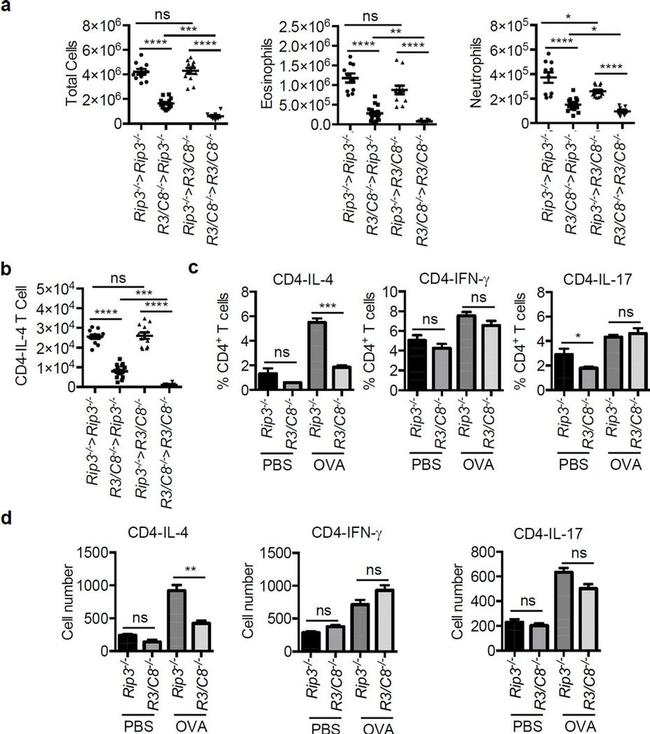
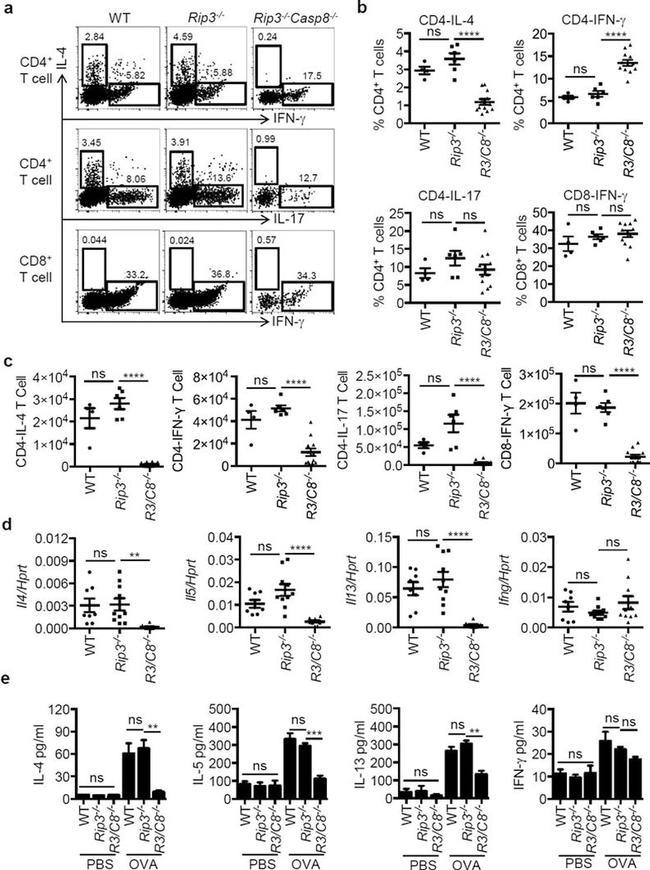
Critical role of caspase-8-mediated IL-1 signaling in promoting Th2 responses during asthma pathogenesis.
Mucosal immunology
Qi X,Gurung P,Malireddi RK,Karmaus PW,Sharma D,Vogel P,Chi H,Green DR,Kanneganti TD
Published figure using IL-17A monoclonal antibody (Product # 53-7177-81) in Flow Cytometry
Sun Jan 01 00:00:00 EST 2017
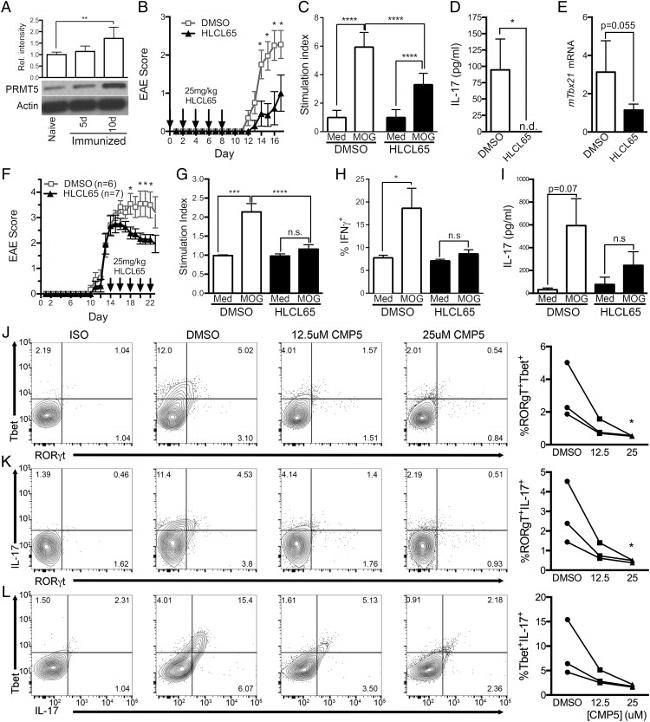
PRMT5-Selective Inhibitors Suppress Inflammatory T Cell Responses and Experimental Autoimmune Encephalomyelitis.
Journal of immunology (Baltimore, Md. : 1950)
Webb LM,Amici SA,Jablonski KA,Savardekar H,Panfil AR,Li L,Zhou W,Peine K,Karkhanis V,Bachelder EM,Ainslie KM,Green PL,Li C,Baiocchi RA,Guerau-de-Arellano M
Published figure using IL-17A monoclonal antibody (Product # 53-7177-81) in ELISA
Wed Feb 15 00:00:00 EST 2017
PRMT5-Selective Inhibitors Suppress Inflammatory T Cell Responses and Experimental Autoimmune Encephalomyelitis.
Journal of immunology (Baltimore, Md. : 1950)
Webb LM,Amici SA,Jablonski KA,Savardekar H,Panfil AR,Li L,Zhou W,Peine K,Karkhanis V,Bachelder EM,Ainslie KM,Green PL,Li C,Baiocchi RA,Guerau-de-Arellano M
Published figure using IL-17A monoclonal antibody (Product # 53-7177-81) in ELISA
Wed Feb 15 00:00:00 EST 2017
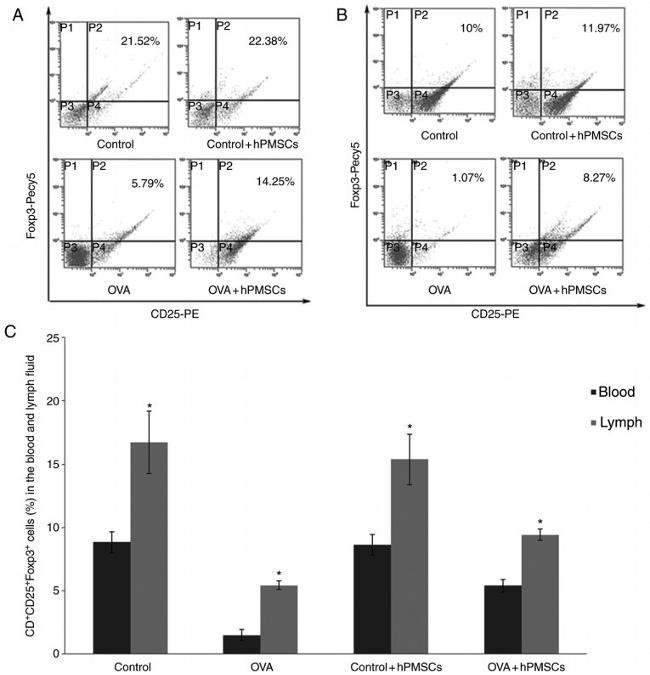
Placenta‑derived mesenchymal stem cells improve airway hyperresponsiveness and inflammation in asthmatic rats by modulating the Th17/Treg balance.
Molecular medicine reports
Li Y,Li H,Cao Y,Wu F,Ma W,Wang Y,Sun S
Published figure using IL-17A monoclonal antibody (Product # 53-7177-81) in Flow Cytometry
Fri Dec 01 00:00:00 EST 2017
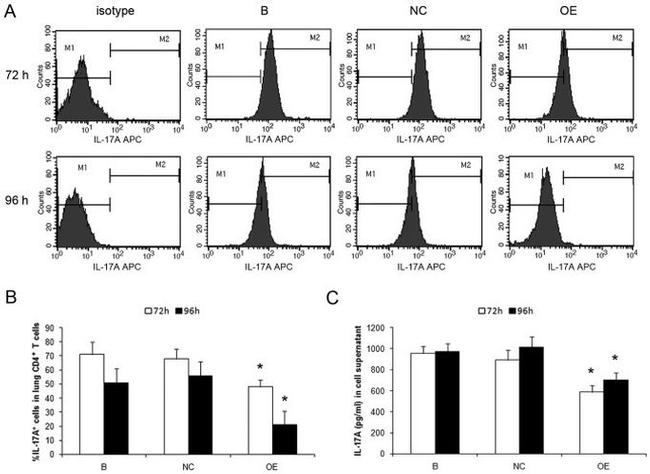
Upregulation of SOCS3 in lung CD4+ T cells in a mouse model of chronic PA lung infection and suppression of Th17‑mediated neutrophil recruitment in exogenous SOCS3 transfer in vitro.
Molecular medicine reports
Ding FM,Liao RM,Chen YQ,Xie GG,Zhang PY,Shao P,Zhang M
Published figure using IL-17A monoclonal antibody (Product # 53-7177-81) in Flow Cytometry
Sat Jul 01 00:00:00 EDT 2017
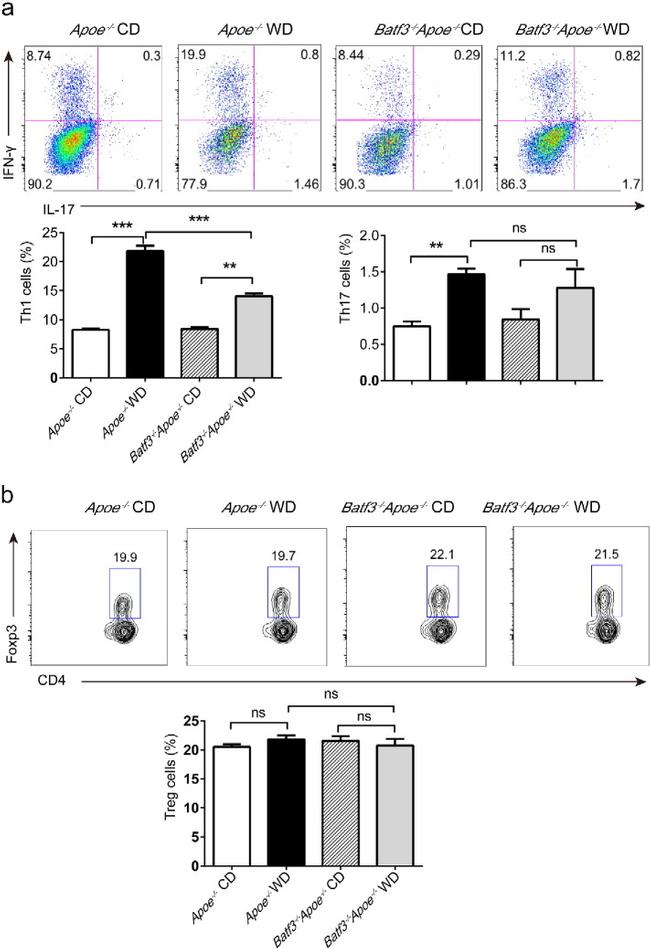
Batf3-dependent CD8α+ Dendritic Cells Aggravates Atherosclerosis via Th1 Cell Induction and Enhanced CCL5 Expression in Plaque Macrophages.
EBioMedicine
Li Y,Liu X,Duan W,Tian H,Zhu G,He H,Yao S,Yi S,Song W,Tang H
Published figure using IL-17A monoclonal antibody (Product # 53-7177-81) in Flow Cytometry
Sat Apr 01 00:00:00 EDT 2017
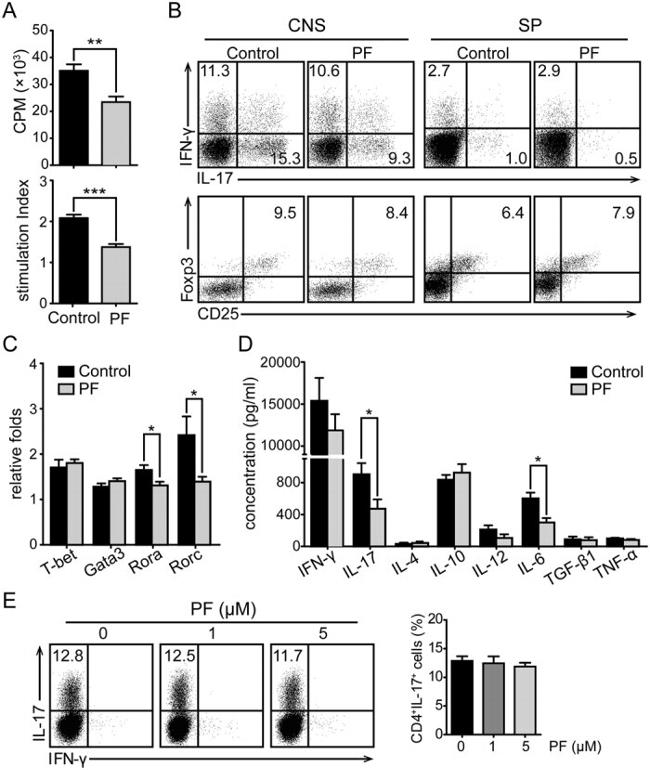
Paeoniflorin Ameliorates Experimental Autoimmune Encephalomyelitis via Inhibition of Dendritic Cell Function and Th17 Cell Differentiation.
Scientific reports
Zhang H,Qi Y,Yuan Y,Cai L,Xu H,Zhang L,Su B,Nie H
Published figure using IL-17A monoclonal antibody (Product # 53-7177-81) in Flow Cytometry
Mon Feb 06 00:00:00 EST 2017
Microsomal Prostaglandin E Synthase-1 Facilitates an Intercellular Interaction between CD4⁺ T Cells through IL-1β Autocrine Function in Experimental Autoimmune Encephalomyelitis.
International journal of molecular sciences
Takemiya T,Takeuchi C,Kawakami M
Published figure using IL-17A monoclonal antibody (Product # 53-7177-81) in Immunohistochemistry
Tue Dec 19 00:00:00 EST 2017
Microsomal Prostaglandin E Synthase-1 Facilitates an Intercellular Interaction between CD4⁺ T Cells through IL-1β Autocrine Function in Experimental Autoimmune Encephalomyelitis.
International journal of molecular sciences
Takemiya T,Takeuchi C,Kawakami M
Published figure using IL-17A monoclonal antibody (Product # 53-7177-81) in Immunohistochemistry
Tue Dec 19 00:00:00 EST 2017
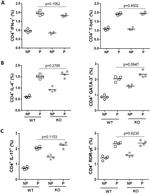
Essential role for CCR6 in certain inflammatory diseases demonstrated using specific antagonist and knockin mice.
JCI insight
Robert R,Ang C,Sun G,Juglair L,Lim EX,Mason LJ,Payne NL,Bernard CC,Mackay CR
Published figure using IL-17A monoclonal antibody (Product # 53-7177-81) in Flow Cytometry
Thu Aug 03 00:00:00 EDT 2017
Traditional Herbal Medicine-Derived Sulforaphene LFS-01 Reverses Colitis in Mice by Selectively Altering the Gut Microbiota and Promoting Intestinal Gamma-Delta T Cells.
Frontiers in pharmacology
Li M,Gao J,Tang Y,Liu M,Wu S,Qu K,Long X,Li H,Liu M,Liu Y,Yuan J,Mao L,Liu Y,Zheng X,Wang E,Wang J,Yang Y
Published figure using IL-17A monoclonal antibody (Product # 53-7177-81) in Flow Cytometry
Wed Sep 30 00:00:00 EDT 2020
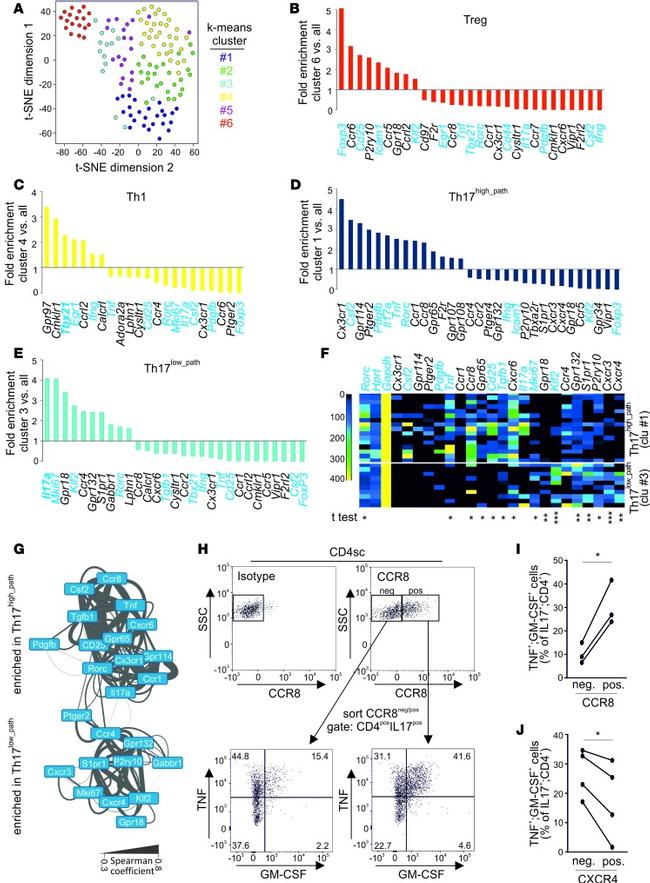
Single-cell profiling reveals GPCR heterogeneity and functional patterning during neuroinflammation.
JCI insight
Tischner D,Grimm M,Kaur H,Staudenraus D,Carvalho J,Looso M,Günther S,Wanke F,Moos S,Siller N,Breuer J,Schwab N,Zipp F,Waisman A,Kurschus FC,Offermanns S,Wettschureck N
Published figure using IL-17A monoclonal antibody (Product # 53-7177-81) in Flow Cytometry
Thu Aug 03 00:00:00 EDT 2017
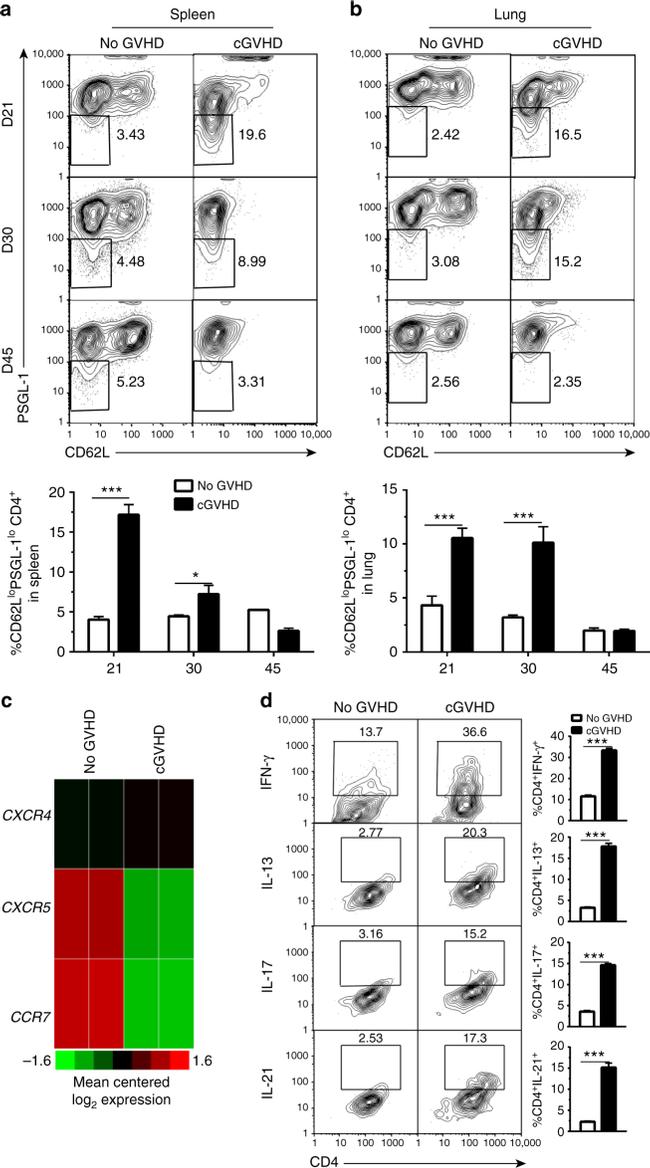
Extrafollicular CD4+ T-B interactions are sufficient for inducing autoimmune-like chronic graft-versus-host disease.
Nature communications
Deng R,Hurtz C,Song Q,Yue C,Xiao G,Yu H,Wu X,Muschen M,Forman S,Martin PJ,Zeng D
Published figure using IL-17A monoclonal antibody (Product # 53-7177-81) in Flow Cytometry
Tue Oct 17 00:00:00 EDT 2017
Host-Protozoan Interactions Protect from Mucosal Infections through Activation of the Inflammasome.
Cell
Chudnovskiy A,Mortha A,Kana V,Kennard A,Ramirez JD,Rahman A,Remark R,Mogno I,Ng R,Gnjatic S,Amir ED,Solovyov A,Greenbaum B,Clemente J,Faith J,Belkaid Y,Grigg ME,Merad M
Published figure using IL-17A monoclonal antibody (Product # 53-7177-81) in Flow Cytometry
Thu Oct 06 00:00:00 EDT 2016
Oligodendrocyte death results in immune-mediated CNS demyelination.
Nature neuroscience
Traka M,Podojil JR,McCarthy DP,Miller SD,Popko B
Published figure using IL-17A monoclonal antibody (Product # 53-7177-81) in Flow Cytometry
Fri Jan 01 00:00:00 EST 2016
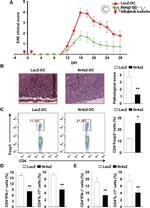
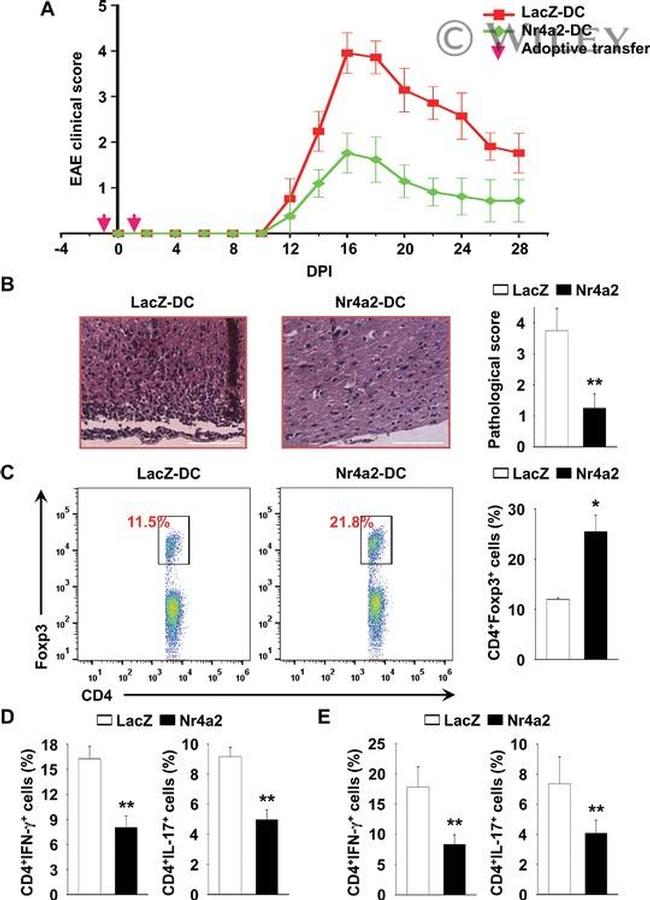
Nuclear receptor expression atlas in BMDCs: Nr4a2 restricts immunogenicity of BMDCs and impedes EAE.
European journal of immunology
Saini A,Mahajan S,Gupta P
Published figure using IL-17A monoclonal antibody (Product # 53-7177-81) in Flow Cytometry
Mon Aug 01 00:00:00 EDT 2016
p(⁷⁰S⁶K¹) in the TORC1 pathway is essential for the differentiation of Th17 Cells, but not Th1, Th2, or Treg cells in mice.
European journal of immunology
Sasaki CY,Chen G,Munk R,Eitan E,Martindale J,Longo DL,Ghosh P
Published figure using IL-17A monoclonal antibody (Product # 53-7177-81) in Flow Cytometry
Fri Jan 01 00:00:00 EST 2016
Rapamycin ameliorates CCl4-induced liver fibrosis in mice through reciprocal regulation of the Th17/Treg cell balance.
Molecular medicine reports
Gu L,Deng WS,Sun XF,Zhou H,Xu Q
Published figure using IL-17A monoclonal antibody (Product # 53-7177-81) in Flow Cytometry
Mon Aug 01 00:00:00 EDT 2016
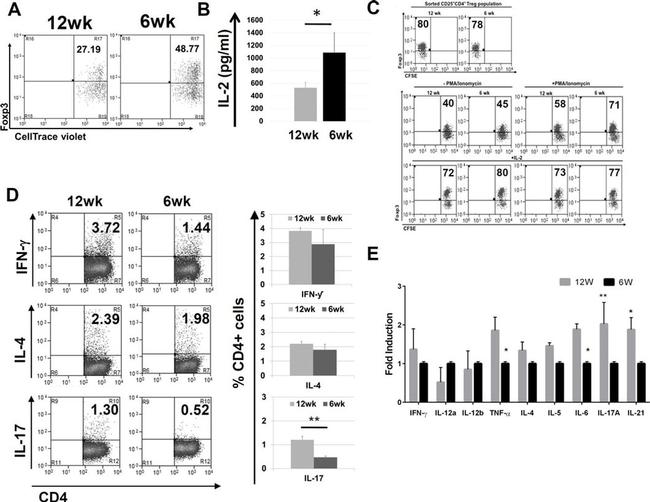
Age-dependent divergent effects of OX40L treatment on the development of diabetes in NOD mice.
Autoimmunity
Haddad CS,Bhattacharya P,Alharshawi K,Marinelarena A,Kumar P,El-Sayed O,Elshabrawy HA,Epstein AL,Prabhakar BS
Published figure using IL-17A monoclonal antibody (Product # 53-7177-81) in Flow Cytometry
Mon Aug 01 00:00:00 EDT 2016
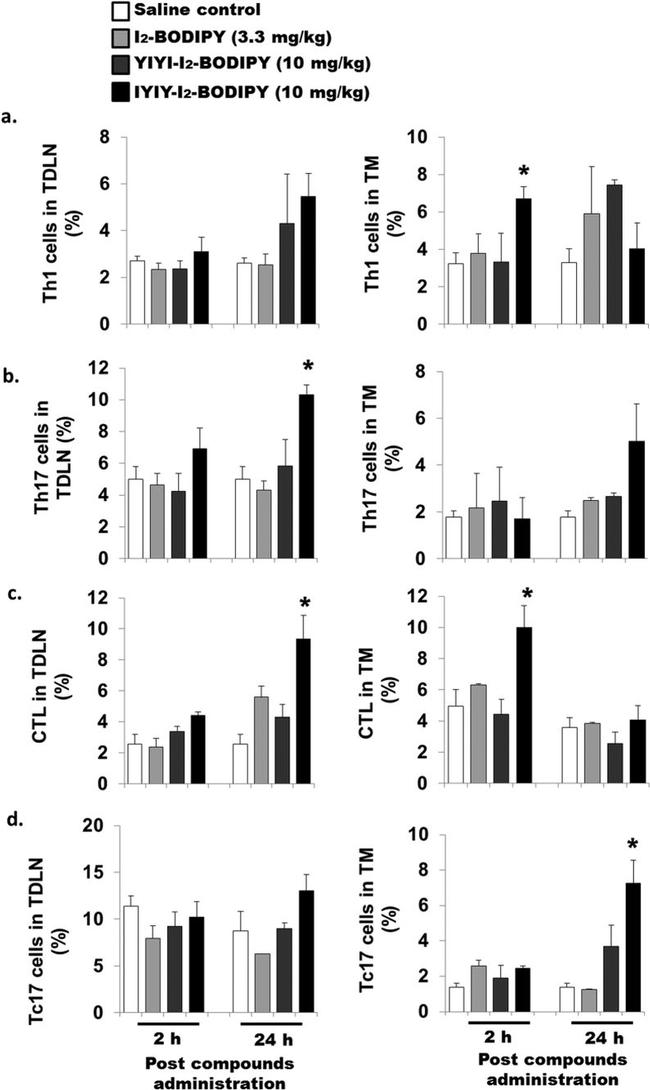
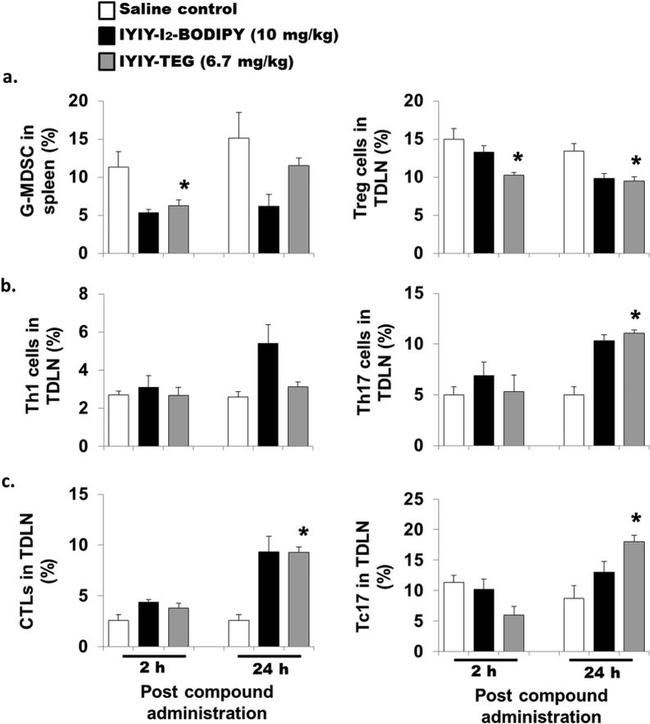
Tropomyosin Receptor Kinase C Targeted Delivery of a Peptidomimetic Ligand-Photosensitizer Conjugate Induces Antitumor Immune Responses Following Photodynamic Therapy.
Scientific reports
Kue CS,Kamkaew A,Voon SH,Kiew LV,Chung LY,Burgess K,Lee HB
Published figure using IL-17A monoclonal antibody (Product # 53-7177-81) in Flow Cytometry
Thu Nov 17 00:00:00 EST 2016
Cyclosporine A immunosuppression drives catastrophic squamous cell carcinoma through IL-22.
JCI insight
Abikhair M,Mitsui H,Yanofsky V,Roudiani N,Ovits C,Bryan T,Oberyszyn TM,Tober KL,Gonzalez J,Krueger JG,Felsen D,Carucci JA
53-7177 was used in Flow cytometry/Cell sorting to study how blockade of the IL-22 axis may be developed as a viable therapeutic option for catastrophic SCC.
Thu Jun 02 00:00:00 EDT 2016
Induced Treg Cells Augment the Th17-Mediated Intestinal Inflammatory Response in a CTLA4-Dependent Manner.
PloS one
Watanabe N,Kaminuma O,Kitamura N,Hiroi T
53-7177 was used in Flow cytometry/Cell sorting to study whether Th17 and Tregs that promote and suppress inflammatory responses, respectively, work with or against each other in immune reactions, showing that cotransfer of Th17 and induced Tregs led to increased inflammation, and blockage of CTLA4 led to abrogation of this effect.
Mon Aug 01 00:00:00 EDT 2016
Tamm-Horsfall Protein Regulates Granulopoiesis and Systemic Neutrophil Homeostasis.
Journal of the American Society of Nephrology : JASN
Micanovic R,Chitteti BR,Dagher PC,Srour EF,Khan S,Hato T,Lyle A,Tong Y,Wu XR,El-Achkar TM
Published figure using IL-17A monoclonal antibody (Product # 53-7177-81) in Flow Cytometry
Tue Sep 01 00:00:00 EDT 2015
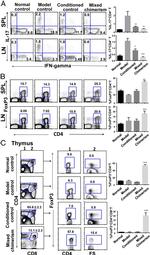
MHC-mismatched mixed chimerism augments thymic regulatory T-cell production and prevents relapse of EAE in mice.
Proceedings of the National Academy of Sciences of the United States of America
Wu L,Li N,Zhang M,Xue SL,Cassady K,Lin Q,Riggs AD,Zeng D
Published figure using IL-17A monoclonal antibody (Product # 53-7177-81) in Flow Cytometry
Tue Dec 29 00:00:00 EST 2015
Unexpected Role for Adaptive αβTh17 Cells in Acute Respiratory Distress Syndrome.
Journal of immunology (Baltimore, Md. : 1950)
Li JT,Melton AC,Su G,Hamm DE,LaFemina M,Howard J,Fang X,Bhat S,Huynh KM,O'Kane CM,Ingram RJ,Muir RR,McAuley DF,Matthay MA,Sheppard D
Published figure using IL-17A monoclonal antibody (Product # 53-7177-81) in Flow Cytometry
Wed Jul 01 00:00:00 EDT 2015
Interleukin-25 Mediates Transcriptional Control of PD-L1 via STAT3 in Multipotent Human Mesenchymal Stromal Cells (hMSCs) to Suppress Th17 Responses.
Stem cell reports
Wang WB,Yen ML,Liu KJ,Hsu PJ,Lin MH,Chen PM,Sudhir PR,Chen CH,Chen CH,Sytwu HK,Yen BL
Published figure using IL-17A monoclonal antibody (Product # 53-7177-81) in Flow Cytometry
Tue Sep 08 00:00:00 EDT 2015
A Multiple Antigenic Peptide Mimicking Peptidoglycan Induced T Cell Responses to Protect Mice from Systemic Infection with Staphylococcus aureus.
PloS one
Wang XY,Huang ZX,Chen YG,Lu X,Zhu P,Wen K,Fu N,Liu BY
Published figure using IL-17A monoclonal antibody (Product # 53-7177-81) in Flow Cytometry
Tue May 24 00:00:00 EDT 2016
Upregulation of Programmed Death-1 and Its Ligand in Cardiac Injury Models: Interaction with GADD153.
PloS one
Baban B,Liu JY,Qin X,Weintraub NL,Mozaffari MS
Published figure using IL-17A monoclonal antibody (Product # 53-7177-81) in Flow Cytometry
Tue Apr 12 00:00:00 EDT 2016
A chitin-like component on sclerotic cells of Fonsecaea pedrosoi inhibits Dectin-1-mediated murine Th17 development by masking β-glucans.
PloS one
Dong B,Li D,Li R,Chen SC,Liu W,Liu W,Chen L,Chen Y,Zhang X,Tong Z,Xia Y,Xia P,Wang Y,Duan Y
Published figure using IL-17A monoclonal antibody (Product # 53-7177-81) in Flow Cytometry
Mon Sep 28 00:00:00 EDT 2015
R-phycoerythrin-conjugated antibodies are inappropriate for intracellular staining of murine plasma cells.
Cytometry. Part A : the journal of the International Society for Analytical Cytology
Kim MS,Kim TS
Published figure using IL-17A monoclonal antibody (Product # 53-7177-81) in Flow Cytometry
Wed May 01 00:00:00 EDT 2013
Interleukin-22 as a molecular adjuvant facilitates IL-17-producing CD8+ T cell responses against a HBV DNA vaccine in mice.
Human vaccines & immunotherapeutics
Wu B,Zou Q,Hu Y,Wang B
Published figure using IL-17A monoclonal antibody (Product # 53-7177-81) in Flow Cytometry
Tue Oct 01 00:00:00 EDT 2013
Halofuginone prevents estrogen-deficient osteoporosis in mice.
Journal of cellular biochemistry
Deselm CJ,Zou W,Teitelbaum SL
53-7177 was used in Flow cytometry/Cell sorting to report that the febrifugine derivative, halofuginone, a small molecule drug, reduces abundance of Th-17 cells in mice and prevents estrogen-deficient osteoporosis by diminishing bone resorption without impacting osteogenesis.
Mon Oct 01 00:00:00 EDT 2012
Soluble MOG35-55/I-A(b) dimers ameliorate experimental autoimmune encephalomyelitis by reducing encephalitogenic T cells.
PloS one
Gong Y,Wang Z,Liang Z,Duan H,Ouyang L,Yu Q,Xu Z,Shen G,Weng X,Wu X
Published figure using IL-17A monoclonal antibody (Product # 53-7177-81) in Flow Cytometry
Fri Jul 19 00:00:00 EDT 2013
Impact of dietary gluten on regulatory T cells and Th17 cells in BALB/c mice.
PloS one
Antvorskov JC,Fundova P,Buschard K,Funda DP
53-7177 was used in Flow cytometry/Cell sorting to study the effect of a gluten-free diet compared to a gluten-containing standard diet on selected T cell subsets in mice.
Mon Aug 20 00:00:00 EDT 2012
Epidermal ablation of Dlx3 is linked to IL-17-associated skin inflammation.
Proceedings of the National Academy of Sciences of the United States of America
Hwang J,Kita R,Kwon HS,Choi EH,Lee SH,Udey MC,Morasso MI
53-7177 was used in Flow cytometry/Cell sorting to investigate the role of Distal-less 3 (Dlx3) in cutaneous biology and pathophysiology, showing that ablation is linked to IL-17-associated skin inflammation.
Tue Jul 12 00:00:00 EDT 2011
Anti-IL-23 antibody blockade of IL-23/IL-17 pathway attenuates airway obliteration in rat orthotopic tracheal transplantation.
International immunopharmacology
Cao H,Lan Q,Shi Q,Zhou X,Liu G,Liu J,Tang G,Qiu C,Qiu C,Xu J,Fan H,Liu Z
Sun May 01 00:00:00 EDT 2011
Early MyD88-dependent induction of interleukin-17A expression during Salmonella colitis.
Infection and immunity
Keestra AM,Godinez I,Xavier MN,Winter MG,Winter SE,Tsolis RM,Bäumler AJ
53-7177 was used in Flow cytometry/Cell sorting to demonstrate that myeloid differentiation primary response protein 88-dependent mechanisms are important in initiating early inflammatory responses during Salmonella colitis.
Mon Aug 01 00:00:00 EDT 2011
Role of epithelial integrin-linked kinase in promoting intestinal inflammation: effects on CCL2, fibronectin and the T cell repertoire.
BMC immunology
Assi K,Patterson S,Dedhar S,Owen D,Levings M,Salh B
Published figure using IL-17A monoclonal antibody (Product # 53-7177-81) in Immunofluorescence
Mon Aug 01 00:00:00 EDT 2011
T cells from Programmed Death-1 deficient mice respond poorly to Mycobacterium tuberculosis infection.
PloS one
Tousif S,Singh Y,Prasad DV,Sharma P,Van Kaer L,Das G
Thu May 12 00:00:00 EDT 2011
IDO activates regulatory T cells and blocks their conversion into Th17-like T cells.
Journal of immunology (Baltimore, Md. : 1950)
Baban B,Chandler PR,Sharma MD,Pihkala J,Koni PA,Munn DH,Mellor AL
Published figure using IL-17A monoclonal antibody (Product # 53-7177-81) in Flow Cytometry
Sat Aug 15 00:00:00 EDT 2009
Early life exposure to lipopolysaccharide suppresses experimental autoimmune encephalomyelitis by promoting tolerogenic dendritic cells and regulatory T cells.
Journal of immunology (Baltimore, Md. : 1950)
Ellestad KK,Tsutsui S,Noorbakhsh F,Warren KG,Yong VW,Pittman QJ,Power C
Wed Jul 01 00:00:00 EDT 2009