Product References
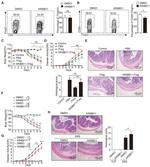
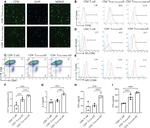
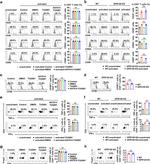
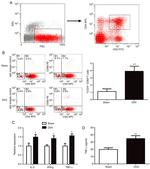
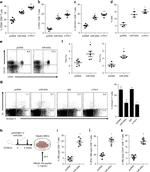
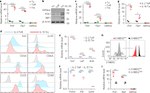
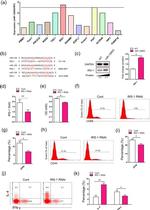
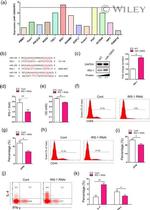
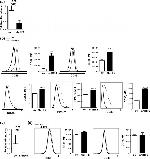
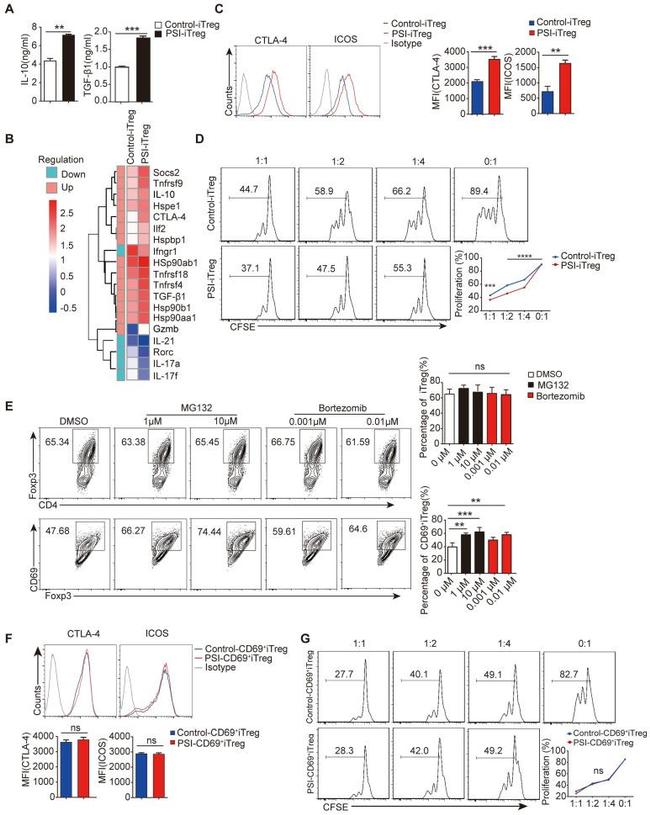
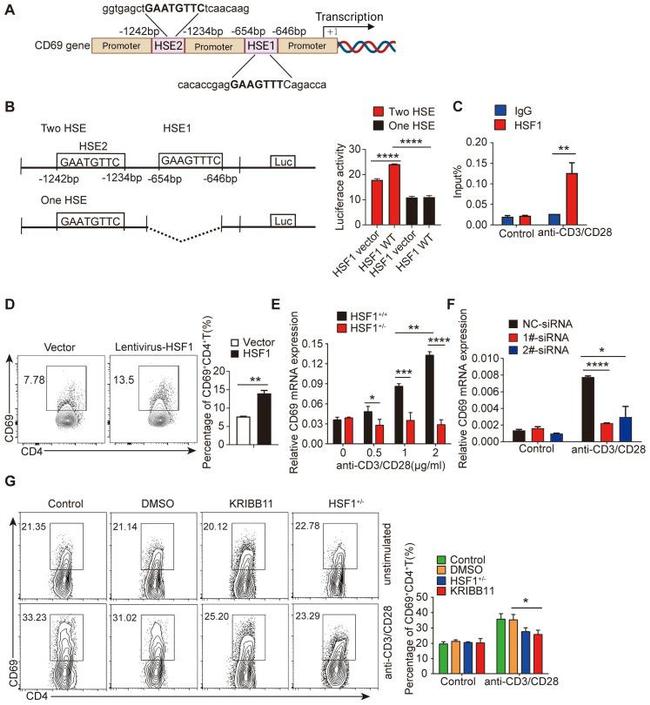
HSF1 promotes CD69+ Treg differentiation to inhibit colitis progression.
Theranostics
Yu L,Zhou B,Zhu Y,Li L,Zhong Y,Zhu L,Wang H,Chen H,Xu J,Guo T,Feng L,Wang X,Cai Z,Wang J,Jin H
Published figure using CD69 monoclonal antibody (Product # 12-0691-82) in Flow Cytometry
Tue Apr 18 00:00:00 EDT 2023
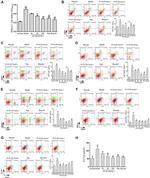
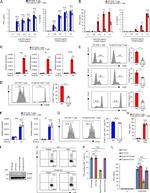
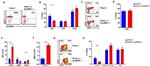
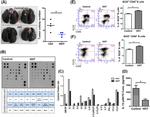
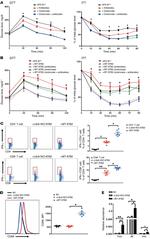
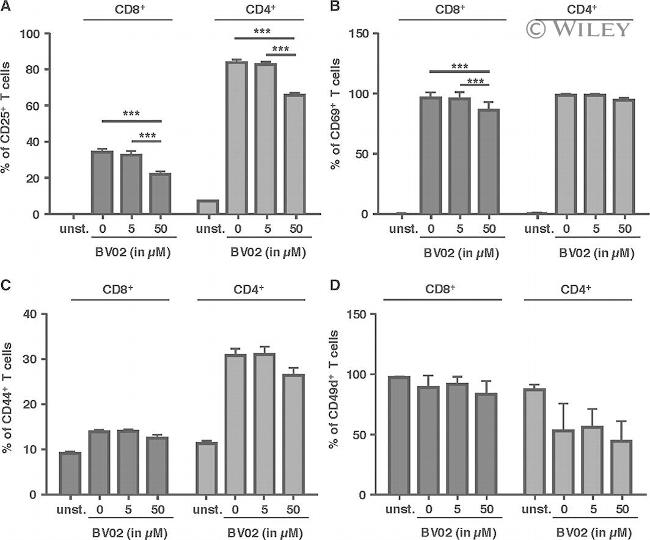
Novel Bruton's tyrosine kinase inhibitor TAS5315 suppresses the progression of inflammation and joint destruction in rodent collagen-induced arthritis.
PloS one
Akasaka D,Iguchi S,Kaneko R,Yoshiga Y,Kajiwara D,Nakachi Y,Noma N,Tanaka K,Shimizu A,Hosoi F
Published figure using CD69 monoclonal antibody (Product # 12-0691-82) in Flow Cytometry
Mon Feb 27 00:00:00 EST 2023
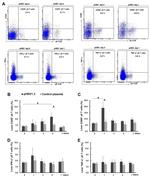
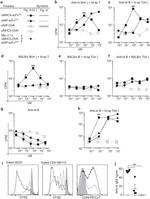
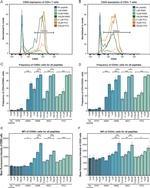
Intranasal Immunization With a c-di-GMP-Adjuvanted Acellular Pertussis Vaccine Provides Superior Immunity Against Bordetella pertussis in a Mouse Model.
Frontiers in immunology
Jiang W,Wang X,Su Y,Cai L,Li J,Liang J,Gu Q,Sun M,Shi L
Published figure using CD69 monoclonal antibody (Product # 12-0691-82) in Flow Cytometry
Tue May 03 00:00:00 EDT 2022
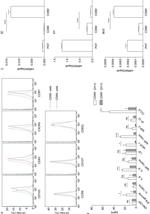
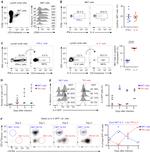
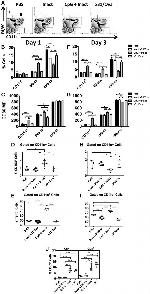
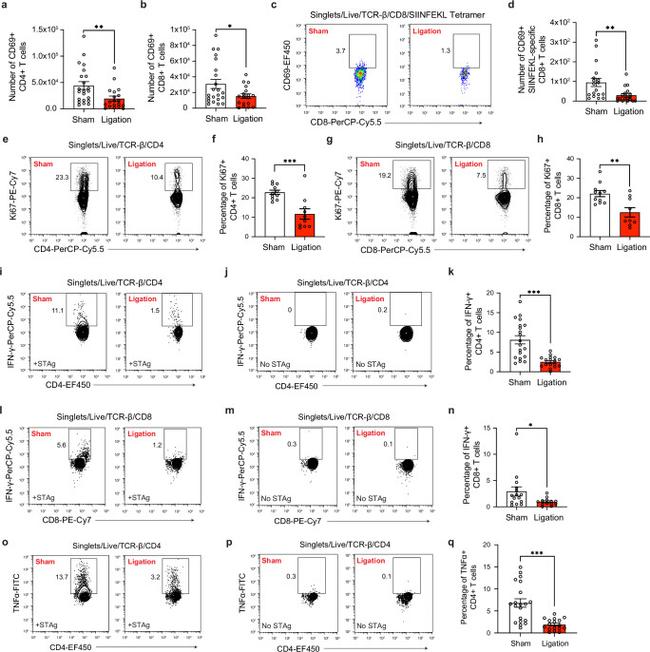
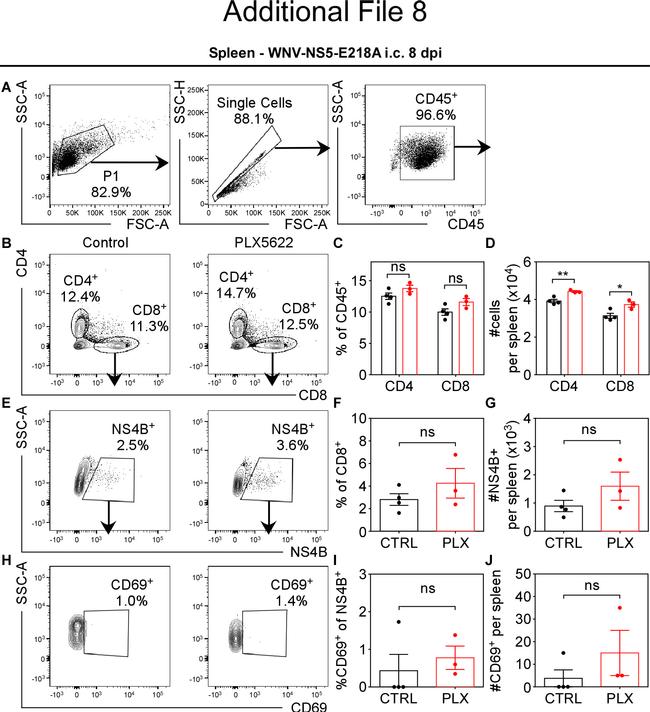
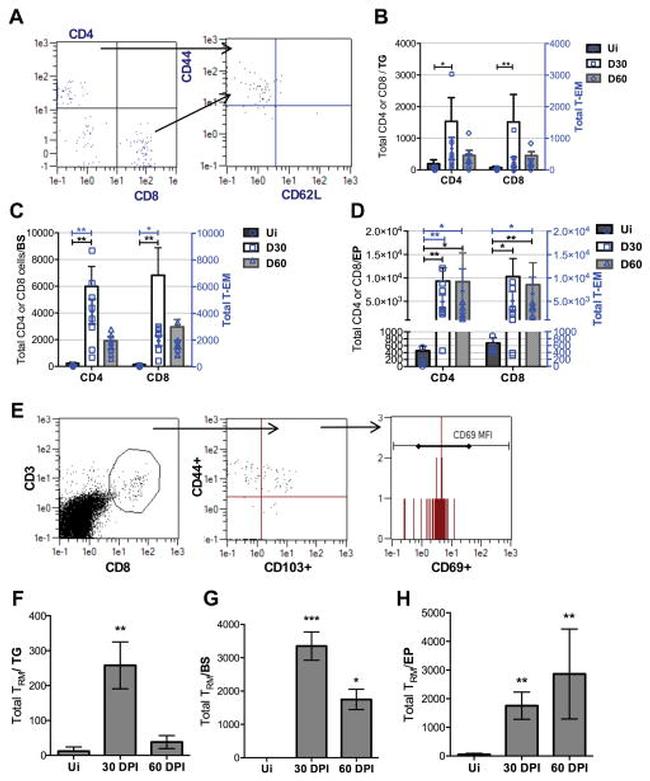
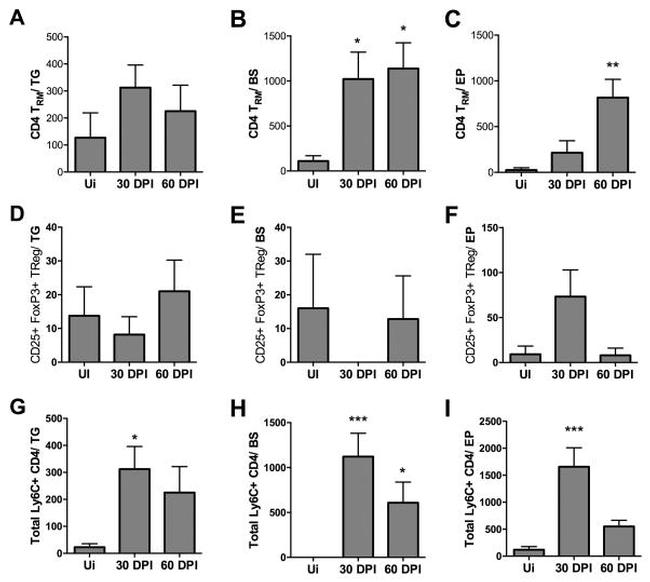
Meningeal lymphatic drainage promotes T cell responses against Toxoplasma gondii but is dispensable for parasite control in the brain.
eLife
Kovacs MA,Cowan MN,Babcock IW,Sibley LA,Still K,Batista SJ,Labuzan SA,Sethi I,Harris TH
Published figure using CD69 monoclonal antibody (Product # 12-0691-82) in Flow Cytometry
Wed Dec 21 00:00:00 EST 2022
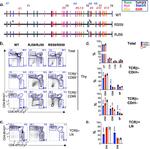
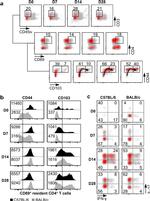
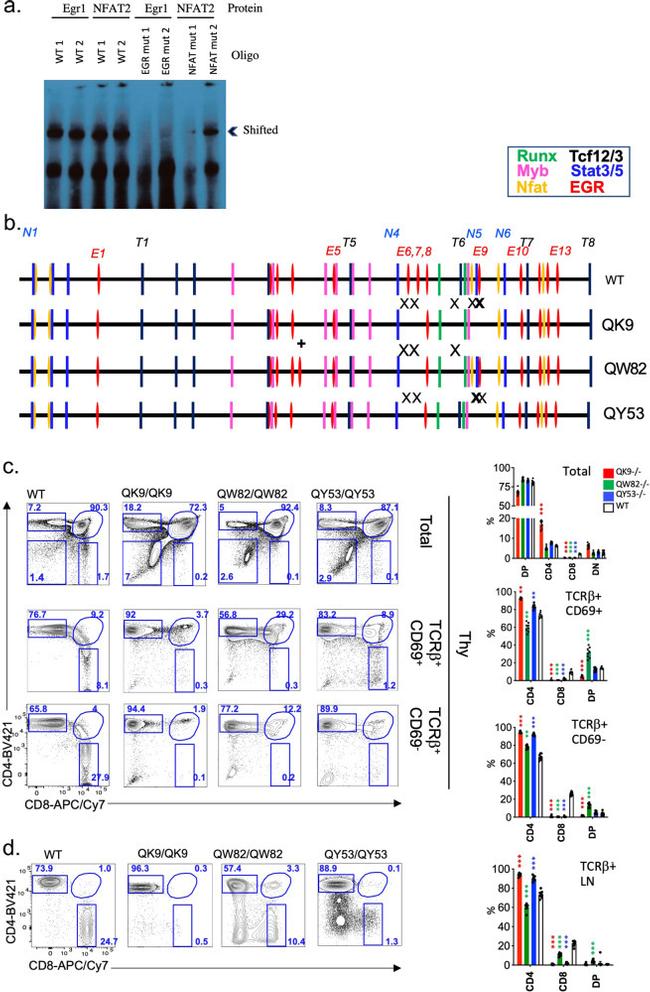
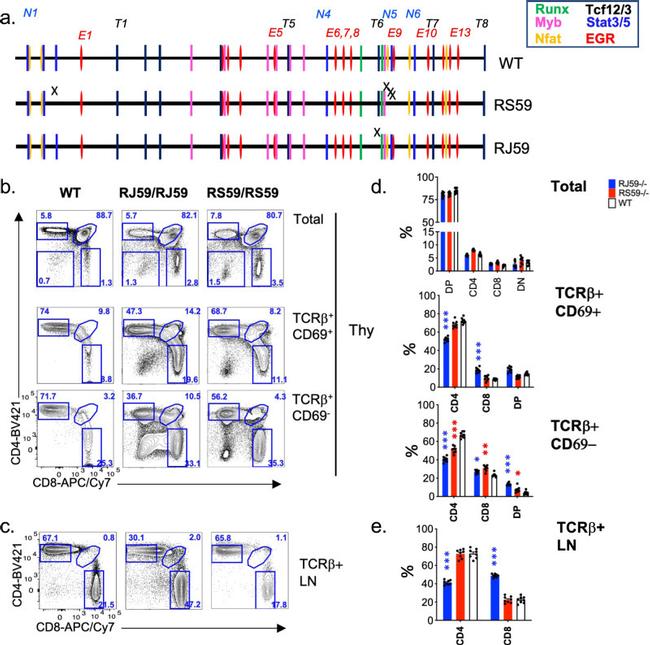
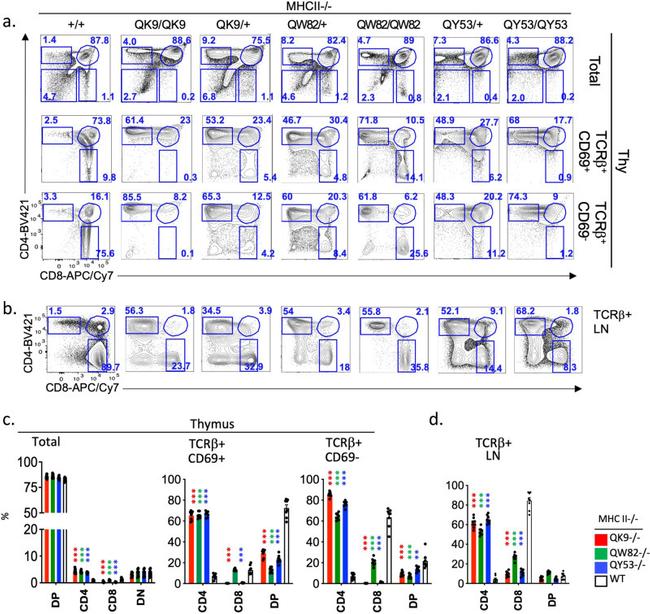
An autonomous TCR signal-sensing switch influences CD4/CD8 lineage choice in mice.
Communications biology
Basu J,Zha J,Nicolas E,Coulton M,Czyzewicz P,Hua X,Ge L,Kappes DJ
Published figure using CD69 monoclonal antibody (Product # 12-0691-82) in Flow Cytometry
Fri Jan 21 00:00:00 EST 2022
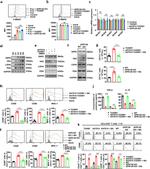
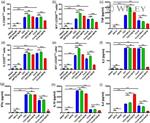
CP-25 exerts a protective effect against ConA-induced hepatitis via regulating inflammation and immune response.
Frontiers in pharmacology
Li N,Wu JJ,Qi M,Wang ZY,Zhang SN,Li XQ,Chen TT,Wang MF,Zhang LL,Wei W,Sun WY
Published figure using CD69 monoclonal antibody (Product # 12-0691-82) in Flow Cytometry
Sat Dec 03 00:00:00 EST 2022
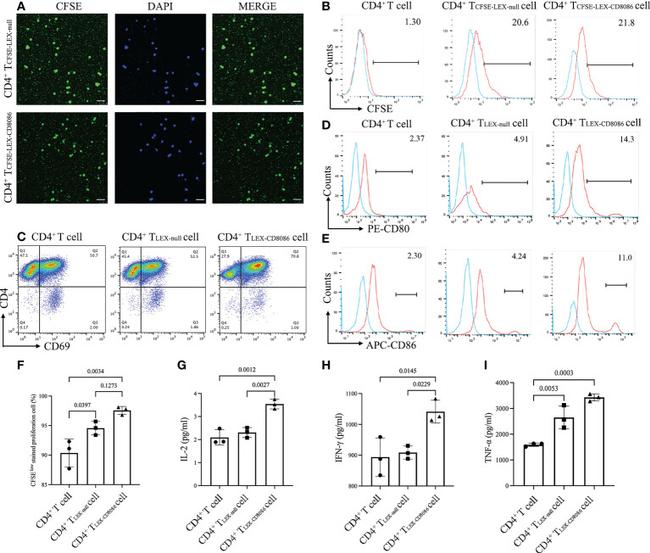
A novel costimulatory molecule gene-modified leukemia cell-derived exosome-targeted CD4+ T cell vaccine efficiently enhances anti-leukemia immunity.
Frontiers in immunology
Li J,Huang F,Jiang Y,Zhao J,Wan J,Hao S
Published figure using CD69 monoclonal antibody (Product # 12-0691-82) in Flow Cytometry
Tue Dec 06 00:00:00 EST 2022
Human poliovirus receptor contributes to biliary atresia pathogenesis by exacerbating natural-killer-cell-mediated bile duct injury.
Liver international : official journal of the International Association for the Study of the Liver
Li Y,Li TY,Qi Q,Zhang MT,Tong MX,Su PJ,Zhang ZB
12-0691-82 was used in Flow cytometry/Cell sorting to show that poliovirus receptor contributes to BA pathogenesis by regulating NK cell-mediated bile duct injury; PVR has the value as a biomarker of BA.
Thu Dec 01 00:00:00 EST 2022
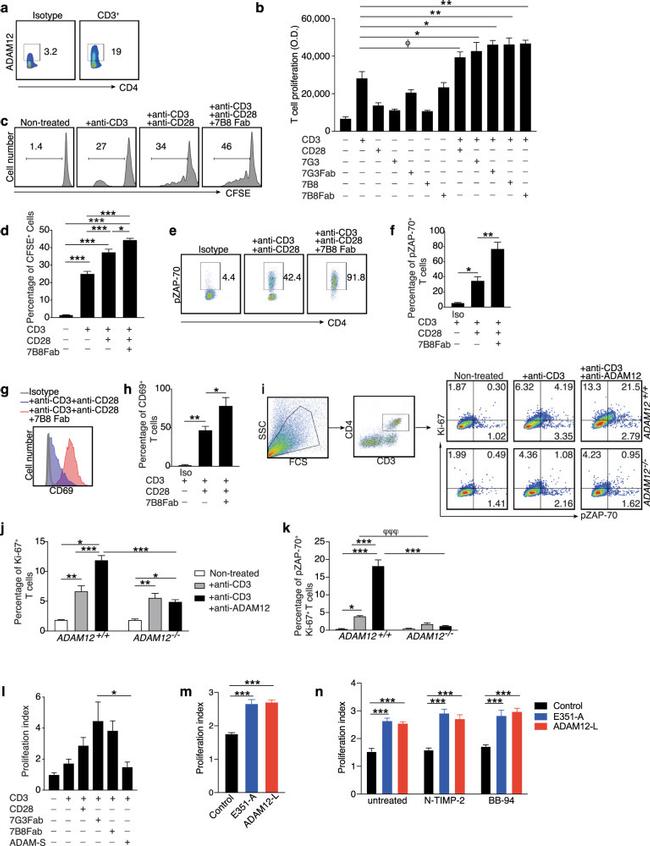
ADAM12 is a costimulatory molecule that determines Th1 cell fate and mediates tissue inflammation.
Cellular & molecular immunology
Liu Y,Bockermann R,Hadi M,Safari I,Carrion B,Kveiborg M,Issazadeh-Navikas S
Published figure using CD69 monoclonal antibody (Product # 12-0691-82) in Flow Cytometry
Sun Aug 01 00:00:00 EDT 2021
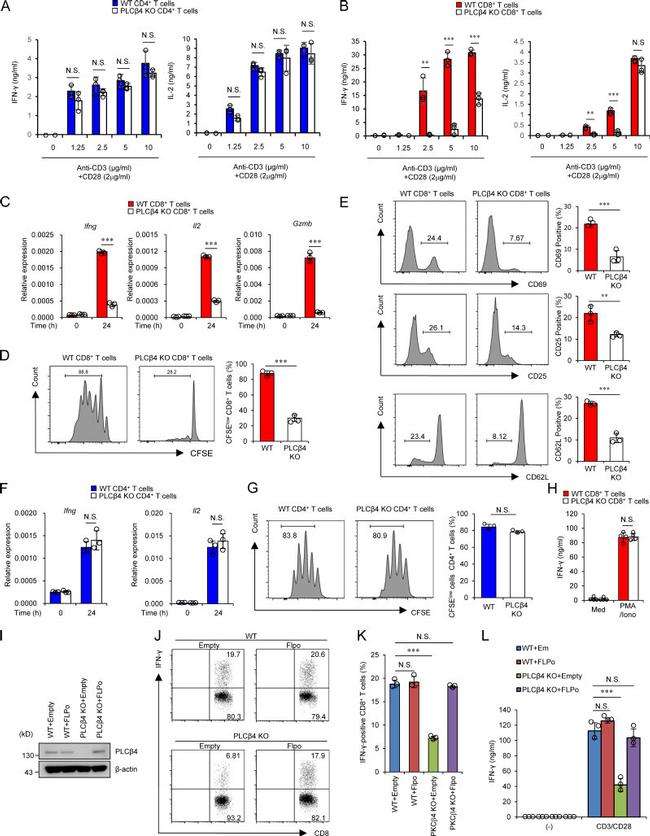
Uncovering a novel role of PLCβ4 in selectively mediating TCR signaling in CD8+ but not CD4+ T cells.
The Journal of experimental medicine
Sasai M,Ma JS,Okamoto M,Nishino K,Nagaoka H,Takashima E,Pradipta A,Lee Y,Kosako H,Suh PG,Yamamoto M
Published figure using CD69 monoclonal antibody (Product # 12-0691-82) in Flow Cytometry
Mon Jul 05 00:00:00 EDT 2021
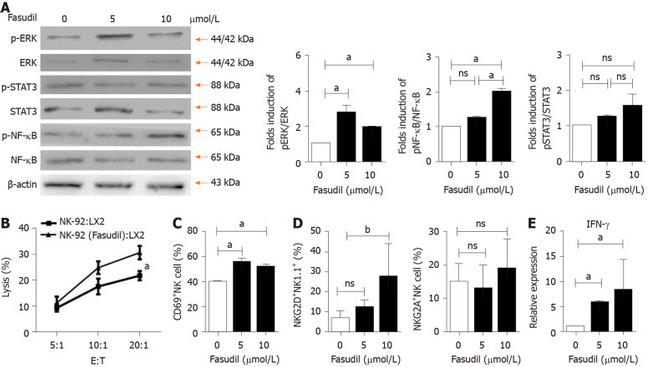
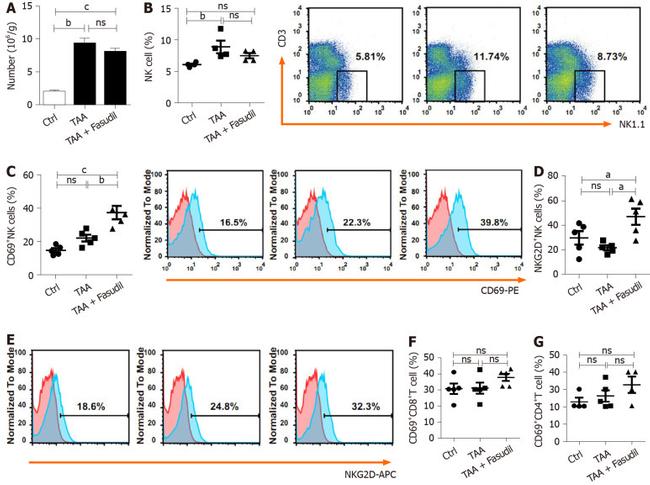
Fasudil prevents liver fibrosis via activating natural killer cells and suppressing hepatic stellate cells.
World journal of gastroenterology
Han QJ,Mu YL,Zhao HJ,Zhao RR,Guo QJ,Su YH,Zhang J
Published figure using CD69 monoclonal antibody (Product # 12-0691-82) in Flow Cytometry
Mon Jun 28 00:00:00 EDT 2021
Fasudil prevents liver fibrosis via activating natural killer cells and suppressing hepatic stellate cells.
World journal of gastroenterology
Han QJ,Mu YL,Zhao HJ,Zhao RR,Guo QJ,Su YH,Zhang J
Published figure using CD69 monoclonal antibody (Product # 12-0691-82) in Flow Cytometry
Mon Jun 28 00:00:00 EDT 2021
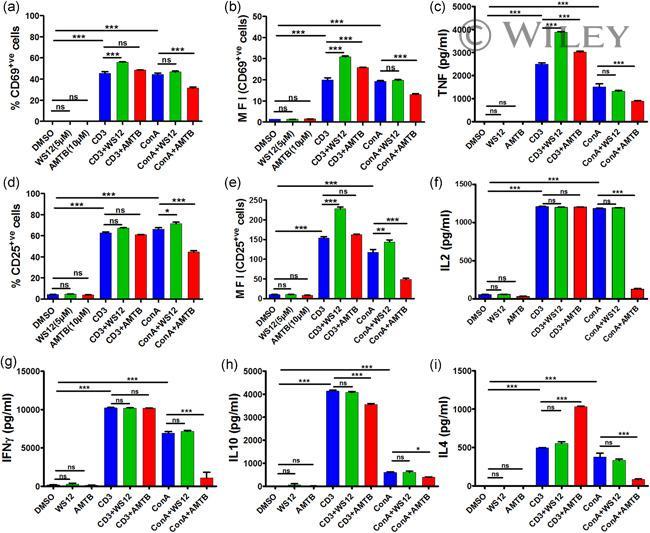
TRPM8 channel augments T-cell activation and proliferation.
Cell biology international
Acharya TK,Tiwari A,Majhi RK,Goswami C
Published figure using CD69 monoclonal antibody (Product # 12-0691-82) in Flow Cytometry
Fri Jan 01 00:00:00 EST 2021
Cell-permeable transgelin-2 as a potent therapeutic for dendritic cell-based cancer immunotherapy.
Journal of hematology & oncology
Kim HR,Park JS,Park JH,Yasmin F,Kim CH,Oh SK,Chung IJ,Jun CD
Published figure using CD69 monoclonal antibody (Product # 12-0691-82) in Flow Cytometry
Wed Mar 17 00:00:00 EDT 2021
Cell-permeable transgelin-2 as a potent therapeutic for dendritic cell-based cancer immunotherapy.
Journal of hematology & oncology
Kim HR,Park JS,Park JH,Yasmin F,Kim CH,Oh SK,Chung IJ,Jun CD
Published figure using CD69 monoclonal antibody (Product # 12-0691-82) in Flow Cytometry
Wed Mar 17 00:00:00 EDT 2021
Suppression of mucosal Th17 memory responses by acellular pertussis vaccines enhances nasal Bordetella pertussis carriage.
NPJ vaccines
Dubois V,Chatagnon J,Thiriard A,Bauderlique-Le Roy H,Debrie AS,Coutte L,Locht C
Published figure using CD69 monoclonal antibody (Product # 12-0691-82) in Flow Cytometry
Fri Jan 08 00:00:00 EST 2021
Robust induction of TRMs by combinatorial nanoshells confers cross-strain sterilizing immunity against lethal influenza viruses.
Molecular therapy. Methods & clinical development
Lin PH,Liang CY,Yao BY,Chen HW,Pan CF,Wu LL,Lin YH,Hsu YS,Liu YH,Chen PJ,Hu CJ,Yang HC
Published figure using CD69 monoclonal antibody (Product # 12-0691-82) in Flow Cytometry
Fri Jun 11 00:00:00 EDT 2021
Robust induction of TRMs by combinatorial nanoshells confers cross-strain sterilizing immunity against lethal influenza viruses.
Molecular therapy. Methods & clinical development
Lin PH,Liang CY,Yao BY,Chen HW,Pan CF,Wu LL,Lin YH,Hsu YS,Liu YH,Chen PJ,Hu CJ,Yang HC
Published figure using CD69 monoclonal antibody (Product # 12-0691-82) in Flow Cytometry
Fri Jun 11 00:00:00 EDT 2021
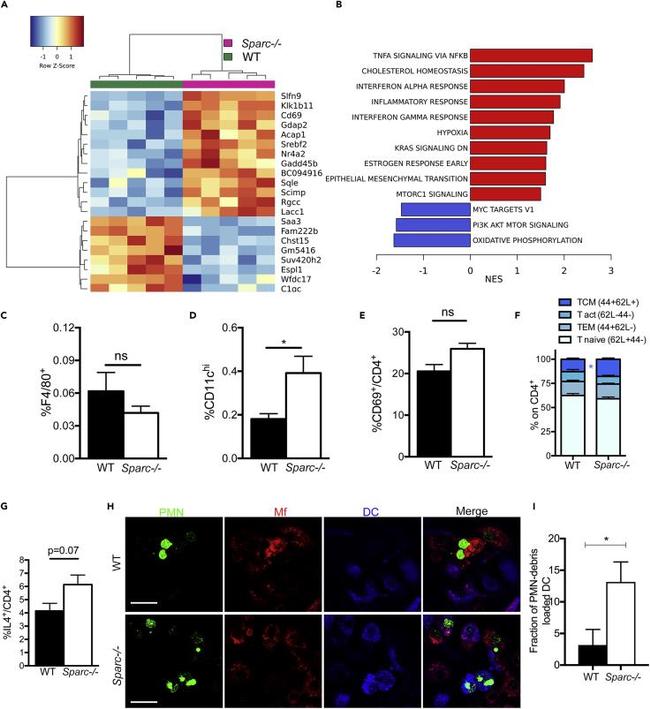
SPARC regulation of PMN clearance protects from pristane-induced lupus and rheumatoid arthritis.
iScience
Sangaletti S,Botti L,Gulino A,Lecis D,Bassani B,Portararo P,Milani M,Cancila V,De Cecco L,Dugo M,Tripodo C,Colombo MP
Published figure using CD69 monoclonal antibody (Product # 12-0691-82) in Flow Cytometry
Fri Jun 25 00:00:00 EDT 2021
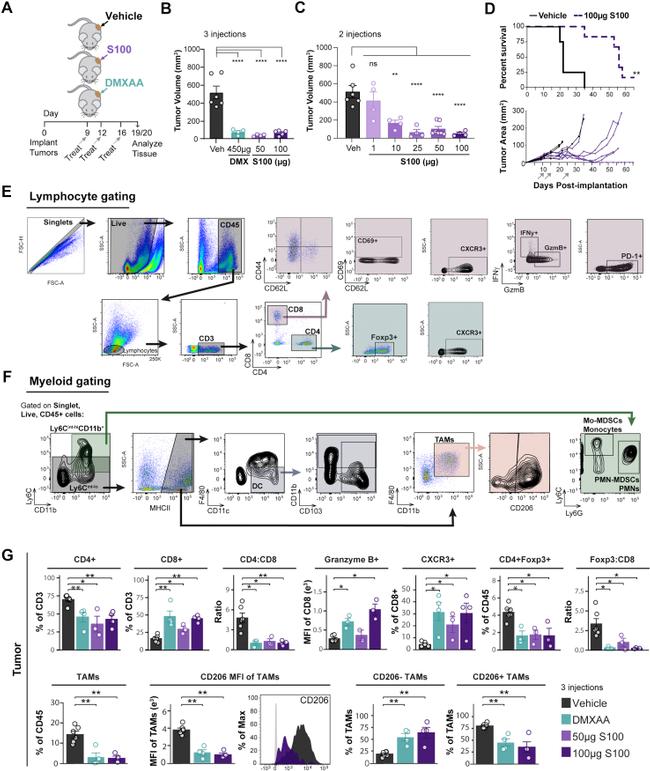
STING Activated Tumor-Intrinsic Type I Interferon Signaling Promotes CXCR3 Dependent Antitumor Immunity in Pancreatic Cancer.
Cellular and molecular gastroenterology and hepatology
Vonderhaar EP,Barnekow NS,McAllister D,McOlash L,Eid MA,Riese MJ,Tarakanova VL,Johnson BD,Dwinell MB
Published figure using CD69 monoclonal antibody (Product # 12-0691-82) in Flow Cytometry
Mon Jan 24 00:00:00 EST 2022
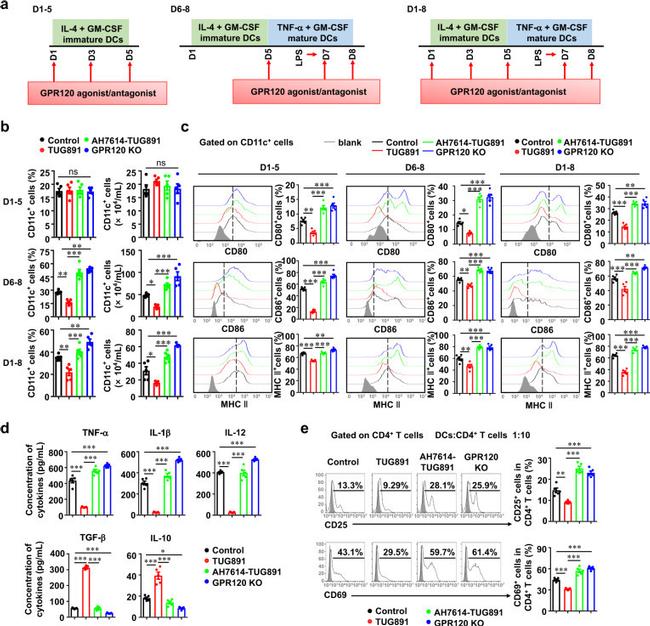
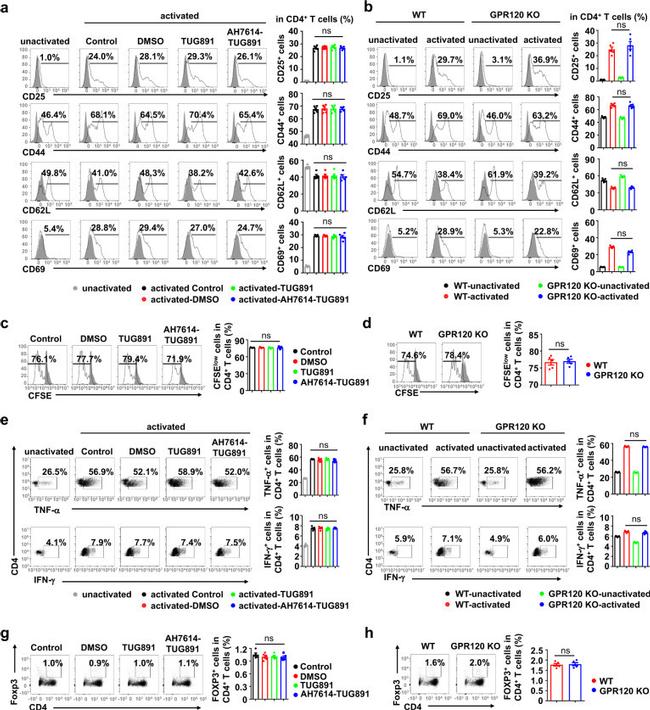
GPR120 induces regulatory dendritic cells by inhibiting HK2-dependent glycolysis to alleviate fulminant hepatic failure.
Cell death & disease
Yu H,Yang W,Huang J,Miao X,Wang B,Ren X,Gu Y,Wang Q,Ding X,Guo X,Qian F,Zhang Y,Xu H,Zheng L,Jin M
Published figure using CD69 monoclonal antibody (Product # 12-0691-82) in Flow Cytometry
Thu Dec 16 00:00:00 EST 2021
Intestinal CD11b+ B Cells Ameliorate Colitis by Secreting Immunoglobulin A.
Frontiers in immunology
Fu Y,Wang Z,Yu B,Lin Y,Huang E,Liu R,Zhao C,Lu M,Xu W,Liu H,Liu Y,Wang L,Chu Y
12-0691-82 was used in Flow Cytometry to demonstrate that CD11b+ B cells are essential intestinal suppressive immune cells and the primary source of intestinal IgA, which plays an indispensable role in maintaining intestinal homeostasis.
Fri Jan 07 00:00:00 EST 2022
Inducible T-Cell Costimulator Mediates Lymphocyte/Macrophage Interactions During Liver Repair.
Frontiers in immunology
Ramavath NN,Gadipudi LL,Provera A,Gigliotti LC,Boggio E,Bozzola C,Albano E,Dianzani U,Sutti S
12-0691-82 was used in Flow cytometry/Cell sorting to demonstrated that CD8+ T-lymphocytes play a key role in supporting the survival of reparative MoMFs during liver healing trough ICOS/ICOSL-mediated signaling.
Mon Feb 14 00:00:00 EST 2022
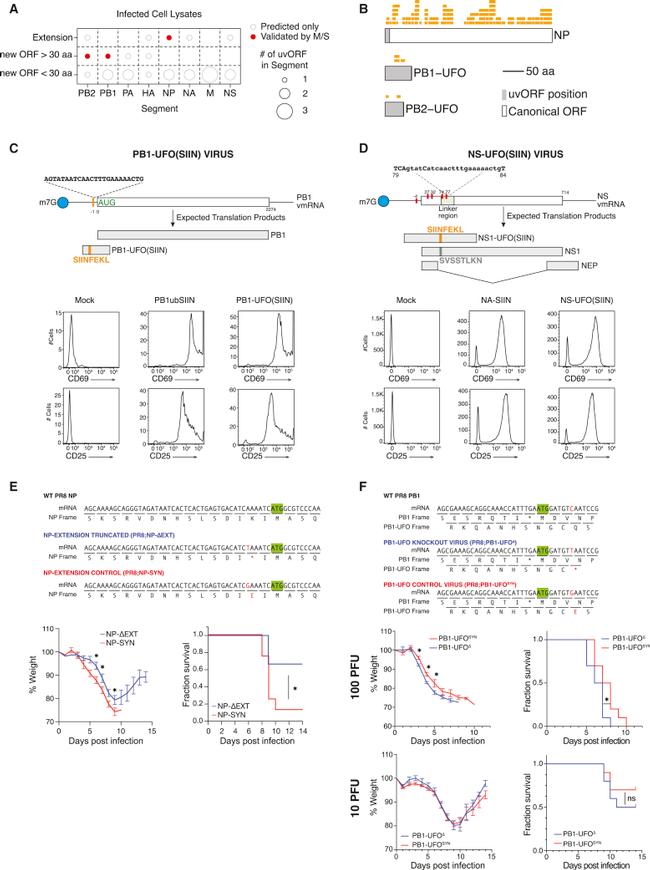
Hybrid Gene Origination Creates Human-Virus Chimeric Proteins during Infection.
Cell
Ho JSY,Angel M,Ma Y,Sloan E,Wang G,Martinez-Romero C,Alenquer M,Roudko V,Chung L,Zheng S,Chang M,Fstkchyan Y,Clohisey S,Dinan AM,Gibbs J,Gifford R,Shen R,Gu Q,Irigoyen N,Campisi L,Huang C,Zhao N,Jones JD,van Knippenberg I,Zhu Z,Moshkina N,Meyer L,Noel J,Peralta Z,Rezelj V,Kaake R,Rosenberg B,Wang B,Wei J,Paessler S,Wise HM,Johnson J,Vannini A,Amorim MJ,Baillie JK,Miraldi ER,Benner C,Brierley I,Digard P,Łuksza M,Firth AE,Krogan N,Greenbaum BD,MacLeod MK,van Bakel H,Garcìa-Sastre A,Yewdell JW,Hutchinson E,Marazzi I
Published figure using CD69 monoclonal antibody (Product # 12-0691-82) in Flow Cytometry
Thu Jun 25 00:00:00 EDT 2020
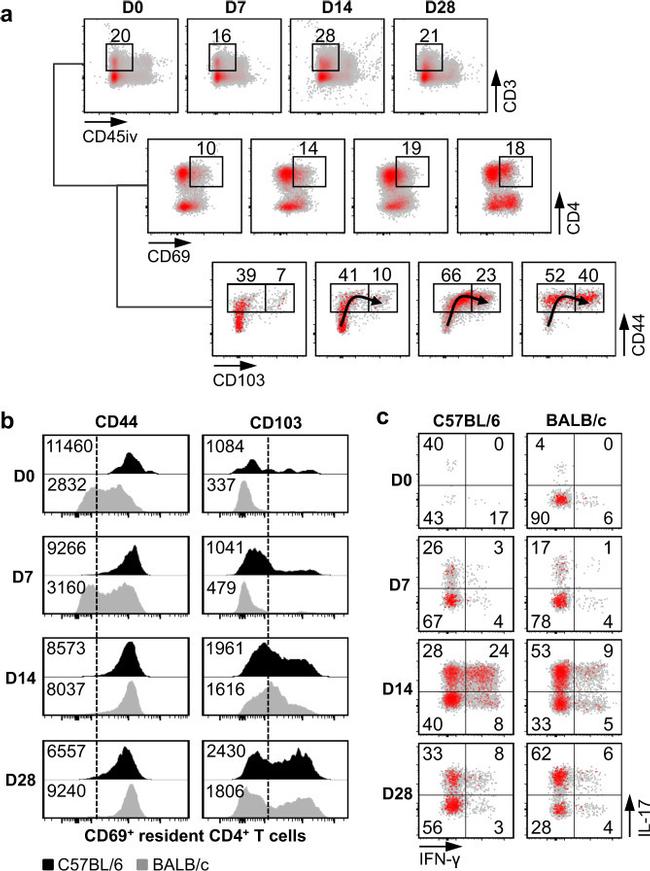
Microglia Require CD4 T Cells to Complete the Fetal-to-Adult Transition.
Cell
Pasciuto E,Burton OT,Roca CP,Lagou V,Rajan WD,Theys T,Mancuso R,Tito RY,Kouser L,Callaerts-Vegh Z,de la Fuente AG,Prezzemolo T,Mascali LG,Brajic A,Whyte CE,Yshii L,Martinez-Muriana A,Naughton M,Young A,Moudra A,Lemaitre P,Poovathingal S,Raes J,De Strooper B,Fitzgerald DC,Dooley J,Liston A
12-0691 was used in Flow cytometry/Cell sorting to investigate the function of brain-resident CD4 T cells.
Thu Aug 06 00:00:00 EDT 2020
An Integrated Epigenomic and Transcriptomic Map of Mouse and Human αβ T Cell Development.
Immunity
Chopp LB,Gopalan V,Ciucci T,Ruchinskas A,Rae Z,Lagarde M,Gao Y,Li C,Bosticardo M,Pala F,Livak F,Kelly MC,Hannenhalli S,Bosselut R
12-0691-82 was used in Flow Cytometry to identify mouse and human αβ thymocyte developmental trajectories.
Tue Dec 15 00:00:00 EST 2020
An Integrated Epigenomic and Transcriptomic Map of Mouse and Human αβ T Cell Development.
Immunity
Chopp LB,Gopalan V,Ciucci T,Ruchinskas A,Rae Z,Lagarde M,Gao Y,Li C,Bosticardo M,Pala F,Livak F,Kelly MC,Hannenhalli S,Bosselut R
12-0691-82 was used in Flow Cytometry to identify mouse and human αβ thymocyte developmental trajectories.
Tue Dec 15 00:00:00 EST 2020
Contact-dependent delivery of IL-2 by dendritic cells to CD4 T cells in the contraction phase promotes their long-term survival.
Protein & cell
Tong D,Zhang L,Ning F,Xu Y,Hu X,Shi Y
Published figure using CD69 monoclonal antibody (Product # 12-0691-82) in Flow Cytometry
Sat Feb 01 00:00:00 EST 2020
Cofilin1-driven actin dynamics controls migration of thymocytes and is essential for positive selection in the thymus.
Journal of cell science
Salz A,Gurniak C,Jönsson F,Witke W
12-0691 was used in Flow cytometry/Cell sorting to describe a novel role of cofilin1 in the physiological context of migration-dependent cell differentiation.
Fri Mar 06 00:00:00 EST 2020
Increase in liver γδ T cells with concurrent augmentation of IFN-β production during the early stages of a mouse model of acute experimental hepatitis B virus infection.
Experimental and therapeutic medicine
Chang L,Wang L,Ling N,Peng H,Chen M
Published figure using CD69 monoclonal antibody (Product # 12-0691-82) in Flow Cytometry
Wed Jan 01 00:00:00 EST 2020
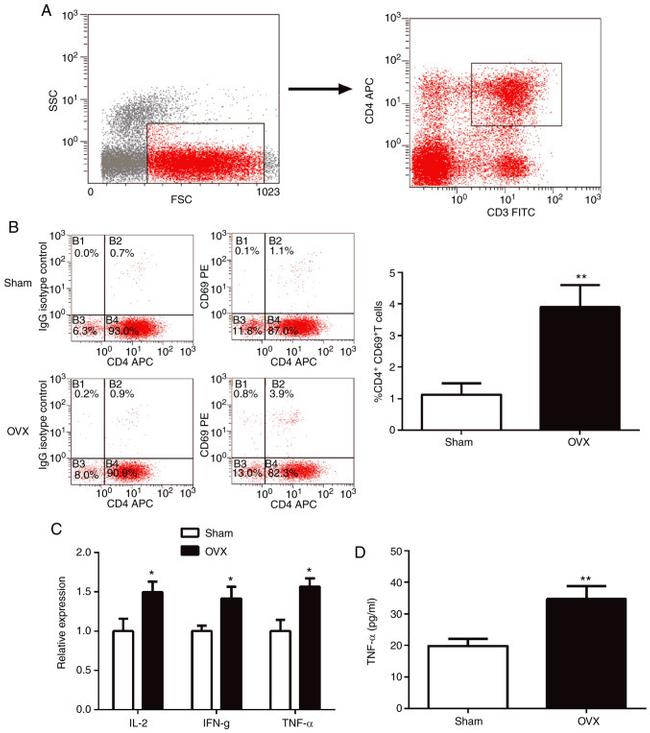
Effects of CD4+ T lymphocytes from ovariectomized mice on bone marrow mesenchymal stem cell proliferation and osteogenic differentiation.
Experimental and therapeutic medicine
Shao BY,Wang L,Yu Y,Chen L,Gan N,Huang WM
Published figure using CD69 monoclonal antibody (Product # 12-0691-82) in Flow Cytometry
Sun Nov 01 00:00:00 EDT 2020
Effects of CD4+ T lymphocytes from ovariectomized mice on bone marrow mesenchymal stem cell proliferation and osteogenic differentiation.
Experimental and therapeutic medicine
Shao BY,Wang L,Yu Y,Chen L,Gan N,Huang WM
Published figure using CD69 monoclonal antibody (Product # 12-0691-82) in Flow Cytometry
Sun Nov 01 00:00:00 EDT 2020
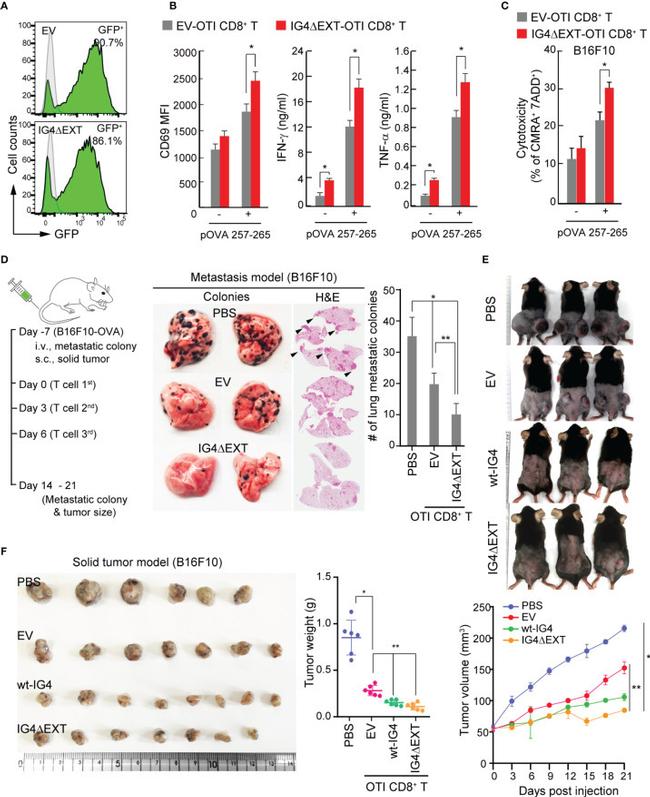
Potentiating the Antitumor Activity of Cytotoxic T Cells via the Transmembrane Domain of IGSF4 That Increases TCR Avidity.
Frontiers in immunology
Kim HR,Park JS,Fatima Y,Kausar M,Park JH,Jun CD
Published figure using CD69 monoclonal antibody (Product # 12-0691-82) in Flow Cytometry
Tue Jul 27 00:00:00 EDT 2021
Targeting the orphan nuclear receptor NR2F6 in T cells primes tumors for immune checkpoint therapy.
Cell communication and signaling : CCS
Klepsch V,Pommermayr M,Humer D,Brigo N,Hermann-Kleiter N,Baier G
Published figure using CD69 monoclonal antibody (Product # 12-0691-82) in Flow Cytometry
Tue Jan 14 00:00:00 EST 2020
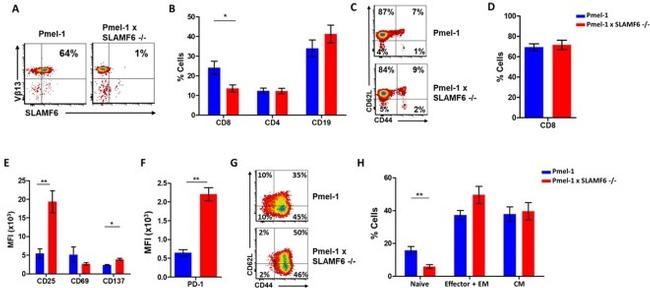
SLAMF6 deficiency augments tumor killing and skews toward an effector phenotype revealing it as a novel T cell checkpoint.
eLife
Hajaj E,Eisenberg G,Klein S,Frankenburg S,Merims S,Ben David I,Eisenhaure T,Henrickson SE,Villani AC,Hacohen N,Abudi N,Abramovich R,Cohen JE,Peretz T,Veillette A,Lotem M
Published figure using CD69 monoclonal antibody (Product # 12-0691-82) in Flow Cytometry
Tue Mar 03 00:00:00 EST 2020
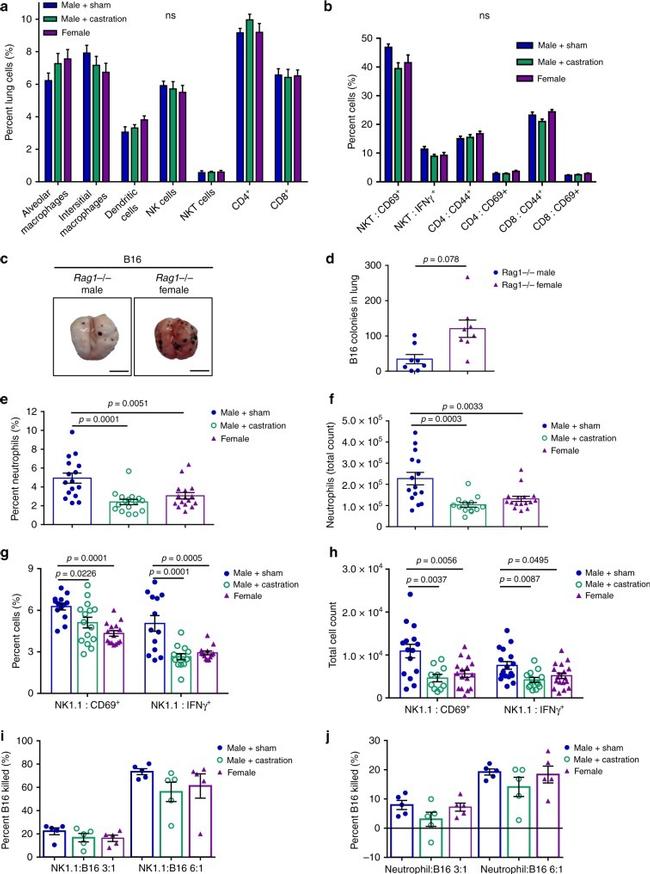
Loss of testosterone impairs anti-tumor neutrophil function.
Nature communications
Markman JL,Porritt RA,Wakita D,Lane ME,Martinon D,Noval Rivas M,Luu M,Posadas EM,Crother TR,Arditi M
Published figure using CD69 monoclonal antibody (Product # 12-0691-82) in Flow Cytometry
Tue Mar 31 00:00:00 EDT 2020
Loss of testosterone impairs anti-tumor neutrophil function.
Nature communications
Markman JL,Porritt RA,Wakita D,Lane ME,Martinon D,Noval Rivas M,Luu M,Posadas EM,Crother TR,Arditi M
Published figure using CD69 monoclonal antibody (Product # 12-0691-82) in Flow Cytometry
Tue Mar 31 00:00:00 EDT 2020
PTPN2 Deficiency Enhances Programmed T Cell Expansion and Survival Capacity of Activated T Cells.
Cell reports
Flosbach M,Oberle SG,Scherer S,Zecha J,von Hoesslin M,Wiede F,Chennupati V,Cullen JG,List M,Pauling JK,Baumbach J,Kuster B,Tiganis T,Zehn D
12-0691 was used in Flow cytometry/Cell sorting to show the therapeutic potential of targeting PTPN2 in T cell-based therapies to augment the number and survival capacity of antigen-specific T cells.
Tue Jul 28 00:00:00 EDT 2020
Butyrophilin-like proteins display combinatorial diversity in selecting and maintaining signature intraepithelial γδ T cell compartments.
Nature communications
Jandke A,Melandri D,Monin L,Ushakov DS,Laing AG,Vantourout P,East P,Nitta T,Narita T,Takayanagi H,Feederle R,Hayday A
12-0691 was used in Flow cytometry/Cell sorting to conclude that Btnl proteins are required to select and to maintain the phenotypes of tissue-protective γδ IEL compartments, with combinatorially diverse heteromers having differential impacts on different IEL subsets.
Tue Jul 28 00:00:00 EDT 2020
The Bone Marrow Protects and Optimizes Immunological Memory during Dietary Restriction.
Cell
Collins N,Han SJ,Enamorado M,Link VM,Huang B,Moseman EA,Kishton RJ,Shannon JP,Dixit D,Schwab SR,Hickman HD,Restifo NP,McGavern DB,Schwartzberg PL,Belkaid Y
12-0691-82 was used in Flow Cytometry to show that memory T cells collapsed in secondary lymphoid organs in the context of dietary restriction (DR) but dramatically accumulated within the bone marrow (BM), where they adopted a state associated with energy conservation.
Thu Aug 22 00:00:00 EDT 2019
A Thpok-Directed Transcriptional Circuitry Promotes Bcl6 and Maf Expression to Orchestrate T Follicular Helper Differentiation.
Immunity
Vacchio MS,Ciucci T,Gao Y,Watanabe M,Balmaceno-Criss M,McGinty MT,Huang A,Xiao Q,McConkey C,Zhao Y,Shetty J,Tran B,Pepper M,Vahedi G,Jenkins MK,McGavern DB,Bosselut R
12-0691-82 was used in Flow Cytometry to identify a transcriptional program that links the CD4+ lineage with Tfh differentiation, a limiting factor for efficient B cell responses.
Tue Sep 17 00:00:00 EDT 2019
Liver Is a Generative Site for the B Cell Response to Ehrlichia muris.
Immunity
Trivedi N,Weisel F,Smita S,Joachim S,Kader M,Radhakrishnan A,Clouser C,Rosenfeld AM,Chikina M,Vigneault F,Hershberg U,Ismail N,Shlomchik MJ
12-0691-82 was used in Flow Cytometry to investigate the nature of liver B cell and spleen response to Ehrlichia muris.
Tue Dec 17 00:00:00 EST 2019
A Subset of Skin Macrophages Contributes to the Surveillance and Regeneration of Local Nerves.
Immunity
Kolter J,Feuerstein R,Zeis P,Hagemeyer N,Paterson N,d'Errico P,Baasch S,Amann L,Masuda T,Lösslein A,Gharun K,Meyer-Luehmann M,Waskow C,Franzke CW,Grün D,Lämmermann T,Prinz M,Henneke P
12-0691-82 was used in Immunohistochemistry to delineate the postnatal development of dermal macrophages and their differentiation into subsets by adapting single-cell transcriptomics, fate mapping, and imaging.
Tue Jun 18 00:00:00 EDT 2019
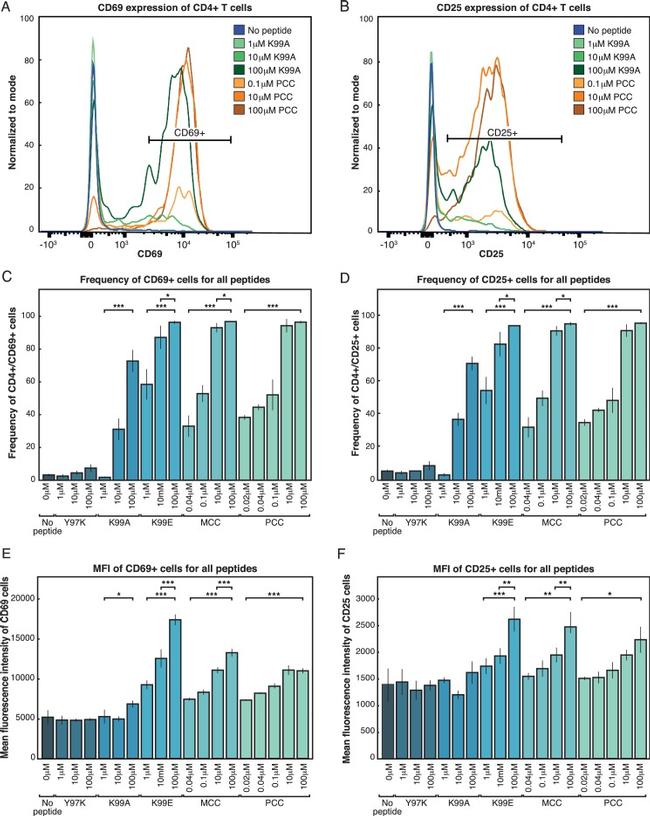
TCR Affinity Biases Th Cell Differentiation by Regulating CD25, Eef1e1, and Gbp2.
Journal of immunology (Baltimore, Md. : 1950)
Kotov DI,Mitchell JS,Pengo T,Ruedl C,Way SS,Langlois RA,Fife BT,Jenkins MK
12-0691-82 was used in Flow Cytometry to study TCR affinity and influence on regulation of genes in naive T cells that control the differentiation process in cells.
Wed May 01 00:00:00 EDT 2019
Ovalbumin induces natural killer cells to secrete Th2 cytokines IL‑5 and IL‑13 in a mouse model of asthma.
Molecular medicine reports
Chen Z,Wang L
12-0691-82 was used in Flow Cytometry to analyse the dynamic changes of NK cells and their subsets during the development of the ovalbumin (OVA)‚induced allergic airway response.
Mon Apr 01 00:00:00 EDT 2019
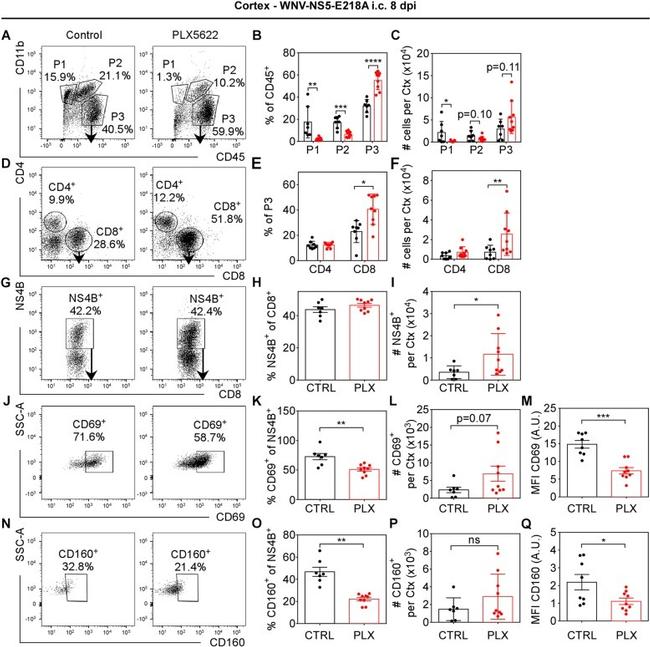
CSF1R antagonism limits local restimulation of antiviral CD8+ T cells during viral encephalitis.
Journal of neuroinflammation
Funk KE,Klein RS
Published figure using CD69 monoclonal antibody (Product # 12-0691-82) in Flow Cytometry
Thu Jan 31 00:00:00 EST 2019
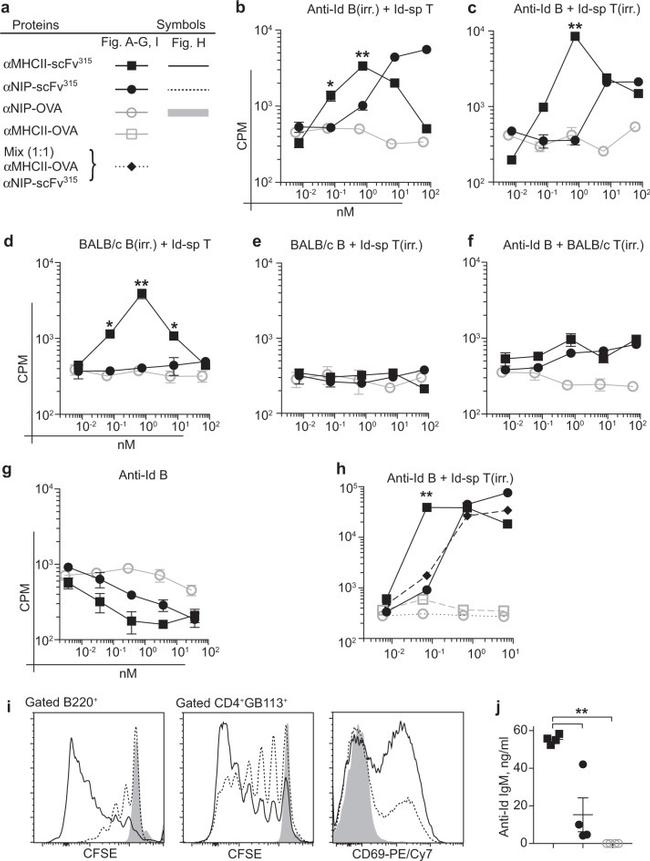
Enhanced germinal center reaction by targeting vaccine antigen to major histocompatibility complex class II molecules.
NPJ vaccines
Andersen TK,Huszthy PC,Gopalakrishnan RP,Jacobsen JT,Fauskanger M,Tveita AA,Grødeland G,Bogen B
Published figure using CD69 monoclonal antibody (Product # 12-0691-82) in Flow Cytometry
Thu Oct 05 00:00:00 EDT 2023
Qa-1-Restricted CD8+ T Cells Can Compensate for the Absence of Conventional T Cells during Viral Infection.
Cell reports
Anderson CK,Reilly EC,Lee AY,Brossay L
12-0691 was used in Flow cytometry/Cell sorting to study compensatory mechanisms in immune responses to viruses when classical T cell immunity has been evaded.
Tue Apr 09 00:00:00 EDT 2019
The Inhibitory T Cell Receptors PD1 and 2B4 Are Differentially Regulated on CD4 and CD8 T Cells in a Mouse Model of Non-alcoholic Steatohepatitis.
Frontiers in pharmacology
Hansel C,Erschfeld S,Baues M,Lammers T,Weiskirchen R,Trautwein C,Kroy DC,Drescher HK
12-0691 was used in Flow cytometry/Cell sorting to investigate the expression profile of inhibitory T cell receptors on CD4 and CD8 T cells in a mouse model of non-alcoholic steatohepatitis.
Wed Sep 30 00:00:00 EDT 2020
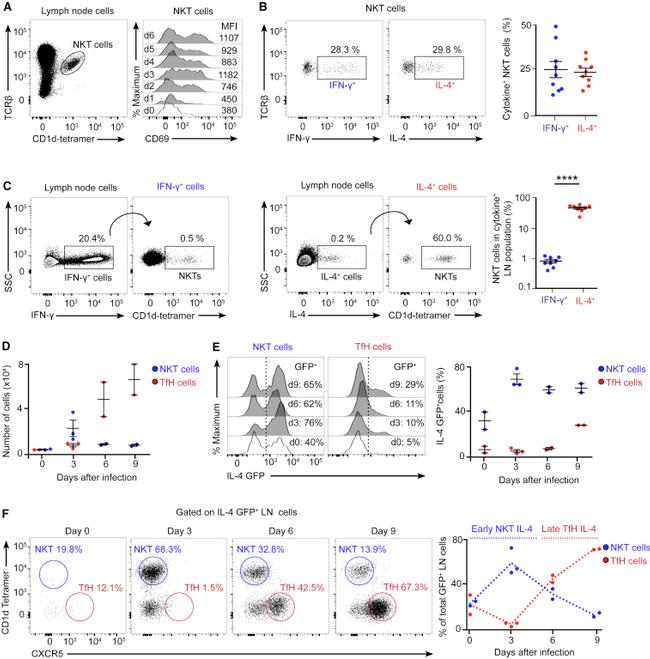
Initiation of Antiviral B Cell Immunity Relies on Innate Signals from Spatially Positioned NKT Cells.
Cell
Gaya M,Barral P,Burbage M,Aggarwal S,Montaner B,Warren Navia A,Aid M,Tsui C,Maldonado P,Nair U,Ghneim K,Fallon PG,Sekaly RP,Barouch DH,Shalek AK,Bruckbauer A,Strid J,Batista FD
Published figure using CD69 monoclonal antibody (Product # 12-0691-82) in Flow Cytometry
Thu Jan 25 00:00:00 EST 2018
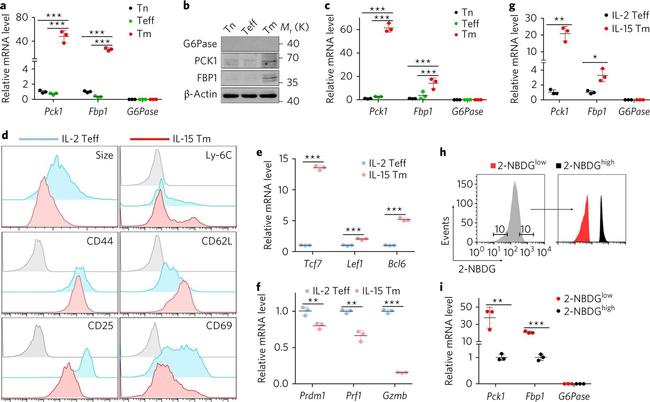
A Pck1-directed glycogen metabolic program regulates formation and maintenance of memory CD8+ T cells.
Nature cell biology
Ma R,Ji T,Zhang H,Dong W,Chen X,Xu P,Chen D,Liang X,Yin X,Liu Y,Ma J,Tang K,Zhang Y,Peng Y,Lu J,Zhang Y,Qin X,Cao X,Wan Y,Huang B
Published figure using CD69 monoclonal antibody (Product # 12-0691-82) in Flow Cytometry
Mon Jan 01 00:00:00 EST 2018
Ubiquitin-Mediated Regulation of RIPK1 Kinase Activity Independent of IKK and MK2.
Molecular cell
Annibaldi A,Wicky John S,Vanden Berghe T,Swatek KN,Ruan J,Liccardi G,Bianchi K,Elliott PR,Choi SM,Van Coillie S,Bertin J,Wu H,Komander D,Vandenabeele P,Silke J,Meier P
12-0691-82 was used in Flow Cytometry to reveal a direct role for cIAP-mediated ubiquitylation in controlling RIPK1 kinase activity and preventing TNF-mediated cytotoxicity.
Thu Feb 15 00:00:00 EST 2018
Intranasal delivery of adjuvant-free peptide nanofibers elicits resident CD8+ T cell responses.
Journal of controlled release : official journal of the Controlled Release Society
Si Y,Wen Y,Kelly SH,Chong AS,Collier JH
Published figure using CD69 monoclonal antibody (Product # 12-0691-82) in Flow Cytometry
Sat Jul 28 00:00:00 EDT 2018
Intranasal delivery of adjuvant-free peptide nanofibers elicits resident CD8+ T cell responses.
Journal of controlled release : official journal of the Controlled Release Society
Si Y,Wen Y,Kelly SH,Chong AS,Collier JH
Published figure using CD69 monoclonal antibody (Product # 12-0691-82) in Flow Cytometry
Sat Jul 28 00:00:00 EDT 2018
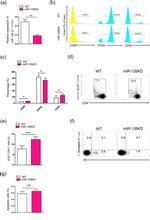
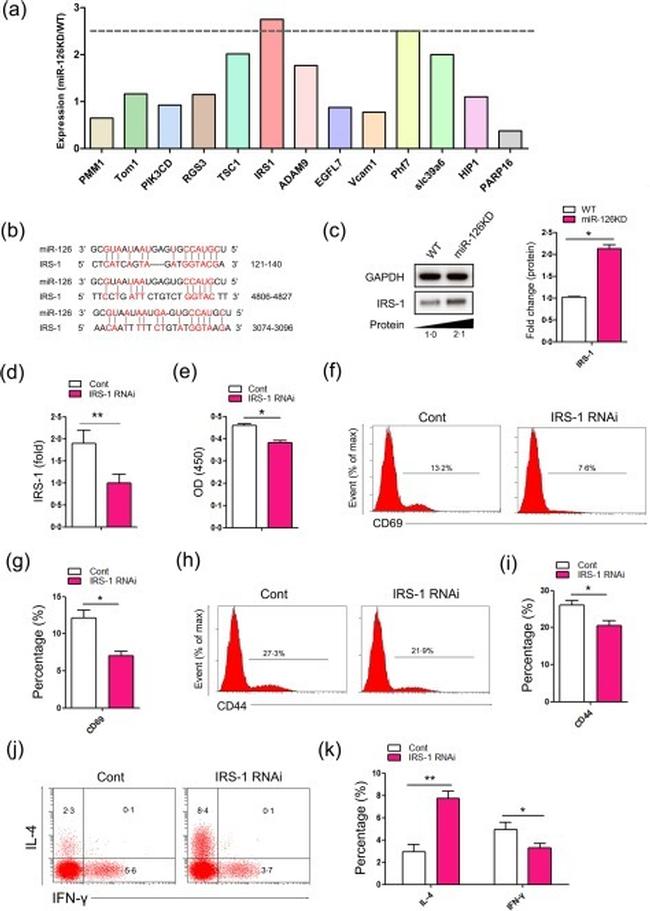
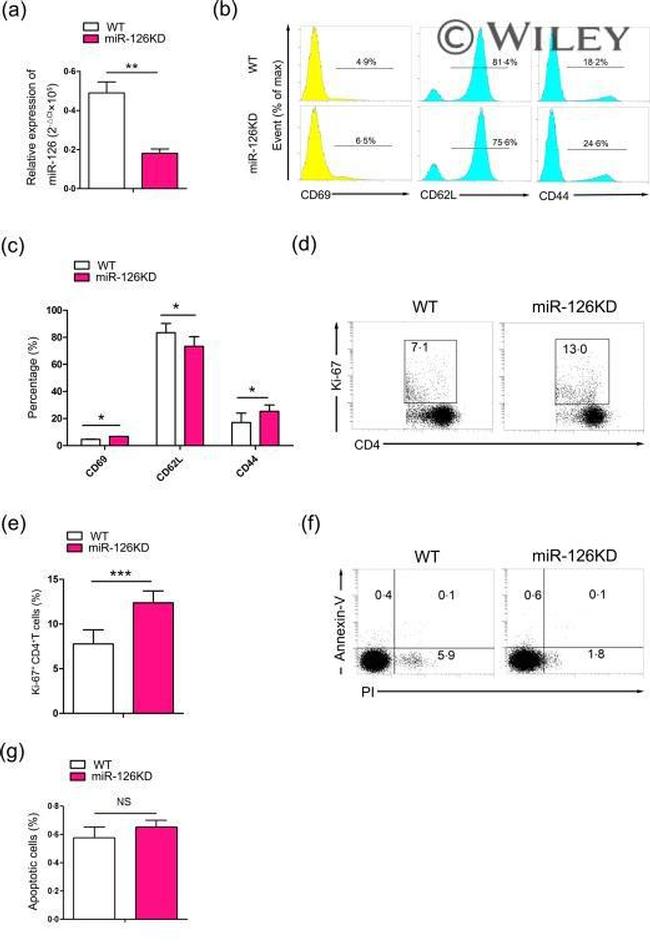
MicroRNA-126 deficiency enhanced the activation and function of CD4+ T cells by elevating IRS-1 pathway.
Clinical and experimental immunology
Chu F,Hu Y,Zhou Y,Guo M,Lu J,Zheng W,Xu H,Zhao J,Xu L
Published figure using CD69 monoclonal antibody (Product # 12-0691-82) in Flow Cytometry
Thu Feb 01 00:00:00 EST 2018
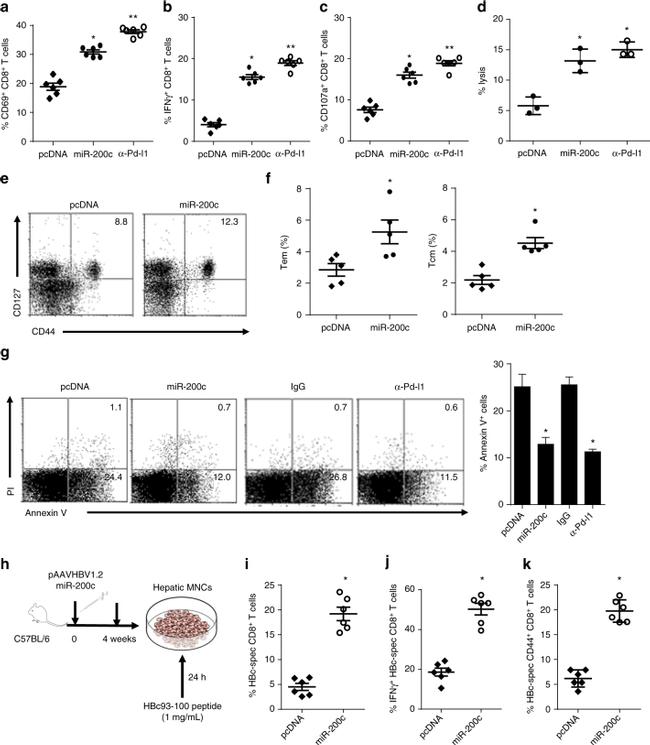
Oncofetal gene SALL4 reactivation by hepatitis B virus counteracts miR-200c in PD-L1-induced T cell exhaustion.
Nature communications
Sun C,Lan P,Han Q,Huang M,Zhang Z,Xu G,Song J,Wang J,Wei H,Zhang J,Sun R,Zhang C,Tian Z
Published figure using CD69 monoclonal antibody (Product # 12-0691-82) in Flow Cytometry
Wed Mar 28 00:00:00 EDT 2018
MAIT cells contribute to protection against lethal influenza infection in vivo.
Nature communications
van Wilgenburg B,Loh L,Chen Z,Pediongco TJ,Wang H,Shi M,Zhao Z,Koutsakos M,Nüssing S,Sant S,Wang Z,D'Souza C,Jia X,Almeida CF,Kostenko L,Eckle SBG,Meehan BS,Kallies A,Godfrey DI,Reading PC,Corbett AJ,McCluskey J,Klenerman P,Kedzierska K,Hinks TSC
Published figure using CD69 monoclonal antibody (Product # 12-0691-82) in Flow Cytometry
Fri Nov 09 00:00:00 EST 2018
Homoharringtonine induced immune alteration for an Efficient Anti-tumor Response in Mouse Models of Non-small Cell Lung Adenocarcinoma Expressing Kras Mutation.
Scientific reports
Weng TY,Wu HF,Li CY,Hung YH,Chang YW,Chen YL,Hsu HP,Chen YH,Wang CY,Chang JY,Lai MD
Published figure using CD69 monoclonal antibody (Product # 12-0691-82) in Flow Cytometry
Tue May 29 00:00:00 EDT 2018
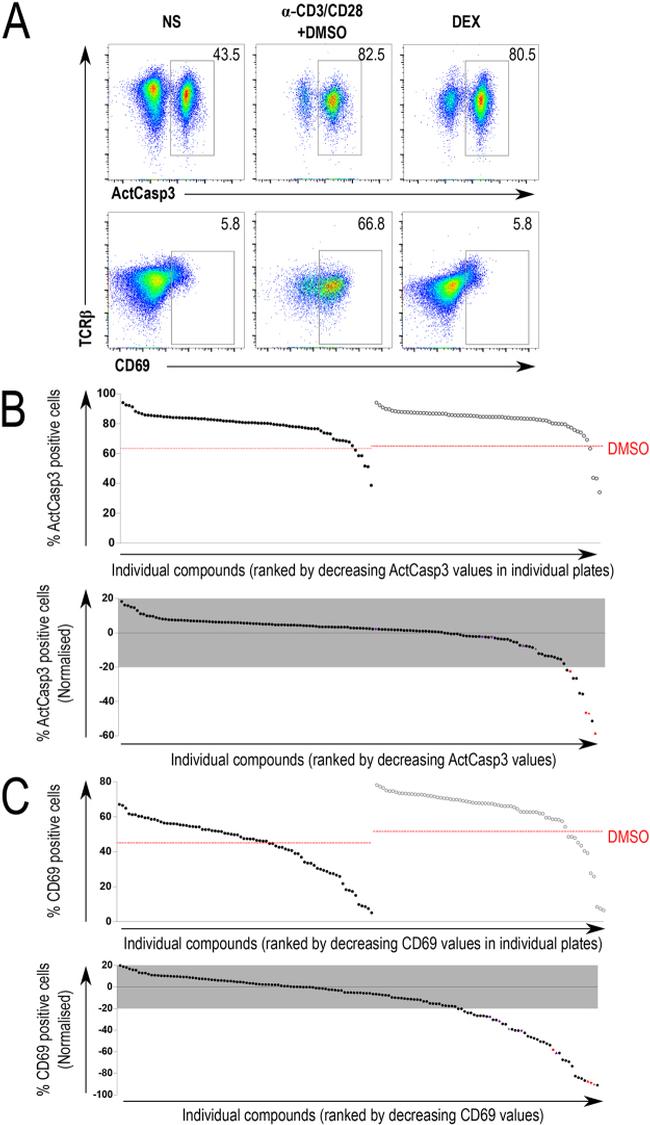
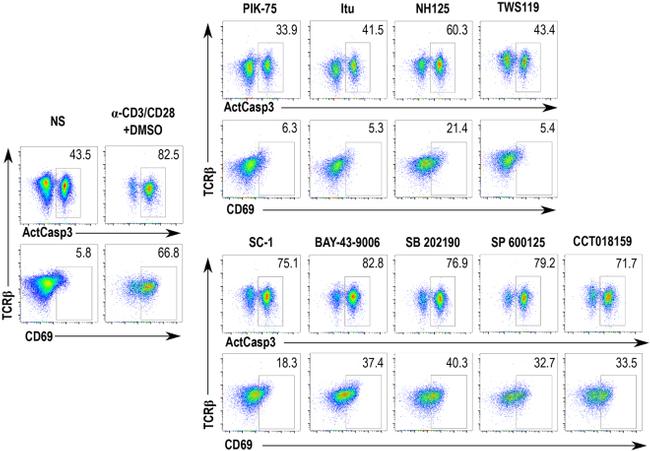
Development of a screening strategy for new modulators of T cell receptor signaling and T cell activation.
Scientific reports
Chen EW,Brzostek J,Gascoigne NRJ,Rybakin V
Published figure using CD69 monoclonal antibody (Product # 12-0691-82) in Flow Cytometry
Tue Jul 03 00:00:00 EDT 2018
Interference with KCTD9 inhibits NK cell activation and ameliorates fulminant liver failure in mice.
BMC immunology
Zhang X,Zhu L,Zhou Y,Shi A,Wang H,Han M,Wan X,Kilonzo SB,Luo X,Chen T,Ning Q
12-0691 was used in Flow cytometry/Cell sorting to propose that target inhibition of KCTD9 may prohibit NK cells activity and thus ameliorate liver damage in viral fulminant hepatitis.
Mon Jun 25 00:00:00 EDT 2018
Transcription factors early growth response gene (Egr) 2 and 3 control inflammatory responses of tolerant T cells.
Immunity, inflammation and disease
Omodho B,Miao T,Symonds ALJ,Singh R,Li S,Wang P
12-0691 was used in Flow cytometry/Cell sorting to show that despite impaired proliferation and IL2 production, tolerant T cells can display inflammatory responses in response to antigen stimulation and this is controlled at least partly by Egr2 and 3.
Fri Jun 01 00:00:00 EDT 2018
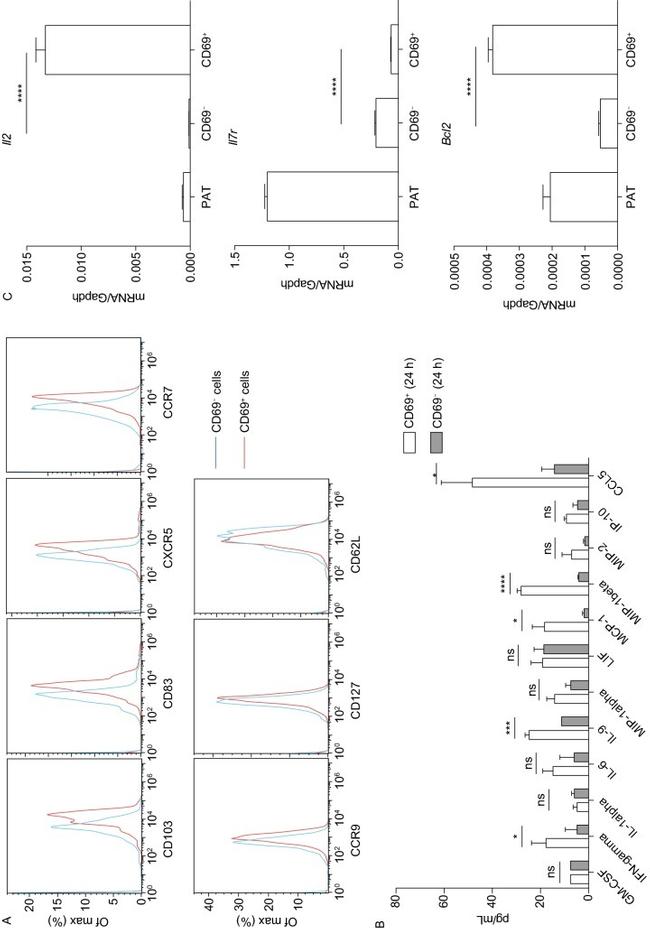
CD69 enhances immunosuppressive function of regulatory T-cells and attenuates colitis by prompting IL-10 production.
Cell death & disease
Yu L,Yang F,Zhang F,Guo D,Li L,Wang X,Liang T,Wang J,Cai Z,Jin H
12-0691 was used in Flow cytometry/Cell sorting to study the importance of the C-type lectin receptor CD69 to the suppressive function of Tregs.
Wed Sep 05 00:00:00 EDT 2018
Ablation of Transcription Factor IRF4 Promotes Transplant Acceptance by Driving Allogenic CD4+ T Cell Dysfunction.
Immunity
Wu J,Zhang H,Shi X,Xiao X,Fan Y,Minze LJ,Wang J,Ghobrial RM,Xia J,Sciammas R,Li XC,Chen W
12-0691-82 was used in Flow Cytometry to demonstrate that interferon regulatory factor 4 was a key transcriptional determinant controlling T cell responses during transplantation.
Tue Dec 19 00:00:00 EST 2017
Adipose tissue B2 cells promote insulin resistance through leukotriene LTB4/LTB4R1 signaling.
The Journal of clinical investigation
Ying W,Wollam J,Ofrecio JM,Bandyopadhyay G,El Ouarrat D,Lee YS,Oh DY,Li P,Osborn O,Olefsky JM
Published figure using CD69 monoclonal antibody (Product # 12-0691-82) in Flow Cytometry
Wed Mar 01 00:00:00 EST 2017
Egr2 and 3 control adaptive immune responses by temporally uncoupling expansion from T cell differentiation.
The Journal of experimental medicine
Miao T,Symonds ALJ,Singh R,Symonds JD,Ogbe A,Omodho B,Zhu B,Li S,Wang P
12-0691 was used in Flow cytometry/Cell sorting to define a fundamental function of Egr2 and Egr3, operating as a checkpoint controlling the transition between clonal expansion and differentiation of effector T cells.
Mon Jun 05 00:00:00 EDT 2017
IL-36 Signaling Facilitates Activation of the NLRP3 Inflammasome and IL-23/IL-17 Axis in Renal Inflammation and Fibrosis.
Journal of the American Society of Nephrology : JASN
Chi HH,Hua KF,Lin YC,Chu CL,Hsieh CY,Hsu YJ,Ka SM,Tsai YL,Liu FC,Chen A
Published figure using CD69 monoclonal antibody (Product # 12-0691-82) in Flow Cytometry
Sat Jul 01 00:00:00 EDT 2017
In vivo activation of latent HIV with a synthetic bryostatin analog effects both latent cell "kick" and "kill" in strategy for virus eradication.
PLoS pathogens
Marsden MD,Loy BA,Wu X,Ramirez CM,Schrier AJ,Murray D,Shimizu A,Ryckbosch SM,Near KE,Chun TW,Wender PA,Zack JA
12-0691 was used in Flow cytometry/Cell sorting to show that cells latently-infected by HIV exhibit both "kick" and "kill" strategies upon virus reactivation with a bryostatin 1 analogue.
Fri Sep 01 00:00:00 EDT 2017
Betulin from Hedyotis hedyotidea ameliorates concanavalin A-induced and T cell-mediated autoimmune hepatitis in mice.
Acta pharmacologica Sinica
Zhou YQ,Weng XF,Dou R,Tan XS,Zhang TT,Fang JB,Wu XW
Published figure using CD69 monoclonal antibody (Product # 12-0691-82) in Flow Cytometry
Wed Feb 01 00:00:00 EST 2017
14-3-3 Proteins regulate K2P 5.1 surface expression on T lymphocytes.
Traffic (Copenhagen, Denmark)
Fernández-Orth J,Ehling P,Ruck T,Pankratz S,Hofmann MS,Landgraf P,Dieterich DC,Smalla KH,Kähne T,Seebohm G,Budde T,Wiendl H,Bittner S,Meuth SG
Published figure using CD69 monoclonal antibody (Product # 12-0691-82) in Flow Cytometry
Sun Jan 01 00:00:00 EST 2017
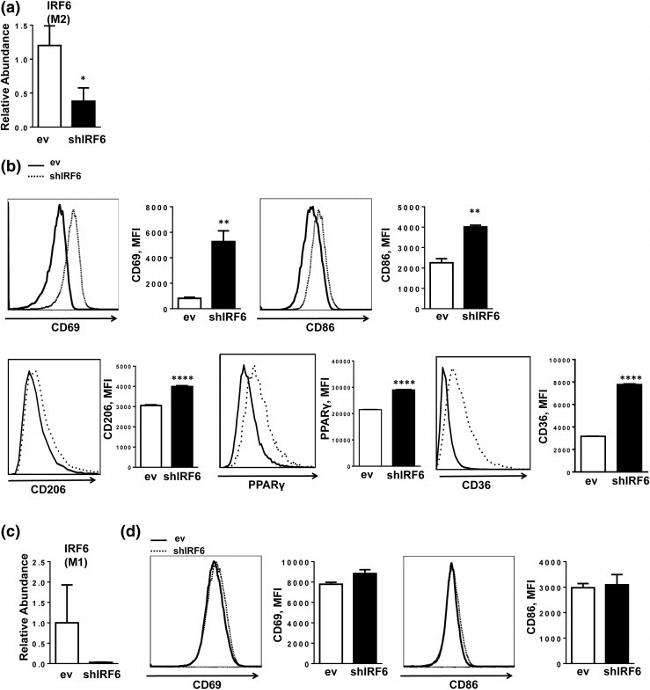
IRF6 Regulates Alternative Activation by Suppressing PPARγ in Male Murine Macrophages.
Endocrinology
Li C,Ying W,Huang Z,Brehm T,Morin A,Vella AT,Zhou B
Published figure using CD69 monoclonal antibody (Product # 12-0691-82) in Flow Cytometry
Fri Sep 01 00:00:00 EDT 2017
Tristetraprolin inhibits macrophage IL-27-induced activation of antitumour cytotoxic T cell responses.
Nature communications
Wang Q,Ning H,Peng H,Wei L,Hou R,Hoft DF,Liu J
Published figure using CD69 monoclonal antibody (Product # 12-0691-82) in Flow Cytometry
Wed Oct 11 00:00:00 EDT 2017
LYG1 exerts antitumor function through promoting the activation, proliferation, and function of CD4+ T cells.
Oncoimmunology
Liu H,Zhang Y,Liu Z,Wang P,Mo X,Fu W,Liu W,Cheng Y,Han W
12-0691 was used in Flow cytometry/Cell sorting to reveal a tumor-inhibiting role for LYG1 through promoting the activation, proliferation, and function of CD4+T cells in antitumor immune responses, offering implications for novel tumor immunotherapy.
Tue Jan 12 00:00:00 EST 2021
Reduced TCR-dependent activation through citrullination of a T-cell epitope enhances Th17 development by disruption of the STAT3/5 balance.
European journal of immunology
Tibbitt C,Falconer J,Stoop J,van Eden W,Robinson JH,Hilkens CM
12-0691 was used in Flow cytometry/Cell sorting to investigate how citrullination of an immunedominant T-cell epitope affects Th17 development.
Fri Jul 01 00:00:00 EDT 2016
Resident T Cells Are Unable To Control Herpes Simplex Virus-1 Activity in the Brain Ependymal Region during Latency.
Journal of immunology (Baltimore, Md. : 1950)
Menendez CM,Jinkins JK,Carr DJ
Published figure using CD69 monoclonal antibody (Product # 12-0691-82) in Flow Cytometry
Mon Aug 15 00:00:00 EDT 2016
Helios Controls a Limited Subset of Regulatory T Cell Functions.
Journal of immunology (Baltimore, Md. : 1950)
Sebastian M,Lopez-Ocasio M,Metidji A,Rieder SA,Shevach EM,Thornton AM
12-0691 was used in Flow cytometry/Cell sorting to determine the beneficial effects of the transcription factor, Helios, for Treg maintenance, differentiation, and survival.
Fri Jan 01 00:00:00 EST 2016
Affinity and dose of TCR engagement yield proportional enhancer and gene activity in CD4+ T cells.
eLife
Allison KA,Sajti E,Collier JG,Gosselin D,Troutman TD,Stone EL,Hedrick SM,Glass CK
Published figure using CD69 monoclonal antibody (Product # 12-0691-82) in Flow Cytometry
Mon Jul 04 00:00:00 EDT 2016
Tumour suppressor death-associated protein kinase targets cytoplasmic HIF-1α for Th17 suppression.
Nature communications
Chou TF,Chuang YT,Hsieh WC,Chang PY,Liu HY,Mo ST,Hsu TS,Miaw SC,Chen RH,Kimchi A,Lai MZ
12-0691 was used in Flow cytometry/Cell sorting to study tumour suppressor death-associated protein kinases as treatments for Th17-associated inflammatory diseases.
Fri Jun 17 00:00:00 EDT 2016
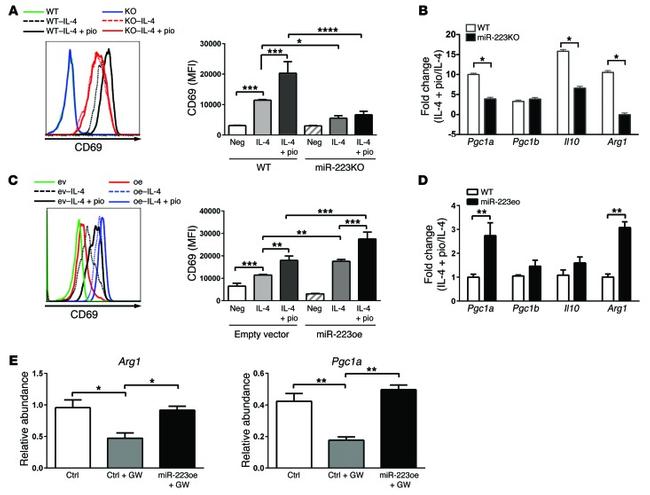
MicroRNA-223 is a crucial mediator of PPARγ-regulated alternative macrophage activation.
The Journal of clinical investigation
Ying W,Tseng A,Chang RC,Morin A,Brehm T,Triff K,Nair V,Zhuang G,Song H,Kanameni S,Wang H,Golding MC,Bazer FW,Chapkin RS,Safe S,Zhou B
Published figure using CD69 monoclonal antibody (Product # 12-0691-82) in Flow Cytometry
Mon Nov 02 00:00:00 EST 2015
Negative CD4 + TIM-3 signaling confers resistance against cold preservation damage in mouse liver transplantation.
American journal of transplantation : official journal of the American Society of Transplantation and the American Society of Transplant Surgeons
Liu Y,Ji H,Zhang Y,Shen XD,Gao F,Nguyen TT,Shang X,Lee N,Busuttil RW,Kupiec-Weglinski JW
12-0691 was used in Flow cytometry/Cell sorting to explore TIM-3-Gal-9 function in a clinically relevant murine model of hepatic cold storage and orthotopic liver transplantation.
Wed Apr 01 00:00:00 EDT 2015
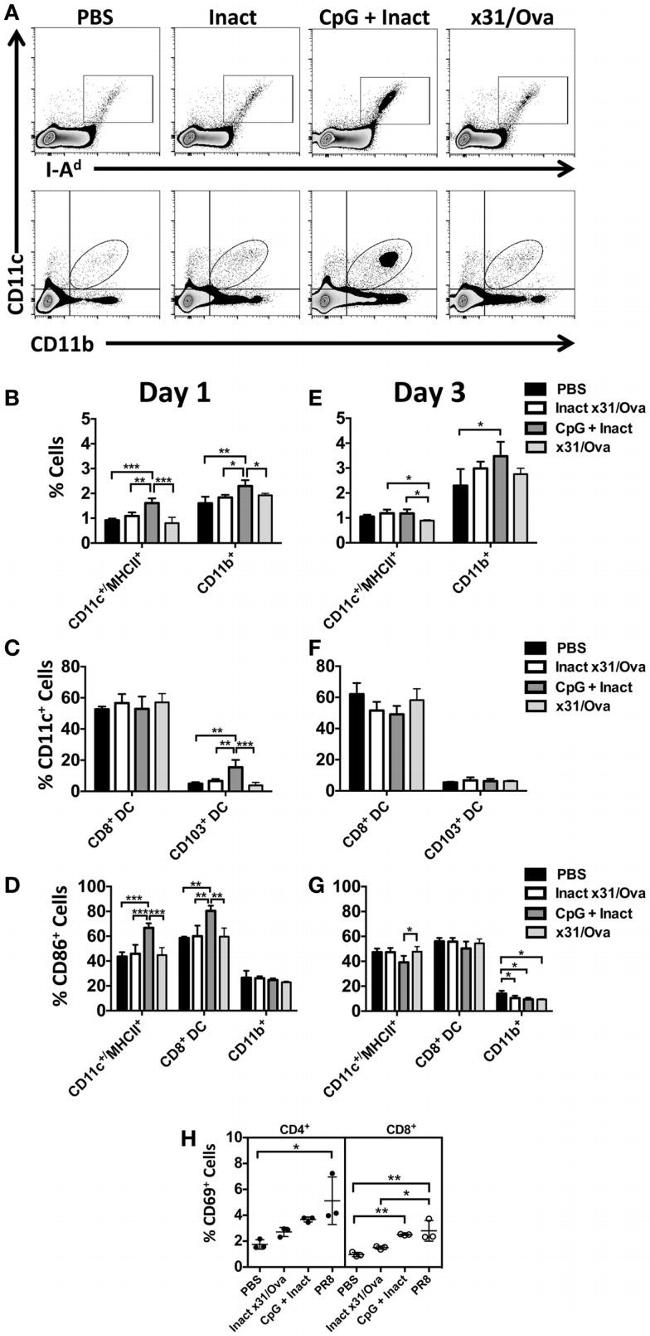
Single-Dose CpG Immunization Protects Against a Heterosubtypic Challenge and Generates Antigen-Specific Memory T Cells.
Frontiers in immunology
Vogel AJ,Brown DM
Published figure using CD69 monoclonal antibody (Product # 12-0691-82) in Flow Cytometry
Fri Jul 10 00:00:00 EDT 2015
Toll-Like receptor 2 (TLR2) and TLR9 play opposing roles in host innate immunity against Salmonella enterica serovar Typhimurium infection.
Infection and immunity
Zhan R,Han Q,Zhang C,Tian Z,Zhang J
12-0691 was used in Flow cytometry/Cell sorting to investigate the roles of TLR2 and TLR9 in regulating innate immunity against oral infection of Salmonella enterica serovar Typhimurium in mice.
Wed Apr 01 00:00:00 EDT 2015
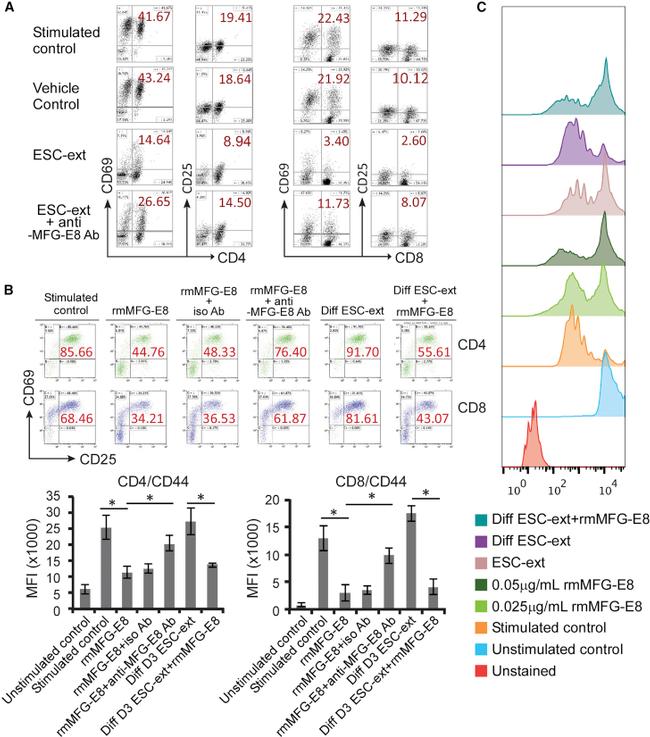
MFG-E8 Is Critical for Embryonic Stem Cell-Mediated T Cell Immunomodulation.
Stem cell reports
Tan Y,AlKhamees B,Jia D,Li L,Couture JF,Figeys D,Jinushi M,Wang L
Published figure using CD69 monoclonal antibody (Product # 12-0691-82) in Flow Cytometry
Tue Nov 10 00:00:00 EST 2015
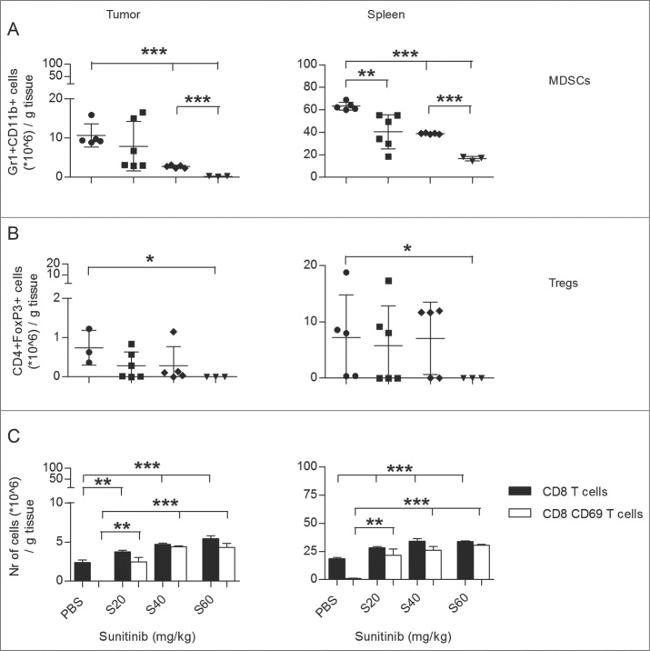
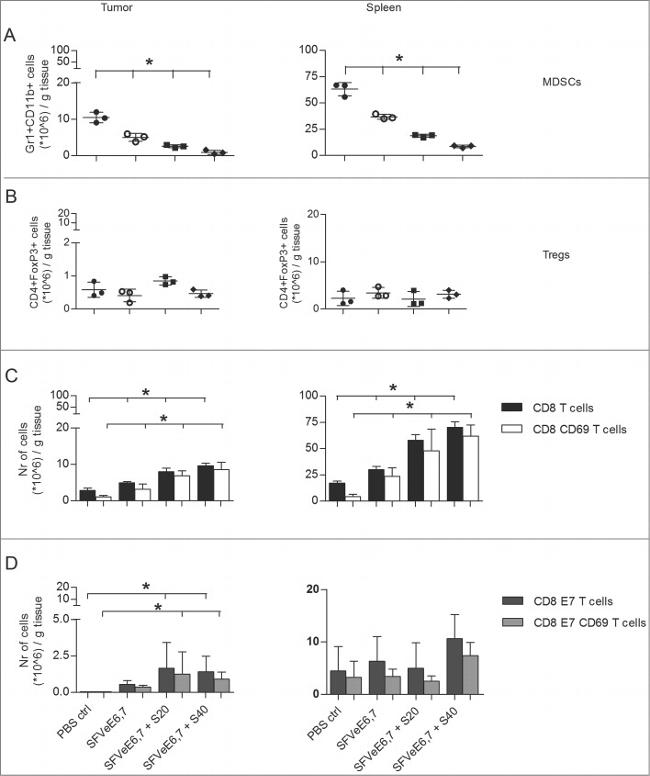
Sunitinib depletes myeloid-derived suppressor cells and synergizes with a cancer vaccine to enhance antigen-specific immune responses and tumor eradication.
Oncoimmunology
Draghiciu O,Nijman HW,Hoogeboom BN,Meijerhof T,Daemen T
Published figure using CD69 monoclonal antibody (Product # 12-0691-82) in Flow Cytometry
Sun Mar 01 00:00:00 EST 2015
Massage-like stroking boosts the immune system in mice.
Scientific reports
Major B,Rattazzi L,Brod S,Pilipović I,Leposavić G,D'Acquisto F
12-0691 was used in Flow cytometry/Cell sorting to explore the immunomodulatory function of stroking as a surrogate of massage-like therapy in mice.
Fri Jun 05 00:00:00 EDT 2015
Natural Killer Cells Mediate Protection against Yersinia pseudotuberculosis in the Mesenteric Lymph Nodes.
PloS one
Rosenheinrich M,Heine W,Schmühl CM,Pisano F,Dersch P
12-0691 was used in Flow cytometry/Cell sorting to characterise the role of natural killer cells in the response to the extracellular bacterial pathogen, yersiniae.
Tue May 10 00:00:00 EDT 2016
A gnotobiotic mouse model demonstrates that dietary fiber protects against colorectal tumorigenesis in a microbiota- and butyrate-dependent manner.
Cancer discovery
Donohoe DR,Holley D,Collins LB,Montgomery SA,Whitmore AC,Hillhouse A,Curry KP,Renner SW,Greenwalt A,Ryan EP,Godfrey V,Heise MT,Threadgill DS,Han A,Swenberg JA,Threadgill DW,Bultman SJ
12-0691 was used in Flow cytometry/Cell sorting to assess whether dietary fiber is protective in colorectal cancer.
Mon Dec 01 00:00:00 EST 2014
The miR-126-VEGFR2 axis controls the innate response to pathogen-associated nucleic acids.
Nature immunology
Agudo J,Ruzo A,Tung N,Salmon H,Leboeuf M,Hashimoto D,Becker C,Garrett-Sinha LA,Baccarini A,Merad M,Brown BD
12-0691 was used in Flow cytometry/Cell sorting to identify the miR-126-VEGFR2 axis as an important regulator of the innate response that operates through multiscale control of pDCs.
Wed Jan 01 00:00:00 EST 2014
The tyrosine phosphatase PTPN22 discriminates weak self peptides from strong agonist TCR signals.
Nature immunology
Salmond RJ,Brownlie RJ,Morrison VL,Zamoyska R
12-0691 was used in Flow cytometry/Cell sorting to study how loss-of-function PTPN22 alleles can lead to the population expansion of effector and/or memory T cells and a predisposition to human autoimmunity.
Mon Sep 01 00:00:00 EDT 2014
Bronchial epithelial injury in the context of alloimmunity promotes lymphocytic bronchiolitis through hyaluronan expression.
American journal of physiology. Lung cellular and molecular physiology
Stober VP,Szczesniak C,Childress Q,Heise RL,Bortner C,Hollingsworth JW,Neuringer IP,Palmer SM,Garantziotis S
12-0691 was used in Flow cytometry/Cell sorting to study the effect of sterile bronchial epithelial injuries on alloimmunity.
Sun Jun 01 00:00:00 EDT 2014
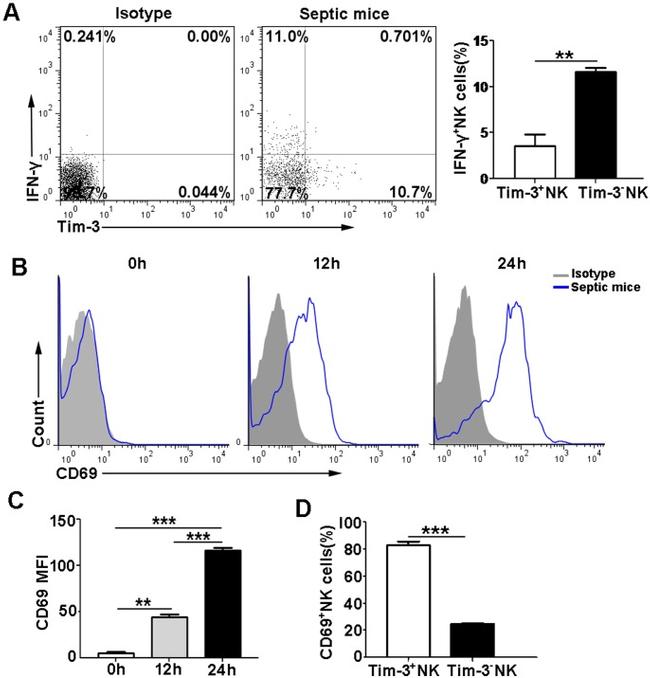
Tim-3 negatively mediates natural killer cell function in LPS-induced endotoxic shock.
PloS one
Hou H,Liu W,Wu S,Lu Y,Peng J,Zhu Y,Lu Y,Wang F,Sun Z
Published figure using CD69 monoclonal antibody (Product # 12-0691-82) in Flow Cytometry
Mon Jul 06 00:00:00 EDT 2015
Isoniazid induces apoptosis of activated CD4+ T cells: implications for post-therapy tuberculosis reactivation and reinfection.
The Journal of biological chemistry
Tousif S,Singh DK,Ahmad S,Moodley P,Bhattacharyya M,Van Kaer L,Das G
12-0691 was used in Flow cytometry/Cell sorting to show that Isoniazid treatment of Mycobacterium tuberculosis treatment is associated with immune impairment.
Fri Oct 31 00:00:00 EDT 2014
A peptide fragment from the human COX3 protein disrupts association of Mycobacterium tuberculosis virulence proteins ESAT-6 and CFP10, inhibits mycobacterial growth and mounts protective immune response.
BMC infectious diseases
Samuchiwal SK,Tousif S,Singh DK,Kumar A,Ghosh A,Bhalla K,Prakash P,Kumar S,Bhattacharyya M,Moodley P,Das G,Ranganathan A
12-0691 was used in in vitro experiments to show that disruption of ESAT-6:CFP10 association could be an alternate method for attenuating M. tuberculosis.
Tue Jul 01 00:00:00 EDT 2014
Targeting TIM-1 on CD4 T cells depresses macrophage activation and overcomes ischemia-reperfusion injury in mouse orthotopic liver transplantation.
American journal of transplantation : official journal of the American Society of Transplantation and the American Society of Transplant Surgeons
Zhang Y,Ji H,Shen X,Cai J,Gao F,Koenig KM,Batikian CM,Busuttil RW,Kupiec-Weglinski JW
12-0691 was used in Flow cytometry/Cell sorting to study how TIM-1 expressing CD4 T cells are required in the mechanism of innate immune-mediated hepatic IRI in OLTs.
Tue Jan 01 00:00:00 EST 2013
Dynamics of dendritic cell-derived vesicles: high-resolution flow cytometric analysis of extracellular vesicle quantity and quality.
Journal of leukocyte biology
Nolte-'t Hoen EN,van der Vlist EJ,de Boer-Brouwer M,Arkesteijn GJ,Stoorvogel W,Wauben MH
12-0691 was used in Flow cytometry/Cell sorting to study the dynamics of extracellular vesicle secretion and composition from dendritic cells..
Fri Mar 01 00:00:00 EST 2013
Markers of nonselective and specific NK cell activation.
Journal of immunology (Baltimore, Md. : 1950)
Fogel LA,Sun MM,Geurs TL,Carayannopoulos LN,French AR
12-0691 was used in Flow cytometry/Cell sorting to demonstrate that a combination of Sca-1, CD27, and KLRG1 can distinguish NK cells based on their mechanism of activation.
Sat Jun 15 00:00:00 EDT 2013
Prostaglandin E₂ promotes Th1 differentiation via synergistic amplification of IL-12 signalling by cAMP and PI3-kinase.
Nature communications
Yao C,Hirata T,Soontrapa K,Ma X,Takemori H,Narumiya S
12-0691 was used in Flow cytometry/Cell sorting to investigate the role of cAMP in Th1 differentiation, showing that prostaglandin E2 promotes differentiation via synergistic amplification of IL-12 signalling by cAMP and PI3-kinase.
Tue Oct 22 00:00:00 EDT 2013
Surveillance on the status of immune cells after Echinnococcus granulosus protoscoleces infection in Balb/c mice.
PloS one
Pan W,Zhou HJ,Shen YJ,Wang Y,Xu YX,Hu Y,Jiang YY,Yuan ZY,Ugwu CE,Cao JP
12-0691 was used in Flow cytometry/Cell sorting to investigate the systemic immune status of innate and adaptive immunity at 30, 180, 360 days post-infection in mice infected with E. granulousus.
Tue Jan 07 00:00:00 EST 2014
Trogocytosis of CD80 and CD86 by induced regulatory T cells.
Cellular & molecular immunology
Gu P,Gao JF,D'Souza CA,Kowalczyk A,Chou KY,Zhang L
12-0691 was used in Flow cytometry/Cell sorting to provide a novel understanding of the interaction between iTregs and DCs, and its role in iTreg-mediated immune suppression.
Thu Mar 01 00:00:00 EST 2012
The location of splenic NKT cells favours their rapid activation by blood-borne antigen.
The EMBO journal
Barral P,Sánchez-Niño MD,van Rooijen N,Cerundolo V,Batista FD
12-0691 was used in Flow cytometry/Cell sorting to study the distribution and dynamics of natural killer T cells within the spleen.
Wed May 16 00:00:00 EDT 2012
A non-mouse-adapted enterovirus 71 (EV71) strain exhibits neurotropism, causing neurological manifestations in a novel mouse model of EV71 infection.
Journal of virology
Khong WX,Yan B,Yeo H,Tan EL,Lee JJ,Ng JK,Chow VT,Alonso S
12-0691 was used in Flow cytometry/Cell sorting to demonstrate that young AG129 mice display polio-like neuropathogenesis upon infection with a non-mouse-adapted EV71 strain.
Wed Feb 01 00:00:00 EST 2012
CD69 regulates type I IFN-induced tolerogenic signals to mucosal CD4 T cells that attenuate their colitogenic potential.
Journal of immunology (Baltimore, Md. : 1950)
Radulovic K,Manta C,Rossini V,Holzmann K,Kestler HA,Wegenka UM,Nakayama T,Niess JH
12-0691 was used in Flow cytometry/Cell sorting to demonstrate that CD69 knockout can modulate mucosal CD4 T cells and increase colitis levels in a mouse transfer model of the disease.
Wed Feb 15 00:00:00 EST 2012
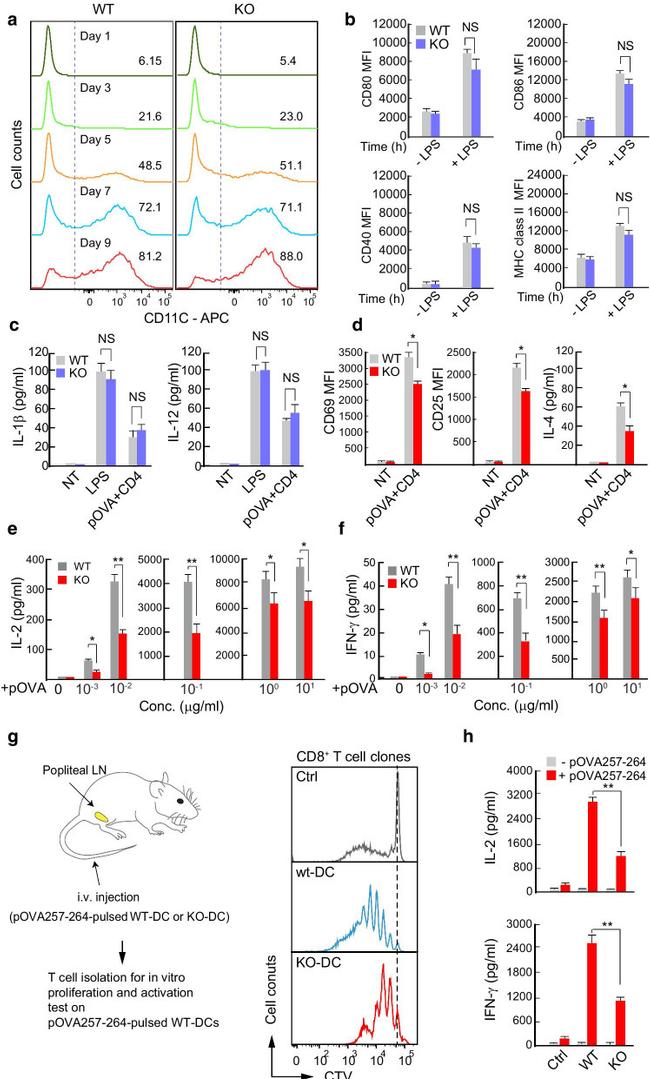
Dendritic cell-specific ablation of the protein tyrosine phosphatase Shp1 promotes Th1 cell differentiation and induces autoimmunity.
Journal of immunology (Baltimore, Md. : 1950)
Kaneko T,Saito Y,Kotani T,Okazawa H,Iwamura H,Sato-Hashimoto M,Kanazawa Y,Takahashi S,Hiromura K,Kusakari S,Kaneko Y,Murata Y,Ohnishi H,Nojima Y,Takagishi K,Matozaki T
12-0691 was used in Flow cytometry/Cell sorting to investigate the molecules that regulate dendritic cells to protect against autoimmunity, showing that loss of Shp1 promotes Th1 cell differentiation and induces autoimmunity.
Fri Jun 01 00:00:00 EDT 2012
Small intestinal intraepithelial lymphocytes expressing CD8 and T cell receptor γδ are involved in bacterial clearance during Salmonella enterica serovar Typhimurium infection.
Infection and immunity
Li Z,Zhang C,Zhou Z,Zhang J,Zhang J,Tian Z
12-0691 was used in Flow cytometry/Cell sorting to investigate the role of intestinal intraepithelial lymphocytes in responding to oral infection, showing that they express CD8 and T cell receptor γδ for bacterial clearance.
Wed Feb 01 00:00:00 EST 2012
Activation of the maternal immune system induces endocrine changes in the placenta via IL-6.
Brain, behavior, and immunity
Hsiao EY,Patterson PH
12-0691 was used in Flow cytometry/Cell sorting to investigate how the IL-6-mediated effects of MIA on the placenta represent an indirect mechanism by which MIA can alter fetal development.
Sun May 01 00:00:00 EDT 2011
A role for IL-27 in limiting T regulatory cell populations.
Journal of immunology (Baltimore, Md. : 1950)
Wojno ED,Hosken N,Stumhofer JS,O'Hara AC,Mauldin E,Fang Q,Turka LA,Levin SD,Hunter CA
12-0691 was used in Flow cytometry/Cell sorting to show that mice that overexpress IL-27 had decreased Treg frequencies and developed spontaneous inflammation.
Fri Jul 01 00:00:00 EDT 2011
CpG and non-CpG oligodeoxynucleotides directly costimulate mouse and human CD4+ T cells through a TLR9- and MyD88-independent mechanism.
Journal of immunology (Baltimore, Md. : 1950)
Landrigan A,Wong MT,Utz PJ
12-0691 was used in Flow cytometry/Cell sorting to study the ability of oligodeoxynucleotides to activate and polarise T cells.
Thu Sep 15 00:00:00 EDT 2011
T cell-intrinsic and -extrinsic contributions of the IFNAR/STAT1-axis to thymocyte survival.
PloS one
Moro H,Otero DC,Tanabe Y,David M
12-0691 was used in Flow cytometry/Cell sorting to demonstrate that type I interferons and STAT1 play an important role in the survival of MHC class I-restricted T cells.
Fri Feb 03 00:00:00 EST 2012
B cell depletion reduces the development of atherosclerosis in mice.
The Journal of experimental medicine
Ait-Oufella H,Herbin O,Bouaziz JD,Binder CJ,Uyttenhove C,Laurans L,Taleb S,Van Vré E,Esposito B,Vilar J,Sirvent J,Van Snick J,Tedgui A,Tedder TF,Mallat Z
12-0691 was used in Flow cytometry/Cell sorting to challenge the current paradigm that B cell activation plays an overall protective role in atherogenesis, and identify new antiatherogenic strategies based on B cell modulation.
Mon Aug 02 00:00:00 EDT 2010
Differential geminin requirement for proliferation of thymocytes and mature T cells.
Journal of immunology (Baltimore, Md. : 1950)
Karamitros D,Kotantaki P,Lygerou Z,Veiga-Fernandes H,Pachnis V,Kioussis D,Taraviras S
12-0691 was used in Flow cytometry/Cell sorting to gain insight into the in vivo role of Geminin in progenitor cell division and differentiation.
Mon Mar 01 00:00:00 EST 2010
Methyl gallate exhibits potent antitumor activities by inhibiting tumor infiltration of CD4+CD25+ regulatory T cells.
Journal of immunology (Baltimore, Md. : 1950)
Lee H,Lee H,Kwon Y,Lee JH,Kim J,Shin MK,Kim SH,Bae H
12-0691 was used in Flow cytometry/Cell sorting to study effect of Methyl gallate on Treg cells, leading to reduced tumour growth, due to reversing immune suppression.
Wed Dec 01 00:00:00 EST 2010
Increased killing of liver NK cells by Fas/Fas ligand and NKG2D/NKG2D ligand contributes to hepatocyte necrosis in virus-induced liver failure.
Journal of immunology (Baltimore, Md. : 1950)
Zou Y,Chen T,Han M,Wang H,Yan W,Song G,Wu Z,Wang X,Zhu C,Luo X,Ning Q
12-0691 was used in Flow cytometry/Cell sorting to reveal a pivotal role for liver natural killer cells in the pathogenesis of virus-induced fulminant hepatic failure and acute-on-chronic liver failure.
Fri Jan 01 00:00:00 EST 2010
Lymphotoxin beta receptor signaling promotes tertiary lymphoid organogenesis in the aorta adventitia of aged ApoE-/- mice.
The Journal of experimental medicine
Gräbner R,Lötzer K,Döpping S,Hildner M,Radke D,Beer M,Spanbroek R,Lippert B,Reardon CA,Getz GS,Fu YX,Hehlgans T,Mebius RE,van der Wall M,Kruspe D,Englert C,Lovas A,Hu D,Randolph GJ,Weih F,Habenicht AJ
12-0691 was used in Flow cytometry/Cell sorting to investigate how the LTbetaR pathway has a major role in shaping the immunological characteristics and overall integrity of the arterial wall.
Fri Jan 16 00:00:00 EST 2009
Epigenetic regulation of Foxp3 expression in regulatory T cells by DNA methylation.
Journal of immunology (Baltimore, Md. : 1950)
Lal G,Zhang N,van der Touw W,Ding Y,Ju W,Bottinger EP,Reid SP,Levy DE,Bromberg JS
12-0691 was used in Flow cytometry/Cell sorting to investigate Foxp3 as the master switch for Tregs, showing that expression is regulated by DNA methylation in Tregs.
Thu Jan 01 00:00:00 EST 2009
CXCL9, but not CXCL10, promotes CXCR3-dependent immune-mediated kidney disease.
Journal of the American Society of Nephrology : JASN
Menke J,Zeller GC,Kikawada E,Means TK,Huang XR,Lan HY,Lu B,Farber J,Luster AD,Kelley VR
12-0691 was used in Flow cytometry/Cell sorting to identify additional therapeutic chemokine targets for immune-mediated nephritis.
Sun Jun 01 00:00:00 EDT 2008
Synergistic antitumor effects of CpG oligodeoxynucleotide and STAT3 inhibitory agent JSI-124 in a mouse melanoma tumor model.
Immunology and cell biology
Molavi O,Ma Z,Hamdy S,Lai R,Lavasanifar A,Samuel J
12-0691 was used in Flow cytometry/Cell sorting to provide the proof-of-principle for combining CpG and JSI-124 to enhance anti-tumour immune responses.
Mon Oct 20 00:00:00 EDT 2008
Activated CD8 T cells redistribute to antigen-free lymph nodes and exhibit effector and memory characteristics.
Journal of immunology (Baltimore, Md. : 1950)
Brinkman CC,Sheasley-O'Neill SL,Ferguson AR,Engelhard VH
12-0691 was used in Flow cytometry/Cell sorting to characterise the activation and differentiation of CD8 T cells in individual lymphoid compartments over time, and their migration between compartments.
Fri Aug 01 00:00:00 EDT 2008
Pathogenic role of B cells and antibodies in murine Leishmania amazonensis infection.
International journal for parasitology
Wanasen N,Xin L,Soong L
12-0691 was used in Flow cytometry/Cell sorting to suggest that B cell activity enhances L. amazonensis infection by promoting T cell priming and cellular migration to the infection site.
Sat Mar 01 00:00:00 EST 2008
Role of natural killer cells in modulating dendritic cell responses to Leishmania amazonensis infection.
Infection and immunity
Sanabria MX,Vargas-Inchaustegui DA,Xin L,Soong L
12-0691 was used in Flow cytometry/Cell sorting to suggest differential roles of DC-NK cell cross talk at different stages of Leishmania infection.
Sat Nov 01 00:00:00 EDT 2008
Primary activation of antigen-specific naive CD4+ and CD8+ T cells following intranasal vaccination with recombinant bacteria.
Infection and immunity
Ciabattini A,Pettini E,Andersen P,Pozzi G,Medaglini D
12-0691 was used in Flow cytometry/Cell sorting to study the primary activation of T cells following mucosal immunisation with recombinant Streptococcus gordonii.
Mon Dec 01 00:00:00 EST 2008
Annexin-1 modulates T-cell activation and differentiation.
Blood
D'Acquisto F,Merghani A,Lecona E,Rosignoli G,Raza K,Buckley CD,Flower RJ,Perretti M
12-0691 was used in Flow cytometry/Cell sorting to demonstrate that annexin-1 is a molecular "tuner" of T-cell receptor signalling.
Thu Feb 01 00:00:00 EST 2007
Immature hematopoietic cells display selective requirements for adhesion- and degranulation-promoting adaptor protein in development and homeostatsis.
European journal of immunology
Dluzniewska J,Zou L,Harmon IR,Ellingson MT,Peterson EJ
12-0691-82 was used in Flow Cytometry to highlight the dynamic regulation of ADAP during T cell maturation and document expression patterns that suggest a possible role for ADAP in development of non-T hematopoietic lineages.
Thu Nov 01 00:00:00 EDT 2007
Modulation of naive CD4+ T-cell responses to an airway antigen during pulmonary mycobacterial infection.
Infection and immunity
Anis MM,Fulton SA,Reba SM,Harding CV,Boom WH
Published figure using CD69 monoclonal antibody (Product # 12-0691-82) in Flow Cytometry
Tue May 01 00:00:00 EDT 2007
Role of interleukin-1beta in activating the CD11c(high) CD45RB- dendritic cell subset and priming Leishmania amazonensis-specific CD4+ T cells in vitro and in vivo.
Infection and immunity
Xin L,Li Y,Soong L
12-0691 was used in Flow cytometry/Cell sorting to investigate the mechanism by which the Leishmania amazonensis parasite modulates antigen-presenting cells and disrupts the immune system.
Mon Oct 01 00:00:00 EDT 2007
Poly I:C prevents T cell-mediated hepatitis via an NK-dependent mechanism.
Journal of hepatology
Wang J,Sun R,Wei H,Dong Z,Gao B,Tian Z
12-0691 was used in Flow cytometry/Cell sorting to study the prevention of T-cell mediated hepatitis by Poly I:C via an NK-dependent mechanism.
Wed Mar 01 00:00:00 EST 2006
Regulation of B1 cell migration by signals through Toll-like receptors.
The Journal of experimental medicine
Ha SA,Tsuji M,Suzuki K,Meek B,Yasuda N,Kaisho T,Fagarasan S
12-0691 was used in Flow cytometry/Cell sorting to demonstrate that direct signals through Toll-like receptors induce specific, rapid, and transient down-regulation of integrins and CD9 on B1 cells.
Mon Oct 30 00:00:00 EST 2006
Thymic output in aged mice.
Proceedings of the National Academy of Sciences of the United States of America
Hale JS,Boursalian TE,Turk GL,Fink PJ
12-0691 was used in Flow cytometry/Cell sorting to analyse the function and population dynamics of newly emigrated T-cells in aged mice.
Tue May 30 00:00:00 EDT 2006
Cytosolic entry controls CD8+-T-cell potency during bacterial infection.
Infection and immunity
Bahjat KS,Liu W,Lemmens EE,Schoenberger SP,Portnoy DA,Dubensky TW,Brockstedt DG
12-0691 was used in Flow cytometry/Cell sorting to investigate microbial invasion of the cytosol as a key factor in inducing CD8+- T cell-mediated protection against L.monocytogenes.
Wed Nov 01 00:00:00 EST 2006
Involvement of p38 mitogen-activated protein kinase in different stages of thymocyte development.
Blood
Hsu SC,Wu CC,Han J,Lai MZ
12-0691 was used in Western Blotting to demonstrate that, in addition to early thymocyte development, p38 is involved in positive selection.
Sat Feb 01 00:00:00 EST 2003
Increased p300 expression inhibits glucocorticoid receptor-T-cell receptor antagonism but does not affect thymocyte positive selection.
Molecular and cellular biology
Yu CT,Feng MH,Shih HM,Lai MZ
12-0691 was used in Western Blotting to determine the effects of increased p300 expression on GR-TCR crosstalk between thymocytes.
Mon Jul 01 00:00:00 EDT 2002
Increased p300 expression inhibits glucocorticoid receptor-T-cell receptor antagonism but does not affect thymocyte positive selection.
Molecular and cellular biology
Yu CT,Feng MH,Shih HM,Lai MZ
12-0691 was used in Western Blotting to determine the effects of increased p300 expression on GR-TCR crosstalk between thymocytes.
Mon Jul 01 00:00:00 EDT 2002
Increased p300 expression inhibits glucocorticoid receptor-T-cell receptor antagonism but does not affect thymocyte positive selection.
Molecular and cellular biology
Yu CT,Feng MH,Shih HM,Lai MZ
12-0691 was used in Western Blotting to determine the effects of increased p300 expression on GR-TCR crosstalk between thymocytes.
Mon Jul 01 00:00:00 EDT 2002