Product References
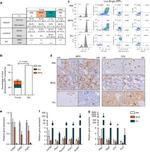
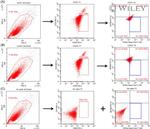
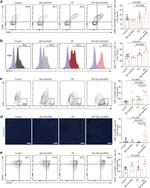
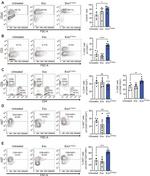
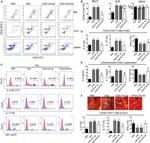
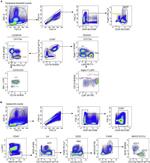
NCR negative group 3 innate lymphoid cell (NCR- ILC3) participates in abnormal pathology of lung in cigarette smoking-induced COPD mice.
Immunity, inflammation and disease
Chu S,Ma L,Yang X,Xiao B,Liang Y,Zheng S,Li L
Published figure using CD3e monoclonal antibody (Product # 53-0031-82) in Flow Cytometry
Wed Mar 01 00:00:00 EST 2023
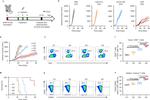
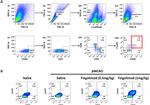
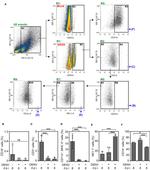
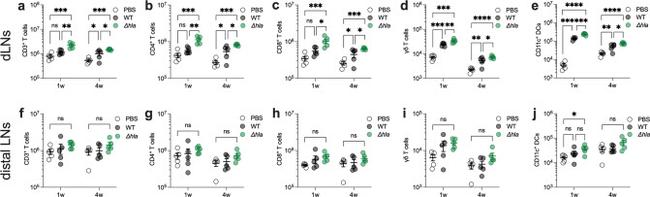
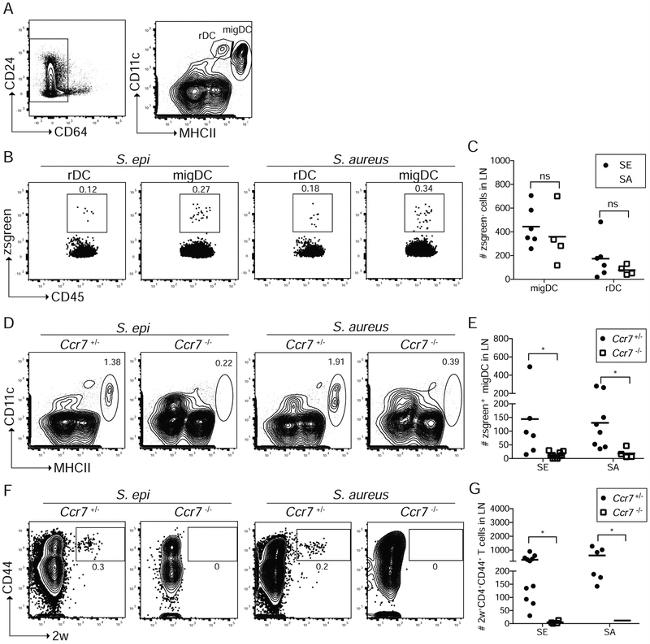
Toxin expression during Staphylococcus aureus infection imprints host immunity to inhibit vaccine efficacy.
NPJ vaccines
Teymournejad O,Li Z,Beesetty P,Yang C,Montgomery CP
Published figure using CD3e monoclonal antibody (Product # 53-0031-82) in Flow Cytometry
Tue Jan 24 00:00:00 EST 2023
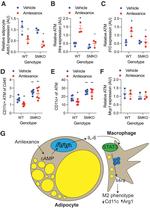
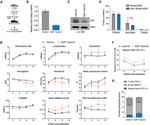
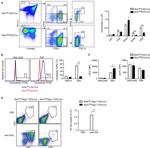
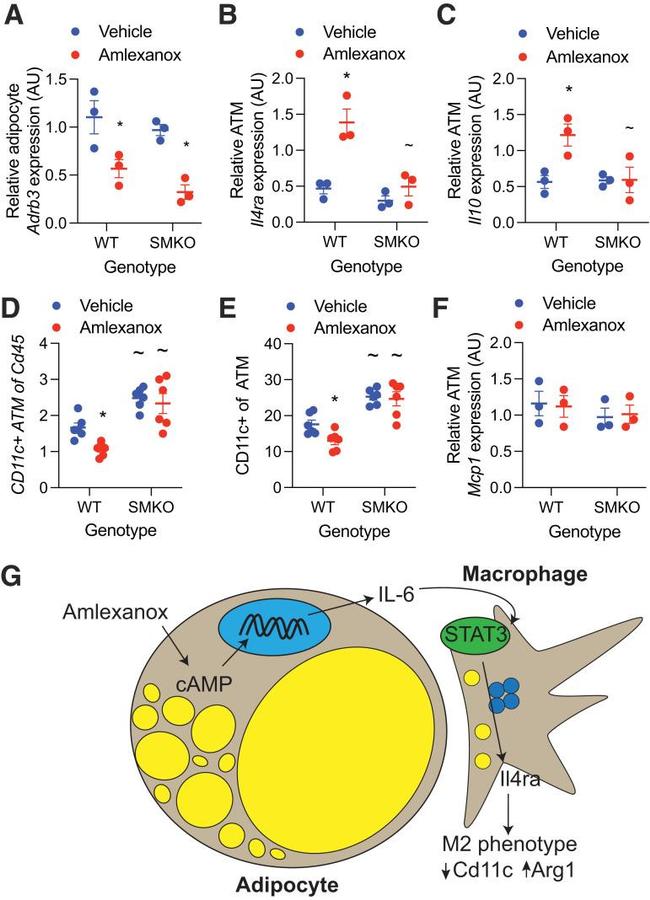
Adipocyte-Secreted IL-6 Sensitizes Macrophages to IL-4 Signaling.
Diabetes
Luan D,Dadpey B,Zaid J,Bridge-Comer PE,DeLuca JH,Xia W,Castle J,Reilly SM
Published figure using CD3e monoclonal antibody (Product # 53-0031-82) in Flow Cytometry
Wed Mar 01 00:00:00 EST 2023
Pomegranate Peel Extract Decreases Plaque Necrosis and Advanced Atherosclerosis Progression in Apoe Mice.
Frontiers in pharmacology
Manickam V,Dhawan UK,Singh D,Gupta M,Subramanian M
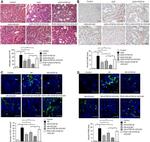
Published figure using CD3e monoclonal antibody (Product # 53-0031-82) in Immunohistochemistry
Sat Jul 16 00:00:00 EDT 2022
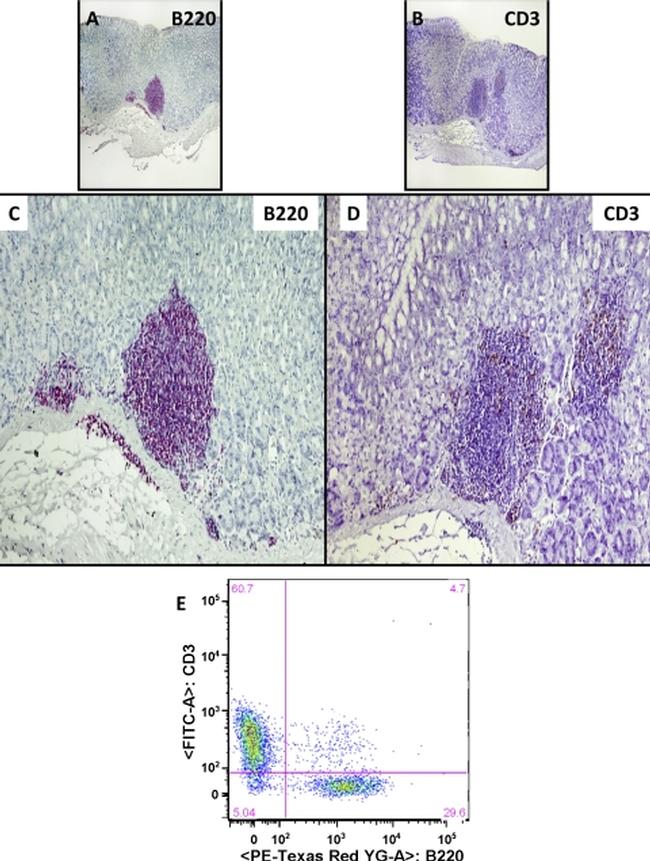
Btla signaling in conventional and regulatory lymphocytes coordinately tempers humoral immunity in the intestinal mucosa.
Cell reports
Stienne C,Virgen-Slane R,Elmén L,Veny M,Huang S,Nguyen J,Chappell E,Balmert MO,Shui JW,Hurchla MA,Kronenberg M,Peterson SN,Murphy KM,Ware CF,Šedý JR
Published figure using CD3e monoclonal antibody (Product # 53-0031-82) in Immunohistochemistry
Tue Mar 22 00:00:00 EDT 2022
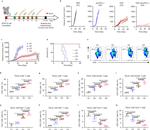
Neoantigen cancer vaccine augments anti-CTLA-4 efficacy.
NPJ vaccines
Salvatori E,Lione L,Compagnone M,Pinto E,Conforti A,Ciliberto G,Aurisicchio L,Palombo F
53-0031-82 was used in Flow Cytometry to support the use of NCV delivered by DNA-EP with αCTLA-4 and suggest a new combined therapy for clinical testing.
Wed Feb 02 00:00:00 EST 2022
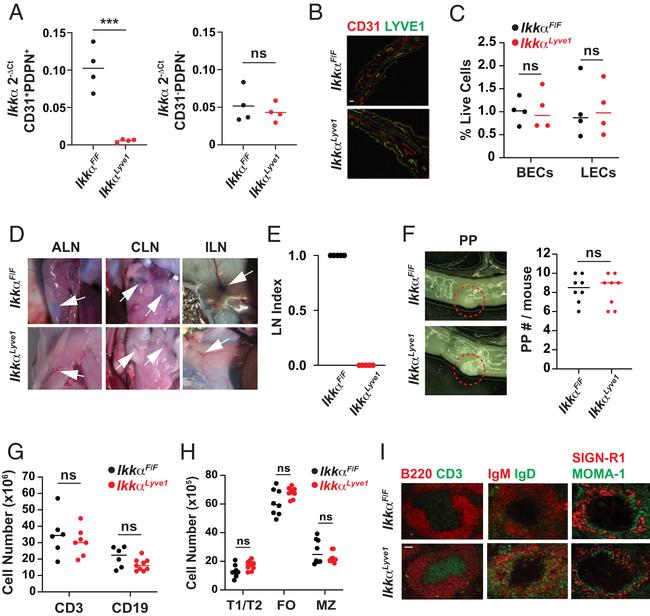
Lymph node formation and B cell homeostasis require IKK-α in distinct endothelial cell-derived compartments.
Proceedings of the National Academy of Sciences of the United States of America
McCorkell KA,Jayachandran N,Cully MD,Freund-Brown J,Weinkopff T,Monslow J,Hu Y,Puré E,Freedman BD,Alvarez JI,Cancro MP,May MJ
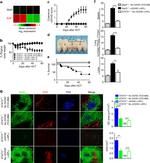
Published figure using CD3e monoclonal antibody (Product # 53-0031-82) in Immunohistochemistry
Tue Nov 30 00:00:00 EST 2021
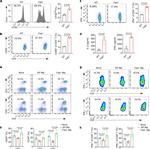
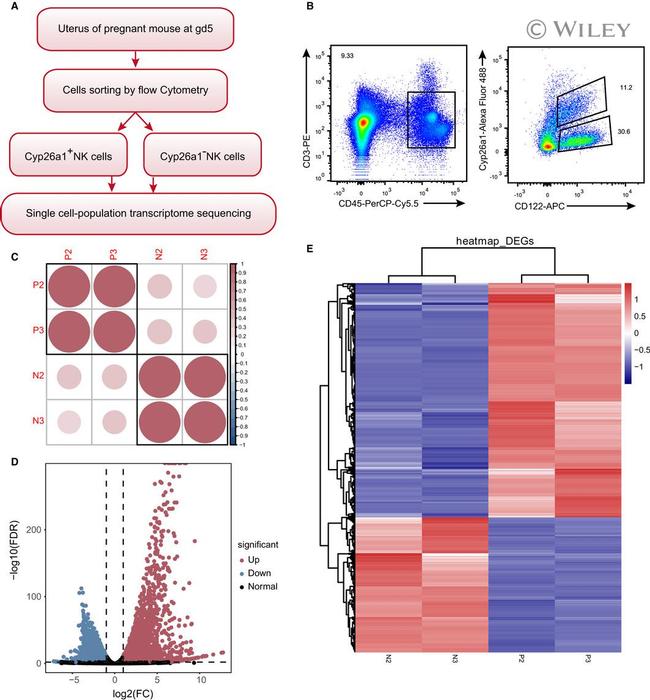
A novel Cytochrome P450 26A1 expressing NK cell subset at the mouse maternal-foetal interface.
Journal of cellular and molecular medicine
Wei DP,Li DD,Gu AQ,Ji WH,Yang Y,Peng JP
Published figure using CD3e monoclonal antibody (Product # 53-0031-82) in Flow Cytometry
Mon Feb 01 00:00:00 EST 2021
Activated autophagy restored the impaired frequency and function of regulatory T cells in chronic prostatitis.
The Prostate
Liu Y,Zhang Y,Zhang M,Meng J,Ma Q,Hao Z,Zheng M,Zhang L,Chen X,Liang C
Published figure using CD3e monoclonal antibody (Product # 53-0031-82) in T-Cell Activation
Fri Jan 01 00:00:00 EST 2021
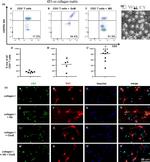
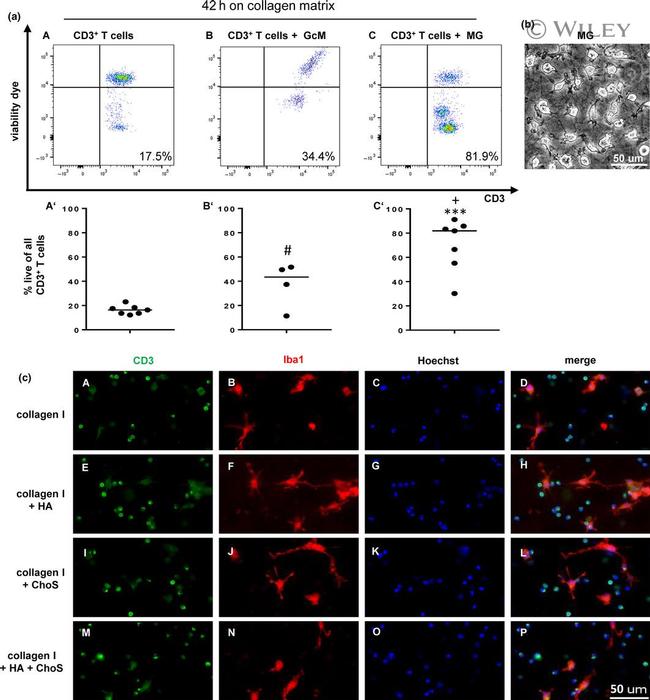
Construction of a 3D brain extracellular matrix model to study the interaction between microglia and T cells in co-culture.
The European journal of neuroscience
Frühauf M,Zeitschel U,Höfling C,Ullm F,Rabiger FV,Alber G,Pompe T,Müller U,Roßner S
Published figure using CD3e monoclonal antibody (Product # 53-0031-82) in Flow Cytometry
Tue Jun 01 00:00:00 EDT 2021
Imbalance between T helper 1 and regulatory T cells plays a detrimental role in experimental Parkinson's disease in mice.
The Journal of international medical research
Li W,Luo Y,Xu H,Ma Q,Yao Q
Published figure using CD3e monoclonal antibody (Product # 53-0031-82) in Flow Cytometry
Thu Apr 01 00:00:00 EDT 2021
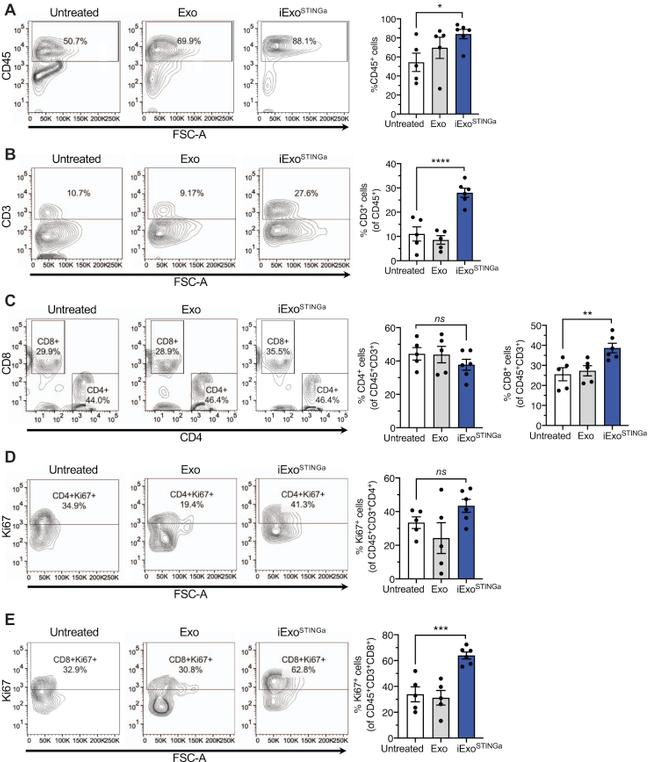
Effective delivery of STING agonist using exosomes suppresses tumor growth and enhances antitumor immunity.
The Journal of biological chemistry
McAndrews KM,Che SPY,LeBleu VS,Kalluri R
Published figure using CD3e monoclonal antibody (Product # 53-0031-82) in Flow Cytometry
Fri Aug 20 00:00:00 EDT 2021
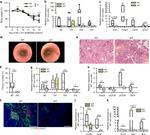
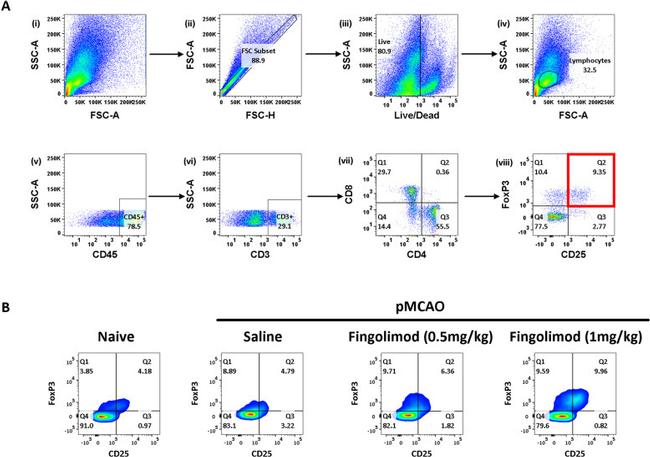
The effect of fingolimod on regulatory T cells in a mouse model of brain ischaemia.
Journal of neuroinflammation
Malone K,Diaz Diaz AC,Shearer JA,Moore AC,Waeber C
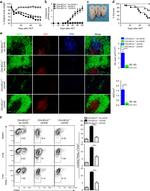
Published figure using CD3e monoclonal antibody (Product # 53-0031-82) in Immunohistochemistry
Sat Jan 30 00:00:00 EST 2021
The effect of fingolimod on regulatory T cells in a mouse model of brain ischaemia.
Journal of neuroinflammation
Malone K,Diaz Diaz AC,Shearer JA,Moore AC,Waeber C
Published figure using CD3e monoclonal antibody (Product # 53-0031-82) in Immunohistochemistry
Sat Jan 30 00:00:00 EST 2021
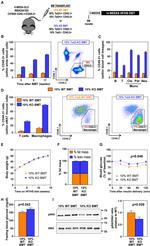
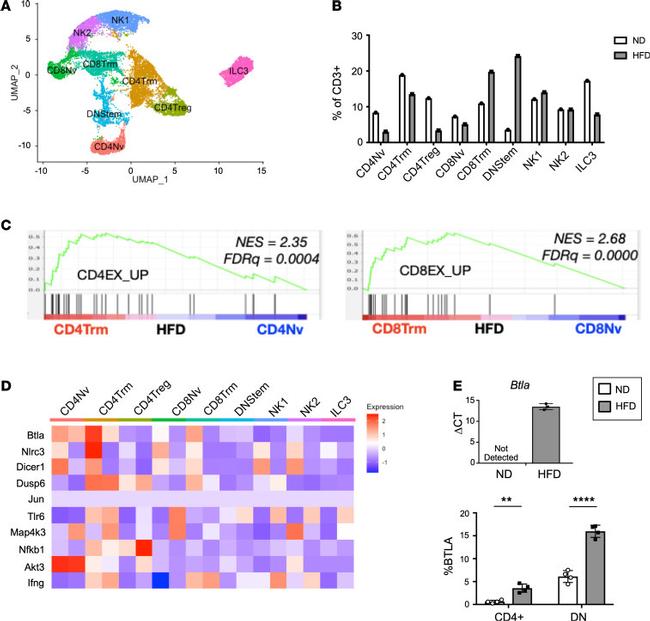
Obesity results in adipose tissue T cell exhaustion.
JCI insight
Porsche CE,Delproposto JB,Geletka L,O'Rourke R,Lumeng CN
Published figure using CD3e monoclonal antibody (Product # 53-0031-82) in Flow Cytometry
Thu Apr 22 00:00:00 EDT 2021
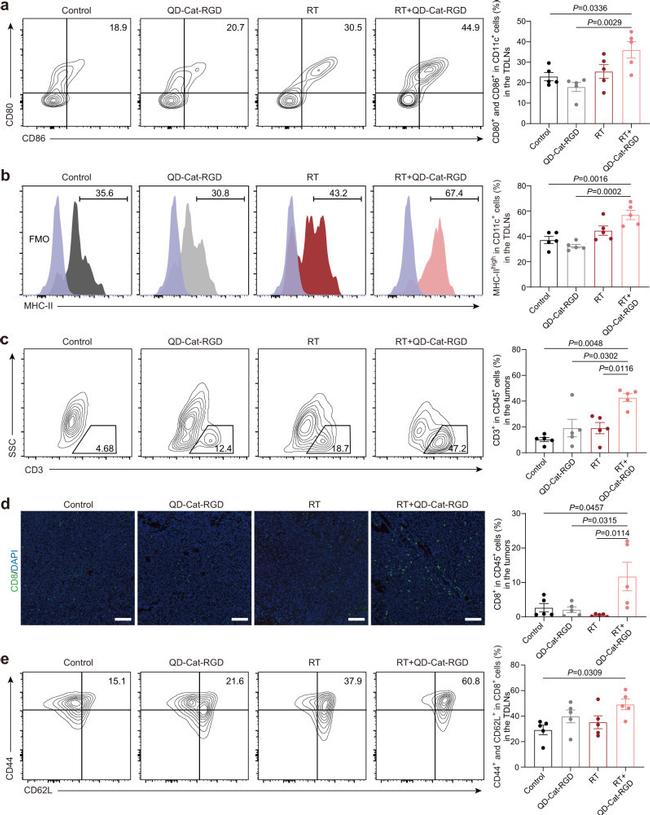
Theranostic near-infrared-IIb emitting nanoprobes for promoting immunogenic radiotherapy and abscopal effects against cancer metastasis.
Nature communications
Li H,Wang M,Huang B,Zhu SW,Zhou JJ,Chen DR,Cui R,Zhang M,Sun ZJ
Published figure using CD3e monoclonal antibody (Product # 53-0031-82) in Flow Cytometry
Thu Dec 09 00:00:00 EST 2021
Hypoxia-sensing CAR T cells provide safety and efficacy in treating solid tumors.
Cell reports. Medicine
Kosti P,Opzoomer JW,Larios-Martinez KI,Henley-Smith R,Scudamore CL,Okesola M,Taher MYM,Davies DM,Muliaditan T,Larcombe-Young D,Woodman N,Gillett CE,Thavaraj S,Maher J,Arnold JN
Published figure using CD3e monoclonal antibody (Product # 53-0031-82) in Flow Cytometry
Tue Apr 20 00:00:00 EDT 2021
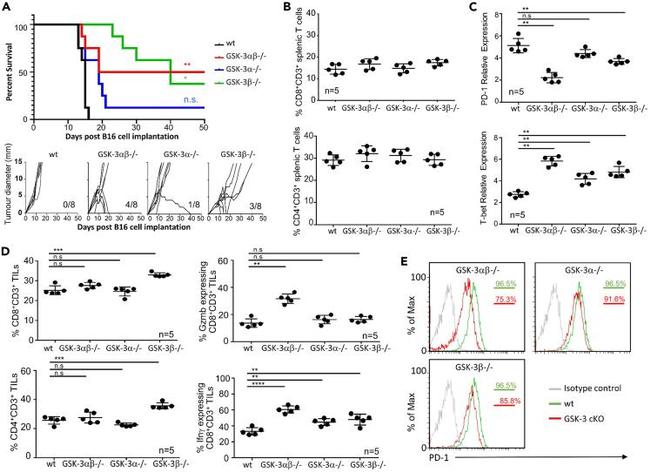
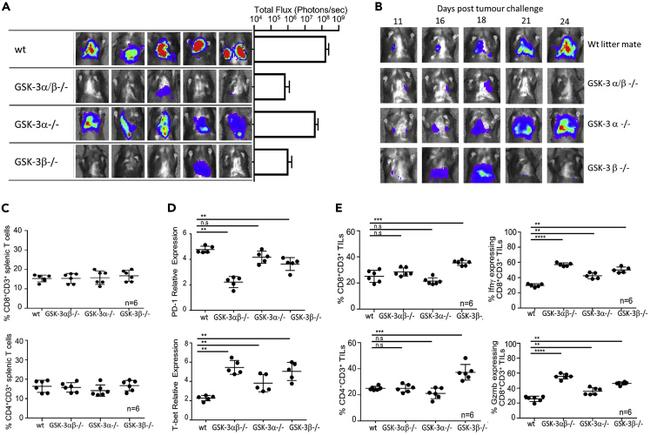
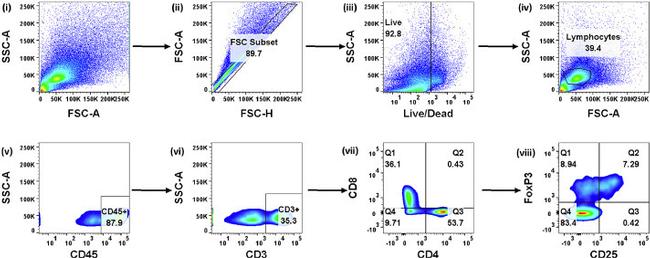
Non-redundant activity of GSK-3α and GSK-3β in T cell-mediated tumor rejection.
iScience
Steele L,Mannion AJ,Shaw G,Maclennan KA,Cook GP,Rudd CE,Taylor A
Published figure using CD3e monoclonal antibody (Product # 53-0031-82) in Flow Cytometry
Fri Jun 25 00:00:00 EDT 2021
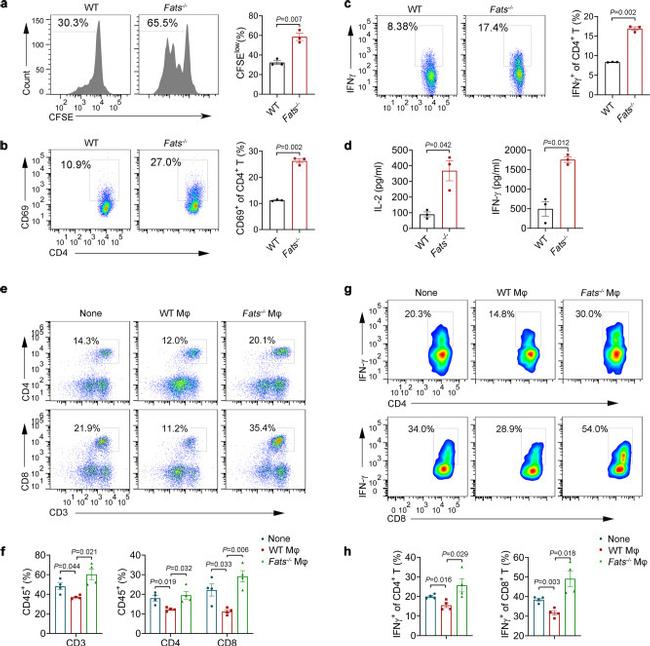
Loss of fragile site-associated tumor suppressor promotes antitumor immunity via macrophage polarization.
Nature communications
Zhang L,Zhang K,Zhang J,Zhu J,Xi Q,Wang H,Zhang Z,Cheng Y,Yang G,Liu H,Guo X,Zhou D,Xue Z,Li Y,Zhang Q,Da Y,Liu L,Yin Z,Yao Z,Zhang R
Published figure using CD3e monoclonal antibody (Product # 53-0031-82) in Flow Cytometry
Wed Jul 14 00:00:00 EDT 2021
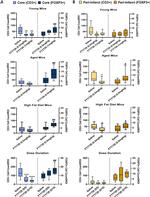
Histological, behavioural and flow cytometric datasets relating to acute ischaemic stroke in young, aged and ApoE-/- mice in the presence and absence of immunomodulation with fingolimod.
Data in brief
Diaz Diaz AC,Malone K,Shearer JA,Moore AC,Waeber C
Published figure using CD3e monoclonal antibody (Product # 53-0031-82) in Flow Cytometry
Tue Jun 01 00:00:00 EDT 2021
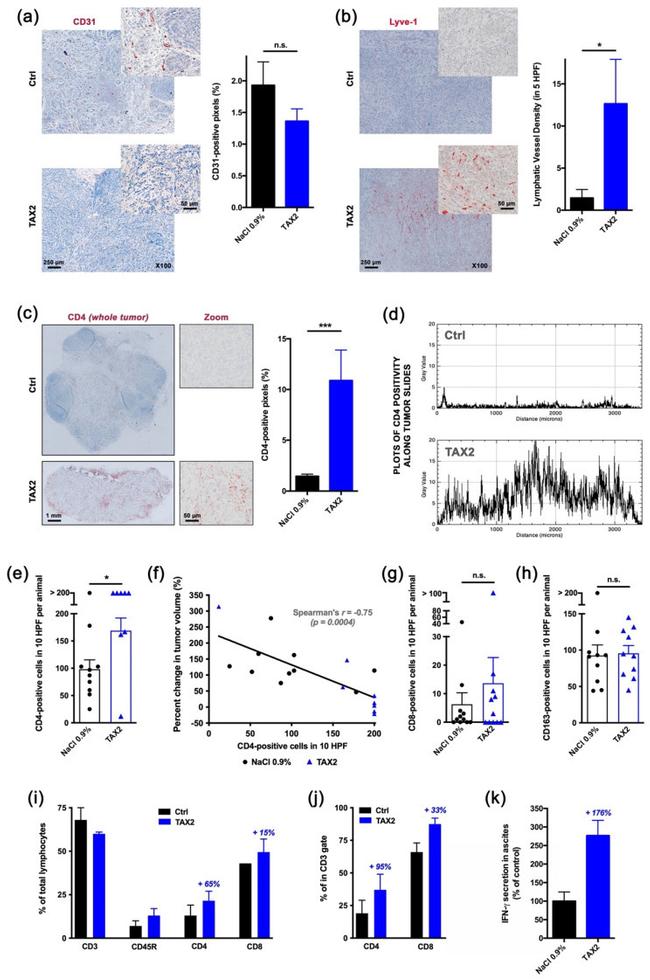
Targeting Ovarian Carcinoma with TSP-1:CD47 Antagonist TAX2 Activates Anti-Tumor Immunity.
Cancers
Jeanne A,Sarazin T,Charlé M,Moali C,Fichel C,Boulagnon-Rombi C,Callewaert M,Andry MC,Diesis E,Delolme F,Rioult D,Dedieu S
Published figure using CD3e monoclonal antibody (Product # 53-0031-82) in Flow Cytometry
Thu Oct 07 00:00:00 EDT 2021
A nanounit strategy reverses immune suppression of exosomal PD-L1 and is associated with enhanced ferroptosis.
Nature communications
Wang G,Xie L,Li B,Sang W,Yan J,Li J,Tian H,Li W,Zhang Z,Tian Y,Dai Y
Published figure using CD3e monoclonal antibody (Product # 53-0031-82) in Flow Cytometry
Thu Sep 30 00:00:00 EDT 2021
JNK1 and ERK1/2 modulate lymphocyte homeostasis via BIM and DRP1 upon AICD induction.
Cell death and differentiation
Simula L,Corrado M,Accordi B,Di Rita A,Nazio F,Antonucci Y,Di Daniele A,Caicci F,Caruana I,Soriano ME,Pigazzi M,Locatelli F,Cecconi F,Campello S
Published figure using CD3e monoclonal antibody (Product # 53-0031-82) in T-Cell Activation
Thu Oct 01 00:00:00 EDT 2020
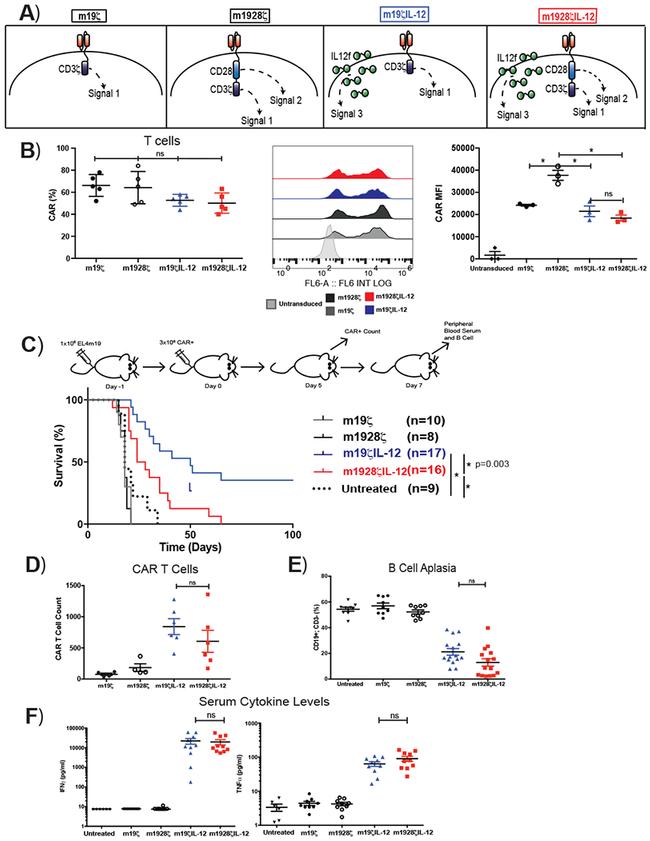
Excessive Costimulation Leads to Dysfunction of Adoptively Transferred T Cells.
Cancer immunology research
Wijewarnasuriya D,Bebernitz C,Lopez AV,Rafiq S,Brentjens RJ
Published figure using CD3e monoclonal antibody (Product # 53-0031-82) in Flow Cytometry
Mon Jun 01 00:00:00 EDT 2020
SYLARAS: A Platform for the Statistical Analysis and Visual Display of Systemic Immunoprofiling Data and Its Application to Glioblastoma.
Cell systems
Baker GJ,Muhlich JL,Palaniappan SK,Moore JK,Davis SH,Santagata S,Sorger PK
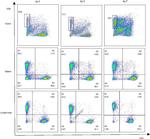
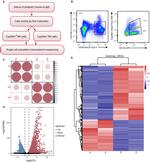
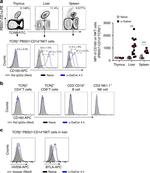
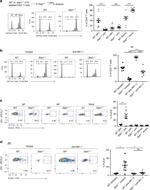
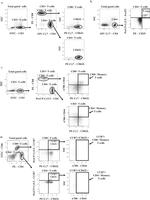
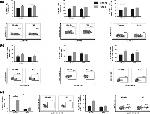
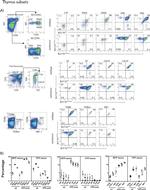
53-0031-80 was used in Flow Cytometry to describe the SYLARAS software tool (systemic lymphoid architecture response assessment) and a dataset collected with SYLARAS that describes the frequencies of immune cells in primary and secondary lymphoid organs and in the tumor microenvironment of mice engrafted with a standard syngeneic glioblastoma (GBM) model.
Wed Sep 23 00:00:00 EDT 2020
Antitumor Effect and Immune Response of Nanosecond Pulsed Electric Fields in Pancreatic Cancer.
Frontiers in oncology
Zhao J,Chen S,Zhu L,Zhang L,Liu J,Xu D,Tian G,Jiang T
Published figure using CD3e monoclonal antibody (Product # 53-0031-82) in Flow Cytometry
Fri Oct 28 00:00:00 EDT 2022
Enhanced alleviation of aGVHD by TGF-β1-modified mesenchymal stem cells in mice through shifting MΦ into M2 phenotype and promoting the differentiation of Treg cells.
Journal of cellular and molecular medicine
Wu R,Liu C,Deng X,Chen L,Hao S,Ma L
Published figure using CD3e monoclonal antibody (Product # 53-0031-82) in Flow Cytometry
Wed Jan 01 00:00:00 EST 2020
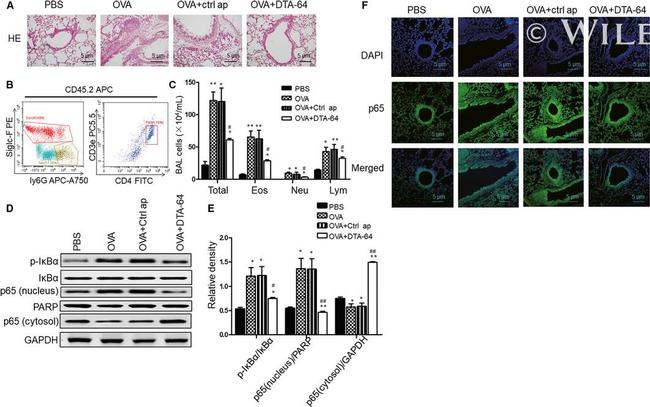
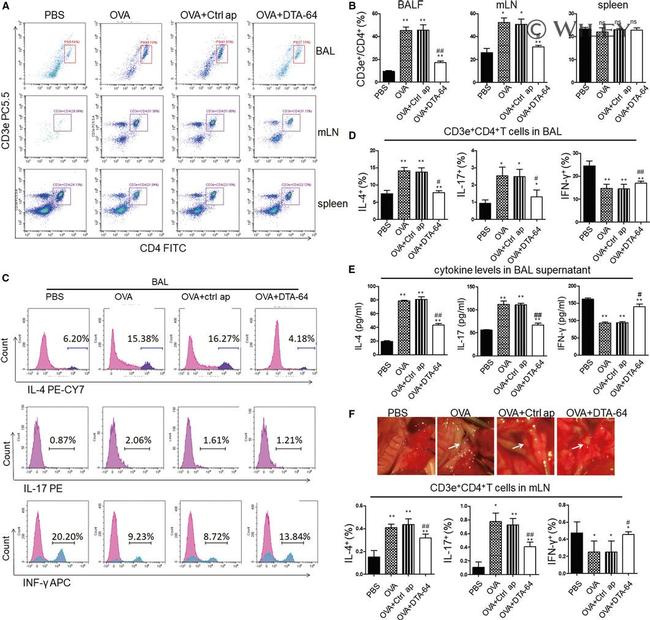
DEK-targeting aptamer DTA-64 attenuates bronchial EMT-mediated airway remodelling by suppressing TGF-β1/Smad, MAPK and PI3K signalling pathway in asthma.
Journal of cellular and molecular medicine
Song Y,Wang Z,Jiang J,Piao Y,Li L,Xu C,Piao H,Li L,Yan G
Published figure using CD3e monoclonal antibody (Product # 53-0031-82) in Flow Cytometry
Tue Dec 01 00:00:00 EST 2020
Pyruvate kinase M2 in lung APCs regulates Alternaria-induced airway inflammation.
Immunobiology
Jaiswal AK,Makhija S,Stahr N,Sandey M,Suryawanshi A,Mishra A
53-0031-82 was used in Flow Cytometry to support a model in which Alternaria sensitization in airways induce a circuitry of glycolysis and PKM2 regulation that confers an acute activation of APCs in the lung, whose targeting might represent a strategy for asthma treatment.
Wed Jul 01 00:00:00 EDT 2020
Impact of S1P Mimetics on Mesenteric Ischemia/Reperfusion Injury.
Pharmaceuticals (Basel, Switzerland)
Potì F,Giorgio C,Zini I,Nofer JR,Vivo V,Palese S,Ballabeni V,Barocelli E,Bertoni S
Published figure using CD3e monoclonal antibody (Product # 53-0031-82) in Flow Cytometry
Fri Oct 09 00:00:00 EDT 2020
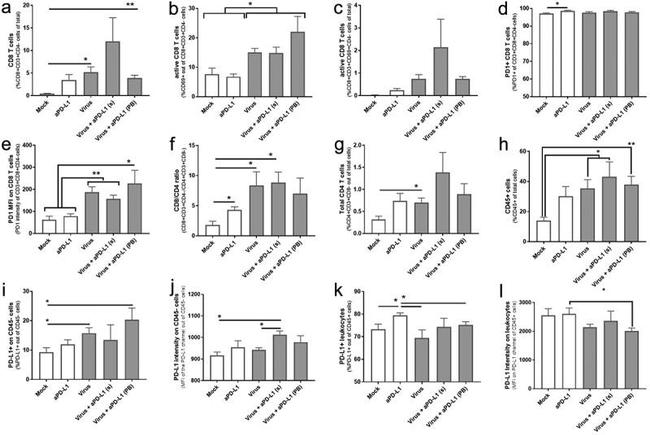
Tumor microenvironment remodeling by an engineered oncolytic adenovirus results in improved outcome from PD-L1 inhibition.
Oncoimmunology
Cervera-Carrascon V,Quixabeira DCA,Santos JM,Havunen R,Zafar S,Hemminki O,Heiniö C,Munaro E,Siurala M,Sorsa S,Mirtti T,Järvinen P,Mildh M,Nisen H,Rannikko A,Anttila M,Kanerva A,Hemminki A
Published figure using CD3e monoclonal antibody (Product # 53-0031-82) in Flow Cytometry
Fri May 22 00:00:00 EDT 2020
Optimization of Organotypic Cultures of Mouse Spleen for Staining and Functional Assays.
Frontiers in immunology
Finetti F,Capitani N,Manganaro N,Tatangelo V,Libonati F,Panattoni G,Calaresu I,Ballerini L,Baldari CT,Patrussi L
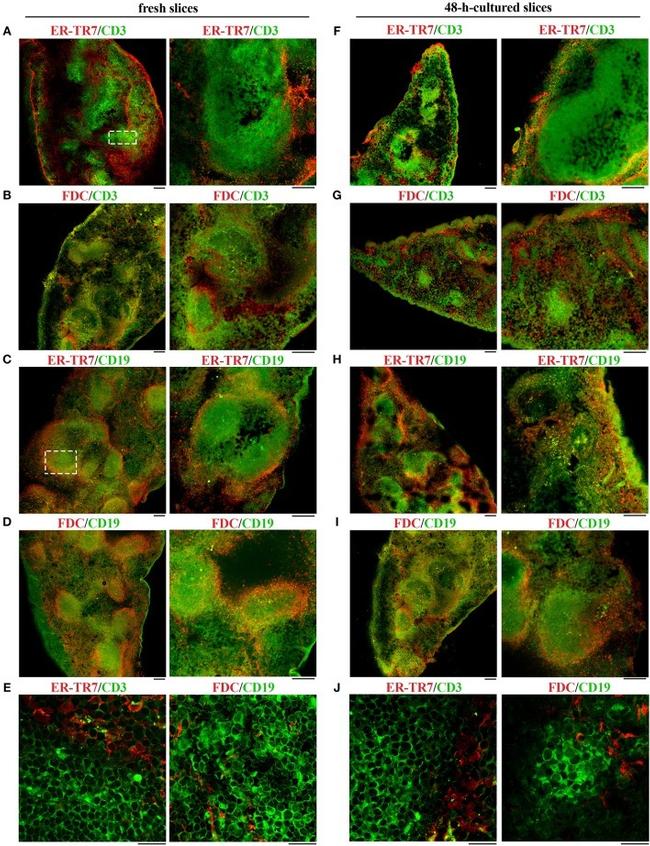
Published figure using CD3e monoclonal antibody (Product # 53-0031-82) in Immunocytochemistry
Mon Mar 08 00:00:00 EST 2021
Optimization of Organotypic Cultures of Mouse Spleen for Staining and Functional Assays.
Frontiers in immunology
Finetti F,Capitani N,Manganaro N,Tatangelo V,Libonati F,Panattoni G,Calaresu I,Ballerini L,Baldari CT,Patrussi L
Published figure using CD3e monoclonal antibody (Product # 53-0031-82) in Immunocytochemistry
Mon Mar 08 00:00:00 EST 2021
Critical role of WNK1 in MYC-dependent early mouse thymocyte development.
eLife
Köchl R,Vanes L,Llorian Sopena M,Chakravarty P,Hartweger H,Fountain K,White A,Cowan J,Anderson G,Tybulewicz VL
Published figure using CD3e monoclonal antibody (Product # 53-0031-82) in Flow Cytometry
Wed Oct 14 00:00:00 EDT 2020
CD279 mediates the homeostasis and survival of regulatory T cells by enhancing T cell and macrophage interactions.
FEBS open bio
Liu Y,Gao Y,Hao H,Hou T
Published figure using CD3e monoclonal antibody (Product # 53-0031-82) in Flow Cytometry
Mon Jun 01 00:00:00 EDT 2020
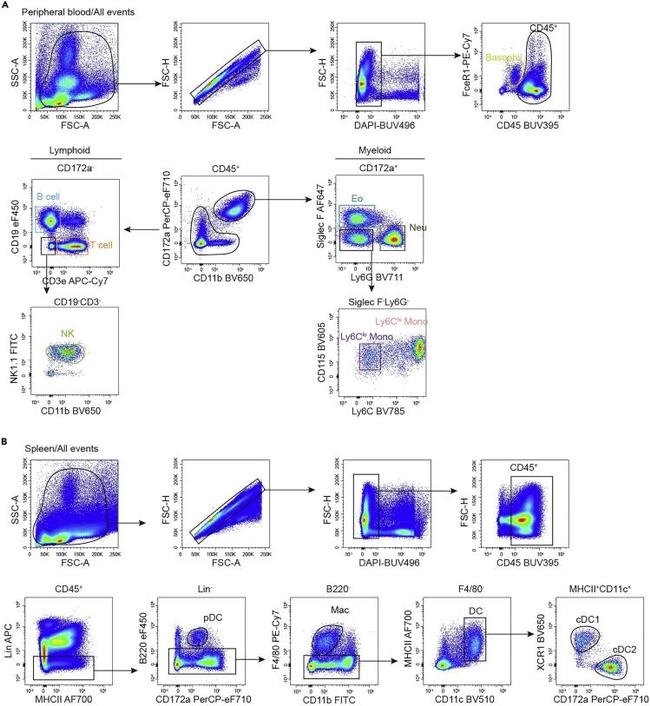
Analysis of Myeloid Cells in Mouse Tissues with Flow Cytometry.
STAR protocols
Liu Z,Gu Y,Shin A,Zhang S,Ginhoux F
Published figure using CD3e monoclonal antibody (Product # 53-0031-82) in Flow Cytometry
Fri Jun 19 00:00:00 EDT 2020
TNFAIP3 Plays a Role in Aging of the Hematopoietic System.
Frontiers in immunology
Smith MA,Culver-Cochran AE,Adelman ER,Rhyasen GW,Ma A,Figueroa ME,Starczynowski DT
Published figure using CD3e monoclonal antibody (Product # 53-0031-82) in Flow Cytometry
Wed Apr 28 00:00:00 EDT 2021
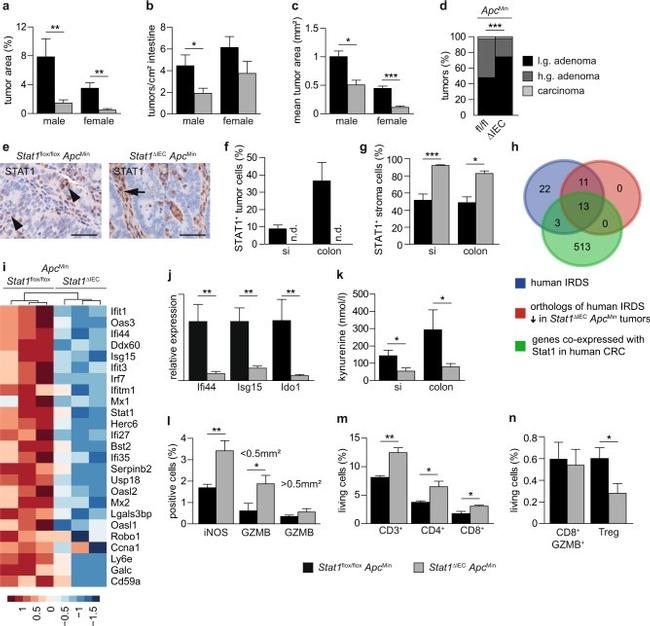
IDO1+ Paneth cells promote immune escape of colorectal cancer.
Communications biology
Pflügler S,Svinka J,Scharf I,Crncec I,Filipits M,Charoentong P,Tschurtschenthaler M,Kenner L,Awad M,Stift J,Schernthanner M,Bischl R,Herndler-Brandstetter D,Glitzner E,Moll HP,Casanova E,Timelthaler G,Sibilia M,Gnant M,Lax S,Thaler J,Müller M,Strobl B,Mohr T,Kaser A,Trajanoski Z,Heller G,Eferl R
Published figure using CD3e monoclonal antibody (Product # 53-0031-82) in Flow Cytometry
Fri May 22 00:00:00 EDT 2020
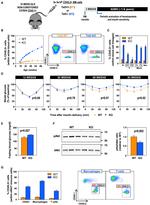
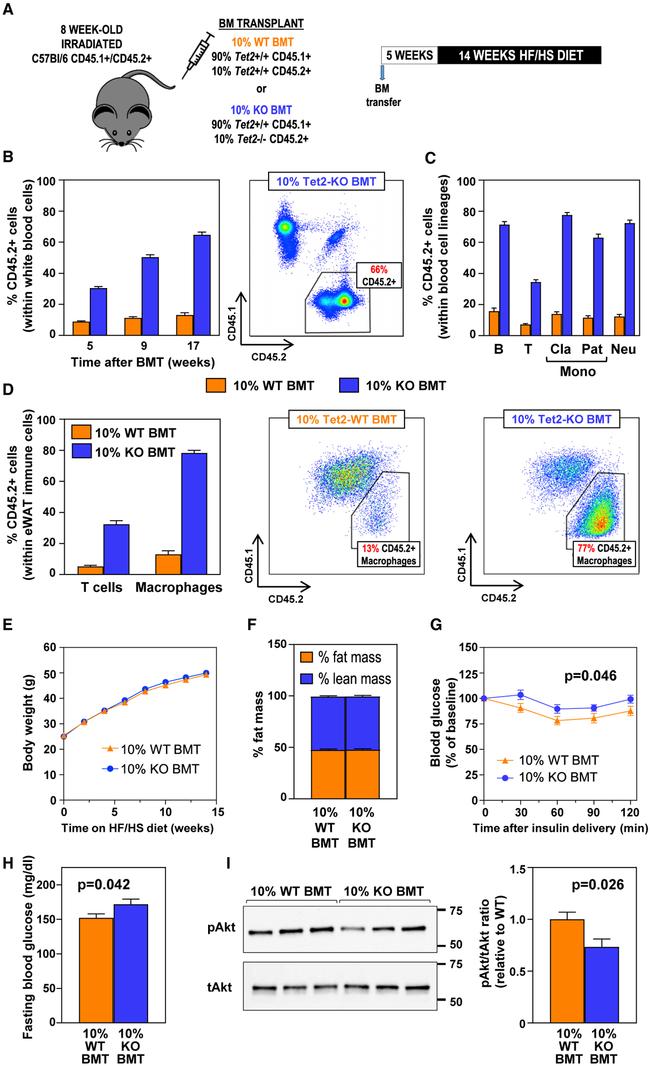
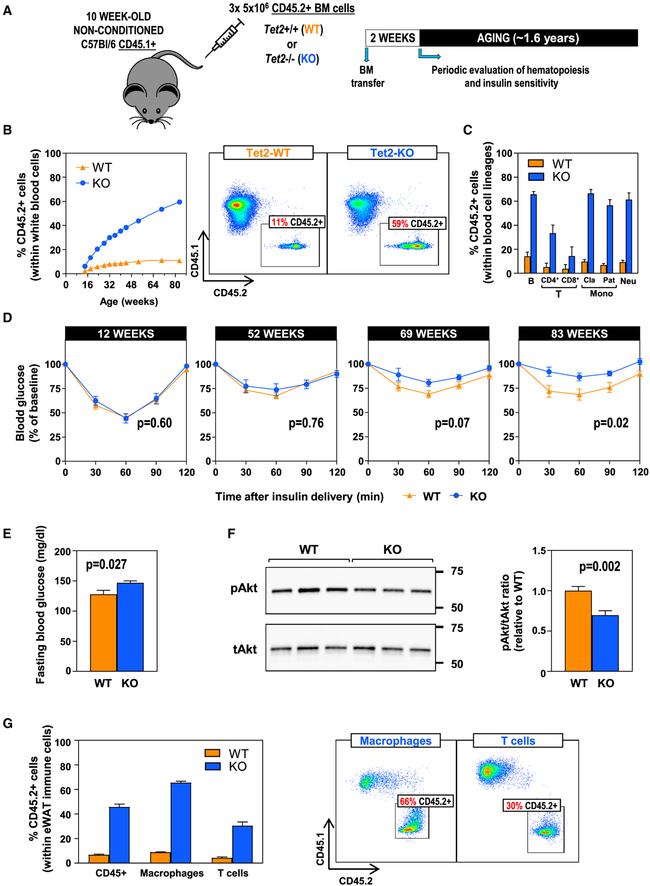
TET2-Loss-of-Function-Driven Clonal Hematopoiesis Exacerbates Experimental Insulin Resistance in Aging and Obesity.
Cell reports
Fuster JJ,Zuriaga MA,Zorita V,MacLauchlan S,Polackal MN,Viana-Huete V,Ferrer-Pérez A,Matesanz N,Herrero-Cervera A,Sano S,Cooper MA,González-Navarro H,Walsh K
Published figure using CD3e monoclonal antibody (Product # 53-0031-82) in Flow Cytometry
Tue Oct 27 00:00:00 EDT 2020
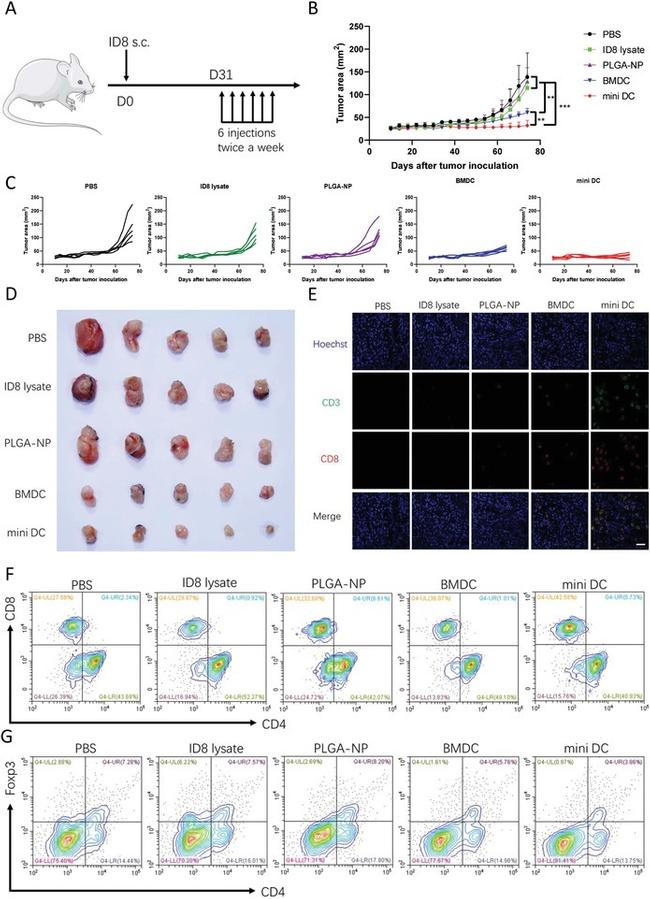
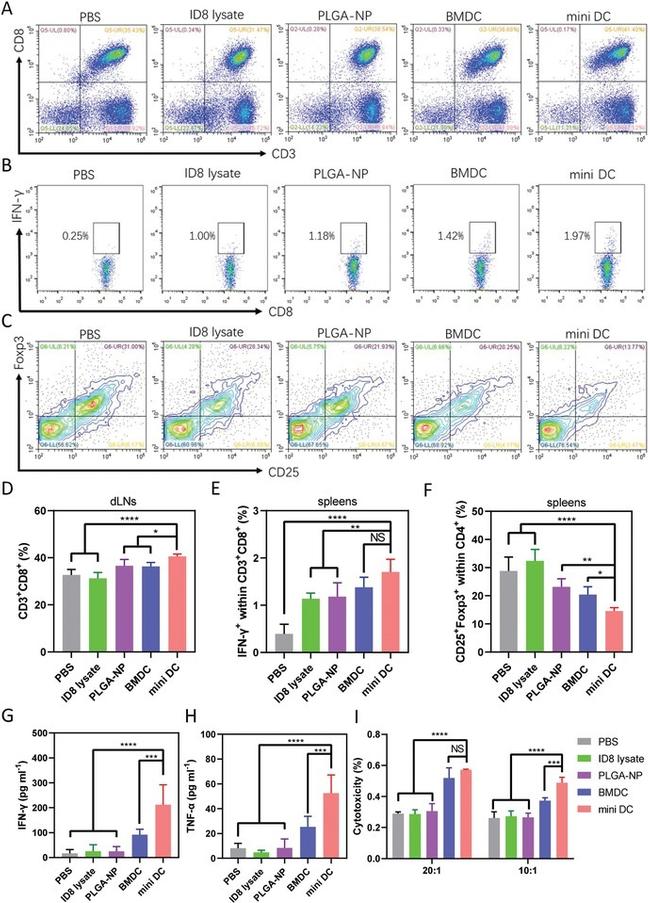
Artificial Mini Dendritic Cells Boost T Cell-Based Immunotherapy for Ovarian Cancer.
Advanced science (Weinheim, Baden-Wurttemberg, Germany)
Cheng S,Xu C,Jin Y,Li Y,Zhong C,Ma J,Yang J,Zhang N,Li Y,Wang C,Yang Z,Wang Y
Published figure using CD3e monoclonal antibody (Product # 53-0031-82) in Flow Cytometry
Wed Apr 01 00:00:00 EDT 2020
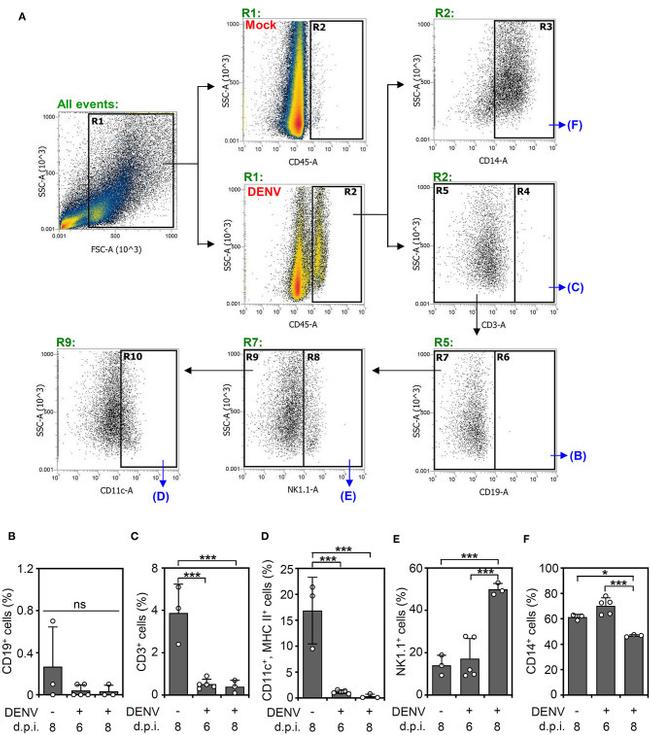
CNS Immune Profiling in a Dengue Virus-Infected Immunocompetent Outbred ICR Mice Strain.
Frontiers in cellular and infection microbiology
Shen TJ,Chen CL,Jhan MK,Tseng PC,Lin CF
Published figure using CD3e monoclonal antibody (Product # 53-0031-82) in Flow Cytometry
Thu Jun 17 00:00:00 EDT 2021
Distinct Waves from the Hemogenic Endothelium Give Rise to Layered Lymphoid Tissue Inducer Cell Ontogeny.
Cell reports
Simic M,Manosalva I,Spinelli L,Gentek R,Shayan RR,Siret C,Girard-Madoux M,Wang S,de Fabritus L,Verschoor J,Kerdiles YM,Bajenoff M,Stumm R,Golub R,van de Pavert SA
53-0031 was used in Flow cytometry/Cell sorting to identify a major contribution from embryonic hemogenic endothelium, but not the yolk sac, toward LTi progenitors.
Tue Aug 11 00:00:00 EDT 2020
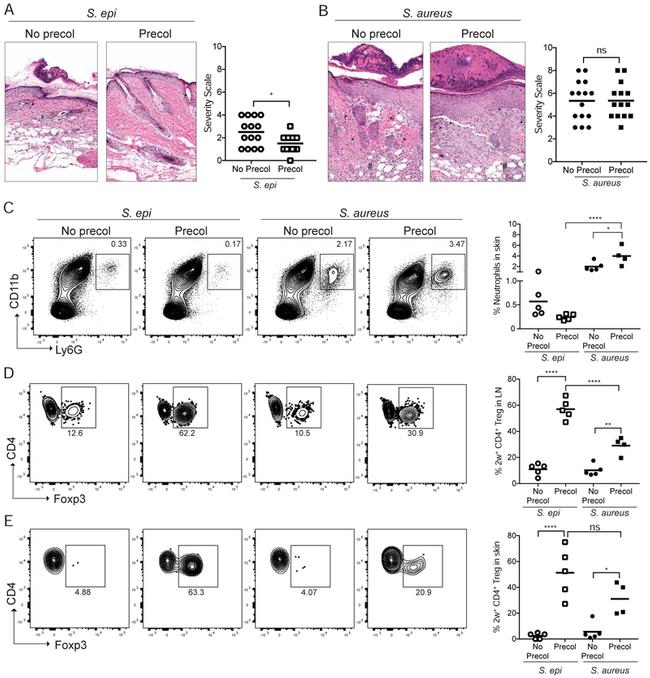
Toxin-Triggered Interleukin-1 Receptor Signaling Enables Early-Life Discrimination of Pathogenic versus Commensal Skin Bacteria.
Cell host & microbe
Leech JM,Dhariwala MO,Lowe MM,Chu K,Merana GR,Cornuot C,Weckel A,Ma JM,Leitner EG,Gonzalez JR,Vasquez KS,Diep BA,Scharschmidt TC
Published figure using CD3e monoclonal antibody (Product # 53-0031-82) in Flow Cytometry
Wed Dec 11 00:00:00 EST 2019
Protein phosphatase 2A has an essential role in promoting thymocyte survival during selection.
Proceedings of the National Academy of Sciences of the United States of America
Zheng M,Li D,Zhao Z,Shytikov D,Xu Q,Jin X,Liang J,Lou J,Wu S,Wang L,Hu H,Zhou Y,Gao X,Lu L
Published figure using CD3e monoclonal antibody (Product # 53-0031-82) in T-Cell Activation
Tue Jun 18 00:00:00 EDT 2019
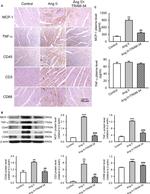
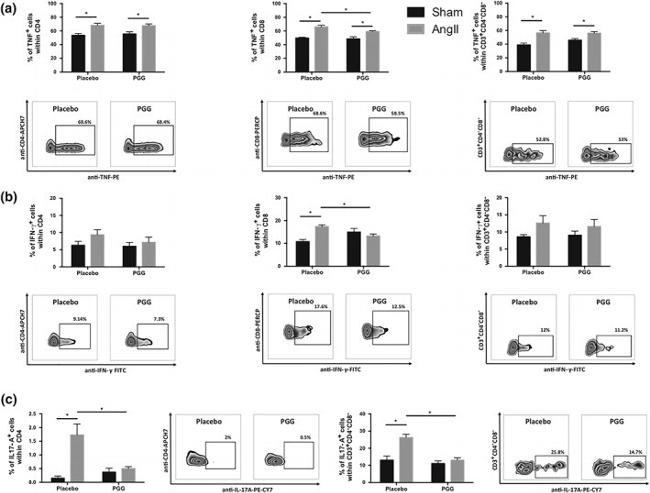
1,2,3,4,6-Penta-O-galloyl-β-d-glucose modulates perivascular inflammation and prevents vascular dysfunction in angiotensin II-induced hypertension.
British journal of pharmacology
Mikolajczyk TP,Nosalski R,Skiba DS,Koziol J,Mazur M,Justo-Junior AS,Kowalczyk P,Kusmierczyk Z,Schramm-Luc A,Luc K,Maffia P,Graham D,Kiss AK,Naruszewicz M,Guzik TJ
Published figure using CD3e monoclonal antibody (Product # 53-0031-82) in Flow Cytometry
Sat Jun 01 00:00:00 EDT 2019
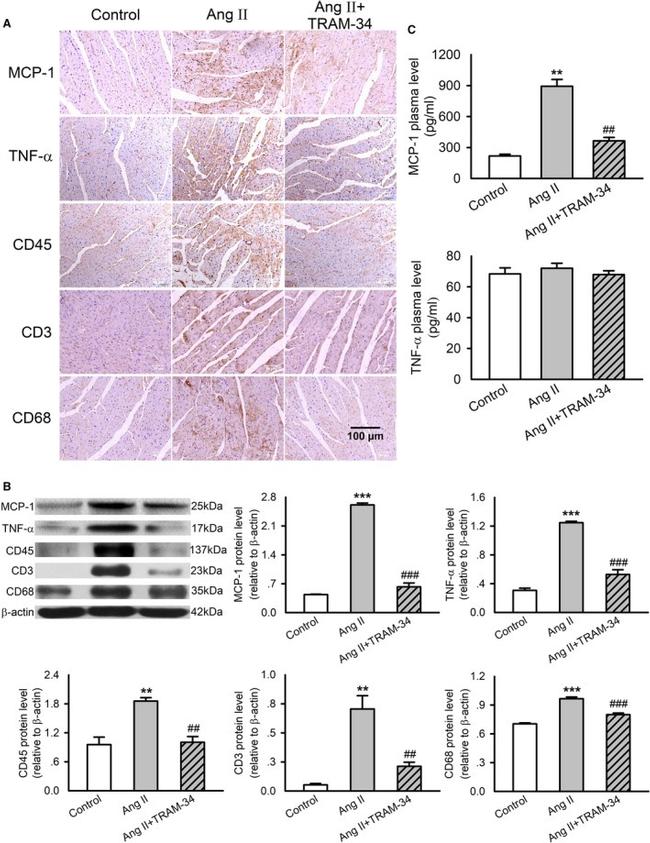
KCa3.1 Channels Promote Cardiac Fibrosis Through Mediating Inflammation and Differentiation of Monocytes Into Myofibroblasts in Angiotensin II -Treated Rats.
Journal of the American Heart Association
She G,Ren YJ,Wang Y,Hou MC,Wang HF,Gou W,Lai BC,Lei T,Du XJ,Deng XL
Published figure using CD3e monoclonal antibody (Product # 53-0031-82) in Western Blot
Tue Jan 08 00:00:00 EST 2019
C-Reactive Protein Promotes the Expansion of Myeloid Derived Cells With Suppressor Functions.
Frontiers in immunology
Jimenez RV,Kuznetsova V,Connelly AN,Hel Z,Szalai AJ
Published figure using CD3e monoclonal antibody (Product # 53-0031-82) in T-Cell Activation
Tue Nov 10 00:00:00 EST 2020
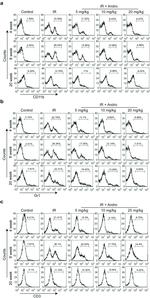
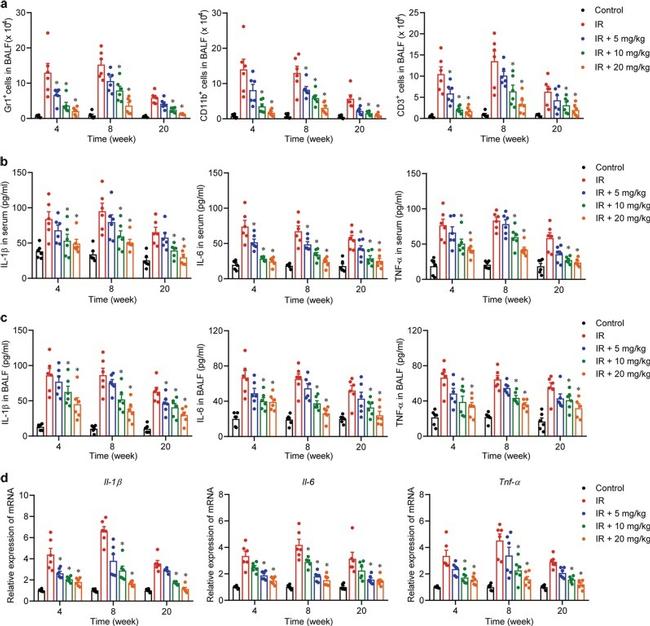
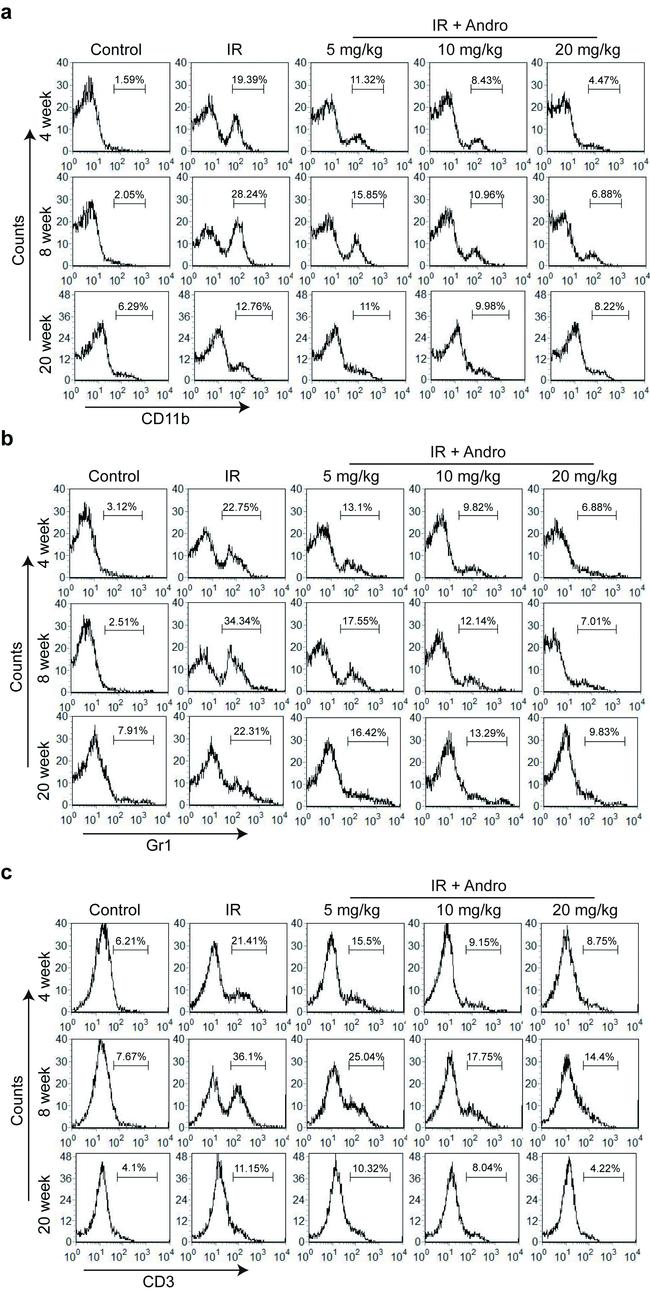
Inhibition of AIM2 inflammasome-mediated pyroptosis by Andrographolide contributes to amelioration of radiation-induced lung inflammation and fibrosis.
Cell death & disease
Gao J,Peng S,Shan X,Deng G,Shen L,Sun J,Jiang C,Yang X,Chang Z,Sun X,Feng F,Kong L,Gu Y,Guo W,Xu Q,Sun Y
Published figure using CD3e monoclonal antibody (Product # 53-0031-82) in Flow Cytometry
Fri Dec 20 00:00:00 EST 2019
CD160 serves as a negative regulator of NKT cells in acute hepatic injury.
Nature communications
Kim TJ,Park G,Kim J,Lim SA,Kim J,Im K,Shin MH,Fu YX,Del Rio ML,Rodriguez-Barbosa JI,Yee C,Suh KS,Kim SJ,Ha SJ,Lee KM
Published figure using CD3e monoclonal antibody (Product # 53-0031-82) in Flow Cytometry
Mon Jul 22 00:00:00 EDT 2019
Orphan Nuclear Receptor NR2F6 Suppresses T Follicular Helper Cell Accumulation through Regulation of IL-21.
Cell reports
Olson WJ,Jakic B,Labi V,Schoeler K,Kind M,Klepsch V,Baier G,Hermann-Kleiter N
Published figure using CD3e monoclonal antibody (Product # 53-0031-82) in Immunocytochemistry
Tue Sep 10 00:00:00 EDT 2019
MDM2 inhibitor APG-115 synergizes with PD-1 blockade through enhancing antitumor immunity in the tumor microenvironment.
Journal for immunotherapy of cancer
Fang DD,Tang Q,Kong Y,Wang Q,Gu J,Fang X,Zou P,Rong T,Wang J,Yang D,Zhai Y
Published figure using CD3e monoclonal antibody (Product # 53-0031-82) in T-Cell Activation
Thu Nov 28 00:00:00 EST 2019
Maternal vaccination and protective immunity against Zika virus vertical transmission.
Nature communications
Shan C,Xie X,Luo H,Muruato AE,Liu Y,Wakamiya M,La JH,Chung JM,Weaver SC,Wang T,Shi PY
Published figure using CD3e monoclonal antibody (Product # 53-0031-82) in Flow Cytometry
Thu Dec 12 00:00:00 EST 2019
Sex Differences in Mouse Popliteal Lymph Nodes.
Scientific reports
Dill-Garlow R,Chen KE,Walker AM
Published figure using CD3e monoclonal antibody (Product # 53-0031-82) in Flow Cytometry
Wed Jan 30 00:00:00 EST 2019
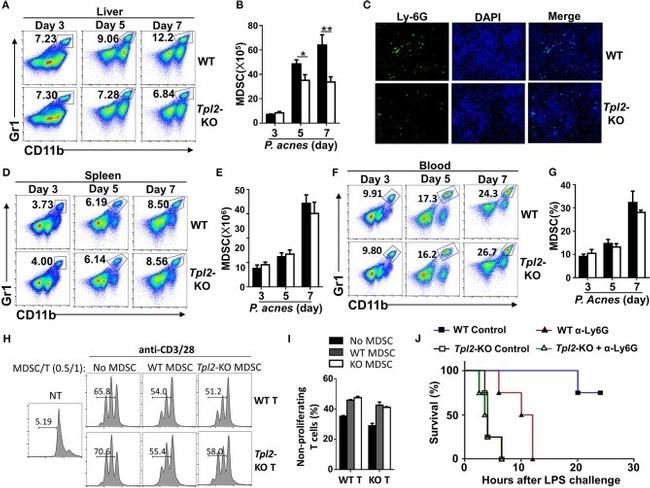
Tpl2 Protects Against Fulminant Hepatitis Through Mobilization of Myeloid-Derived Suppressor Cells.
Frontiers in immunology
Xu J,Pei S,Wang Y,Liu J,Qian Y,Huang M,Zhang Y,Xiao Y
Published figure using CD3e monoclonal antibody (Product # 53-0031-82) in Flow Cytometry
Wed Oct 14 00:00:00 EDT 2020
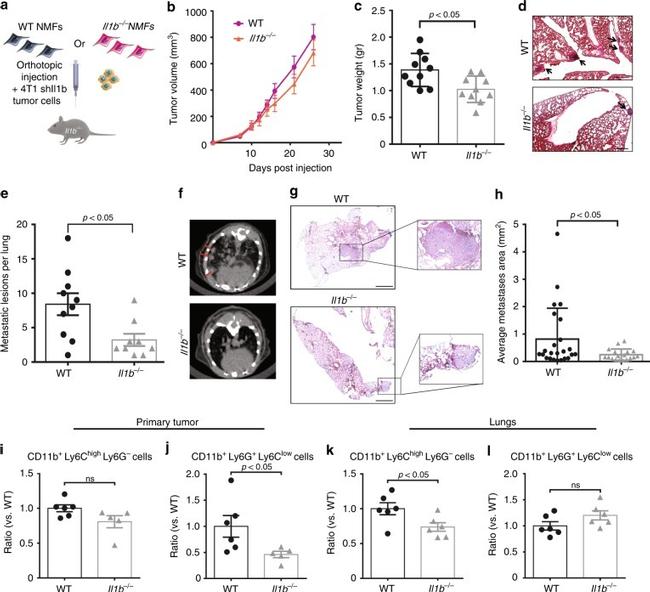
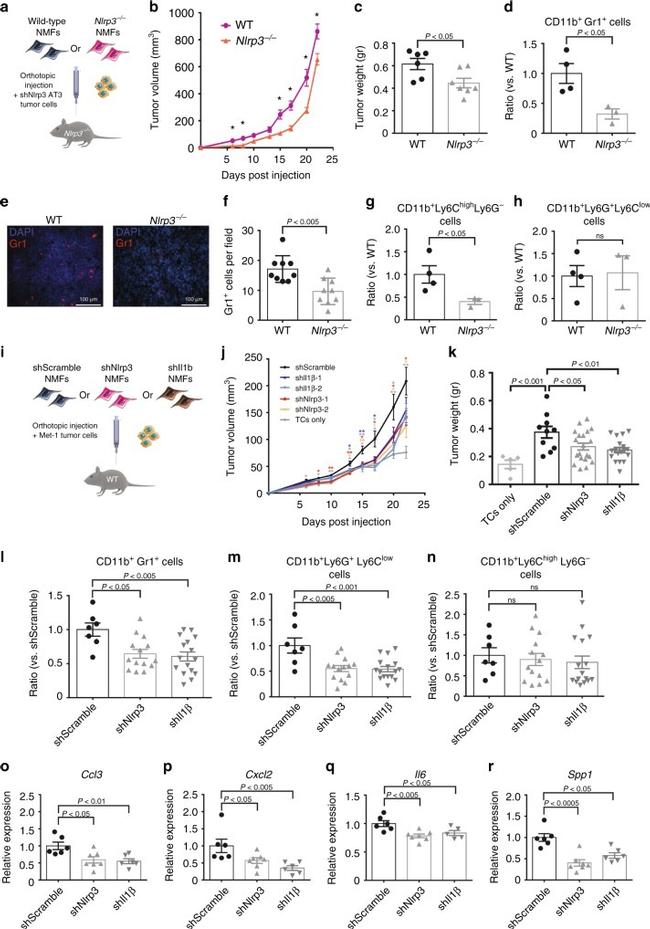
NLRP3 inflammasome in fibroblasts links tissue damage with inflammation in breast cancer progression and metastasis.
Nature communications
Ershaid N,Sharon Y,Doron H,Raz Y,Shani O,Cohen N,Monteran L,Leider-Trejo L,Ben-Shmuel A,Yassin M,Gerlic M,Ben-Baruch A,Pasmanik-Chor M,Apte R,Erez N
Published figure using CD3e monoclonal antibody (Product # 53-0031-82) in Flow Cytometry
Thu Sep 26 00:00:00 EDT 2019
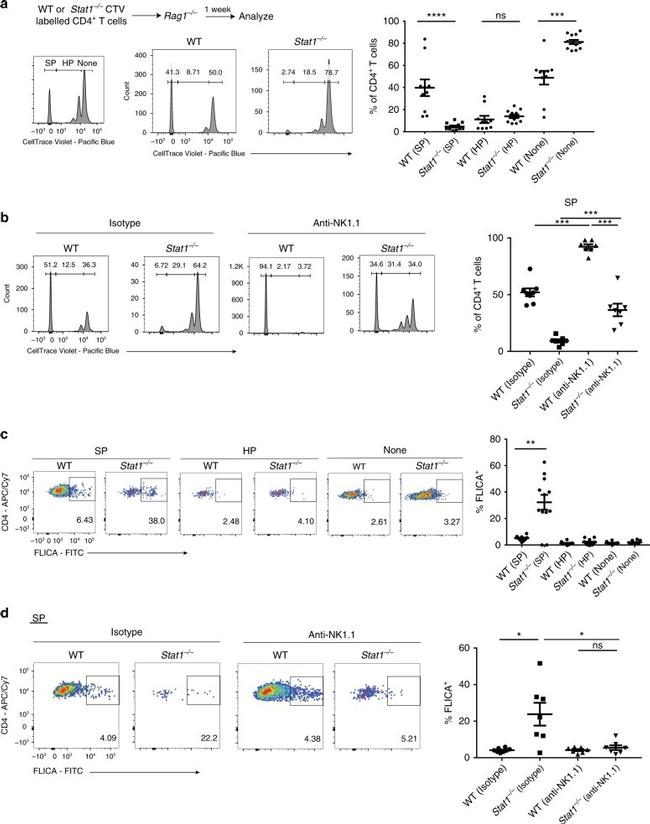
STAT1 signaling shields T cells from NK cell-mediated cytotoxicity.
Nature communications
Kang YH,Biswas A,Field M,Snapper SB
Published figure using CD3e monoclonal antibody (Product # 53-0031-82) in Flow Cytometry
Fri Feb 22 00:00:00 EST 2019
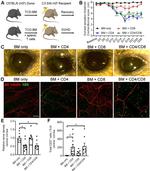
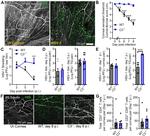
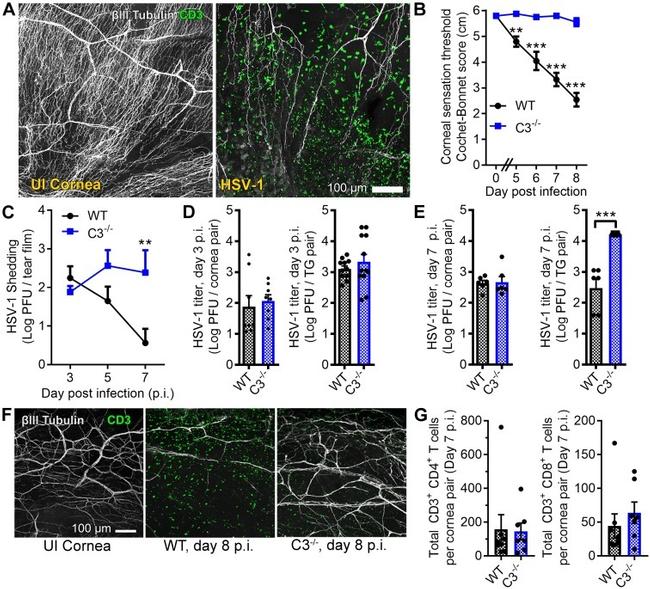
Complement and CD4+ T cells drive context-specific corneal sensory neuropathy.
eLife
Royer DJ,Echegaray-Mendez J,Lin L,Gmyrek GB,Mathew R,Saban DR,Perez VL,Carr DJ
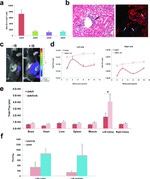
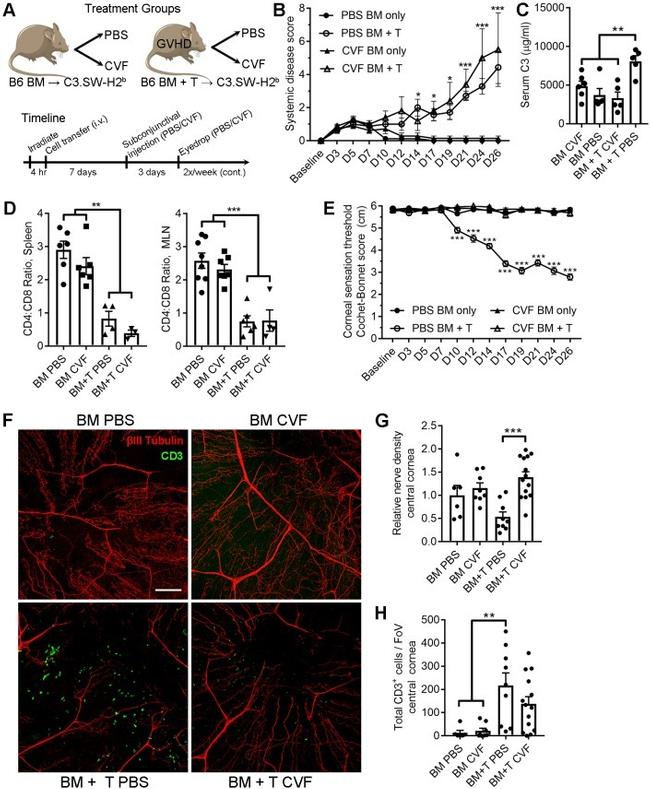
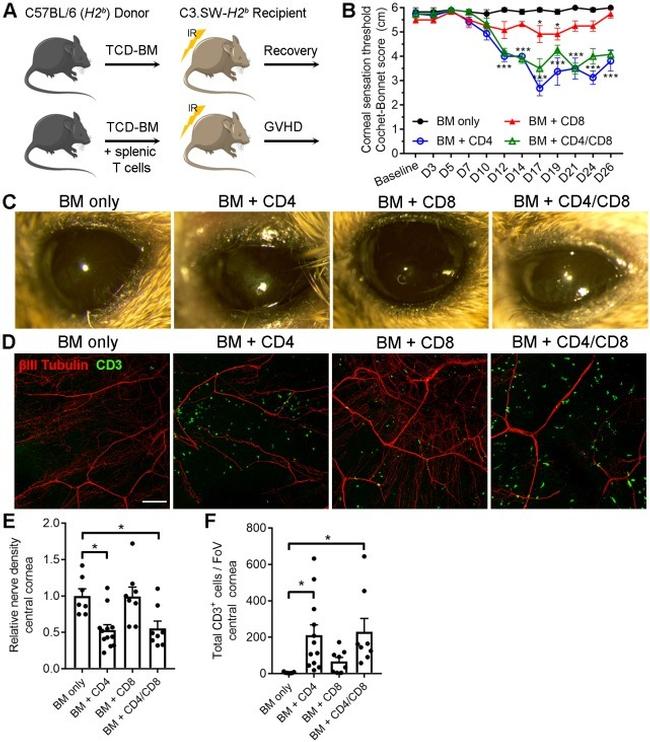
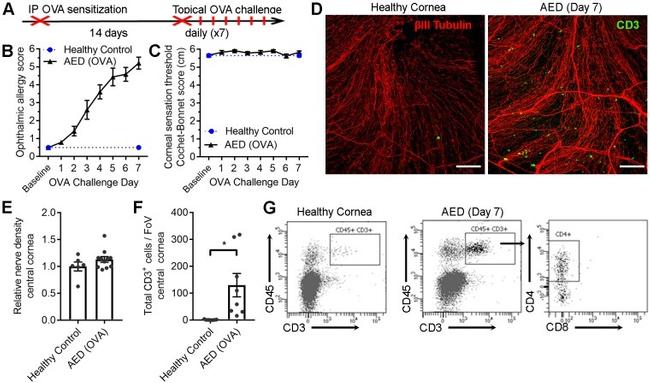
Published figure using CD3e monoclonal antibody (Product # 53-0031-82) in Immunohistochemistry
Thu Aug 15 00:00:00 EDT 2019
Complement and CD4+ T cells drive context-specific corneal sensory neuropathy.
eLife
Royer DJ,Echegaray-Mendez J,Lin L,Gmyrek GB,Mathew R,Saban DR,Perez VL,Carr DJ
Published figure using CD3e monoclonal antibody (Product # 53-0031-82) in Immunohistochemistry
Thu Aug 15 00:00:00 EDT 2019
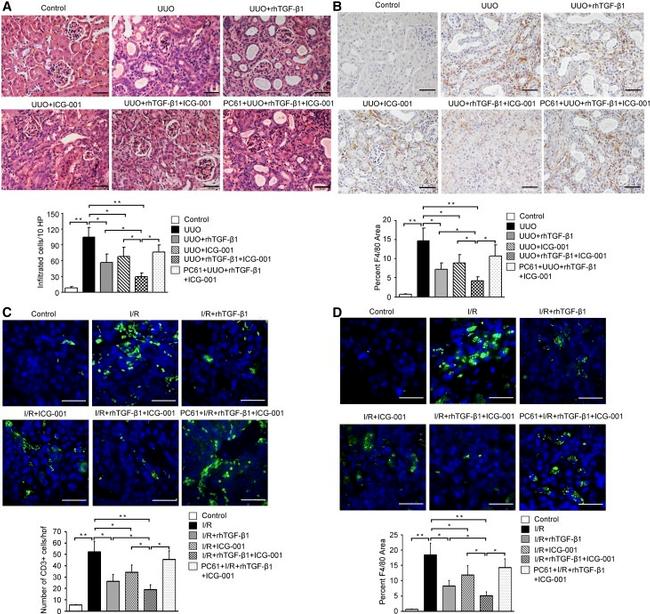
Redirecting TGF-β Signaling through the β-Catenin/Foxo Complex Prevents Kidney Fibrosis.
Journal of the American Society of Nephrology : JASN
Qiao X,Rao P,Zhang Y,Liu L,Pang M,Wang H,Hu M,Tian X,Zhang J,Zhao Y,Wang XM,Wang C,Yu H,Guo F,Cao Q,Wang Y,Wang YM,Zhang GY,Lee VW,Alexander SI,Zheng G,Harris DCH
Published figure using CD3e monoclonal antibody (Product # 53-0031-82) in Immunohistochemistry
Thu Feb 01 00:00:00 EST 2018
11 Beta-hydroxysteroid dehydrogenase type 1 regulates synovitis, joint destruction, and systemic bone loss in chronic polyarthritis.
Journal of autoimmunity
Hardy RS,Fenton C,Croft AP,Naylor AJ,Begum R,Desanti G,Buckley CD,Lavery G,Cooper MS,Raza K
Published figure using CD3e monoclonal antibody (Product # 53-0031-82) in Flow Cytometry
Wed Aug 01 00:00:00 EDT 2018
Immunization with α-synuclein/Grp94 reshapes peripheral immunity and suppresses microgliosis in a chronic Parkinsonism model.
Glia
Villadiego J,Labrador-Garrido A,Franco JM,Leal-Lasarte M,De Genst EJ,Dobson CM,Pozo D,Toledo-Aral JJ,Roodveldt C
Published figure using CD3e monoclonal antibody (Product # 53-0031-82) in T-Cell Activation
Mon Jan 01 00:00:00 EST 2018
Gli3 in fetal thymic epithelial cells promotes thymocyte positive selection and differentiation by repression of Shh.
Development (Cambridge, England)
Solanki A,Yanez DC,Ross S,Lau CI,Papaioannou E,Li J,Saldaña JI,Crompton T
Published figure using CD3e monoclonal antibody (Product # 53-0031-82) in Flow Cytometry
Wed Jan 31 00:00:00 EST 2018
MicroRNA-126 deficiency enhanced the activation and function of CD4+ T cells by elevating IRS-1 pathway.
Clinical and experimental immunology
Chu F,Hu Y,Zhou Y,Guo M,Lu J,Zheng W,Xu H,Zhao J,Xu L
Published figure using CD3e monoclonal antibody (Product # 53-0031-82) in T-Cell Activation
Thu Feb 01 00:00:00 EST 2018
Granulocyte-macrophage colony-stimulating factor neuroprotective activities in Alzheimer's disease mice.
Journal of neuroimmunology
Kiyota T,Machhi J,Lu Y,Dyavarshetty B,Nemati M,Yokoyama I,Mosley RL,Gendelman HE
Published figure using CD3e monoclonal antibody (Product # 53-0031-82) in Flow Cytometry
Fri Jun 15 00:00:00 EDT 2018
Sipa1 deficiency unleashes a host-immune mechanism eradicating chronic myelogenous leukemia-initiating cells.
Nature communications
Xu Y,Ikeda S,Sumida K,Yamamoto R,Tanaka H,Minato N
Published figure using CD3e monoclonal antibody (Product # 53-0031-82) in Flow Cytometry
Fri Mar 02 00:00:00 EST 2018
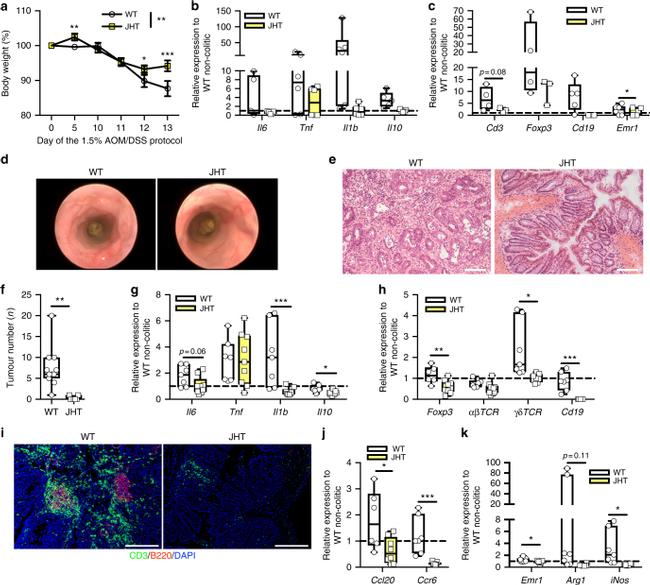
Obesity exacerbates colitis-associated cancer via IL-6-regulated macrophage polarisation and CCL-20/CCR-6-mediated lymphocyte recruitment.
Nature communications
Wunderlich CM,Ackermann PJ,Ostermann AL,Adams-Quack P,Vogt MC,Tran ML,Nikolajev A,Waisman A,Garbers C,Theurich S,Mauer J,Hövelmeyer N,Wunderlich FT
Published figure using CD3e monoclonal antibody (Product # 53-0031-82) in Immunocytochemistry
Wed Apr 25 00:00:00 EDT 2018
Obesity exacerbates colitis-associated cancer via IL-6-regulated macrophage polarisation and CCL-20/CCR-6-mediated lymphocyte recruitment.
Nature communications
Wunderlich CM,Ackermann PJ,Ostermann AL,Adams-Quack P,Vogt MC,Tran ML,Nikolajev A,Waisman A,Garbers C,Theurich S,Mauer J,Hövelmeyer N,Wunderlich FT
Published figure using CD3e monoclonal antibody (Product # 53-0031-82) in Immunocytochemistry
Wed Apr 25 00:00:00 EDT 2018
A stochastic epigenetic switch controls the dynamics of T-cell lineage commitment.
eLife
Ng KK,Yui MA,Mehta A,Siu S,Irwin B,Pease S,Hirose S,Elowitz MB,Rothenberg EV,Kueh HY
Published figure using CD3e monoclonal antibody (Product # 53-0031-82) in Flow Cytometry
Tue Nov 20 00:00:00 EST 2018
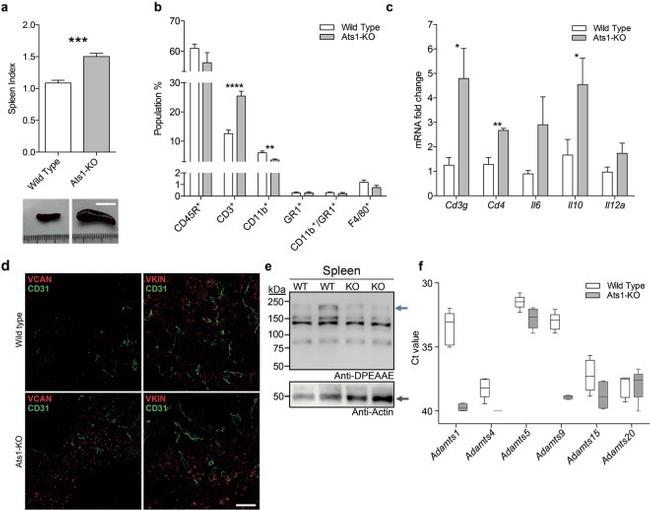
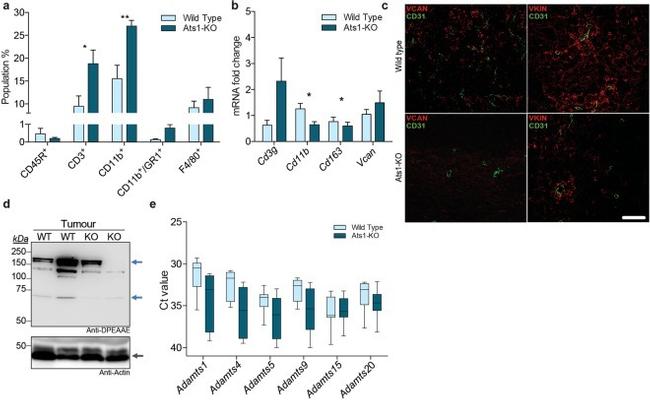
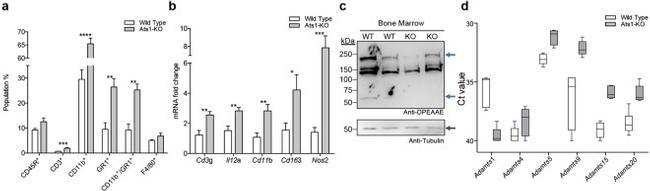
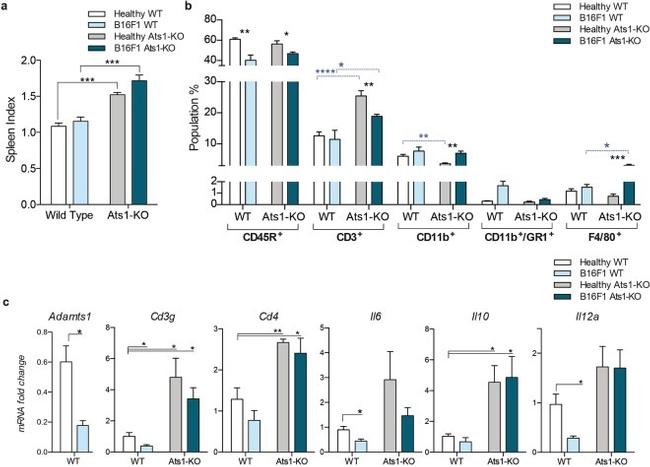
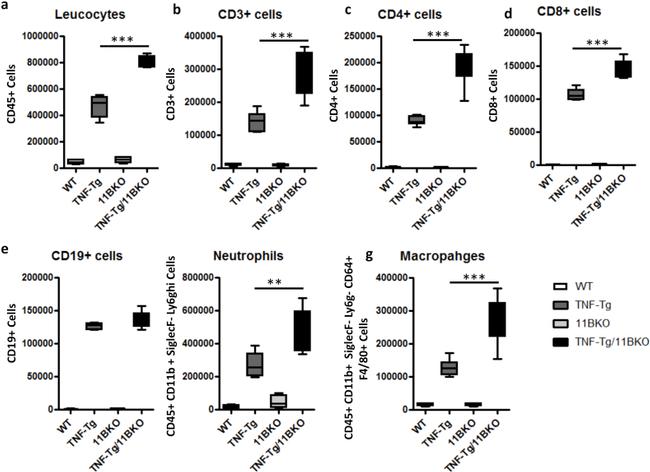
ADAMTS1 protease is required for a balanced immune cell repertoire and tumour inflammatory response.
Scientific reports
Rodríguez-Baena FJ,Redondo-García S,Peris-Torres C,Martino-Echarri E,Fernández-Rodríguez R,Plaza-Calonge MDC,Anderson P,Rodríguez-Manzaneque JC
Published figure using CD3e monoclonal antibody (Product # 53-0031-82) in Flow Cytometry
Thu Aug 30 00:00:00 EDT 2018
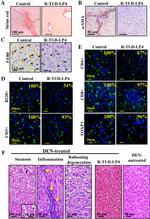
Targeting Liver Cancer and Associated Pathologies in Mice with a Mitochondrial VDAC1-Based Peptide.
Neoplasia (New York, N.Y.)
Pittala S,Krelin Y,Shoshan-Barmatz V
Published figure using CD3e monoclonal antibody (Product # 53-0031-82) in Immunofluorescence
Fri Jun 01 00:00:00 EDT 2018
Age-specific biological and molecular profiling distinguishes paediatric from adult acute myeloid leukaemias.
Nature communications
Chaudhury S,O'Connor C,Cañete A,Bittencourt-Silvestre J,Sarrou E,Prendergast Á,Choi J,Johnston P,Wells CA,Gibson B,Keeshan K
Published figure using CD3e monoclonal antibody (Product # 53-0031-82) in Flow Cytometry
Tue Dec 11 00:00:00 EST 2018
Age-specific biological and molecular profiling distinguishes paediatric from adult acute myeloid leukaemias.
Nature communications
Chaudhury S,O'Connor C,Cañete A,Bittencourt-Silvestre J,Sarrou E,Prendergast Á,Choi J,Johnston P,Wells CA,Gibson B,Keeshan K
Published figure using CD3e monoclonal antibody (Product # 53-0031-82) in Flow Cytometry
Tue Dec 11 00:00:00 EST 2018
Myc Cooperates with Ras by Programming Inflammation and Immune Suppression.
Cell
Kortlever RM,Sodir NM,Wilson CH,Burkhart DL,Pellegrinet L,Brown Swigart L,Littlewood TD,Evan GI
Published figure using CD3e monoclonal antibody (Product # 53-0031-82) in Flow Cytometry
Thu Nov 30 00:00:00 EST 2017
Autoreactive T Cells and Chronic Fungal Infection Drive Esophageal Carcinogenesis.
Cell host & microbe
Zhu F,Willette-Brown J,Song NY,Lomada D,Song Y,Xue L,Gray Z,Zhao Z,Davis SR,Sun Z,Zhang P,Wu X,Zhan Q,Richie ER,Hu Y
Published figure using CD3e monoclonal antibody (Product # 53-0031-82) in Flow Cytometry
Wed Apr 12 00:00:00 EDT 2017
Ubiquitination of hnRNPA1 by TRAF6 links chronic innate immune signaling with myelodysplasia.
Nature immunology
Fang J,Bolanos LC,Choi K,Liu X,Christie S,Akunuru S,Kumar R,Wang D,Chen X,Greis KD,Stoilov P,Filippi MD,Maciejewski JP,Garcia-Manero G,Weirauch MT,Salomonis N,Geiger H,Zheng Y,Starczynowski DT
Published figure using CD3e monoclonal antibody (Product # 53-0031-82) in Flow Cytometry
Wed Feb 01 00:00:00 EST 2017
A CCR4 antagonist reverses the tumor-promoting microenvironment of renal cancer.
The Journal of clinical investigation
Berlato C,Khan MN,Schioppa T,Thompson R,Maniati E,Montfort A,Jangani M,Canosa M,Kulbe H,Hagemann UB,Duncan AR,Fletcher L,Wilkinson RW,Powles T,Quezada SA,Balkwill FR
Published figure using CD3e monoclonal antibody (Product # 53-0031-82) in Flow Cytometry
Wed Mar 01 00:00:00 EST 2017
PTEN drives Th17 cell differentiation by preventing IL-2 production.
The Journal of experimental medicine
Kim HS,Jang SW,Lee W,Kim K,Sohn H,Hwang SS,Lee GR
Published figure using CD3e monoclonal antibody (Product # 53-0031-82) in Flow Cytometry
Mon Nov 06 00:00:00 EST 2017
RIG-I antiviral signaling drives interleukin-23 production and psoriasis-like skin disease.
EMBO molecular medicine
Zhu H,Lou F,Yin Q,Gao Y,Sun Y,Bai J,Xu Z,Liu Z,Cai W,Ke F,Zhang L,Zhou H,Wang H,Wang G,Chen X,Zhang H,Wang Z,Ginhoux F,Lu C,Su B,Wang H
Published figure using CD3e monoclonal antibody (Product # 53-0031-82) in Flow Cytometry
Mon May 01 00:00:00 EDT 2017
Betulin from Hedyotis hedyotidea ameliorates concanavalin A-induced and T cell-mediated autoimmune hepatitis in mice.
Acta pharmacologica Sinica
Zhou YQ,Weng XF,Dou R,Tan XS,Zhang TT,Fang JB,Wu XW
Published figure using CD3e monoclonal antibody (Product # 53-0031-82) in Flow Cytometry
Wed Feb 01 00:00:00 EST 2017
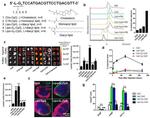
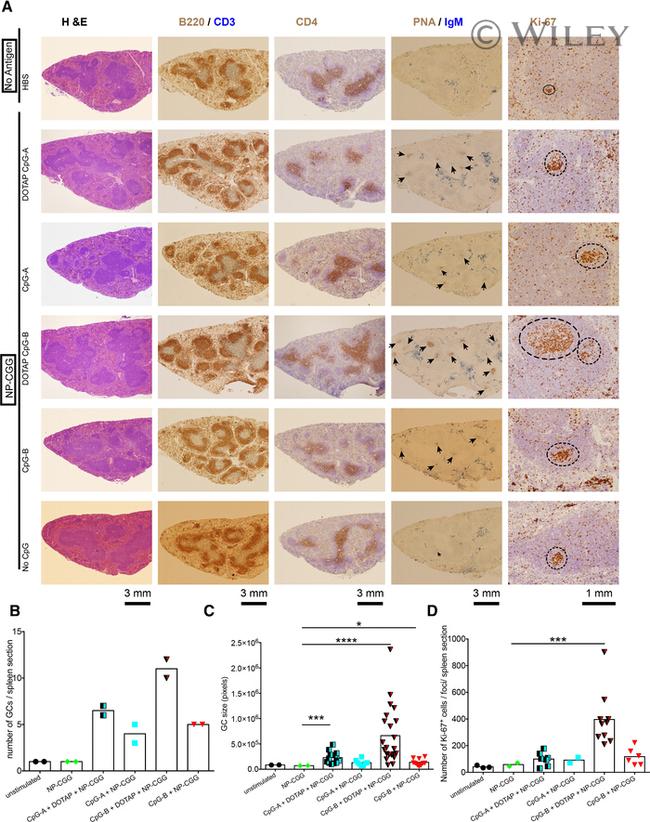
T cell-dependent antigen adjuvanted with DOTAP-CpG-B but not DOTAP-CpG-A induces robust germinal center responses and high affinity antibodies in mice.
European journal of immunology
Akkaya M,Akkaya B,Sheehan PW,Miozzo P,Pena M,Qi CF,Manzella-Lapeira J,Bolland S,Pierce SK
Published figure using CD3e monoclonal antibody (Product # 53-0031-82) in Immunohistochemistry
Wed Nov 01 00:00:00 EDT 2017
Diet-Derived Short Chain Fatty Acids Stimulate Intestinal Epithelial Cells To Induce Mucosal Tolerogenic Dendritic Cells.
Journal of immunology (Baltimore, Md. : 1950)
Goverse G,Molenaar R,Macia L,Tan J,Erkelens MN,Konijn T,Knippenberg M,Cook EC,Hanekamp D,Veldhoen M,Hartog A,Roeselers G,Mackay CR,Mebius RE
53-0031 was used in Flow cytometry/Cell sorting to study the effect of dietary fiber and short chain fatty acids on the vitamin A converting enzyme RALDH1 in intestinal epithelial cells.
Wed Mar 01 00:00:00 EST 2017
Cytochrome P450 26A1 modulates natural killer cells in mouse early pregnancy.
Journal of cellular and molecular medicine
Meng CY,Li ZY,Fang WN,Song ZH,Yang DD,Li DD,Yang Y,Peng JP
Published figure using CD3e monoclonal antibody (Product # 53-0031-82) in Flow Cytometry
Sat Apr 01 00:00:00 EDT 2017
Batf3-dependent CD8α+ Dendritic Cells Aggravates Atherosclerosis via Th1 Cell Induction and Enhanced CCL5 Expression in Plaque Macrophages.
EBioMedicine
Li Y,Liu X,Duan W,Tian H,Zhu G,He H,Yao S,Yi S,Song W,Tang H
Published figure using CD3e monoclonal antibody (Product # 53-0031-82) in Immunohistochemistry
Sat Apr 01 00:00:00 EDT 2017
Isolation of cell type-specific apoptotic bodies by fluorescence-activated cell sorting.
Scientific reports
Atkin-Smith GK,Paone S,Zanker DJ,Duan M,Phan TK,Chen W,Hulett MD,Poon IK
Published figure using CD3e monoclonal antibody (Product # 53-0031-82) in Flow Cytometry
Fri Jan 06 00:00:00 EST 2017
The major targets of acute norovirus infection are immune cells in the gut-associated lymphoid tissue.
Nature microbiology
Grau KR,Roth AN,Zhu S,Hernandez A,Colliou N,DiVita BB,Philip DT,Riffe C,Giasson B,Wallet SM,Mohamadzadeh M,Karst SM
Published figure using CD3e monoclonal antibody (Product # 53-0031-82) in Flow Cytometry
Fri Dec 01 00:00:00 EST 2017
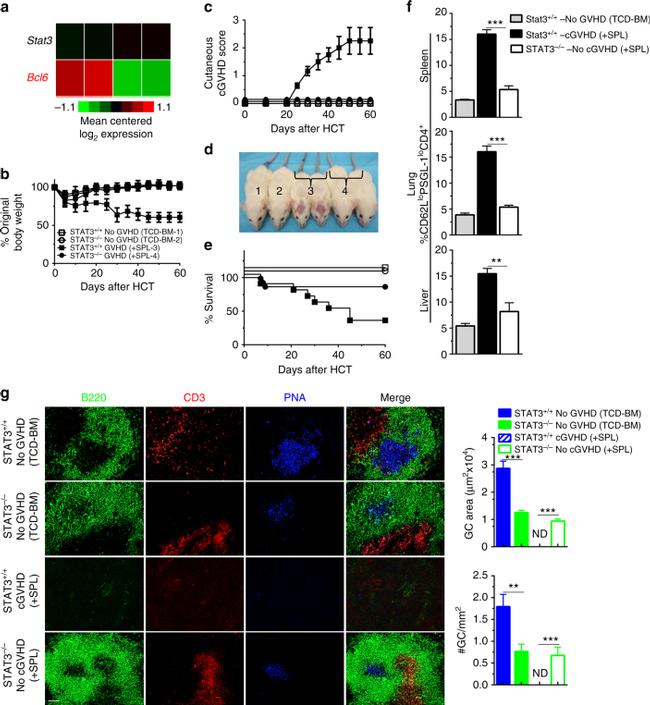
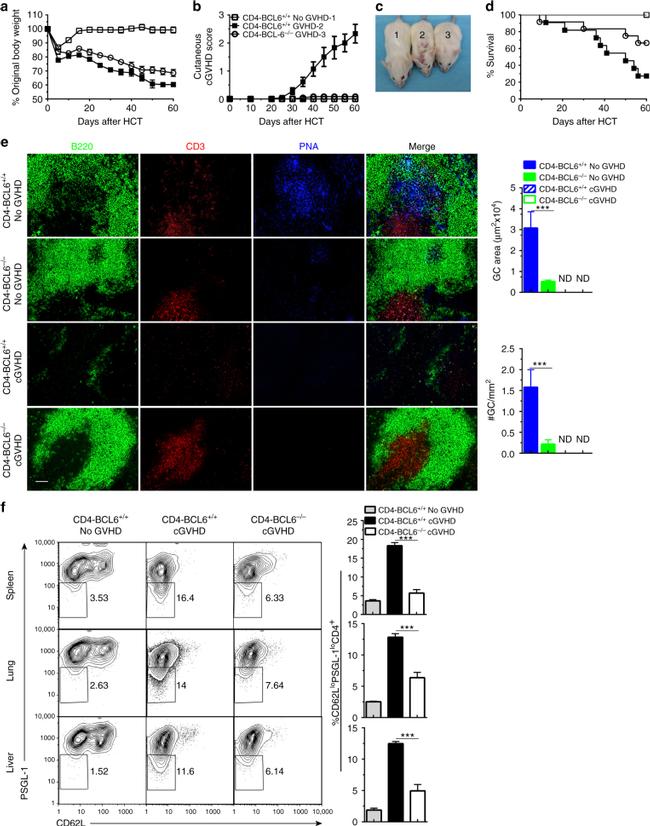
Extrafollicular CD4+ T-B interactions are sufficient for inducing autoimmune-like chronic graft-versus-host disease.
Nature communications
Deng R,Hurtz C,Song Q,Yue C,Xiao G,Yu H,Wu X,Muschen M,Forman S,Martin PJ,Zeng D
Published figure using CD3e monoclonal antibody (Product # 53-0031-82) in Immunofluorescence
Tue Oct 17 00:00:00 EDT 2017
Intratumoral modulation of the inducible co-stimulator ICOS by recombinant oncolytic virus promotes systemic anti-tumour immunity.
Nature communications
Zamarin D,Holmgaard RB,Ricca J,Plitt T,Palese P,Sharma P,Merghoub T,Wolchok JD,Allison JP
Published figure using CD3e monoclonal antibody (Product # 53-0031-82) in Flow Cytometry
Mon Feb 13 00:00:00 EST 2017
Overexpression of heparanase enhances T lymphocyte activities and intensifies the inflammatory response in a model of murine rheumatoid arthritis.
Scientific reports
Digre A,Singh K,Åbrink M,Reijmers RM,Sandler S,Vlodavsky I,Li JP
53-0031 was used in Immunohistochemistry to investigate the effect of heparanase overexpression in a model of rheumatoid arthritis.
Wed Apr 12 00:00:00 EDT 2017
Host-Protozoan Interactions Protect from Mucosal Infections through Activation of the Inflammasome.
Cell
Chudnovskiy A,Mortha A,Kana V,Kennard A,Ramirez JD,Rahman A,Remark R,Mogno I,Ng R,Gnjatic S,Amir ED,Solovyov A,Greenbaum B,Clemente J,Faith J,Belkaid Y,Grigg ME,Merad M
Published figure using CD3e monoclonal antibody (Product # 53-0031-82) in Flow Cytometry
Thu Oct 06 00:00:00 EDT 2016
Autophagy deficiency in myeloid cells increases susceptibility to obesity-induced diabetes and experimental colitis.
Autophagy
Lee HY,Kim J,Quan W,Lee JC,Kim MS,Kim SH,Bae JW,Hur KY,Lee MS
Published figure using CD3e monoclonal antibody (Product # 53-0031-82) in Flow Cytometry
Tue Aug 02 00:00:00 EDT 2016
DNA-based nanoparticle tension sensors reveal that T-cell receptors transmit defined pN forces to their antigens for enhanced fidelity.
Proceedings of the National Academy of Sciences of the United States of America
Liu Y,Blanchfield L,Ma VP,Andargachew R,Galior K,Liu Z,Evavold B,Salaita K
Published figure using CD3e monoclonal antibody (Product # 53-0031-82) in T-Cell Activation
Tue May 17 00:00:00 EDT 2016
Resident T Cells Are Unable To Control Herpes Simplex Virus-1 Activity in the Brain Ependymal Region during Latency.
Journal of immunology (Baltimore, Md. : 1950)
Menendez CM,Jinkins JK,Carr DJ
Published figure using CD3e monoclonal antibody (Product # 53-0031-82) in Flow Cytometry
Mon Aug 15 00:00:00 EDT 2016
Treatment with Interleukin-7 Restores Host Defense against Pneumocystis in CD4+ T-Lymphocyte-Depleted Mice.
Infection and immunity
Ruan S,Samuelson DR,Assouline B,Morre M,Shellito JE
Published figure using CD3e monoclonal antibody (Product # 53-0031-82) in Flow Cytometry
Fri Jan 01 00:00:00 EST 2016
Murine iPSC-Derived Macrophages as a Tool for Disease Modeling of Hereditary Pulmonary Alveolar Proteinosis due to Csf2rb Deficiency.
Stem cell reports
Mucci A,Kunkiel J,Suzuki T,Brennig S,Glage S,Kühnel MP,Ackermann M,Happle C,Kuhn A,Schambach A,Trapnell BC,Hansen G,Moritz T,Lachmann N
Published figure using CD3e monoclonal antibody (Product # 53-0031-82) in Flow Cytometry
Tue Aug 09 00:00:00 EDT 2016
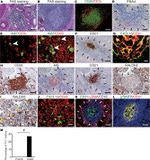
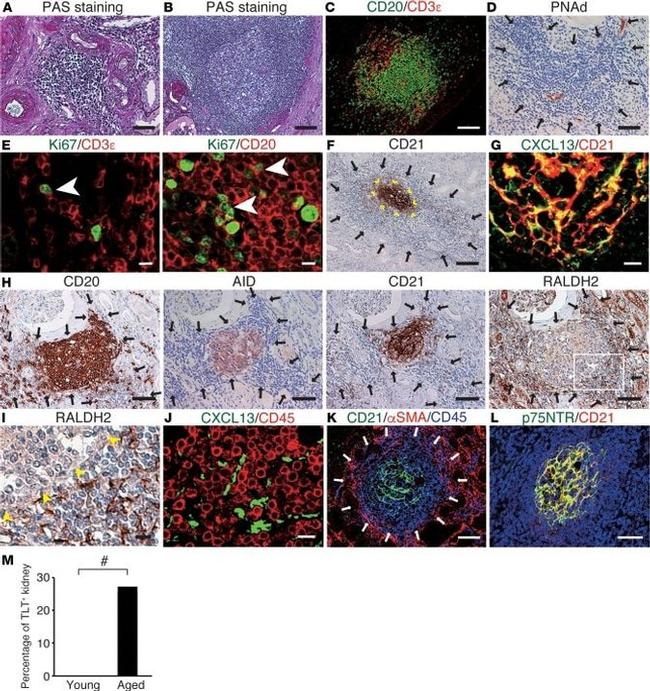
Heterogeneous fibroblasts underlie age-dependent tertiary lymphoid tissues in the kidney.
JCI insight
Sato Y,Mii A,Hamazaki Y,Fujita H,Nakata H,Masuda K,Nishiyama S,Shibuya S,Haga H,Ogawa O,Shimizu A,Narumiya S,Kaisho T,Arita M,Yanagisawa M,Miyasaka M,Sharma K,Minato N,Kawamoto H,Yanagita M
Published figure using CD3e monoclonal antibody (Product # 53-0031-82) in Immunofluorescence
Thu Jul 21 00:00:00 EDT 2016
Stromal senescence establishes an immunosuppressive microenvironment that drives tumorigenesis.
Nature communications
Ruhland MK,Loza AJ,Capietto AH,Luo X,Knolhoff BL,Flanagan KC,Belt BA,Alspach E,Leahy K,Luo J,Schaffer A,Edwards JR,Longmore G,Faccio R,DeNardo DG,Stewart SA
Published figure using CD3e monoclonal antibody (Product # 53-0031-82) in Flow Cytometry
Wed Jun 08 00:00:00 EDT 2016
The dual role of NK cells in antitumor reactions triggered by ionizing radiation in combination with hyperthermia.
Oncoimmunology
Finkel P,Frey B,Mayer F,Bösl K,Werthmöller N,Mackensen A,Gaipl US,Ullrich E
Published figure using CD3e monoclonal antibody (Product # 53-0031-82) in Flow Cytometry
Wed Jun 01 00:00:00 EDT 2016
The ER membrane-anchored ubiquitin ligase Hrd1 is a positive regulator of T-cell immunity.
Nature communications
Xu Y,Zhao F,Qiu Q,Chen K,Wei J,Kong Q,Gao B,Melo-Cardenas J,Zhang B,Zhang J,Song J,Zhang DD,Zhang J,Fan Y,Li H,Fang D
Published figure using CD3e monoclonal antibody (Product # 53-0031-82) in T-Cell Activation
Fri Jul 15 00:00:00 EDT 2016
The ER membrane-anchored ubiquitin ligase Hrd1 is a positive regulator of T-cell immunity.
Nature communications
Xu Y,Zhao F,Qiu Q,Chen K,Wei J,Kong Q,Gao B,Melo-Cardenas J,Zhang B,Zhang J,Song J,Zhang DD,Zhang J,Fan Y,Li H,Fang D
Published figure using CD3e monoclonal antibody (Product # 53-0031-82) in T-Cell Activation
Fri Jul 15 00:00:00 EDT 2016
Irradiation of necrotic cancer cells, employed for pulsing dendritic cells (DCs), potentiates DC vaccine-induced antitumor immunity against high-grade glioma.
Oncoimmunology
Vandenberk L,Garg AD,Verschuere T,Koks C,Belmans J,Beullens M,Agostinis P,De Vleeschouwer S,Van Gool SW
Published figure using CD3e monoclonal antibody (Product # 53-0031-82) in Flow Cytometry
Mon Feb 01 00:00:00 EST 2016
Photothermal therapy with immune-adjuvant nanoparticles together with checkpoint blockade for effective cancer immunotherapy.
Nature communications
Chen Q,Xu L,Liang C,Wang C,Peng R,Liu Z
Published figure using CD3e monoclonal antibody (Product # 53-0031-82) in Flow Cytometry
Fri Oct 21 00:00:00 EDT 2016
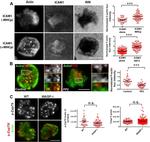
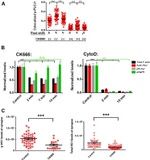
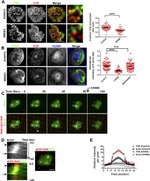
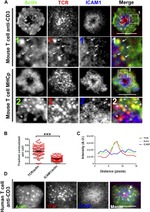
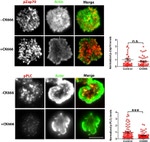
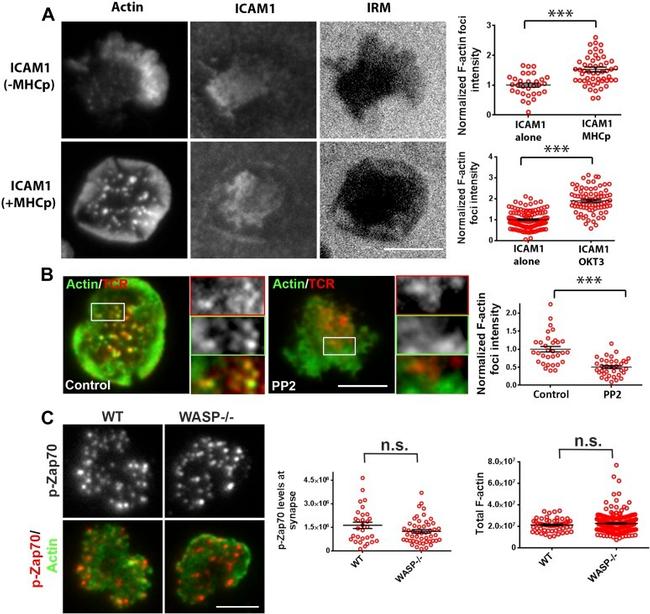
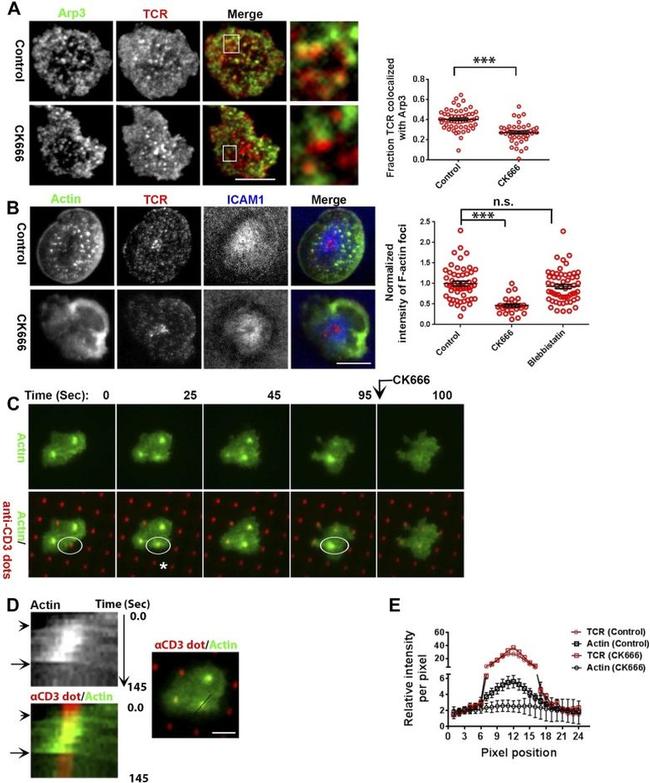
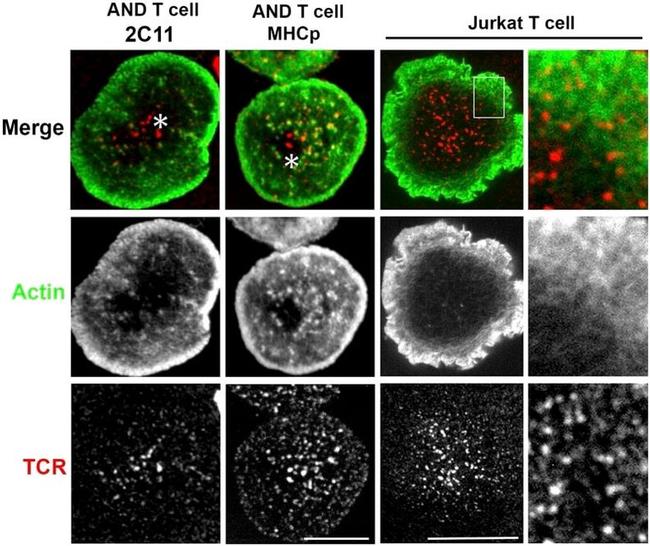
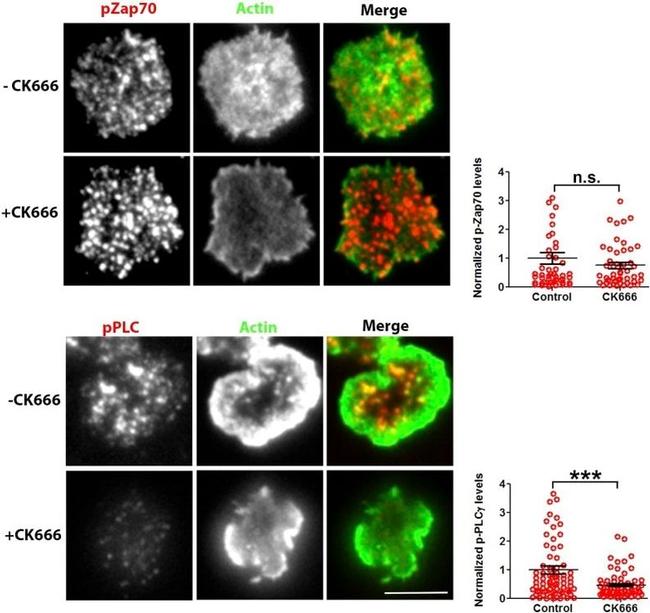
Actin foci facilitate activation of the phospholipase C-γ in primary T lymphocytes via the WASP pathway.
eLife
Kumari S,Depoil D,Martinelli R,Judokusumo E,Carmona G,Gertler FB,Kam LC,Carman CV,Burkhardt JK,Irvine DJ,Dustin ML
Published figure using CD3e monoclonal antibody (Product # 53-0031-82) in T-Cell Activation
Wed Mar 11 00:00:00 EDT 2015
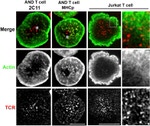
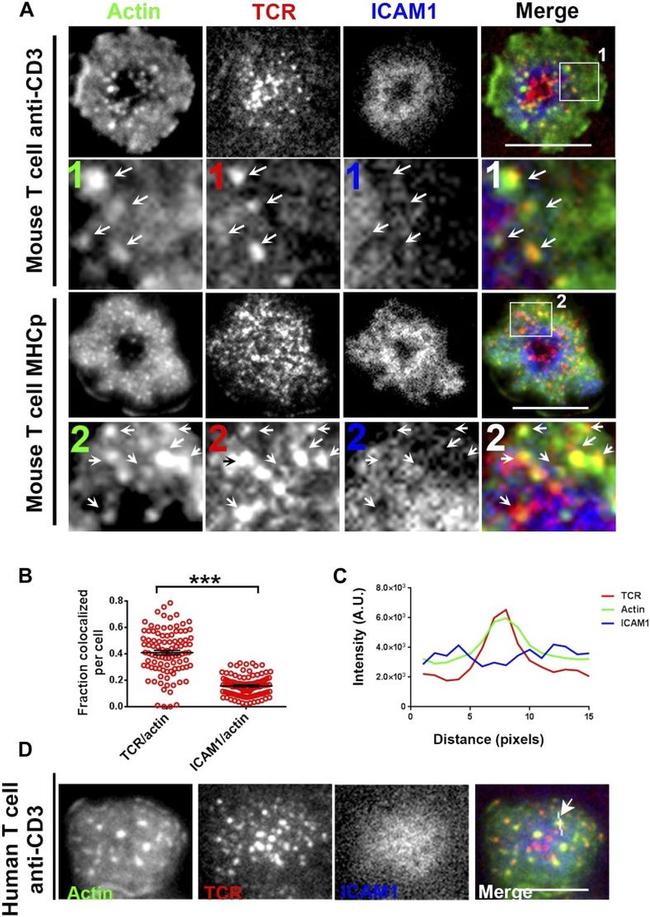
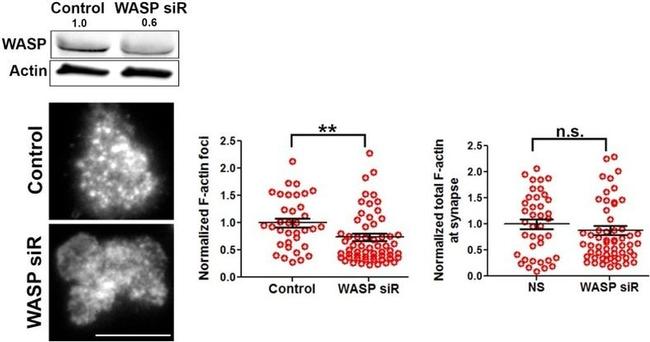
Actin foci facilitate activation of the phospholipase C-γ in primary T lymphocytes via the WASP pathway.
eLife
Kumari S,Depoil D,Martinelli R,Judokusumo E,Carmona G,Gertler FB,Kam LC,Carman CV,Burkhardt JK,Irvine DJ,Dustin ML
Published figure using CD3e monoclonal antibody (Product # 53-0031-82) in T-Cell Activation
Wed Mar 11 00:00:00 EDT 2015
A tumor lysate is an effective vaccine antigen for the stimulation of CD4(+) T-cell function and subsequent induction of antitumor immunity mediated by CD8(+) T cells.
Cancer biology & therapy
Kawahara M,Takaku H
Published figure using CD3e monoclonal antibody (Product # 53-0031-82) in Flow Cytometry
Mon Sep 12 00:00:00 EDT 2016
Adjuvants may reduce in vivo transfection levels for DNA vaccination in mice leading to reduced antigen-specific CD8+ T cell responses.
Human vaccines & immunotherapeutics
Rose AH,Hoffmann FW,Hara JH,Urschitz J,Moisyadi S,Hoffmann PR,Bertino P
Published figure using CD3e monoclonal antibody (Product # 53-0031-82) in Flow Cytometry
Mon May 16 00:00:00 EDT 2016
The Nuclear Orphan Receptor NR2F6 Is a Central Checkpoint for Cancer Immune Surveillance.
Cell reports
Hermann-Kleiter N,Klepsch V,Wallner S,Siegmund K,Klepsch S,Tuzlak S,Villunger A,Kaminski S,Pfeifhofer-Obermair C,Gruber T,Wolf D,Baier G
Published figure using CD3e monoclonal antibody (Product # 53-0031-82) in Flow Cytometry
Tue Sep 29 00:00:00 EDT 2015
Metronomic cyclophosphamide eradicates large implanted GL261 gliomas by activating antitumor Cd8+ T-cell responses and immune memory.
Oncoimmunology
Wu J,Waxman DJ
Published figure using CD3e monoclonal antibody (Product # 53-0031-82) in Flow Cytometry
Wed Apr 01 00:00:00 EDT 2015
Interleukin-25 Mediates Transcriptional Control of PD-L1 via STAT3 in Multipotent Human Mesenchymal Stromal Cells (hMSCs) to Suppress Th17 Responses.
Stem cell reports
Wang WB,Yen ML,Liu KJ,Hsu PJ,Lin MH,Chen PM,Sudhir PR,Chen CH,Chen CH,Sytwu HK,Yen BL
Published figure using CD3e monoclonal antibody (Product # 53-0031-82) in Flow Cytometry
Tue Sep 08 00:00:00 EDT 2015
A Multiple Antigenic Peptide Mimicking Peptidoglycan Induced T Cell Responses to Protect Mice from Systemic Infection with Staphylococcus aureus.
PloS one
Wang XY,Huang ZX,Chen YG,Lu X,Zhu P,Wen K,Fu N,Liu BY
Published figure using CD3e monoclonal antibody (Product # 53-0031-82) in Flow Cytometry
Tue May 24 00:00:00 EDT 2016
Antibiotics in neonatal life increase murine susceptibility to experimental psoriasis.
Nature communications
Zanvit P,Konkel JE,Jiao X,Kasagi S,Zhang D,Wu R,Chia C,Ajami NJ,Smith DP,Petrosino JF,Abbatiello B,Nakatsukasa H,Chen Q,Belkaid Y,Chen ZJ,Chen W
Published figure using CD3e monoclonal antibody (Product # 53-0031-82) in Flow Cytometry
Tue Sep 29 00:00:00 EDT 2015
Overexpression of IL-15 promotes tumor destruction via NK1.1+ cells in a spontaneous breast cancer model.
BMC cancer
Gillgrass AE,Chew MV,Krneta T,Ashkar AA
Published figure using CD3e monoclonal antibody (Product # 53-0031-82) in Flow Cytometry
Thu Apr 16 00:00:00 EDT 2015
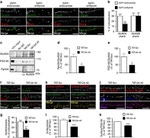
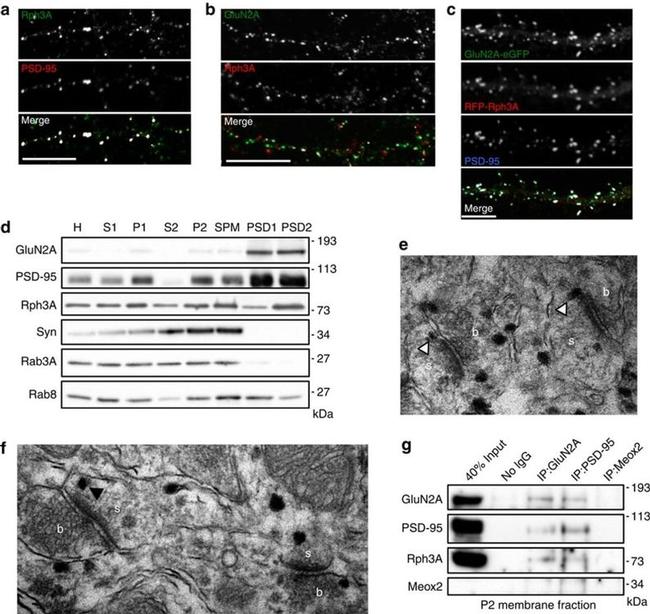
Rabphilin 3A retains NMDA receptors at synaptic sites through interaction with GluN2A/PSD-95 complex.
Nature communications
Stanic J,Carta M,Eberini I,Pelucchi S,Marcello E,Genazzani AA,Racca C,Mulle C,Di Luca M,Gardoni F
Published figure using CD3e monoclonal antibody (Product # 53-0031-82) in Immunofluorescence
Fri Dec 18 00:00:00 EST 2015
Rabphilin 3A retains NMDA receptors at synaptic sites through interaction with GluN2A/PSD-95 complex.
Nature communications
Stanic J,Carta M,Eberini I,Pelucchi S,Marcello E,Genazzani AA,Racca C,Mulle C,Di Luca M,Gardoni F
Published figure using CD3e monoclonal antibody (Product # 53-0031-82) in Immunofluorescence
Fri Dec 18 00:00:00 EST 2015
Rabphilin 3A retains NMDA receptors at synaptic sites through interaction with GluN2A/PSD-95 complex.
Nature communications
Stanic J,Carta M,Eberini I,Pelucchi S,Marcello E,Genazzani AA,Racca C,Mulle C,Di Luca M,Gardoni F
Published figure using CD3e monoclonal antibody (Product # 53-0031-82) in Immunofluorescence
Fri Dec 18 00:00:00 EST 2015
Interferon-γ from Brain Leukocytes Enhances Meningitis by Type 4 Streptococcus pneumoniae.
Frontiers in microbiology
Pettini E,Fiorino F,Cuppone AM,Iannelli F,Medaglini D,Pozzi G
53-0031 was used in Flow cytometry/Cell sorting to elucidate the role of IFN-γ in the neuroinflammatory response following type 4 Streptococcus pneumoniae-induced meningitis in mice.
Wed Dec 09 00:00:00 EST 2015
Depletion of alveolar macrophages in CD11c diphtheria toxin receptor mice produces an inflammatory response.
Immunity, inflammation and disease
Roberts LM,Ledvina HE,Tuladhar S,Rana D,Steele SP,Sempowski GD,Frelinger JA
53-0031 was used in Flow cytometry/Cell sorting to reveal the myriad of molecular side effects observable after diphtheria toxin-mediated depletion of alveolar macrophages.
Mon Jun 01 00:00:00 EDT 2015
Structure-based programming of lymph-node targeting in molecular vaccines.
Nature
Liu H,Moynihan KD,Zheng Y,Szeto GL,Li AV,Huang B,Van Egeren DS,Park C,Irvine DJ
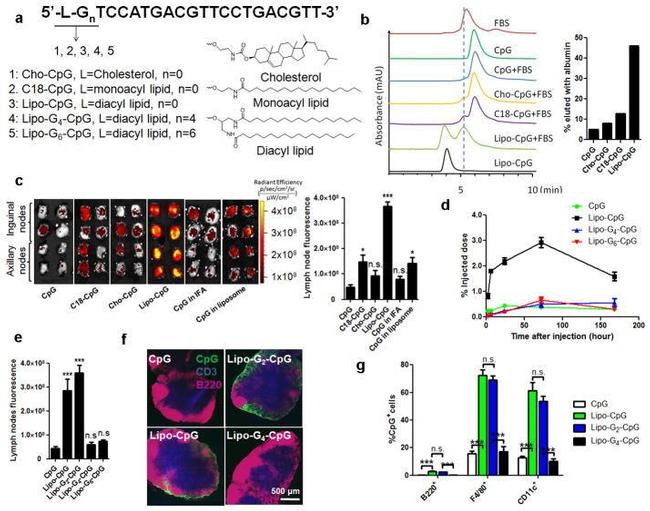
Published figure using CD3e monoclonal antibody (Product # 53-0031-82) in Immunofluorescence
Thu Mar 27 00:00:00 EDT 2014
Rhinovirus-induced IL-25 in asthma exacerbation drives type 2 immunity and allergic pulmonary inflammation.
Science translational medicine
Beale J,Jayaraman A,Jackson DJ,Macintyre JDR,Edwards MR,Walton RP,Zhu J,Man Ching Y,Shamji B,Edwards M,Westwick J,Cousins DJ,Yi Hwang Y,McKenzie A,Johnston SL,Bartlett NW
Published figure using CD3e monoclonal antibody (Product # 53-0031-82) in Flow Cytometry
Wed Oct 01 00:00:00 EDT 2014
Dietary gluten increases natural killer cell cytotoxicity and cytokine secretion.
European journal of immunology
Larsen J,Dall M,Antvorskov JC,Weile C,Engkilde K,Josefsen K,Buschard K
Published figure using CD3e monoclonal antibody (Product # 53-0031-82) in Flow Cytometry
Wed Oct 01 00:00:00 EDT 2014
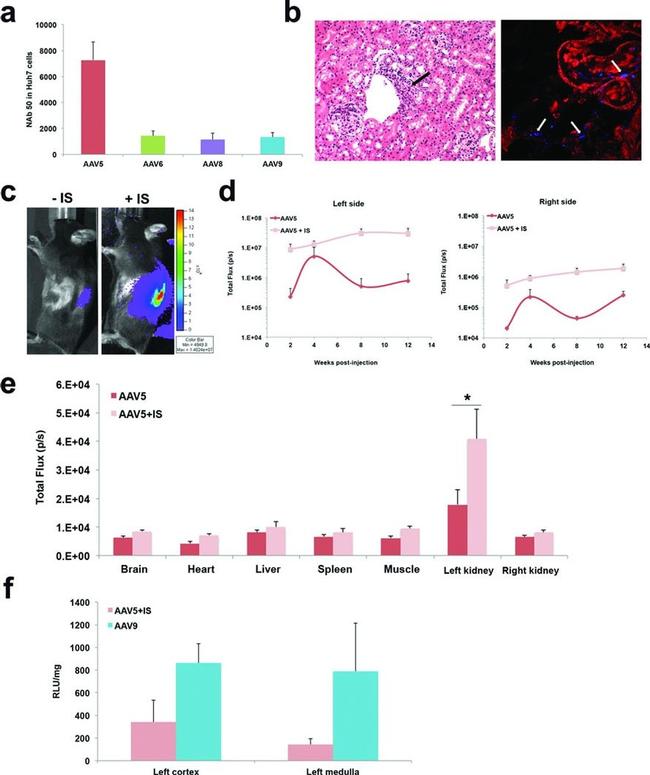
rAAV9 combined with renal vein injection is optimal for kidney-targeted gene delivery: conclusion of a comparative study.
Gene therapy
Rocca CJ,Ur SN,Harrison F,Cherqui S
Published figure using CD3e monoclonal antibody (Product # 53-0031-82) in Immunofluorescence
Sun Jun 01 00:00:00 EDT 2014
Role of IL-17 and TGF-β in peritoneal adhesion formation after surgical trauma.
Wound repair and regeneration : official publication of the Wound Healing Society [and] the European Tissue Repair Society
Wang G,Wu K,Li W,Zhao E,Shi L,Wang J,Shuai X,Cai K,Lu X,Tao K,Wang G
Published figure using CD3e monoclonal antibody (Product # 53-0031-82) in Flow Cytometry
Tue Jun 30 00:00:00 EDT 2015
Tim-3 negatively mediates natural killer cell function in LPS-induced endotoxic shock.
PloS one
Hou H,Liu W,Wu S,Lu Y,Peng J,Zhu Y,Lu Y,Wang F,Sun Z
Published figure using CD3e monoclonal antibody (Product # 53-0031-82) in Flow Cytometry
Mon Jul 06 00:00:00 EDT 2015
The nucleotide-binding leucine-rich repeat (NLR) family member NLRX1 mediates protection against experimental autoimmune encephalomyelitis and represses macrophage/microglia-induced inflammation.
The Journal of biological chemistry
Eitas TK,Chou WC,Wen H,Gris D,Robbins GR,Brickey J,Oyama Y,Ting JP
Published figure using CD3e monoclonal antibody (Product # 53-0031-82) in Flow Cytometry
Fri Feb 14 00:00:00 EST 2014
Cbx4 regulates the proliferation of thymic epithelial cells and thymus function.
Development (Cambridge, England)
Liu B,Liu YF,Du YR,Mardaryev AN,Yang W,Chen H,Xu ZM,Xu CQ,Zhang XR,Botchkarev VA,Zhang Y,Xu GL
Published figure using CD3e monoclonal antibody (Product # 53-0031-82) in Flow Cytometry
Fri Feb 01 00:00:00 EST 2013
High frequencies of activated B cells and T follicular helper cells are correlated with disease activity in patients with new-onset rheumatoid arthritis.
Clinical and experimental immunology
Wang J,Shan Y,Jiang Z,Feng J,Li C,Ma L,Jiang Y
Published figure using CD3e monoclonal antibody (Product # 53-0031-82) in Flow Cytometry
Fri Nov 01 00:00:00 EDT 2013
Infection with Francisella tularensis LVS clpB leads to an altered yet protective immune response.
Infection and immunity
Barrigan LM,Tuladhar S,Brunton JC,Woolard MD,Chen CJ,Saini D,Frothingham R,Sempowski GD,Kawula TH,Frelinger JA
53-0031 was used in Flow cytometry/Cell sorting to investigate the altered immune response induced by Francisella tularensis LVS clpB compared to Francisella tularensis LVS in vivo.
Sat Jun 01 00:00:00 EDT 2013
Myxomaviral Anti-Inflammatory Serpin Reduces Myeloid-Derived Suppressor Cells and Human Pancreatic Cancer Cell Growth in Mice.
Journal of cancer science & therapy
Zheng D,Chen H,Bartee MY,Williams J,Davids JA,Lomas DA,McFadden G,Lucas AR
Published figure using CD3e monoclonal antibody (Product # 53-0031-82) in Flow Cytometry
Mon Aug 19 00:00:00 EDT 2013
Pulmonary T cell activation in response to chronic particulate air pollution.
American journal of physiology. Lung cellular and molecular physiology
Deiuliis JA,Kampfrath T,Zhong J,Oghumu S,Maiseyeu A,Chen LC,Sun Q,Satoskar AR,Rajagopalan S
Published figure using CD3e monoclonal antibody (Product # 53-0031-82) in Flow Cytometry
Wed Feb 15 00:00:00 EST 2012
Spontaneous autoimmune gastritis and hypochlorhydria are manifest in the ileitis-prone SAMP1/YitFcs mice.
American journal of physiology. Gastrointestinal and liver physiology
Ernst PB,Erickson LD,Loo WM,Scott KG,Wiznerowicz EB,Brown CC,Torres-Velez FJ,Alam MS,Black SG,McDuffie M,Feldman SH,Wallace JL,McKnight GW,Padol IT,Hunt RH,Tung KS
Published figure using CD3e monoclonal antibody (Product # 53-0031-82) in Flow Cytometry
Sun Jan 01 00:00:00 EST 2012
Spontaneous autoimmune gastritis and hypochlorhydria are manifest in the ileitis-prone SAMP1/YitFcs mice.
American journal of physiology. Gastrointestinal and liver physiology
Ernst PB,Erickson LD,Loo WM,Scott KG,Wiznerowicz EB,Brown CC,Torres-Velez FJ,Alam MS,Black SG,McDuffie M,Feldman SH,Wallace JL,McKnight GW,Padol IT,Hunt RH,Tung KS
Published figure using CD3e monoclonal antibody (Product # 53-0031-82) in Flow Cytometry
Sun Jan 01 00:00:00 EST 2012
Evaluation of Lassa virus vaccine immunogenicity in a CBA/J-ML29 mouse model.
Vaccine
Goicochea MA,Zapata JC,Bryant J,Davis H,Salvato MS,Lukashevich IS
Published figure using CD3e monoclonal antibody (Product # 53-0031-82) in Flow Cytometry
Tue Feb 14 00:00:00 EST 2012
Species-specific activity of glycolipid ligands for invariant NKT cells.
Chembiochem : a European journal of chemical biology
Dangerfield EM,Cheng JM,Knight DA,Weinkove R,Dunbar PR,Hermans IF,Timmer MS,Stocker BL
Published figure using CD3e monoclonal antibody (Product # 53-0031-82) in Flow Cytometry
Mon Jun 18 00:00:00 EDT 2012
Loss of the methyl lysine effector protein PHF20 impacts the expression of genes regulated by the lysine acetyltransferase MOF.
The Journal of biological chemistry
Badeaux AI,Yang Y,Cardenas K,Vemulapalli V,Chen K,Kusewitt D,Richie E,Li W,Bedford MT
Published figure using CD3e monoclonal antibody (Product # 53-0031-82) in Flow Cytometry
Mon Jan 02 00:00:00 EST 2012
Soluble MOG35-55/I-A(b) dimers ameliorate experimental autoimmune encephalomyelitis by reducing encephalitogenic T cells.
PloS one
Gong Y,Wang Z,Liang Z,Duan H,Ouyang L,Yu Q,Xu Z,Shen G,Weng X,Wu X
Published figure using CD3e monoclonal antibody (Product # 53-0031-82) in Flow Cytometry
Fri Jul 19 00:00:00 EDT 2013
Sertoli cell-specific deletion of the androgen receptor compromises testicular immune privilege in mice.
Biology of reproduction
Meng J,Greenlee AR,Taub CJ,Braun RE
Published figure using CD3e monoclonal antibody (Product # 53-0031-82) in Flow Cytometry
Mon Aug 01 00:00:00 EDT 2011
T-cell recruitment and Th1 polarization in adipose tissue during diet-induced obesity in C57BL/6 mice.
Obesity (Silver Spring, Md.)
Strissel KJ,DeFuria J,Shaul ME,Bennett G,Greenberg AS,Obin MS
Published figure using CD3e monoclonal antibody (Product # 53-0031-82) in Flow Cytometry
Fri Oct 01 00:00:00 EDT 2010
Expression of the chemokine binding protein M3 promotes marked changes in the accumulation of specific leukocytes subsets within the intestine.
Gastroenterology
Shang L,Thirunarayanan N,Viejo-Borbolla A,Martin AP,Bogunovic M,Marchesi F,Unkeless JC,Ho Y,Furtado GC,Alcami A,Merad M,Mayer L,Lira SA
Published figure using CD3e monoclonal antibody (Product # 53-0031-82) in Flow Cytometry
Tue Sep 01 00:00:00 EDT 2009
Tracking epitope-specific T cells.
Nature protocols
Moon JJ,Chu HH,Hataye J,Pagán AJ,Pepper M,McLachlan JB,Zell T,Jenkins MK
Published figure using CD3e monoclonal antibody (Product # 53-0031-82) in Flow Cytometry
Tue Jun 30 00:00:00 EDT 2009
p27 deficiency cooperates with Bcl-2 but not Bax to promote T-cell lymphoma.
PloS one
Cheng N,van de Wetering CI,Knudson CM
Published figure using CD3e monoclonal antibody (Product # 53-0031-82) in Flow Cytometry
Wed Apr 02 00:00:00 EDT 2008
The mouse mammary carcinoma 4T1: characterization of the cellular landscape of primary tumours and metastatic tumour foci.
International journal of experimental pathology
DuPré SA,Redelman D,Hunter KW
Published figure using CD3e monoclonal antibody (Product # 53-0031-82) in Flow Cytometry
Mon Oct 01 00:00:00 EDT 2007
HSP70 vaccine in combination with gene therapy with plasmid DNA encoding sPD-1 overcomes immune resistance and suppresses the progression of pulmonary metastatic melanoma.
International journal of cancer
Geng H,Zhang GM,Xiao H,Yuan Y,Li D,Zhang H,Qiu H,He YF,Feng ZH
Thu Jun 01 00:00:00 EDT 2006







.jpg?time=20220827)




























.jpg?time=20220827?time=20220827 "CD3e Antibody (53-0031-80) in IHC")





















 defense/immunity protein

