Product References
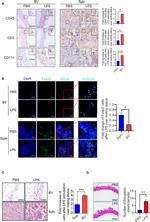
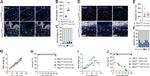
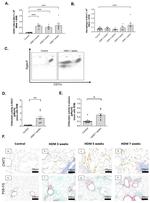
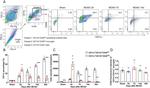
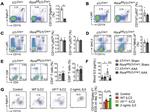
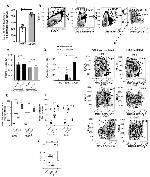
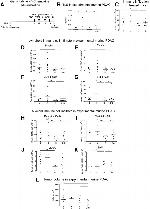
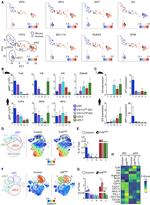
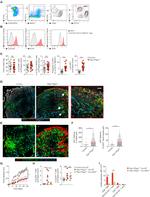
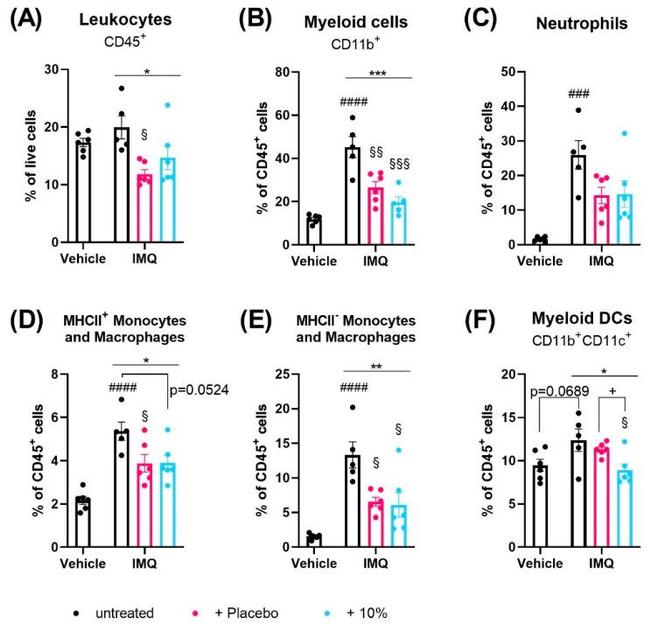
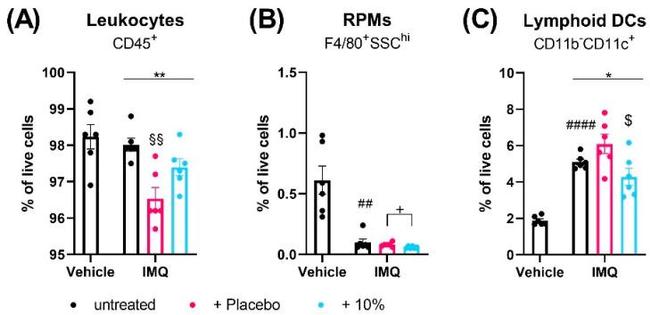
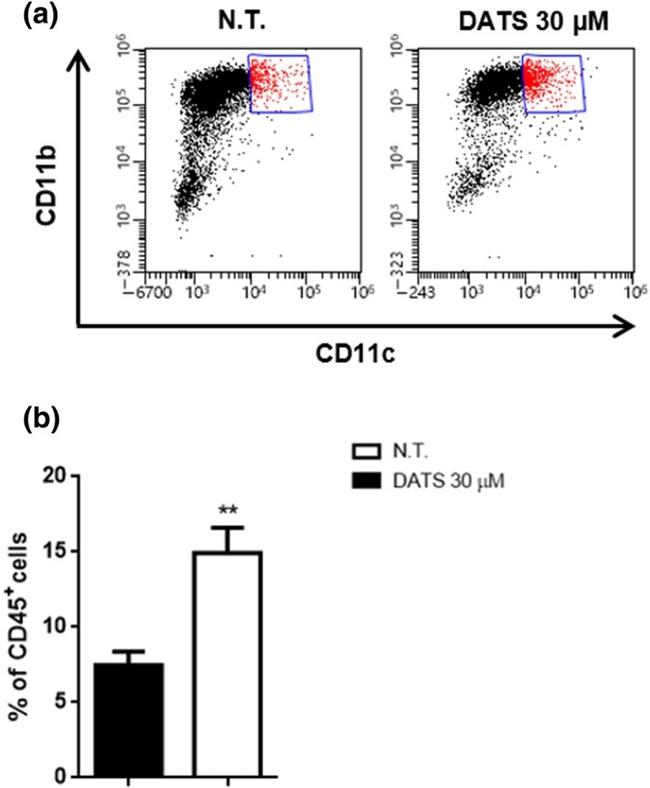
Topical Diacerein Decreases Skin and Splenic CD11c+ Dendritic Cells in Psoriasis.
International journal of molecular sciences
Brunner SM,Ramspacher A,Rieser C,Leitner J,Heil H,Ablinger M,Tevini J,Wimmer M,Koller A,Piñón Hofbauer J,Felder TK,Bauer JW,Kofler B,Lang R,Wally V
Published figure using CD11c monoclonal antibody (Product # 53-0114-82) in Flow Cytometry
Tue Feb 21 00:00:00 EST 2023
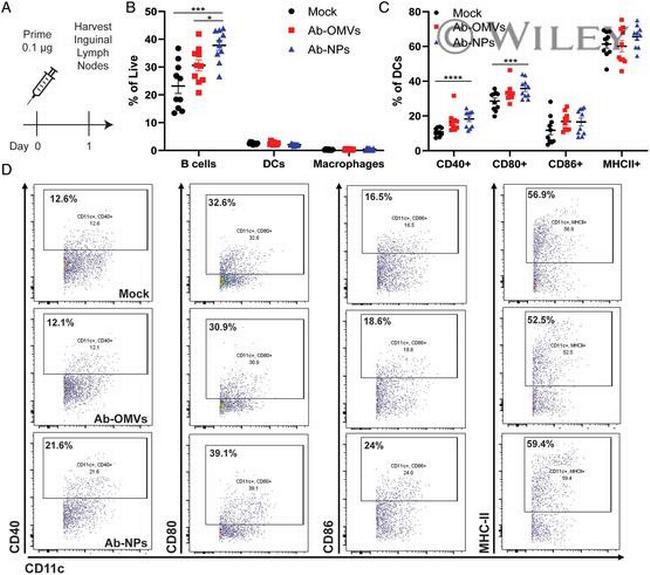
Outer Membrane Vesicle-Coated Nanoparticle Vaccine Protects Against Acinetobacter baumannii Pneumonia and Sepsis.
Advanced nanobiomed research
Bjanes E,Zhou J,Qayum T,Krishnan N,Zurich RH,Menon ND,Hoffman A,Fang RH,Zhang L,Nizet V
Published figure using CD11c monoclonal antibody (Product # 53-0114-82) in Flow Cytometry
Wed Feb 01 00:00:00 EST 2023
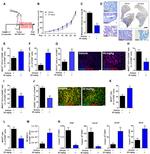
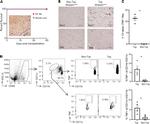
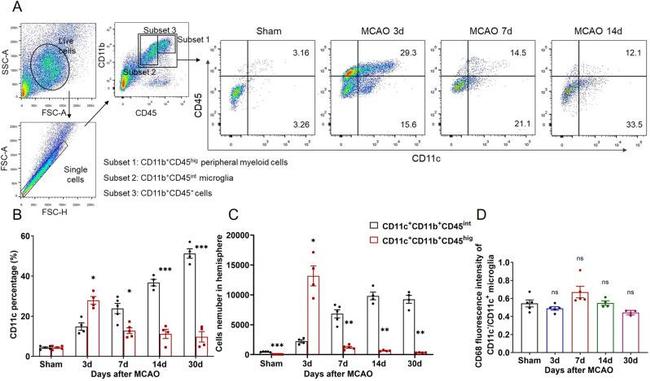
CD11c+ microglia promote white matter repair after ischemic stroke.
Cell death & disease
Jia J,Zheng L,Ye L,Chen J,Shu S,Xu S,Bao X,Xia S,Liu R,Xu Y,Zhang M
Published figure using CD11c monoclonal antibody (Product # 53-0114-82) in Flow Cytometry
Fri Feb 24 00:00:00 EST 2023
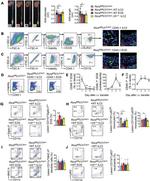
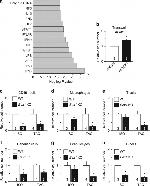
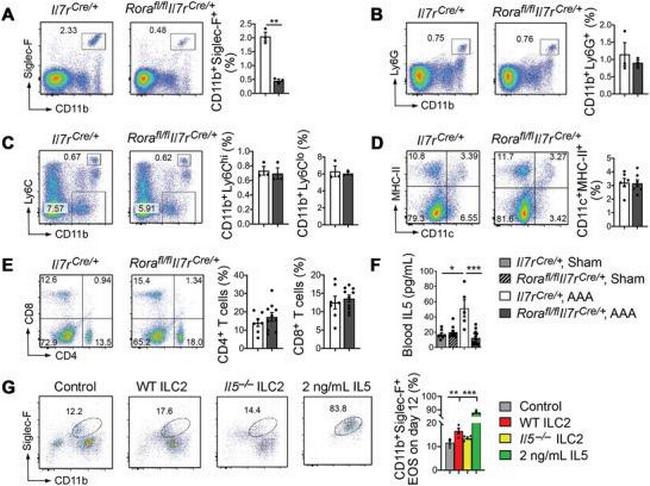
Group 2 Innate Lymphoid Cells Protect Mice from Abdominal Aortic Aneurysm Formation via IL5 and Eosinophils.
Advanced science (Weinheim, Baden-Wurttemberg, Germany)
Zhang Y,Liu T,Deng Z,Fang W,Zhang X,Zhang S,Wang M,Luo S,Meng Z,Liu J,Sukhova GK,Li D,McKenzie ANJ,Libby P,Shi GP,Guo J
Published figure using CD11c monoclonal antibody (Product # 53-0114-82) in Flow Cytometry
Wed Mar 01 00:00:00 EST 2023
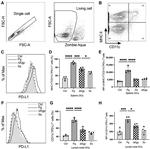
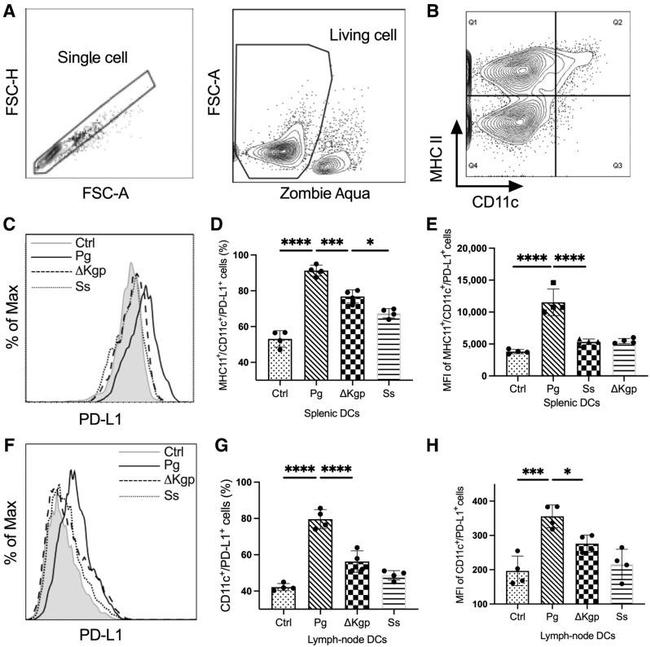
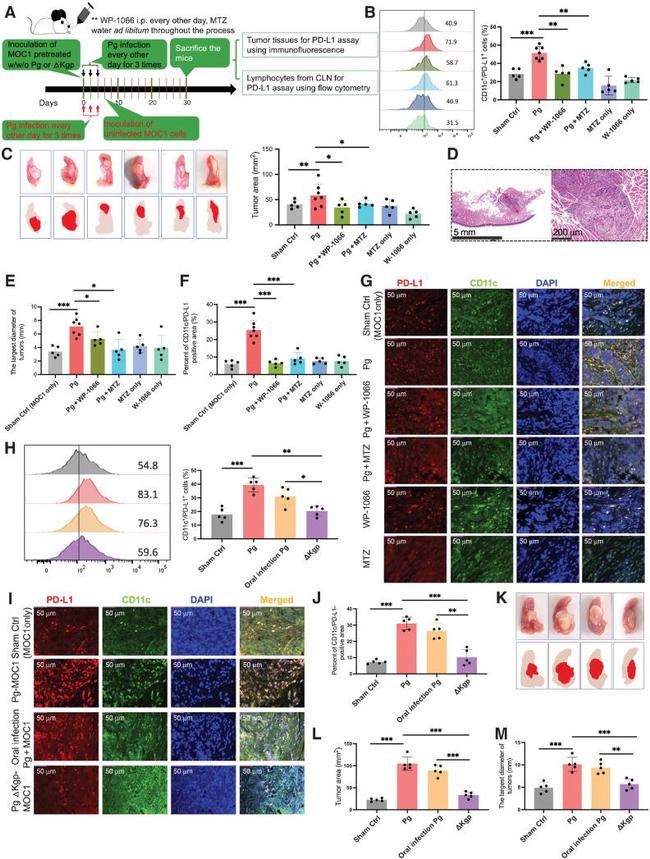
P. gingivalis Infection Upregulates PD-L1 Expression on Dendritic Cells, Suppresses CD8+ T-cell Responses, and Aggravates Oral Cancer.
Cancer immunology research
Ren J,Han X,Lohner H,Hoyle RG,Li J,Liang S,Wang H
Published figure using CD11c monoclonal antibody (Product # 53-0114-82) in Flow Cytometry
Wed Mar 01 00:00:00 EST 2023
Toxin expression during Staphylococcus aureus infection imprints host immunity to inhibit vaccine efficacy.
NPJ vaccines
Teymournejad O,Li Z,Beesetty P,Yang C,Montgomery CP
Published figure using CD11c monoclonal antibody (Product # 53-0114-82) in Flow Cytometry
Tue Jan 24 00:00:00 EST 2023
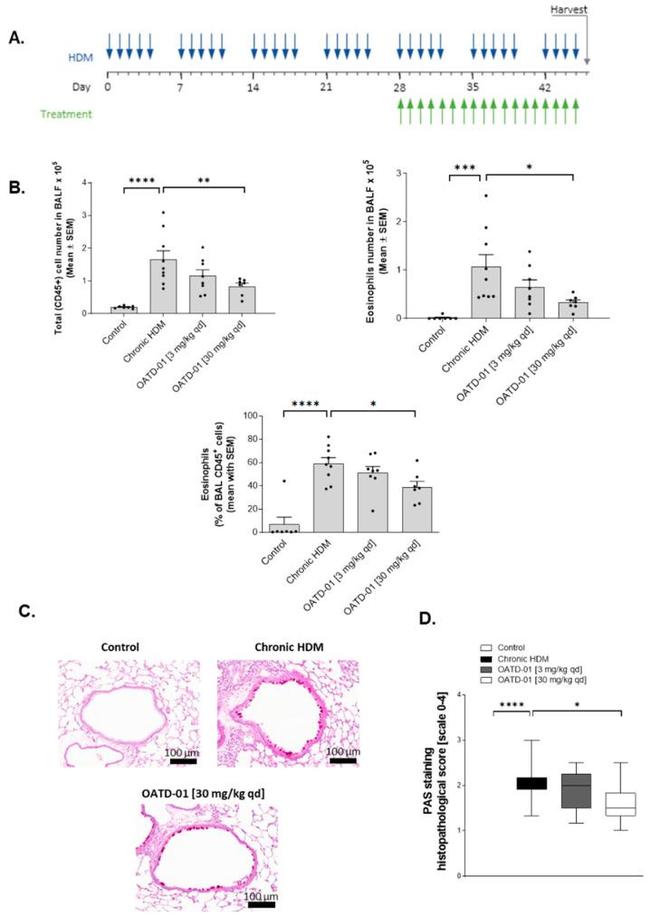
Inhibition of Macrophage-Specific CHIT1 as an Approach to Treat Airway Remodeling in Severe Asthma.
International journal of molecular sciences
Sklepkiewicz P,Dymek B,Mlacki M,Zagozdzon A,Salamon M,Siwińska AM,Mazurkiewicz MP,de Souza Xavier Costa N,Mazur M,Mauad T,Gołębiowski A,Dzwonek K,Gołąb J,Zasłona Z
Published figure using CD11c monoclonal antibody (Product # 53-0114-82) in Flow Cytometry
Wed Mar 01 00:00:00 EST 2023
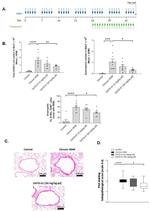
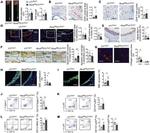
Targeted inhibition of osteoclastogenesis reveals the pathogenesis and therapeutics of bone loss under sympathetic neurostress.
International journal of oral science
Sui B,Liu J,Zheng C,Dang L,Chen J,Cao Y,Zhang K,Liu L,Dang M,Zhang L,Chen N,He T,Xuan K,Jin F,Zhang G,Jin Y,Hu C
Published figure using CD11c monoclonal antibody (Product # 53-0114-82) in Immunohistochemistry
Mon Aug 01 00:00:00 EDT 2022
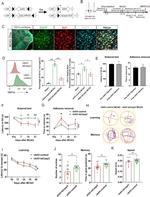
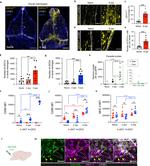
Meningeal lymphatic drainage promotes T cell responses against Toxoplasma gondii but is dispensable for parasite control in the brain.
eLife
Kovacs MA,Cowan MN,Babcock IW,Sibley LA,Still K,Batista SJ,Labuzan SA,Sethi I,Harris TH
Published figure using CD11c monoclonal antibody (Product # 53-0114-82) in Flow Cytometry
Wed Dec 21 00:00:00 EST 2022
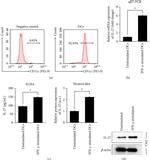
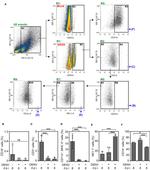
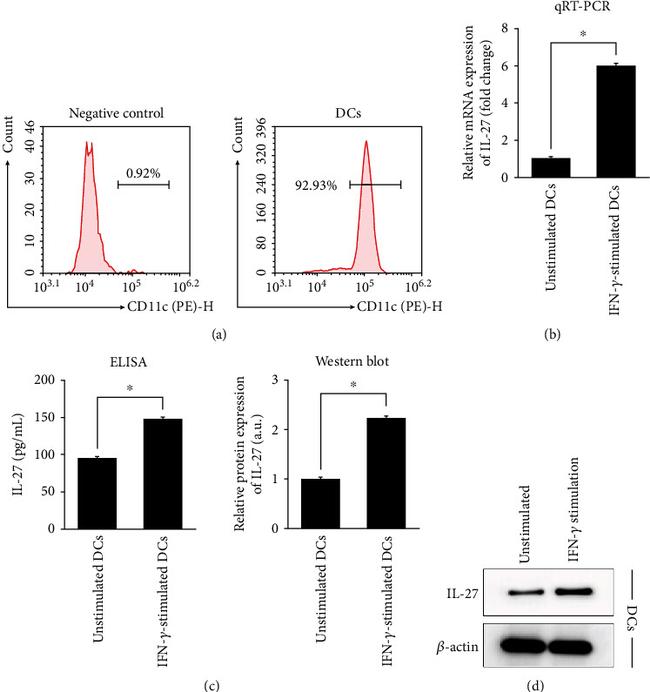
Interferon-γ Stimulates Interleukin-27 Derived from Dendritic Cells to Regulate Th9 Differentiation through STAT1/3 Pathway.
Disease markers
Xiong P,Liu T,Chen Y,Xu Q,Hu X,Han F,Shi L
Published figure using CD11c monoclonal antibody (Product # 53-0114-82) in Flow Cytometry
Mon Oct 31 00:00:00 EDT 2022
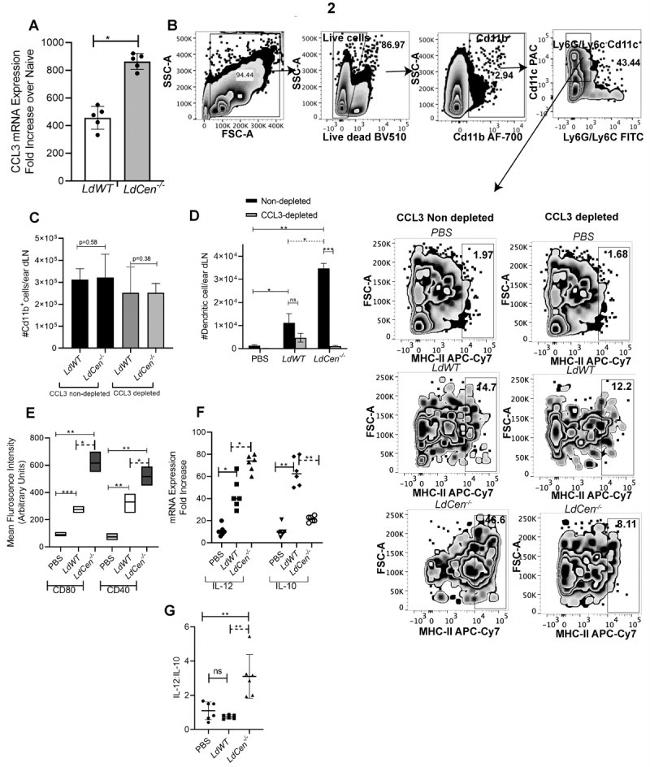
Neutrophil-dendritic cell interaction plays an important role in live attenuated Leishmania vaccine induced immunity.
PLoS neglected tropical diseases
Bhattacharya P,Ismail N,Saxena A,Gannavaram S,Dey R,Oljuskin T,Akue A,Takeda K,Yu J,Karmakar S,Dagur PK,McCoy JP,Nakhasi HL
Published figure using CD11c monoclonal antibody (Product # 53-0114-82) in Flow Cytometry
Tue Feb 01 00:00:00 EST 2022
Self-Tolerance of Vascular Tissues Is Broken Down by Vascular Dendritic Cells in Response to Systemic Inflammation to Initiate Regional Autoinflammation.
Frontiers in immunology
Sun L,Zhang W,Zhao L,Zhao Y,Wang F,Lew AM,Xu Y
Published figure using CD11c monoclonal antibody (Product # 53-0114-82) in Immunohistochemistry
Fri Apr 01 00:00:00 EDT 2022
Nucleolin Therapeutic Targeting Decreases Pancreatic Cancer Immunosuppression.
Cancers
Ponzo M,Debesset A,Cossutta M,Chalabi-Dchar M,Houppe C,Pilon C,Nicolas-Boluda A,Meunier S,Raineri F,Thiolat A,Nicolle R,Maione F,Brundu S,Cojocaru CF,Bouvet P,Bousquet C,Gazeau F,Tournigand C,Courty J,Giraudo E,Cohen JL,Cascone I
Published figure using CD11c monoclonal antibody (Product # 53-0114-82) in Flow Cytometry
Wed Aug 31 00:00:00 EDT 2022
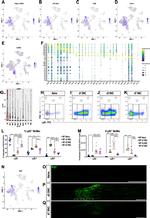
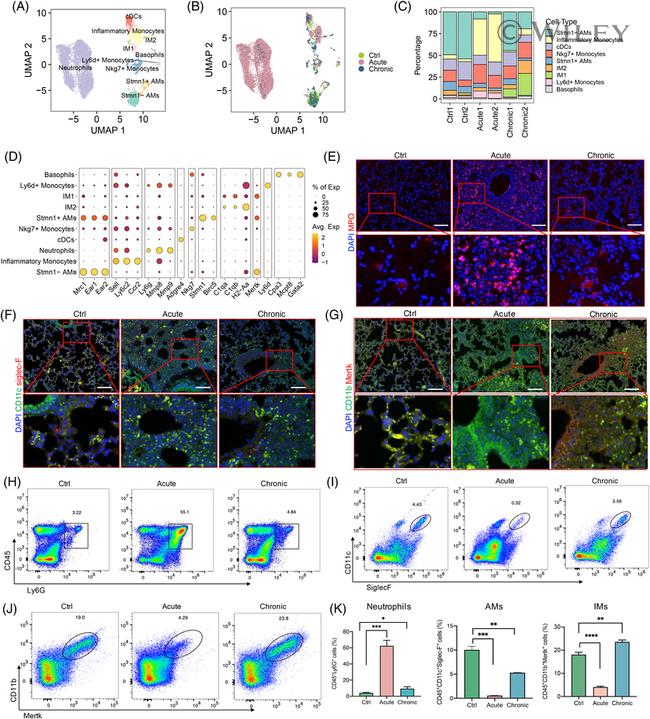
Single-cell transcriptomics reveals distinct cell response between acute and chronic pulmonary infection of Pseudomonas aeruginosa.
MedComm
Hu X,Wu M,Ma T,Zhang Y,Zou C,Wang R,Zhang Y,Ren Y,Li Q,Liu H,Li H,Wang T,Sun X,Yang Y,Tang M,Li X,Li J,Gao X,Li T,Zhou X
Published figure using CD11c monoclonal antibody (Product # 53-0114-82) in Immunohistochemistry
Thu Dec 01 00:00:00 EST 2022
Neutrophil-specific gain-of-function mutations in Nlrp3 promote development of cryopyrin-associated periodic syndrome.
The Journal of experimental medicine
Stackowicz J,Gaudenzio N,Serhan N,Conde E,Godon O,Marichal T,Starkl P,Balbino B,Roers A,Bruhns P,Jönsson F,Moguelet P,Georgin-Lavialle S,Broderick L,Hoffman HM,Galli SJ,Reber LL
Published figure using CD11c monoclonal antibody (Product # 53-0114-82) in Immunohistochemistry
Mon Oct 04 00:00:00 EDT 2021
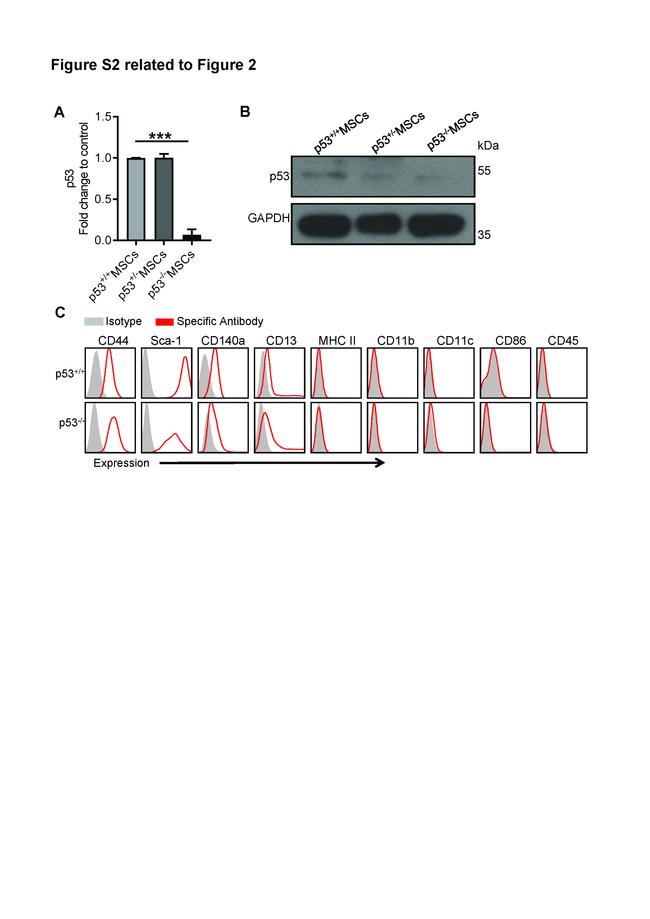
Loss of p53 in mesenchymal stem cells promotes alteration of bone remodeling through negative regulation of osteoprotegerin.
Cell death and differentiation
Velletri T,Huang Y,Wang Y,Li Q,Hu M,Xie N,Yang Q,Chen X,Chen Q,Shou P,Gan Y,Candi E,Annicchiarico-Petruzzelli M,Agostini M,Yang H,Melino G,Shi Y,Wang Y
Published figure using CD11c monoclonal antibody (Product # 53-0114-82) in Flow Cytometry
Fri Jan 01 00:00:00 EST 2021
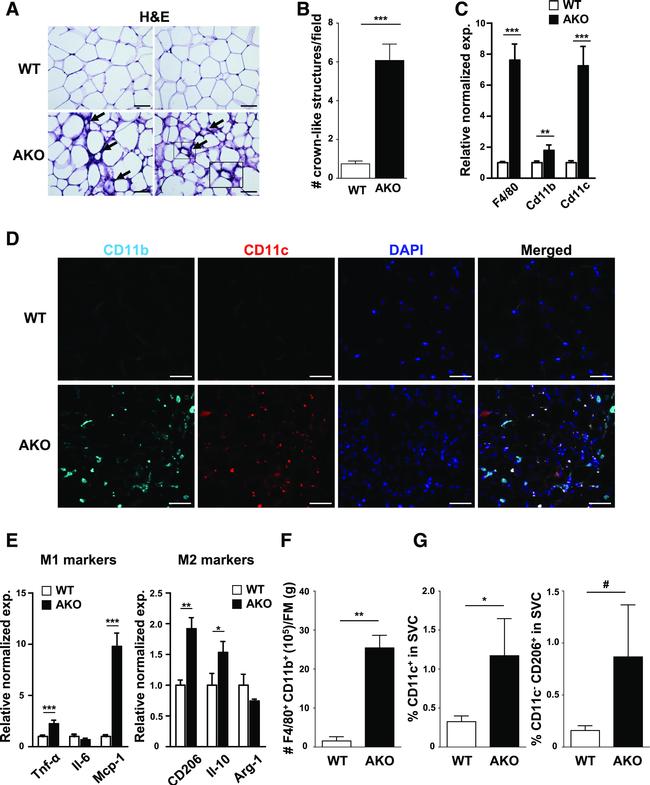
Depletion of Adipocyte Becn1 Leads to Lipodystrophy and Metabolic Dysregulation.
Diabetes
Jin Y,Ji Y,Song Y,Choe SS,Jeon YG,Na H,Nam TW,Kim HJ,Nahmgoong H,Kim SM,Kim JW,Nam KT,Seong JK,Hwang D,Park CB,Lee IH,Kim JB,Lee HW
Published figure using CD11c monoclonal antibody (Product # 53-0114-82) in Flow Cytometry
Fri Jan 01 00:00:00 EST 2021
Depletion of Adipocyte Becn1 Leads to Lipodystrophy and Metabolic Dysregulation.
Diabetes
Jin Y,Ji Y,Song Y,Choe SS,Jeon YG,Na H,Nam TW,Kim HJ,Nahmgoong H,Kim SM,Kim JW,Nam KT,Seong JK,Hwang D,Park CB,Lee IH,Kim JB,Lee HW
Published figure using CD11c monoclonal antibody (Product # 53-0114-82) in Flow Cytometry
Fri Jan 01 00:00:00 EST 2021
Induction of IL-12p40 and type 1 immunity by Toxoplasma gondii in the absence of the TLR-MyD88 signaling cascade.
PLoS pathogens
Snyder LM,Doherty CM,Mercer HL,Denkers EY
Published figure using CD11c monoclonal antibody (Product # 53-0114-82) in Flow Cytometry
Fri Oct 01 00:00:00 EDT 2021
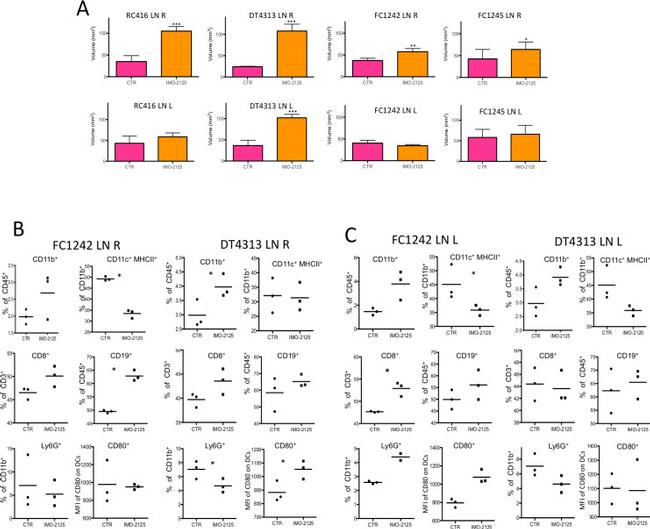
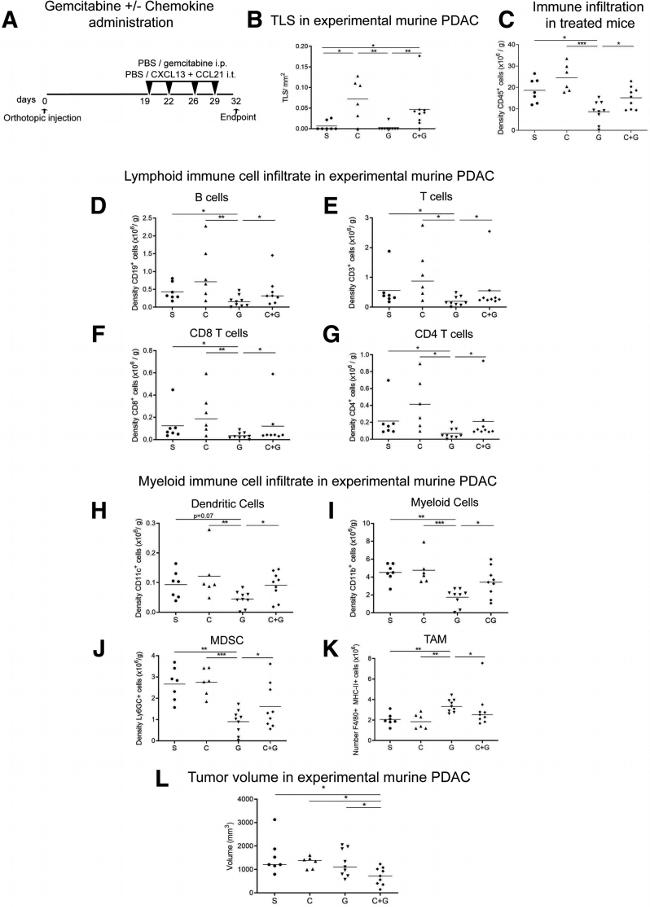
Pancreatic Cancer Chemotherapy Is Potentiated by Induction of Tertiary Lymphoid Structures in Mice.
Cellular and molecular gastroenterology and hepatology
Delvecchio FR,Fincham REA,Spear S,Clear A,Roy-Luzarraga M,Balkwill FR,Gribben JG,Bombardieri M,Hodivala-Dilke K,Capasso M,Kocher HM
Published figure using CD11c monoclonal antibody (Product # 53-0114-82) in Flow Cytometry
Mon Mar 28 00:00:00 EDT 2022
T cell-derived tumor necrosis factor induces cytotoxicity by activating RIPK1-dependent target cell death.
JCI insight
Chun N,Ang RL,Chan M,Fairchild RL,Baldwin WM,Horwitz JK,Gelles JD,Chipuk JE,Kelliher MA,Pavlov VI,Li Y,Homann D,Heeger PS,Ting AT
Published figure using CD11c monoclonal antibody (Product # 53-0114-82) in Flow Cytometry
Wed Dec 22 00:00:00 EST 2021
STING Activated Tumor-Intrinsic Type I Interferon Signaling Promotes CXCR3 Dependent Antitumor Immunity in Pancreatic Cancer.
Cellular and molecular gastroenterology and hepatology
Vonderhaar EP,Barnekow NS,McAllister D,McOlash L,Eid MA,Riese MJ,Tarakanova VL,Johnson BD,Dwinell MB
Published figure using CD11c monoclonal antibody (Product # 53-0114-82) in Flow Cytometry
Mon Jan 24 00:00:00 EST 2022
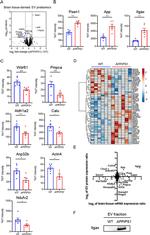
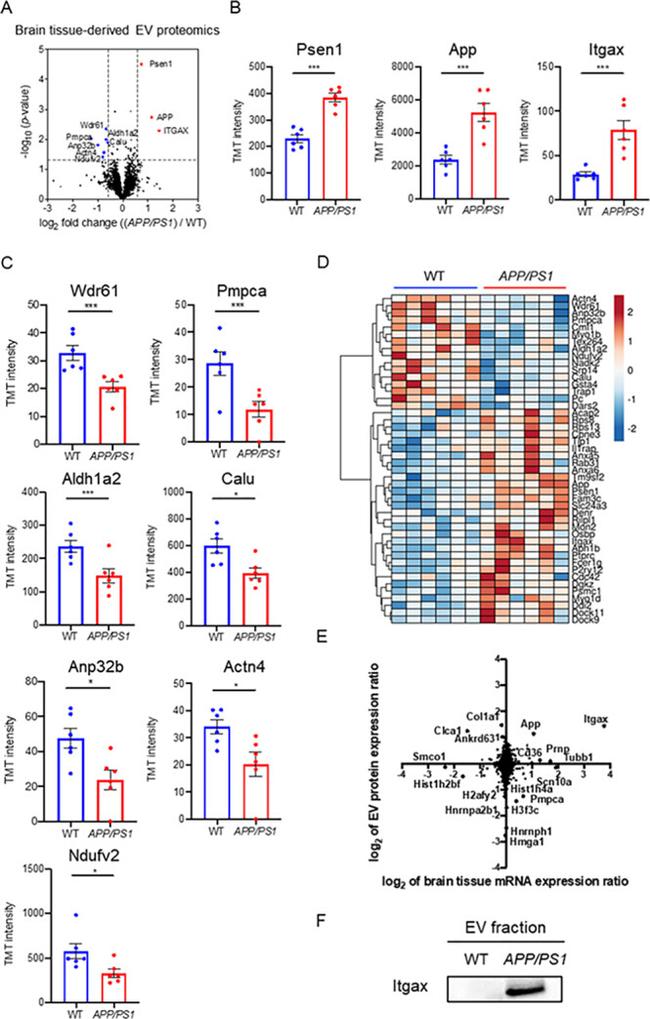
Enrichment of Neurodegenerative Microglia Signature in Brain-Derived Extracellular Vesicles Isolated from Alzheimer's Disease Mouse Models.
Journal of proteome research
Muraoka S,Jedrychowski MP,Iwahara N,Abdullah M,Onos KD,Keezer KJ,Hu J,Ikezu S,Howell GR,Gygi SP,Ikezu T
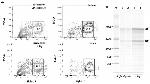
Published figure using CD11c monoclonal antibody (Product # 53-0114-82) in Western Blot
Fri Mar 05 00:00:00 EST 2021
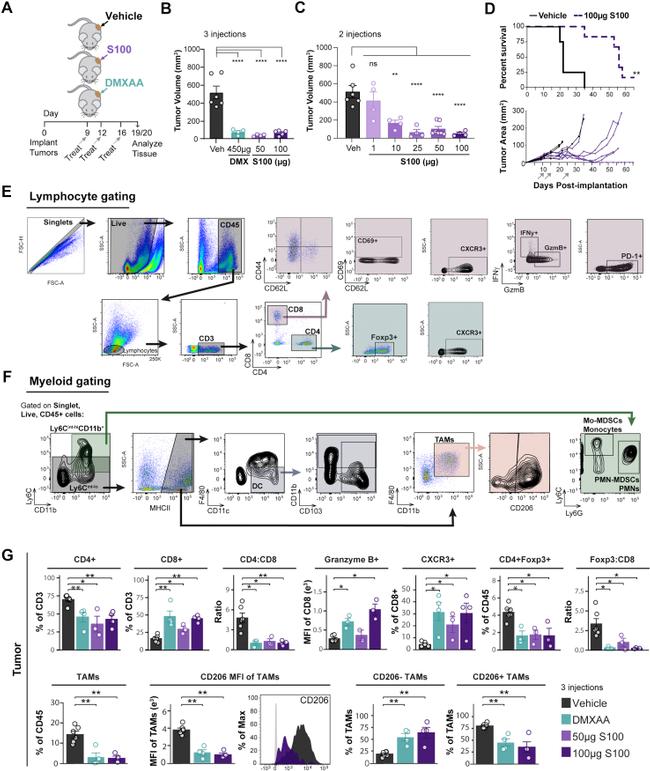
Intratumoral injection of TLR9 agonist promotes an immunopermissive microenvironment transition and causes cooperative antitumor activity in combination with anti-PD1 in pancreatic cancer.
Journal for immunotherapy of cancer
Carbone C,Piro G,Agostini A,Delfino P,De Sanctis F,Nasca V,Spallotta F,Sette C,Martini M,Ugel S,Corbo V,Cappello P,Bria E,Scarpa A,Tortora G
Published figure using CD11c monoclonal antibody (Product # 53-0114-82) in Flow Cytometry
Wed Sep 01 00:00:00 EDT 2021
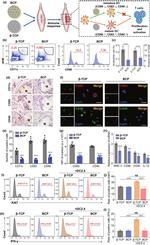
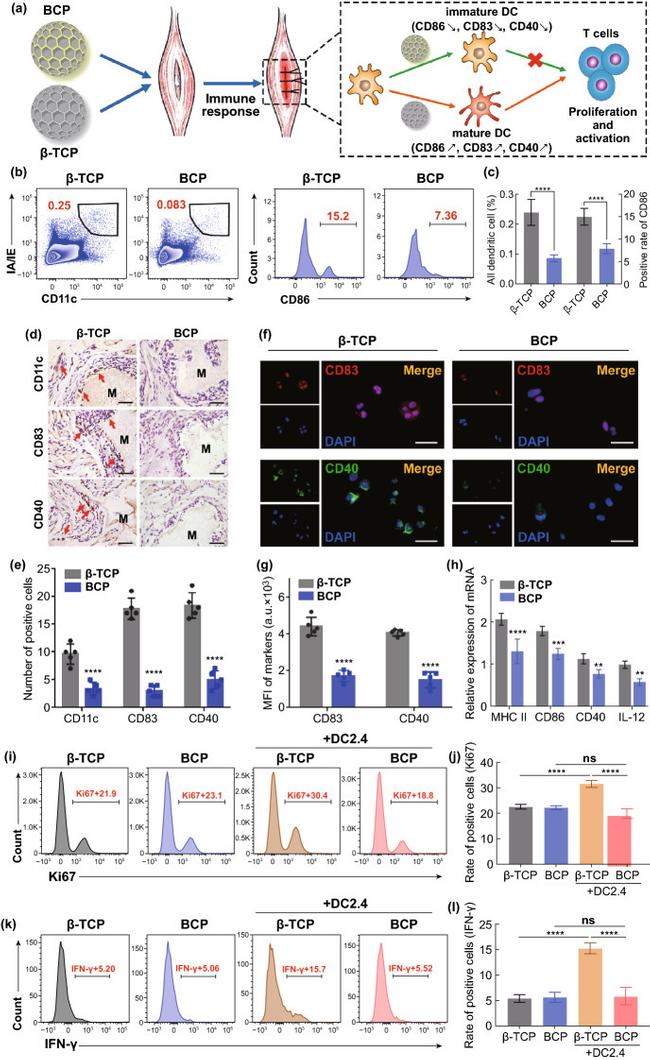
Dual-Wavelength Photosensitive Nano-in-Micro Scaffold Regulates Innate and Adaptive Immune Responses for Osteogenesis.
Nano-micro letters
Zhao Q,Shi M,Yin C,Zhao Z,Zhang J,Wang J,Shen K,Zhang L,Tang H,Xiao Y,Zhang Y
Published figure using CD11c monoclonal antibody (Product # 53-0114-82) in Flow Cytometry
Sat Nov 21 00:00:00 EST 2020
Dual-Wavelength Photosensitive Nano-in-Micro Scaffold Regulates Innate and Adaptive Immune Responses for Osteogenesis.
Nano-micro letters
Zhao Q,Shi M,Yin C,Zhao Z,Zhang J,Wang J,Shen K,Zhang L,Tang H,Xiao Y,Zhang Y
Published figure using CD11c monoclonal antibody (Product # 53-0114-82) in Flow Cytometry
Sat Nov 21 00:00:00 EST 2020
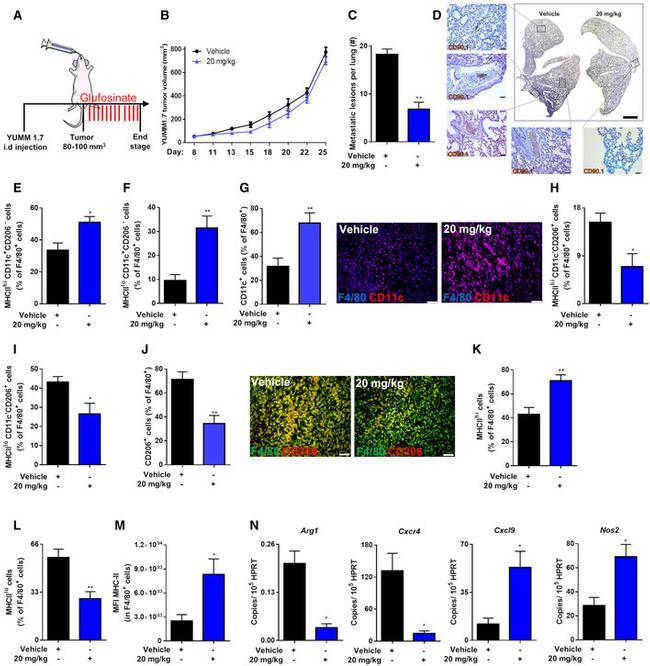
Glufosinate constrains synchronous and metachronous metastasis by promoting anti-tumor macrophages.
EMBO molecular medicine
Menga A,Serra M,Todisco S,Riera-Domingo C,Ammarah U,Ehling M,Palmieri EM,Di Noia MA,Gissi R,Favia M,Pierri CL,Porporato PE,Castegna A,Mazzone M
Published figure using CD11c monoclonal antibody (Product # 53-0114-82) in Immunohistochemistry
Wed Oct 07 00:00:00 EDT 2020
Glufosinate constrains synchronous and metachronous metastasis by promoting anti-tumor macrophages.
EMBO molecular medicine
Menga A,Serra M,Todisco S,Riera-Domingo C,Ammarah U,Ehling M,Palmieri EM,Di Noia MA,Gissi R,Favia M,Pierri CL,Porporato PE,Castegna A,Mazzone M
Published figure using CD11c monoclonal antibody (Product # 53-0114-82) in Immunohistochemistry
Wed Oct 07 00:00:00 EDT 2020
The clock gene Bmal1 inhibits macrophage motility, phagocytosis, and impairs defense against pneumonia.
Proceedings of the National Academy of Sciences of the United States of America
Kitchen GB,Cunningham PS,Poolman TM,Iqbal M,Maidstone R,Baxter M,Bagnall J,Begley N,Saer B,Hussell T,Matthews LC,Dockrell DH,Durrington HJ,Gibbs JE,Blaikley JF,Loudon AS,Ray DW
Published figure using CD11c monoclonal antibody (Product # 53-0114-82) in Flow Cytometry
Tue Jan 21 00:00:00 EST 2020
Modulation of the functions of myeloid-derived suppressor cells : a new strategy of hydrogen sulfide anti-cancer effects.
British journal of pharmacology
De Cicco P,Ercolano G,Rubino V,Terrazzano G,Ruggiero G,Cirino G,Ianaro A
Published figure using CD11c monoclonal antibody (Product # 53-0114-82) in Flow Cytometry
Sat Feb 01 00:00:00 EST 2020
RIG-I Promotes Cell Death in Hepatocellular Carcinoma by Inducing M1 Polarization of Perineal Macrophages Through the RIG-I/MAVS/NF-κB Pathway.
OncoTargets and therapy
Zhou B,Li C,Yang Y,Wang Z
Published figure using CD11c monoclonal antibody (Product # 53-0114-82) in Flow Cytometry
Sun Apr 17 00:00:00 EDT 2022
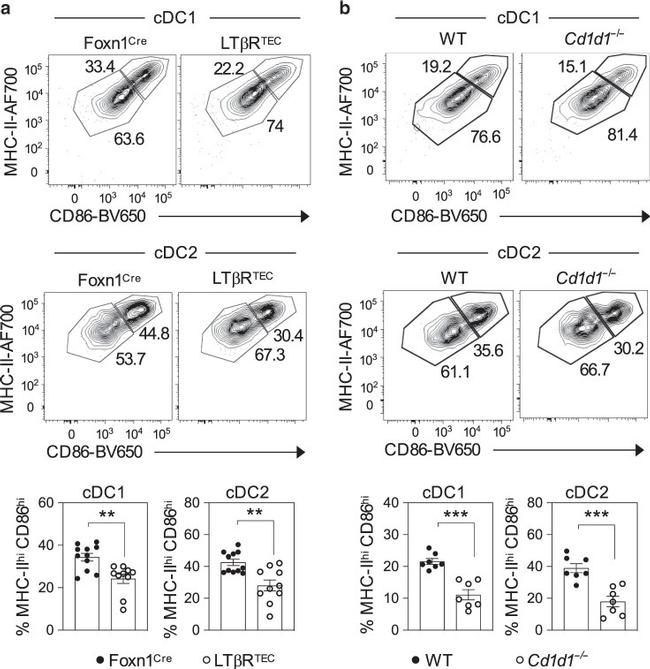
Diversity in medullary thymic epithelial cells controls the activity and availability of iNKT cells.
Nature communications
Lucas B,White AJ,Cosway EJ,Parnell SM,James KD,Jones ND,Ohigashi I,Takahama Y,Jenkinson WE,Anderson G
Published figure using CD11c monoclonal antibody (Product # 53-0114-82) in Flow Cytometry
Mon May 04 00:00:00 EDT 2020
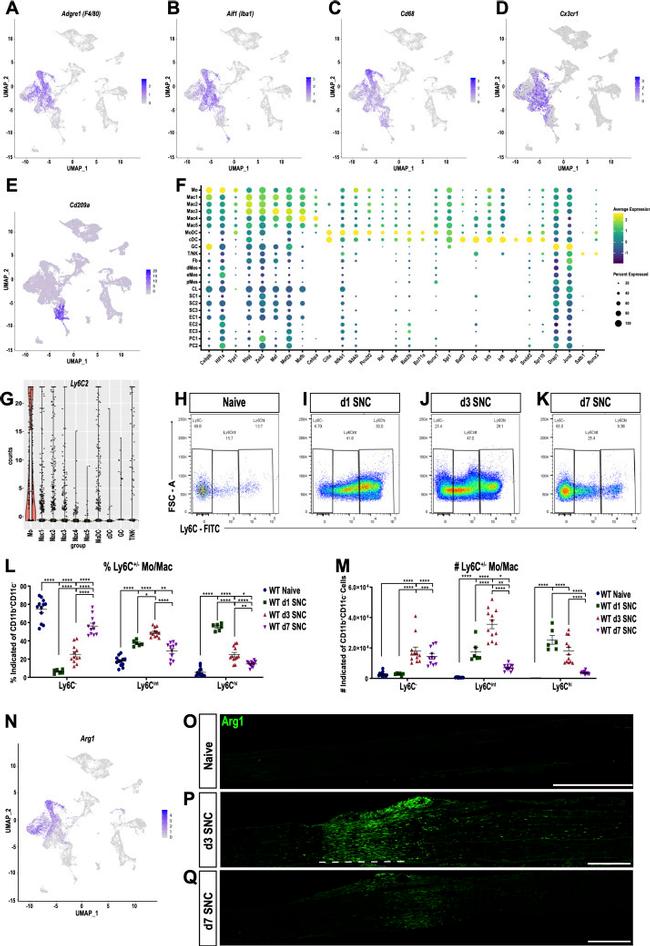
Analysis of the immune response to sciatic nerve injury identifies efferocytosis as a key mechanism of nerve debridement.
eLife
Kalinski AL,Yoon C,Huffman LD,Duncker PC,Kohen R,Passino R,Hafner H,Johnson C,Kawaguchi R,Carbajal KS,Jara JS,Hollis E,Geschwind DH,Segal BM,Giger RJ
Published figure using CD11c monoclonal antibody (Product # 53-0114-82) in Flow Cytometry
Wed Dec 02 00:00:00 EST 2020
CD103+ cDC1 and endogenous CD8+ T cells are necessary for improved CD40L-overexpressing CAR T cell antitumor function.
Nature communications
Kuhn NF,Lopez AV,Li X,Cai W,Daniyan AF,Brentjens RJ
Published figure using CD11c monoclonal antibody (Product # 53-0114-82) in Flow Cytometry
Wed Dec 02 00:00:00 EST 2020
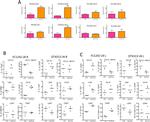
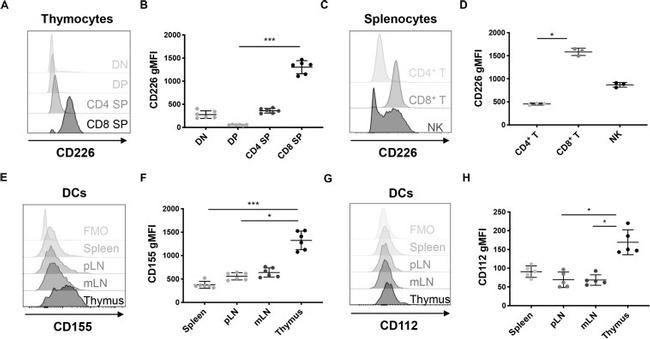
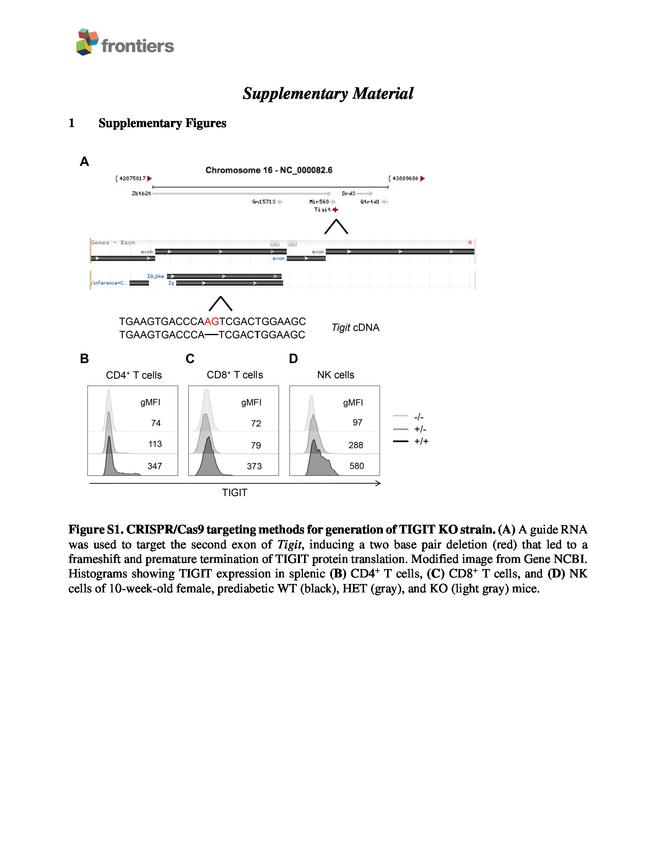
CD226 Deletion Reduces Type 1 Diabetes in the NOD Mouse by Impairing Thymocyte Development and Peripheral T Cell Activation.
Frontiers in immunology
Shapiro MR,Yeh WI,Longfield JR,Gallagher J,Infante CM,Wellford S,Posgai AL,Atkinson MA,Campbell-Thompson M,Lieberman SM,Serreze DV,Geurts AM,Chen YG,Brusko TM
Published figure using CD11c monoclonal antibody (Product # 53-0114-82) in Flow Cytometry
Wed May 26 00:00:00 EDT 2021
Ovarian granulosa cell tumor characterization identifies FOXL2 as an immunotherapeutic target.
JCI insight
Pierini S,Tanyi JL,Simpkins F,George E,Uribe-Herranz M,Drapkin R,Burger R,Morgan MA,Facciabene A
Published figure using CD11c monoclonal antibody (Product # 53-0114-82) in Flow Cytometry
Thu Aug 20 00:00:00 EDT 2020
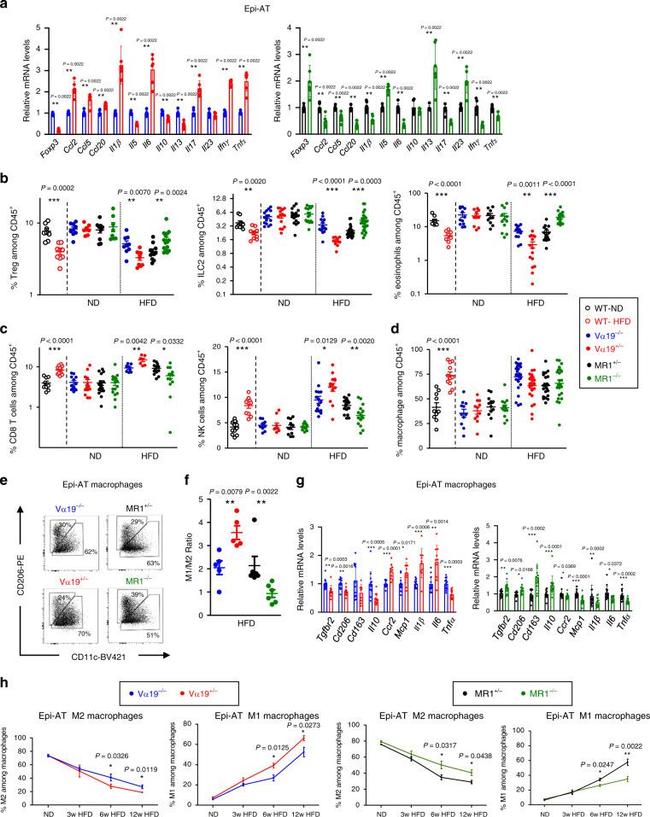
Mucosal-associated invariant T cells promote inflammation and intestinal dysbiosis leading to metabolic dysfunction during obesity.
Nature communications
Toubal A,Kiaf B,Beaudoin L,Cagninacci L,Rhimi M,Fruchet B,da Silva J,Corbett AJ,Simoni Y,Lantz O,Rossjohn J,McCluskey J,Lesnik P,Maguin E,Lehuen A
Published figure using CD11c monoclonal antibody (Product # 53-0114-82) in Flow Cytometry
Fri Jul 24 00:00:00 EDT 2020
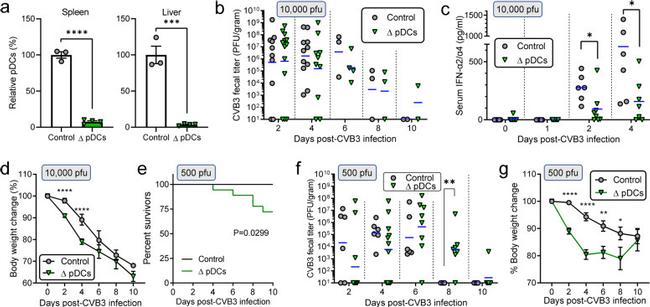
Hepatocytes trap and silence coxsackieviruses, protecting against systemic disease in mice.
Communications biology
Kimura T,Flynn CT,Whitton JL
Published figure using CD11c monoclonal antibody (Product # 53-0114-82) in Flow Cytometry
Fri Oct 16 00:00:00 EDT 2020
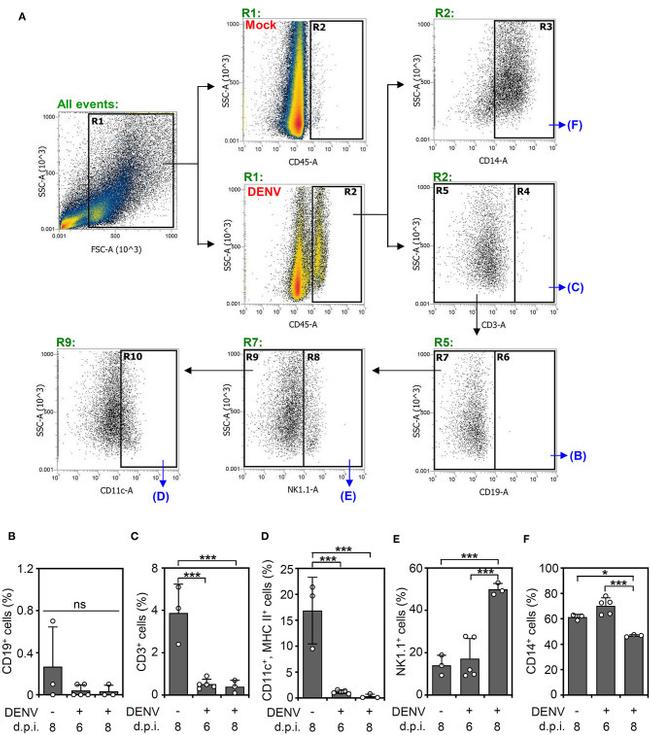
CNS Immune Profiling in a Dengue Virus-Infected Immunocompetent Outbred ICR Mice Strain.
Frontiers in cellular and infection microbiology
Shen TJ,Chen CL,Jhan MK,Tseng PC,Lin CF
Published figure using CD11c monoclonal antibody (Product # 53-0114-82) in Flow Cytometry
Thu Jun 17 00:00:00 EDT 2021
UVB-Induced Tumor Heterogeneity Diminishes Immune Response in Melanoma.
Cell
Wolf Y,Bartok O,Patkar S,Eli GB,Cohen S,Litchfield K,Levy R,Jiménez-Sánchez A,Trabish S,Lee JS,Karathia H,Barnea E,Day CP,Cinnamon E,Stein I,Solomon A,Bitton L,Pérez-Guijarro E,Dubovik T,Shen-Orr SS,Miller ML,Merlino G,Levin Y,Pikarsky E,Eisenbach L,Admon A,Swanton C,Ruppin E,Samuels Y
Published figure using CD11c monoclonal antibody (Product # 53-0114-82) in Flow Cytometry
Thu Sep 19 00:00:00 EDT 2019
Toxin-Triggered Interleukin-1 Receptor Signaling Enables Early-Life Discrimination of Pathogenic versus Commensal Skin Bacteria.
Cell host & microbe
Leech JM,Dhariwala MO,Lowe MM,Chu K,Merana GR,Cornuot C,Weckel A,Ma JM,Leitner EG,Gonzalez JR,Vasquez KS,Diep BA,Scharschmidt TC
Published figure using CD11c monoclonal antibody (Product # 53-0114-82) in Flow Cytometry
Wed Dec 11 00:00:00 EST 2019
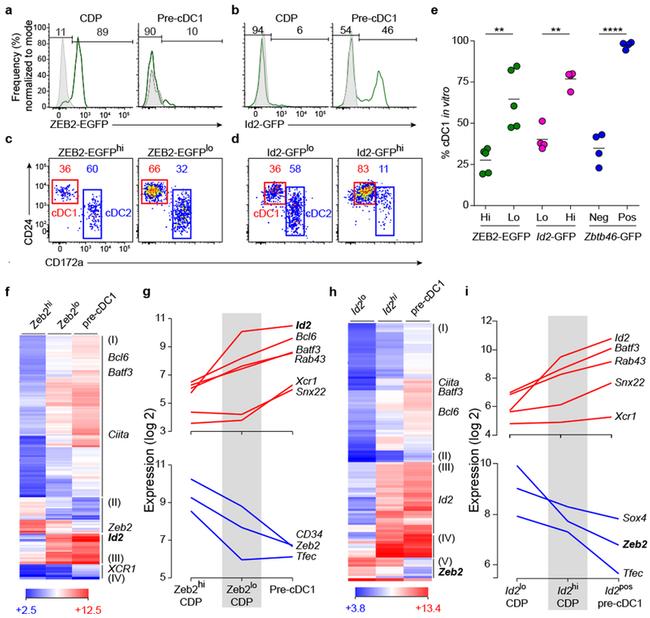
An Nfil3-Zeb2-Id2 pathway imposes Irf8 enhancer switching during cDC1 development.
Nature immunology
Bagadia P,Huang X,Liu TT,Durai V,Grajales-Reyes GE,Nitschké M,Modrusan Z,Granja JM,Satpathy AT,Briseño CG,Gargaro M,Iwata A,Kim S,Chang HY,Shaw AS,Murphy TL,Murphy KM
Published figure using CD11c monoclonal antibody (Product # 53-0114-82) in Flow Cytometry
Sun Sep 01 00:00:00 EDT 2019
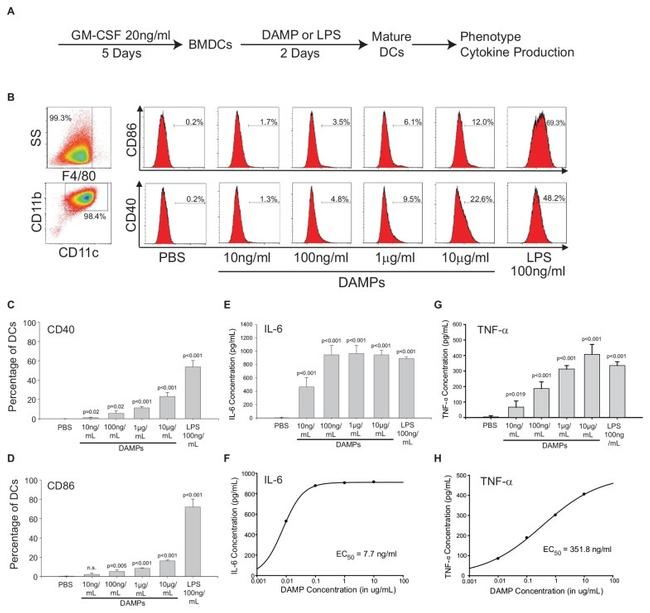
Aggregated and Hyperstable Damage-Associated Molecular Patterns Are Released During ER Stress to Modulate Immune Function.
Frontiers in cell and developmental biology
Andersohn A,Garcia MI,Fan Y,Thompson MC,Akimzhanov AM,Abdullahi A,Jeschke MG,Boehning D
Published figure using CD11c monoclonal antibody (Product # 53-0114-82) in Flow Cytometry
Mon Sep 28 00:00:00 EDT 2020
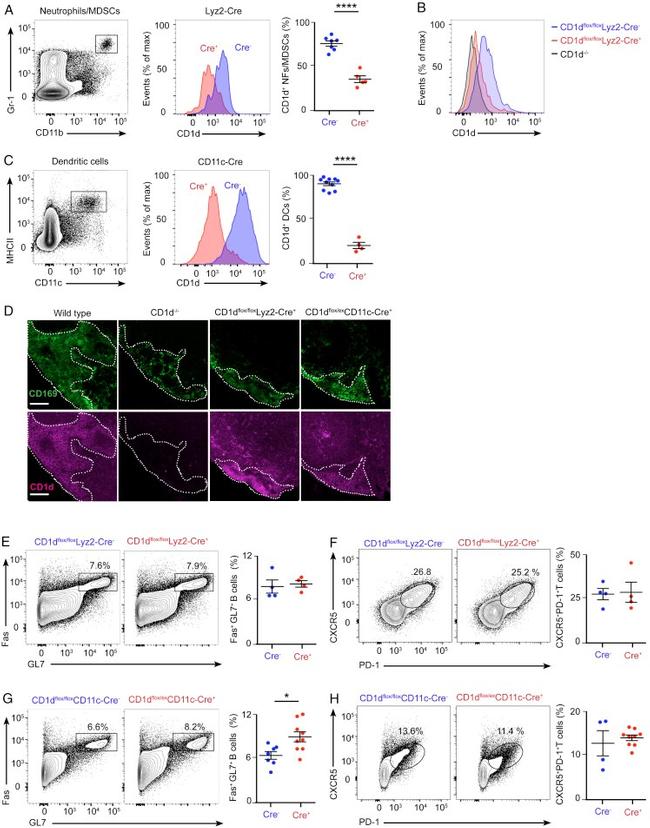
CD1d highly expressed on DCs reduces lung tumor burden by enhancing antitumor immunity.
Oncology reports
Li Y,Zhao C,Liu J,Lu Z,Lu M,Gu J,Liu R
Published figure using CD11c monoclonal antibody (Product # 53-0114-82) in Flow Cytometry
Wed May 01 00:00:00 EDT 2019
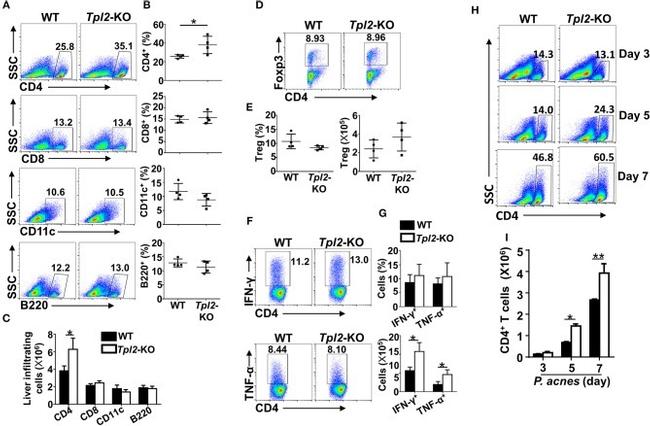
Tpl2 Protects Against Fulminant Hepatitis Through Mobilization of Myeloid-Derived Suppressor Cells.
Frontiers in immunology
Xu J,Pei S,Wang Y,Liu J,Qian Y,Huang M,Zhang Y,Xiao Y
Published figure using CD11c monoclonal antibody (Product # 53-0114-82) in Flow Cytometry
Wed Oct 14 00:00:00 EDT 2020
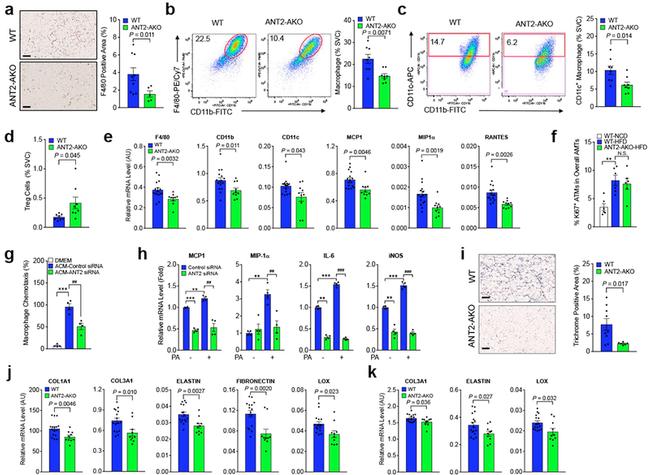
Knockdown of Ant2 Reduces Adipocyte Hypoxia And Improves Insulin Resistance in Obesity.
Nature metabolism
Seo JB,Riopel M,Cabrales P,Huh JY,Bandyopadhyay GK,Andreyev AY,Murphy AN,Beeman SC,Smith GI,Klein S,Lee YS,Olefsky JM
Published figure using CD11c monoclonal antibody (Product # 53-0114-82) in Flow Cytometry
Tue Jan 01 00:00:00 EST 2019
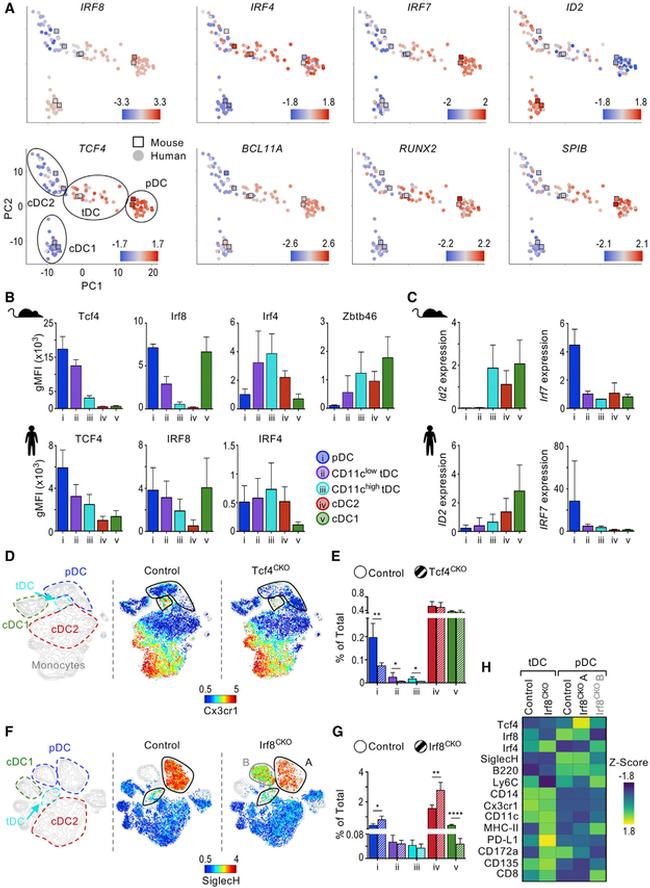
Integrated Cross-Species Analysis Identifies a Conserved Transitional Dendritic Cell Population.
Cell reports
Leylek R,Alcántara-Hernández M,Lanzar Z,Lüdtke A,Perez OA,Reizis B,Idoyaga J
Published figure using CD11c monoclonal antibody (Product # 53-0114-82) in Flow Cytometry
Tue Dec 10 00:00:00 EST 2019
Initiation of Antiviral B Cell Immunity Relies on Innate Signals from Spatially Positioned NKT Cells.
Cell
Gaya M,Barral P,Burbage M,Aggarwal S,Montaner B,Warren Navia A,Aid M,Tsui C,Maldonado P,Nair U,Ghneim K,Fallon PG,Sekaly RP,Barouch DH,Shalek AK,Bruckbauer A,Strid J,Batista FD
Published figure using CD11c monoclonal antibody (Product # 53-0114-82) in Flow Cytometry
Thu Jan 25 00:00:00 EST 2018
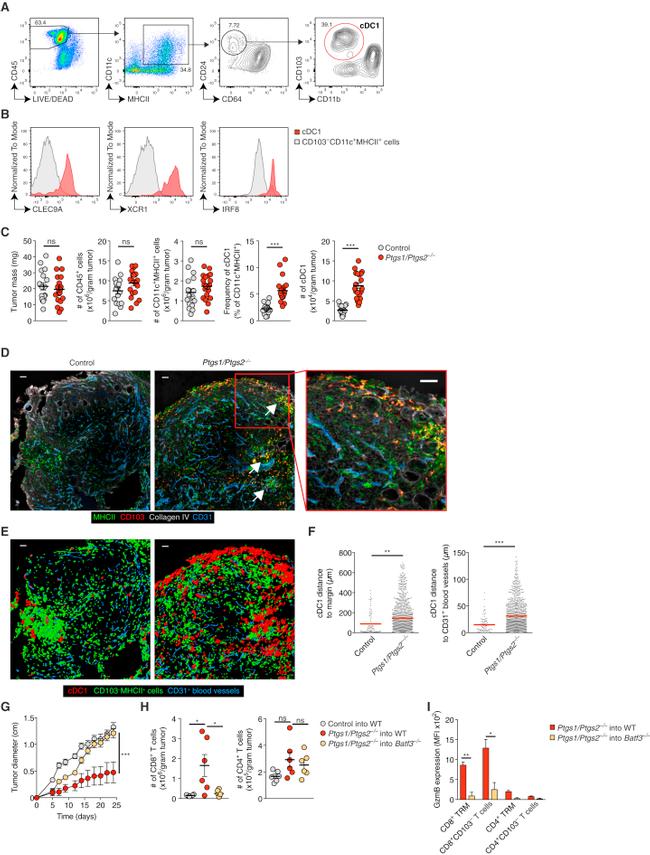
NK Cells Stimulate Recruitment of cDC1 into the Tumor Microenvironment Promoting Cancer Immune Control.
Cell
Böttcher JP,Bonavita E,Chakravarty P,Blees H,Cabeza-Cabrerizo M,Sammicheli S,Rogers NC,Sahai E,Zelenay S,Reis e Sousa C
Published figure using CD11c monoclonal antibody (Product # 53-0114-82) in Flow Cytometry
Thu Feb 22 00:00:00 EST 2018
Mitophagy in Intestinal Epithelial Cells Triggers Adaptive Immunity during Tumorigenesis.
Cell
Ziegler PK,Bollrath J,Pallangyo CK,Matsutani T,Canli Ö,De Oliveira T,Diamanti MA,Müller N,Gamrekelashvili J,Putoczki T,Horst D,Mankan AK,Öner MG,Müller S,Müller-Höcker J,Kirchner T,Slotta-Huspenina J,Taketo MM,Reinheckel T,Dröse S,Larner AC,Wels WS,Ernst M,Greten TF,Arkan MC,Korn T,Wirth D,Greten FR
Published figure using CD11c monoclonal antibody (Product # 53-0114-82) in Flow Cytometry
Thu Jun 28 00:00:00 EDT 2018
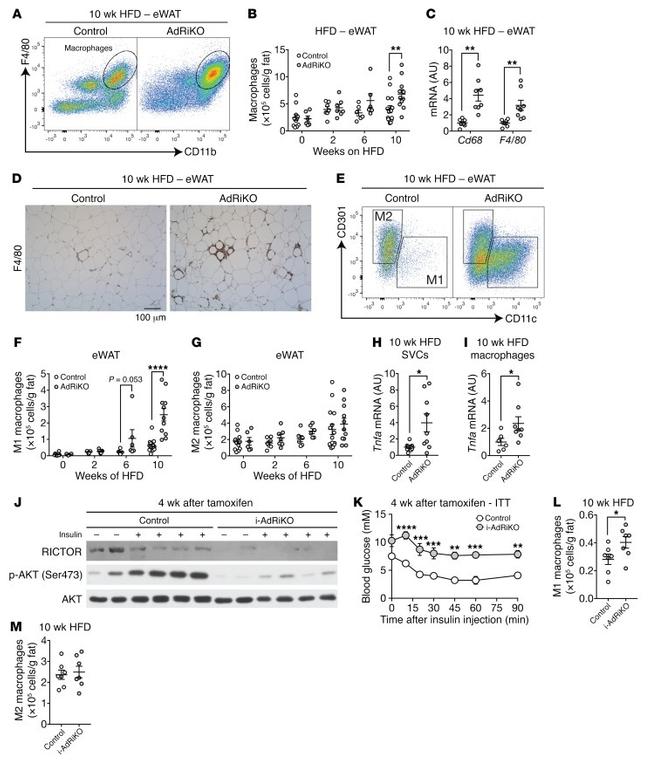
Insulin resistance causes inflammation in adipose tissue.
The Journal of clinical investigation
Shimobayashi M,Albert V,Woelnerhanssen B,Frei IC,Weissenberger D,Meyer-Gerspach AC,Clement N,Moes S,Colombi M,Meier JA,Swierczynska MM,Jenö P,Beglinger C,Peterli R,Hall MN
Published figure using CD11c monoclonal antibody (Product # 53-0114-82) in Flow Cytometry
Mon Apr 02 00:00:00 EDT 2018
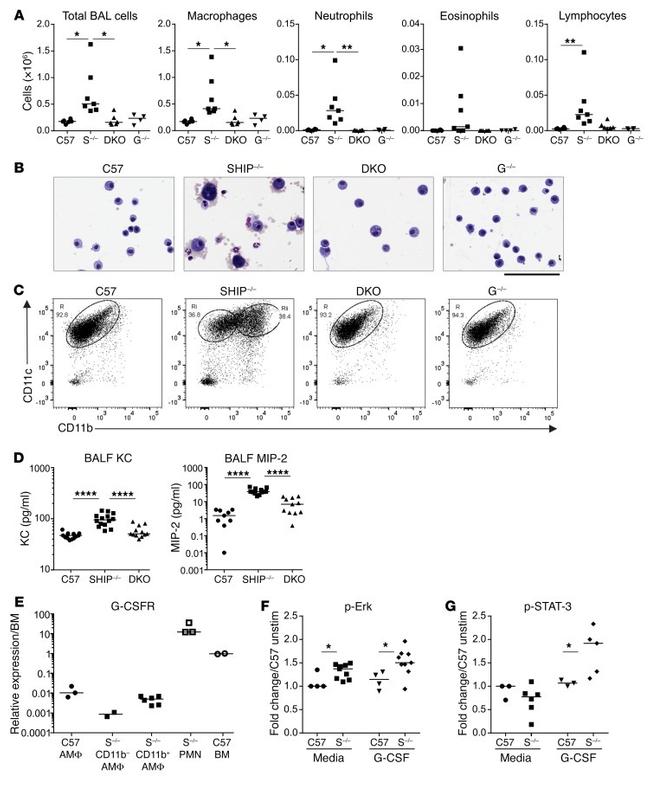
Granulocyte-CSF links destructive inflammation and comorbidities in obstructive lung disease.
The Journal of clinical investigation
Tsantikos E,Lau M,Castelino CM,Maxwell MJ,Passey SL,Hansen MJ,McGregor NE,Sims NA,Steinfort DP,Irving LB,Anderson GP,Hibbs ML
Published figure using CD11c monoclonal antibody (Product # 53-0114-82) in Flow Cytometry
Fri Jun 01 00:00:00 EDT 2018
Distribution and Interaction of Murine Pulmonary Phagocytes in the Naive and Allergic Lung.
Frontiers in immunology
Hoffmann FM,Berger JL,Lingel I,Laumonnier Y,Lewkowich IP,Schmudde I,König P
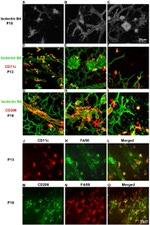
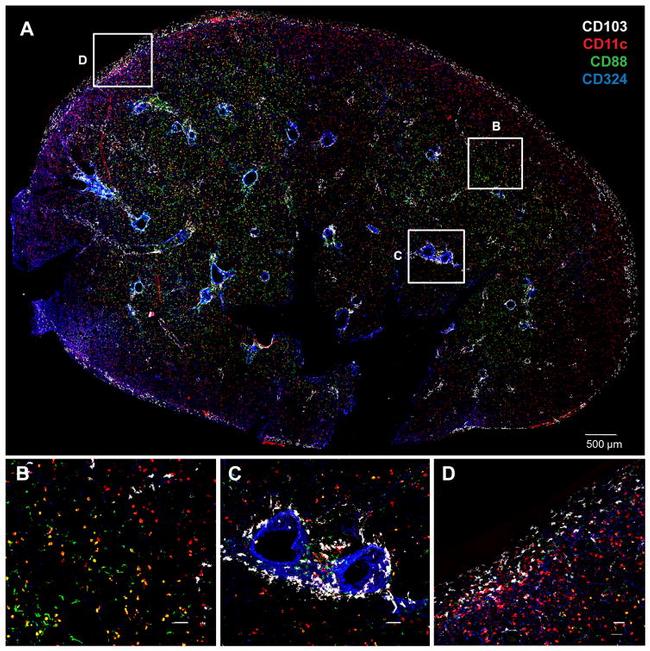
53-0114 was used in Immunohistochemistry to study the spatial distribution of lung phagocytes in the naive and allergic lung.
Thu Jul 11 00:00:00 EDT 2019
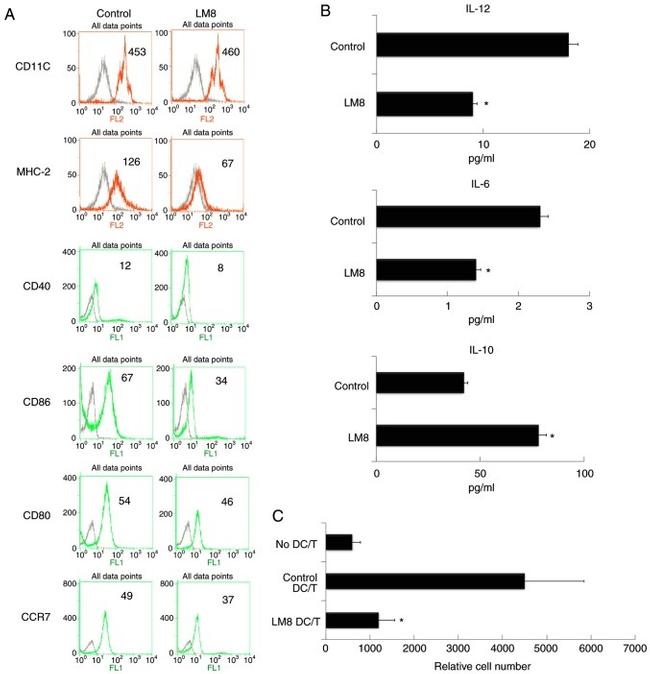
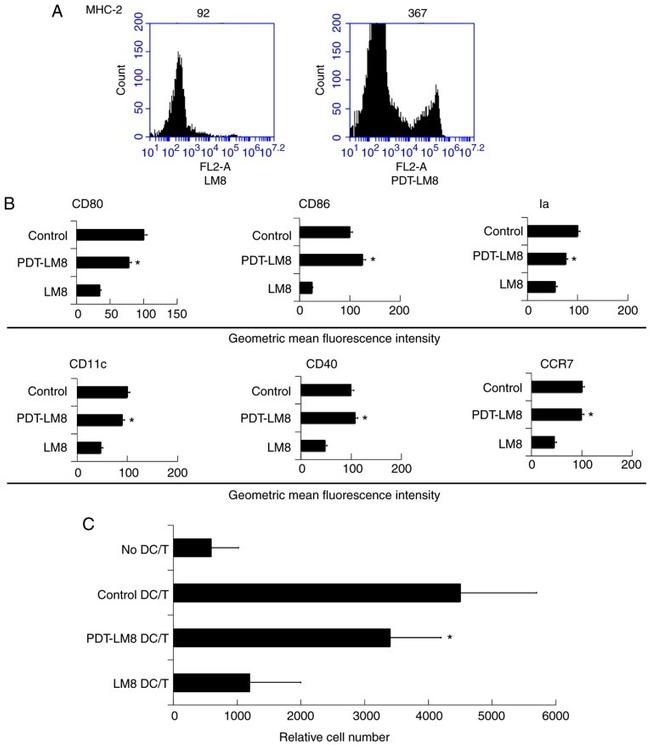
Photodynamic therapy reduces the inhibitory effect of osteosarcoma cells on dendritic cells by upregulating HSP70.
Oncology letters
Zhang F,Zhu Y,Fan G,Hu S
Published figure using CD11c monoclonal antibody (Product # 53-0114-82) in Flow Cytometry
Mon Oct 01 00:00:00 EDT 2018
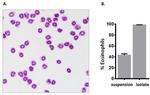
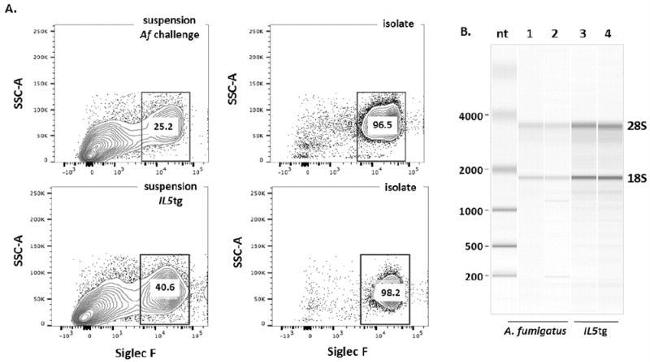
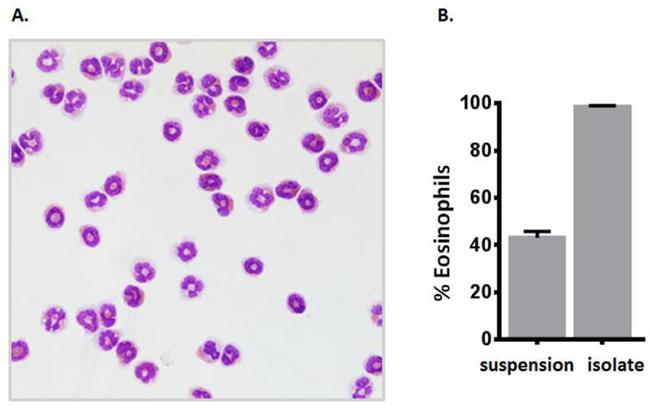
FACS isolation of live mouse eosinophils at high purity via a protocol that does not target Siglec F.
Journal of immunological methods
Geslewitz WE,Percopo CM,Rosenberg HF
Published figure using CD11c monoclonal antibody (Product # 53-0114-82) in Flow Cytometry
Thu Mar 01 00:00:00 EST 2018
Macrophage Depletion Protects against Cigarette Smoke-Induced Inflammatory Response in the Mouse Colon and Lung.
Frontiers in physiology
Lim D,Kim W,Lee C,Bae H,Kim J
Published figure using CD11c monoclonal antibody (Product # 53-0114-82) in Flow Cytometry
Wed Sep 30 00:00:00 EDT 2020
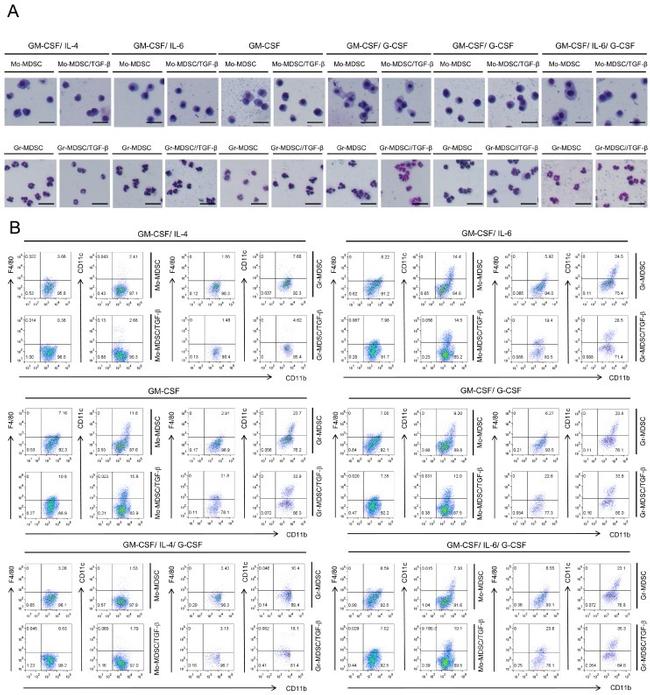
Characterization of Multiple Cytokine Combinations and TGF-β on Differentiation and Functions of Myeloid-Derived Suppressor Cells.
International journal of molecular sciences
Lee CR,Lee W,Cho SK,Park SG
Published figure using CD11c monoclonal antibody (Product # 53-0114-82) in Flow Cytometry
Thu Mar 15 00:00:00 EDT 2018
Combined antiangiogenic and anti-PD-L1 therapy stimulates tumor immunity through HEV formation.
Science translational medicine
Allen E,Jabouille A,Rivera LB,Lodewijckx I,Missiaen R,Steri V,Feyen K,Tawney J,Hanahan D,Michael IP,Bergers G
Published figure using CD11c monoclonal antibody (Product # 53-0114-82) in Immunofluorescence
Wed Apr 12 00:00:00 EDT 2017
RIG-I antiviral signaling drives interleukin-23 production and psoriasis-like skin disease.
EMBO molecular medicine
Zhu H,Lou F,Yin Q,Gao Y,Sun Y,Bai J,Xu Z,Liu Z,Cai W,Ke F,Zhang L,Zhou H,Wang H,Wang G,Chen X,Zhang H,Wang Z,Ginhoux F,Lu C,Su B,Wang H
Published figure using CD11c monoclonal antibody (Product # 53-0114-82) in Flow Cytometry
Mon May 01 00:00:00 EDT 2017
FcεRI γ-Chain Negatively Modulates Dectin-1 Responses in Dendritic Cells.
Frontiers in immunology
Pan YG,Yu YL,Lin CC,Lanier LL,Chu CL
Published figure using CD11c monoclonal antibody (Product # 53-0114-82) in Flow Cytometry
Wed Nov 20 00:00:00 EST 2019
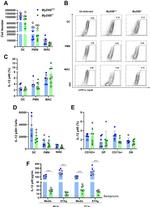
MyD88 signaling in dendritic cells and the intestinal epithelium controls immunity against intestinal infection with C. rodentium.
PLoS pathogens
Friedrich C,Mamareli P,Thiemann S,Kruse F,Wang Z,Holzmann B,Strowig T,Sparwasser T,Lochner M
53-0114 was used in Flow cytometry/Cell sorting to suggest that MyD88 signaling in DC and IEC is both essential and sufficient to induce a full spectrum of host responses upon intestinal infection with C. rodentium.
Mon May 01 00:00:00 EDT 2017
Cornea lymphatics drive the CD8+ T-cell response to herpes simplex virus-1.
Immunology and cell biology
Gurung HR,Carr MM,Carr DJ
Published figure using CD11c monoclonal antibody (Product # 53-0114-82) in Flow Cytometry
Sun Jan 01 00:00:00 EST 2017
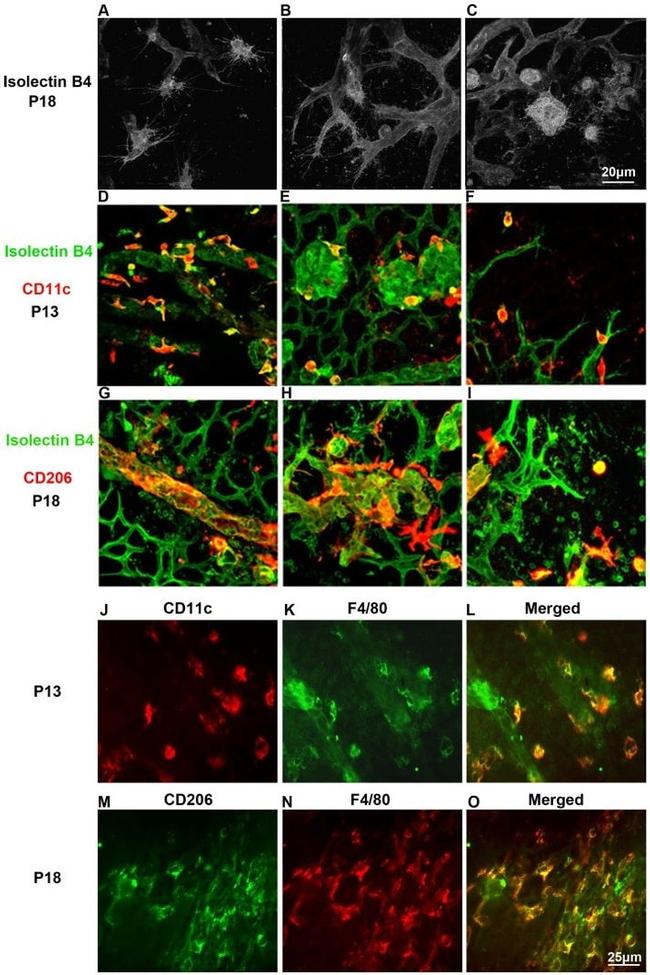
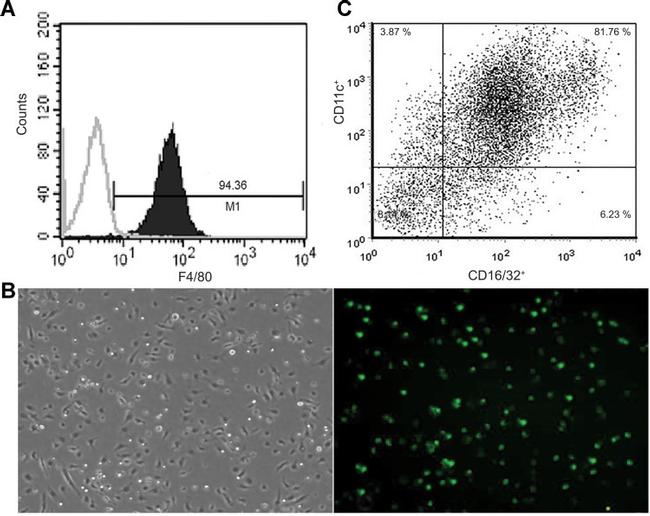
Identification of different macrophage subpopulations with distinct activities in a mouse model of oxygen-induced retinopathy.
International journal of molecular medicine
Zhu Y,Zhang L,Lu Q,Gao Y,Cai Y,Sui A,Su T,Shen X,Xie B
Published figure using CD11c monoclonal antibody (Product # 53-0114-82) in Immunofluorescence
Tue Aug 01 00:00:00 EDT 2017
Discrimination of the heterogeneity of bone marrow‑derived dendritic cells.
Molecular medicine reports
Wang J,Dai X,Hsu C,Ming C,He Y,Zhang J,Wei L,Zhou P,Wang CY,Yang J,Gong N
Published figure using CD11c monoclonal antibody (Product # 53-0114-82) in Flow Cytometry
Wed Nov 01 00:00:00 EDT 2017
The Second-Generation PGI2 Analogue Treprostinil Fails to Chemoprevent Tumors in a Murine Lung Adenocarcinoma Model.
Cancer prevention research (Philadelphia, Pa.)
Dwyer-Nield L,Hickey GA,Friedman M,Choo K,McArthur DG,Tennis MA,New ML,Geraci M,Keith RL
Published figure using CD11c monoclonal antibody (Product # 53-0114-82) in Flow Cytometry
Wed Nov 01 00:00:00 EDT 2017
Calreticulin is an effective immunologic adjuvant to tumor-associated antigens.
Experimental and therapeutic medicine
Wang J,Gao ZP,Qin S,Liu CB,Zou LL
Published figure using CD11c monoclonal antibody (Product # 53-0114-82) in Flow Cytometry
Sun Oct 01 00:00:00 EDT 2017
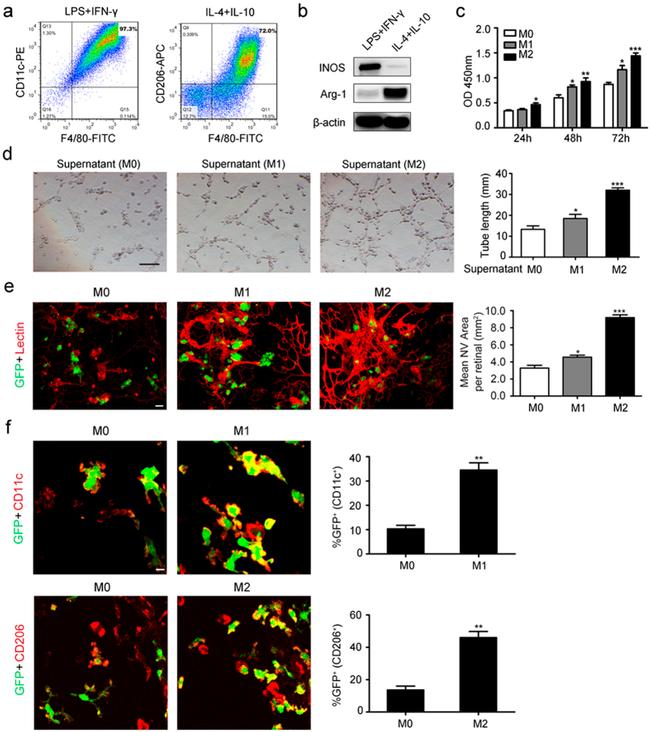
PEDF mediates pathological neovascularization by regulating macrophage recruitment and polarization in the mouse model of oxygen-induced retinopathy.
Scientific reports
Gao S,Li C,Zhu Y,Wang Y,Sui A,Zhong Y,Xie B,Shen X
Published figure using CD11c monoclonal antibody (Product # 53-0114-82) in Flow Cytometry
Fri Feb 17 00:00:00 EST 2017
PEDF mediates pathological neovascularization by regulating macrophage recruitment and polarization in the mouse model of oxygen-induced retinopathy.
Scientific reports
Gao S,Li C,Zhu Y,Wang Y,Sui A,Zhong Y,Xie B,Shen X
Published figure using CD11c monoclonal antibody (Product # 53-0114-82) in Flow Cytometry
Fri Feb 17 00:00:00 EST 2017
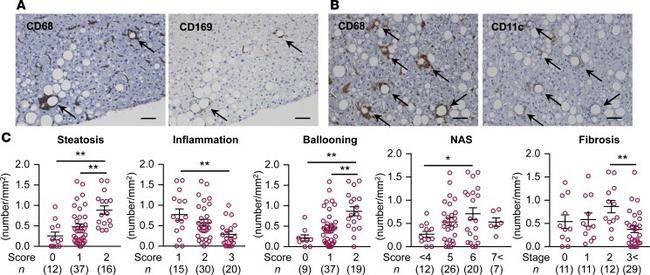
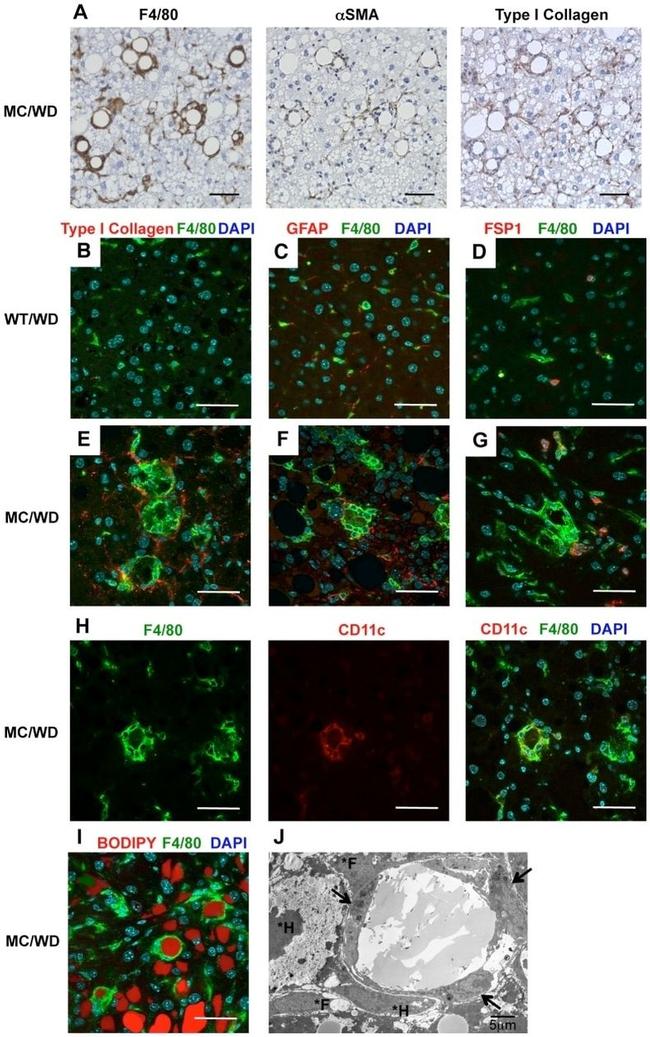
CD11c+ resident macrophages drive hepatocyte death-triggered liver fibrosis in a murine model of nonalcoholic steatohepatitis.
JCI insight
Itoh M,Suganami T,Kato H,Kanai S,Shirakawa I,Sakai T,Goto T,Asakawa M,Hidaka I,Sakugawa H,Ohnishi K,Komohara Y,Asano K,Sakaida I,Tanaka M,Ogawa Y
Published figure using CD11c monoclonal antibody (Product # 53-0114-82) in Immunohistochemistry
Thu Nov 16 00:00:00 EST 2017
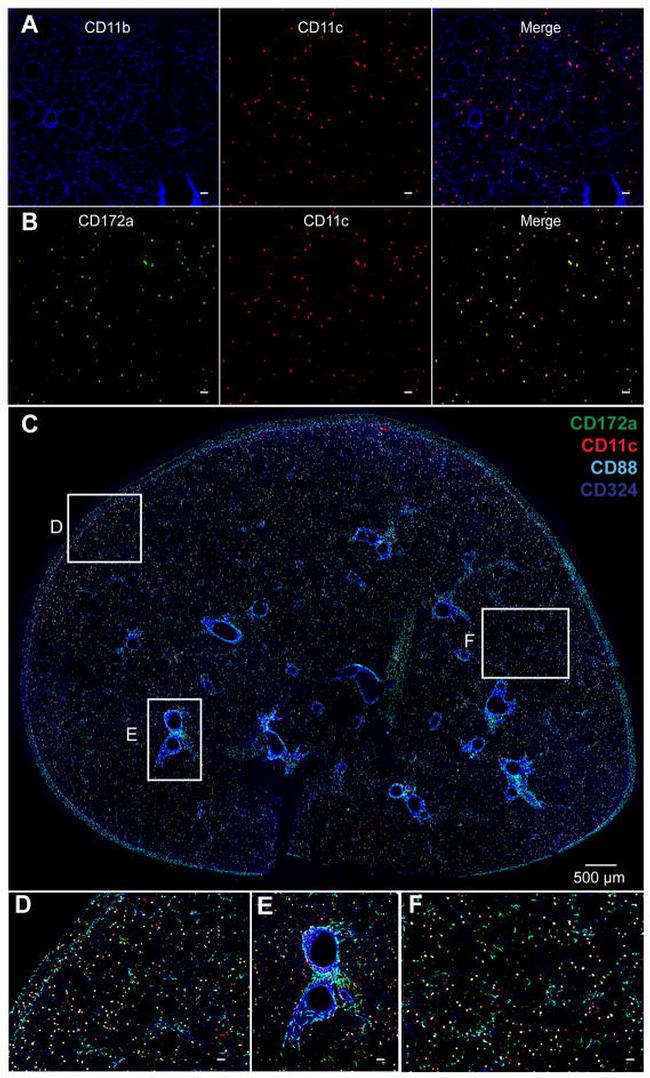
Precision-cut Mouse Lung Slices to Visualize Live Pulmonary Dendritic Cells.
Journal of visualized experiments : JoVE
Lyons-Cohen MR,Thomas SY,Cook DN,Nakano H
Published figure using CD11c monoclonal antibody (Product # 53-0114-82) in Immunofluorescence
Wed Apr 05 00:00:00 EDT 2017
BEX1 is an RNA-dependent mediator of cardiomyopathy.
Nature communications
Accornero F,Schips TG,Petrosino JM,Gu SQ,Kanisicak O,van Berlo JH,Molkentin JD
Published figure using CD11c monoclonal antibody (Product # 53-0114-82) in Flow Cytometry
Thu Nov 30 00:00:00 EST 2017
Commensal microbiota maintains alveolar macrophages with a low level of CCL24 production to generate anti-metastatic tumor activity.
Scientific reports
Cheng M,Chen Y,Wang L,Chen W,Yang L,Shen G,Xu T,Shen G,Tian Z,Hu S
Published figure using CD11c monoclonal antibody (Product # 53-0114-82) in Flow Cytometry
Mon Aug 07 00:00:00 EDT 2017
Preferential TNFα signaling via TNFR2 regulates epithelial injury and duct obstruction in experimental biliary atresia.
JCI insight
Shivakumar P,Mizuochi T,Mourya R,Gutta S,Yang L,Luo Z,Bezerra JA
53-0114 was used in Flow cytometry/Cell sorting to determine factors regulating the pathogenic mechanisms of biliary atresia.
Thu Mar 09 00:00:00 EST 2017
Host-Protozoan Interactions Protect from Mucosal Infections through Activation of the Inflammasome.
Cell
Chudnovskiy A,Mortha A,Kana V,Kennard A,Ramirez JD,Rahman A,Remark R,Mogno I,Ng R,Gnjatic S,Amir ED,Solovyov A,Greenbaum B,Clemente J,Faith J,Belkaid Y,Grigg ME,Merad M
Published figure using CD11c monoclonal antibody (Product # 53-0114-82) in Flow Cytometry
Thu Oct 06 00:00:00 EDT 2016
Loss of gastrokine-2 drives premalignant gastric inflammation and tumor progression.
The Journal of clinical investigation
Menheniott TR,O'Connor L,Chionh YT,Däbritz J,Scurr M,Rollo BN,Ng GZ,Jacobs S,Catubig A,Kurklu B,Mercer S,Minamoto T,Ong DE,Ferrero RL,Fox JG,Wang TC,Sutton P,Judd LM,Giraud AS
Published figure using CD11c monoclonal antibody (Product # 53-0114-82) in Flow Cytometry
Fri Apr 01 00:00:00 EDT 2016
Macrophages transfer antigens to dendritic cells by releasing exosomes containing dead-cell-associated antigens partially through a ceramide-dependent pathway to enhance CD4(+) T-cell responses.
Immunology
Xu Y,Liu Y,Yang C,Kang L,Wang M,Hu J,He H,Song W,Tang H
Published figure using CD11c monoclonal antibody (Product # 53-0114-82) in Flow Cytometry
Sat Oct 01 00:00:00 EDT 2016
Identification of a Hematopoietic Cell Dedifferentiation-Inducing Factor.
Journal of cellular physiology
Li Y,Adomat H,Guns ET,Hojabrpour P,Duronio V,Curran TA,Jalili RB,Jia W,Delwar Z,Zhang Y,Elizei SS,Ghahary A
Published figure using CD11c monoclonal antibody (Product # 53-0114-82) in Immunocytochemistry
Wed Jun 01 00:00:00 EDT 2016
Lack of the programmed death-1 receptor renders host susceptible to enteric microbial infection through impairing the production of the mucosal natural killer cell effector molecules.
Journal of leukocyte biology
Solaymani-Mohammadi S,Lakhdari O,Minev I,Shenouda S,Frey BF,Billeskov R,Singer SM,Berzofsky JA,Eckmann L,Kagnoff MF
53-0114 was used in Flow cytometry/Cell sorting to identify the role of the programmed death-1 receptor in early host microbial defence at the intestinal mucosa.
Tue Mar 01 00:00:00 EST 2016
Age-dependent divergent effects of OX40L treatment on the development of diabetes in NOD mice.
Autoimmunity
Haddad CS,Bhattacharya P,Alharshawi K,Marinelarena A,Kumar P,El-Sayed O,Elshabrawy HA,Epstein AL,Prabhakar BS
Published figure using CD11c monoclonal antibody (Product # 53-0114-82) in Flow Cytometry
Mon Aug 01 00:00:00 EDT 2016
CD80 and CD86 knockdown in dendritic cells regulates Th1/Th2 cytokine production in asthmatic mice.
Experimental and therapeutic medicine
Li JG,DU YM,Yan ZD,Yan J,Zhuansun YX,Chen R,Zhang W,Feng SL,Ran PX
Published figure using CD11c monoclonal antibody (Product # 53-0114-82) in Flow Cytometry
Tue Mar 01 00:00:00 EST 2016
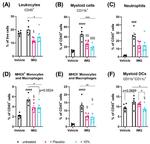
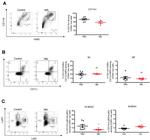
Epigallocatechin-3-gallate (EGCG) inhibits imiquimod-induced psoriasis-like inflammation of BALB/c mice.
BMC complementary and alternative medicine
Zhang S,Liu X,Mei L,Wang H,Fang F
Published figure using CD11c monoclonal antibody (Product # 53-0114-82) in Flow Cytometry
Wed Aug 31 00:00:00 EDT 2016
Altered gp130 signalling ameliorates experimental colitis via myeloid cell-specific STAT3 activation and myeloid-derived suppressor cells.
Scientific reports
Däbritz J,Judd LM,Chalinor HV,Menheniott TR,Giraud AS
Published figure using CD11c monoclonal antibody (Product # 53-0114-82) in Flow Cytometry
Fri Feb 05 00:00:00 EST 2016
Flagellin is a strong vaginal adjuvant of a therapeutic vaccine for genital cancer.
Oncoimmunology
Lee SE,Hong SH,Verma V,Lee YS,Duong TN,Jeong K,Uthaman S,Sung YC,Lee JT,Park IK,Min JJ,Rhee JH
Published figure using CD11c monoclonal antibody (Product # 53-0114-82) in Flow Cytometry
Mon Feb 01 00:00:00 EST 2016
Flagellin is a strong vaginal adjuvant of a therapeutic vaccine for genital cancer.
Oncoimmunology
Lee SE,Hong SH,Verma V,Lee YS,Duong TN,Jeong K,Uthaman S,Sung YC,Lee JT,Park IK,Min JJ,Rhee JH
Published figure using CD11c monoclonal antibody (Product # 53-0114-82) in Flow Cytometry
Mon Feb 01 00:00:00 EST 2016
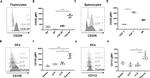
Thymic exosomes promote the final maturation of thymocytes.
Scientific reports
Lundberg V,Berglund M,Skogberg G,Lindgren S,Lundqvist C,Gudmundsdottir J,Thörn K,Telemo E,Ekwall O
Published figure using CD11c monoclonal antibody (Product # 53-0114-82) in Flow Cytometry
Tue Nov 08 00:00:00 EST 2016
Epidermal RAF prevents allergic skin disease.
eLife
Raguz J,Jeric I,Niault T,Nowacka JD,Kuzet SE,Rupp C,Fischer I,Biggi S,Borsello T,Baccarini M
Published figure using CD11c monoclonal antibody (Product # 53-0114-82) in Flow Cytometry
Tue Jul 19 00:00:00 EDT 2016
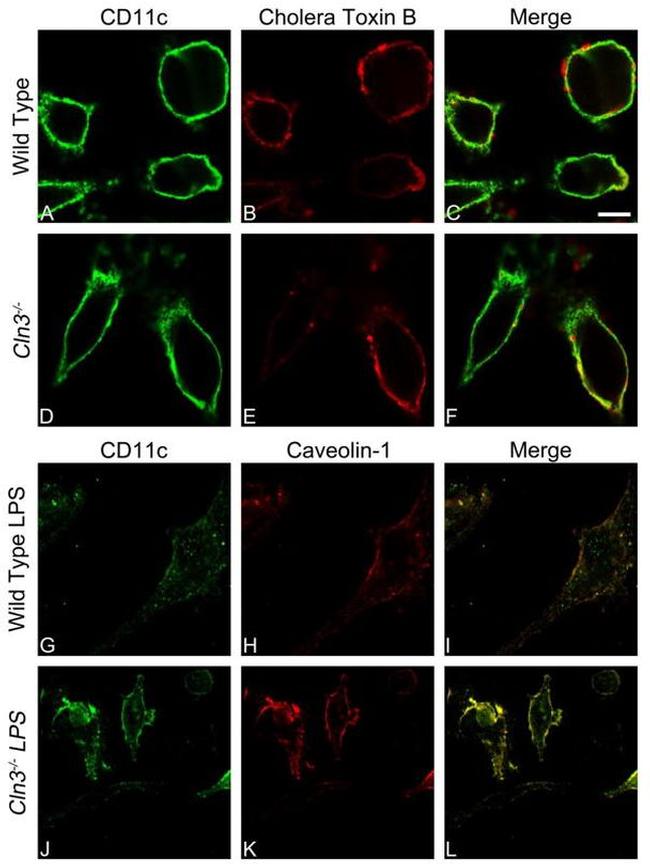
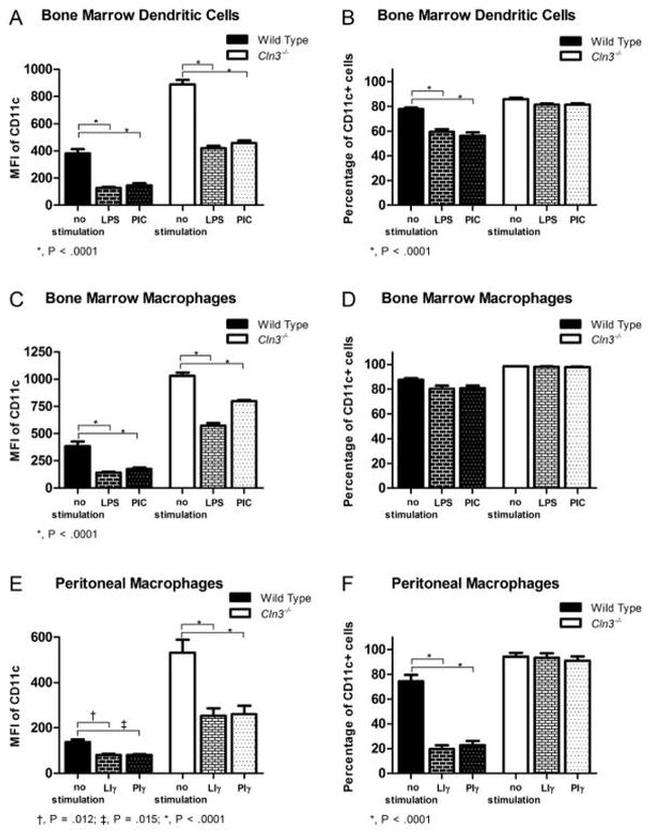
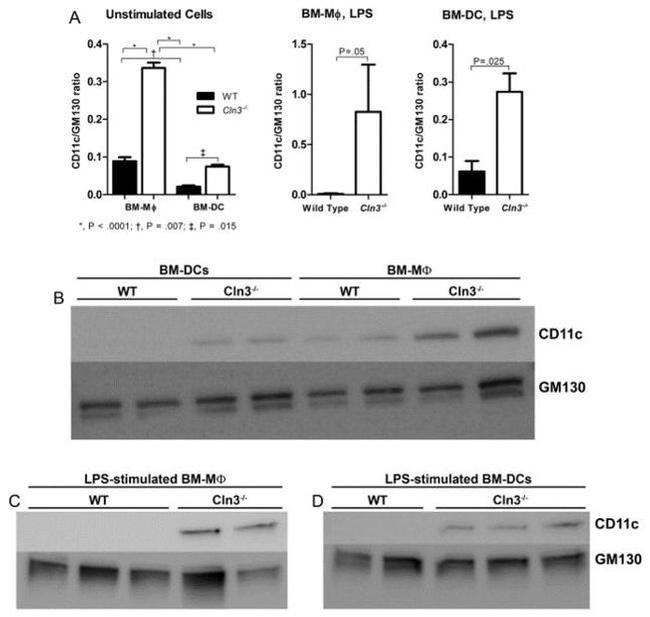
Antigen presenting cell abnormalities in the Cln3(-/-) mouse model of juvenile neuronal ceroid lipofuscinosis.
Biochimica et biophysica acta
Hersrud SL,Kovács AD,Pearce DA
Published figure using CD11c monoclonal antibody (Product # 53-0114-82) in Western Blot
Fri Jul 01 00:00:00 EDT 2016
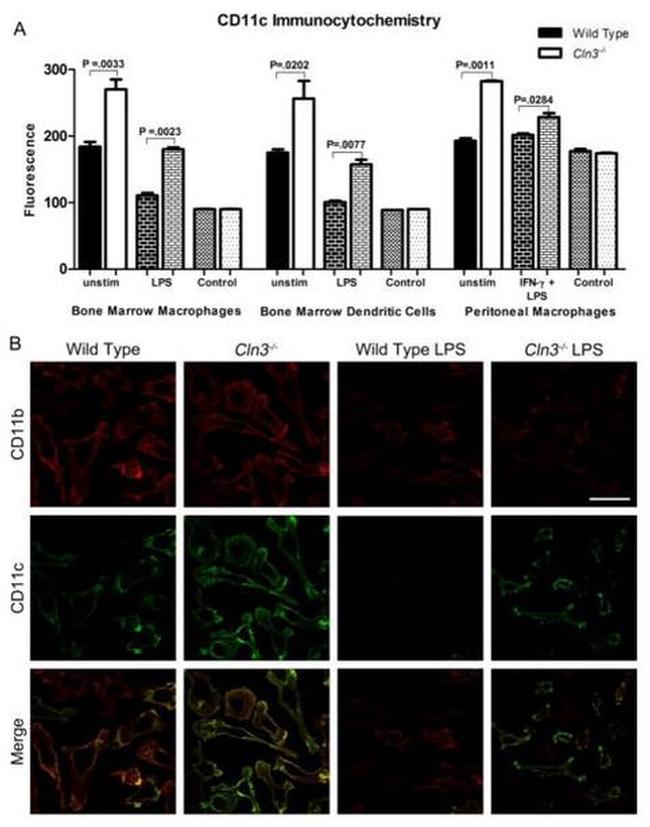
Antigen presenting cell abnormalities in the Cln3(-/-) mouse model of juvenile neuronal ceroid lipofuscinosis.
Biochimica et biophysica acta
Hersrud SL,Kovács AD,Pearce DA
Published figure using CD11c monoclonal antibody (Product # 53-0114-82) in Western Blot
Fri Jul 01 00:00:00 EDT 2016
Antigen presenting cell abnormalities in the Cln3(-/-) mouse model of juvenile neuronal ceroid lipofuscinosis.
Biochimica et biophysica acta
Hersrud SL,Kovács AD,Pearce DA
Published figure using CD11c monoclonal antibody (Product # 53-0114-82) in Western Blot
Fri Jul 01 00:00:00 EDT 2016
Diet-dependent, microbiota-independent regulation of IL-10-producing lamina propria macrophages in the small intestine.
Scientific reports
Ochi T,Feng Y,Kitamoto S,Nagao-Kitamoto H,Kuffa P,Atarashi K,Honda K,Teitelbaum DH,Kamada N
Published figure using CD11c monoclonal antibody (Product # 53-0114-82) in Flow Cytometry
Wed Jun 15 00:00:00 EDT 2016
KLF4-dependent phenotypic modulation of smooth muscle cells has a key role in atherosclerotic plaque pathogenesis.
Nature medicine
Shankman LS,Gomez D,Cherepanova OA,Salmon M,Alencar GF,Haskins RM,Swiatlowska P,Newman AA,Greene ES,Straub AC,Isakson B,Randolph GJ,Owens GK
Published figure using CD11c monoclonal antibody (Product # 53-0114-82) in Flow Cytometry
Mon Jun 01 00:00:00 EDT 2015
Unique role for ATG5 in neutrophil-mediated immunopathology during M. tuberculosis infection.
Nature
Kimmey JM,Huynh JP,Weiss LA,Park S,Kambal A,Debnath J,Virgin HW,Stallings CL
Published figure using CD11c monoclonal antibody (Product # 53-0114-82) in Flow Cytometry
Thu Dec 24 00:00:00 EST 2015
Injectable, spontaneously assembling, inorganic scaffolds modulate immune cells in vivo and increase vaccine efficacy.
Nature biotechnology
Kim J,Li WA,Choi Y,Lewin SA,Verbeke CS,Dranoff G,Mooney DJ
Published figure using CD11c monoclonal antibody (Product # 53-0114-82) in Flow Cytometry
Thu Jan 01 00:00:00 EST 2015
Phospholipid oxidation generates potent anti-inflammatory lipid mediators that mimic structurally related pro-resolving eicosanoids by activating Nrf2.
EMBO molecular medicine
Bretscher P,Egger J,Shamshiev A,Trötzmüller M,Köfeler H,Carreira EM,Kopf M,Freigang S
Published figure using CD11c monoclonal antibody (Product # 53-0114-82) in Flow Cytometry
Fri May 01 00:00:00 EDT 2015
Differential use of autophagy by primary dendritic cells specialized in cross-presentation.
Autophagy
Mintern JD,Macri C,Chin WJ,Panozza SE,Segura E,Patterson NL,Zeller P,Bourges D,Bedoui S,McMillan PJ,Idris A,Nowell CJ,Brown A,Radford KJ,Johnston AP,Villadangos JA
53-0114 was used in Flow cytometry/Cell sorting to highlight the differential use of autophagy and its machinery by primary cells equipped with specific immune function.
Fri Apr 22 00:00:00 EDT 2016
Atypical chemokine receptor 1 deficiency reduces atherogenesis in ApoE-knockout mice.
Cardiovascular research
Wan W,Liu Q,Lionakis MS,Marino AP,Anderson SA,Swamydas M,Murphy PM
Published figure using CD11c monoclonal antibody (Product # 53-0114-82) in Flow Cytometry
Mon Jun 01 00:00:00 EDT 2015
Single-Dose CpG Immunization Protects Against a Heterosubtypic Challenge and Generates Antigen-Specific Memory T Cells.
Frontiers in immunology
Vogel AJ,Brown DM
Published figure using CD11c monoclonal antibody (Product # 53-0114-82) in Flow Cytometry
Fri Jul 10 00:00:00 EDT 2015
LynA regulates an inflammation-sensitive signaling checkpoint in macrophages.
eLife
Freedman TS,Tan YX,Skrzypczynska KM,Manz BN,Sjaastad FV,Goodridge HS,Lowell CA,Weiss A
Published figure using CD11c monoclonal antibody (Product # 53-0114-82) in Flow Cytometry
Fri Oct 30 00:00:00 EDT 2015
The late endosomal adaptor molecule p14 (LAMTOR2) regulates TGFβ1-mediated homeostasis of Langerhans cells.
The Journal of investigative dermatology
Sparber F,Tripp CH,Komenda K,Scheffler JM,Clausen BE,Huber LA,Romani N,Stoitzner P
Published figure using CD11c monoclonal antibody (Product # 53-0114-82) in Flow Cytometry
Thu Jan 01 00:00:00 EST 2015
Intermuscular and perimuscular fat expansion in obesity correlates with skeletal muscle T cell and macrophage infiltration and insulin resistance.
International journal of obesity (2005)
Khan IM,Perrard XY,Brunner G,Lui H,Sparks LM,Smith SR,Wang X,Shi ZZ,Lewis DE,Wu H,Ballantyne CM
Published figure using CD11c monoclonal antibody (Product # 53-0114-82) in Flow Cytometry
Sun Nov 01 00:00:00 EDT 2015
A far-red fluorescent probe for flow cytometry and image-based functional studies of xenobiotic sequestering macrophages.
Cytometry. Part A : the journal of the International Society for Analytical Cytology
Keswani RK,Yoon GS,Sud S,Stringer KA,Rosania GR
Published figure using CD11c monoclonal antibody (Product # 53-0114-82) in Flow Cytometry
Tue Sep 01 00:00:00 EDT 2015
Adjuvants may reduce in vivo transfection levels for DNA vaccination in mice leading to reduced antigen-specific CD8+ T cell responses.
Human vaccines & immunotherapeutics
Rose AH,Hoffmann FW,Hara JH,Urschitz J,Moisyadi S,Hoffmann PR,Bertino P
Published figure using CD11c monoclonal antibody (Product # 53-0114-82) in Flow Cytometry
Mon May 16 00:00:00 EDT 2016
Inadequate activation of the HBsAg-specific Th cells by APCs leads to hyporesponsiveness to HBsAg vaccine in B10.S mice.
Human vaccines & immunotherapeutics
Li X,Xu J,Lv Z,Wang J,Sun S,Zhu W,Wang B,He R,Qu D
Published figure using CD11c monoclonal antibody (Product # 53-0114-82) in Flow Cytometry
Tue Apr 19 00:00:00 EDT 2016
Reducing progression of experimental lupus nephritis via inhibition of the B7/CD28 signaling pathway.
Molecular medicine reports
Huang L,Kong Y,Wang J,Sun J,Shi Q,Qiu YH
Published figure using CD11c monoclonal antibody (Product # 53-0114-82) in Flow Cytometry
Tue Sep 01 00:00:00 EDT 2015
Advanced Glycation End Products Enhance Macrophages Polarization into M1 Phenotype through Activating RAGE/NF-κB Pathway.
BioMed research international
Jin X,Yao T,Zhou Z,Zhu J,Zhang S,Hu W,Shen C
Published figure using CD11c monoclonal antibody (Product # 53-0114-82) in Flow Cytometry
Fri Mar 18 00:00:00 EDT 2016
Targeted Mutation of Nuclear Bone Morphogenetic Protein 2 Impairs Secondary Immune Response in a Mouse Model.
BioMed research international
Olsen DS,Goar WA,Nichols BA,Bailey KT,Christensen SL,Merriam KR,Reynolds PR,Wilson E,Weber KS,Bridgewater LC
Published figure using CD11c monoclonal antibody (Product # 53-0114-82) in Flow Cytometry
Mon Aug 01 00:00:00 EDT 2016
Granulocyte/Macrophage Colony-stimulating Factor-dependent Dendritic Cells Restrain Lean Adipose Tissue Expansion.
The Journal of biological chemistry
Pamir N,Liu NC,Irwin A,Becker L,Peng Y,Ronsein GE,Bornfeldt KE,Duffield JS,Heinecke JW
Published figure using CD11c monoclonal antibody (Product # 53-0114-82) in Flow Cytometry
Fri Jun 05 00:00:00 EDT 2015
dNP2 is a blood-brain barrier-permeable peptide enabling ctCTLA-4 protein delivery to ameliorate experimental autoimmune encephalomyelitis.
Nature communications
Lim S,Kim WJ,Kim YH,Lee S,Koo JH,Lee JA,Yoon H,Kim DH,Park HJ,Kim HM,Lee HG,Yun Kim J,Lee JU,Hun Shin J,Kyun Kim L,Doh J,Kim H,Lee SK,Bothwell ALM,Suh M,Choi JM
Published figure using CD11c monoclonal antibody (Product # 53-0114-82) in Flow Cytometry
Tue Sep 15 00:00:00 EDT 2015
M cell-derived vesicles suggest a unique pathway for trans-epithelial antigen delivery.
Tissue barriers
Sakhon OS,Ross B,Gusti V,Pham AJ,Vu K,Lo DD
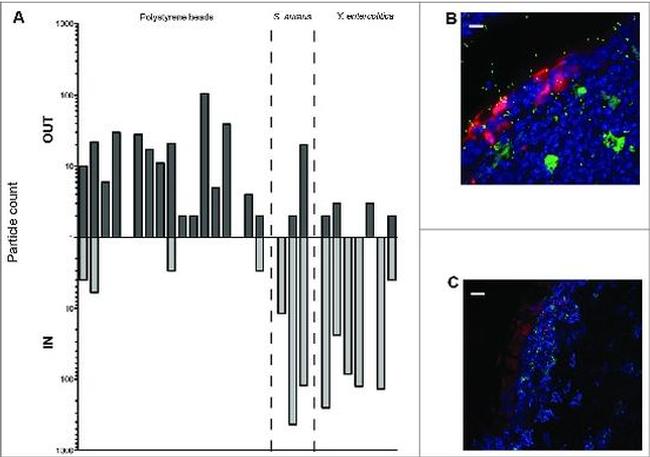
Published figure using CD11c monoclonal antibody (Product # 53-0114-82) in Immunofluorescence
Fri Apr 03 00:00:00 EDT 2015
Disruption of p21-activated kinase 1 gene diminishes atherosclerosis in apolipoprotein E-deficient mice.
Nature communications
Singh NK,Kotla S,Dyukova E,Traylor JG,Orr AW,Chernoff J,Marion TN,Rao GN
Published figure using CD11c monoclonal antibody (Product # 53-0114-82) in Flow Cytometry
Wed Jun 24 00:00:00 EDT 2015
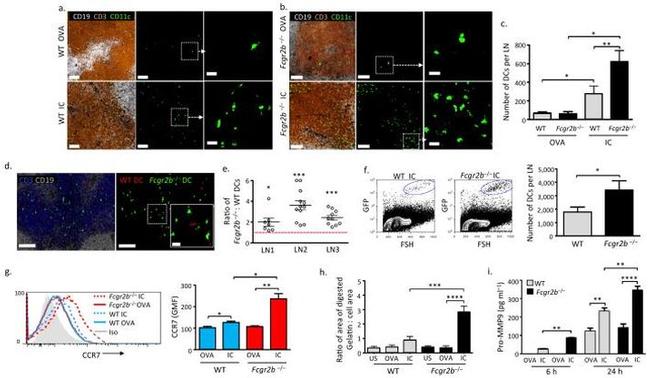
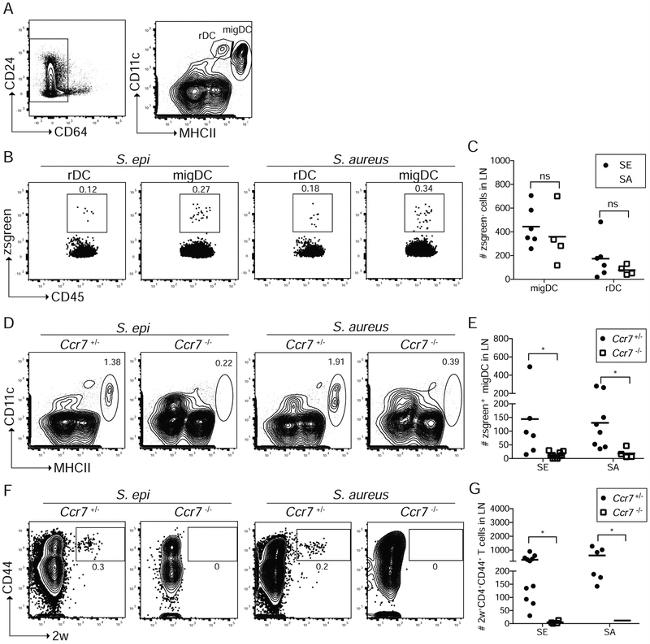
Immune complexes stimulate CCR7-dependent dendritic cell migration to lymph nodes.
Nature medicine
Clatworthy MR,Aronin CE,Mathews RJ,Morgan NY,Smith KG,Germain RN
Published figure using CD11c monoclonal antibody (Product # 53-0114-82) in Immunofluorescence
Mon Dec 01 00:00:00 EST 2014
Immune complexes stimulate CCR7-dependent dendritic cell migration to lymph nodes.
Nature medicine
Clatworthy MR,Aronin CE,Mathews RJ,Morgan NY,Smith KG,Germain RN
Published figure using CD11c monoclonal antibody (Product # 53-0114-82) in Immunofluorescence
Mon Dec 01 00:00:00 EST 2014
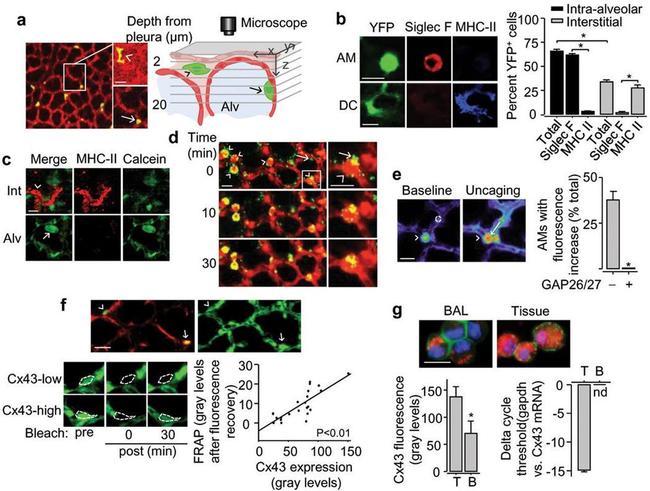
Sessile alveolar macrophages communicate with alveolar epithelium to modulate immunity.
Nature
Westphalen K,Gusarova GA,Islam MN,Subramanian M,Cohen TS,Prince AS,Bhattacharya J
Published figure using CD11c monoclonal antibody (Product # 53-0114-82) in Immunofluorescence
Thu Feb 27 00:00:00 EST 2014
High-fat-diet-mediated dysbiosis promotes intestinal carcinogenesis independently of obesity.
Nature
Schulz MD,Atay C,Heringer J,Romrig FK,Schwitalla S,Aydin B,Ziegler PK,Varga J,Reindl W,Pommerenke C,Salinas-Riester G,Böck A,Alpert C,Blaut M,Polson SC,Brandl L,Kirchner T,Greten FR,Polson SW,Arkan MC
Published figure using CD11c monoclonal antibody (Product # 53-0114-82) in Flow Cytometry
Thu Oct 23 00:00:00 EDT 2014
CCL2/CCR2-dependent recruitment of functional antigen-presenting cells into tumors upon chemotherapy.
Cancer research
Ma Y,Mattarollo SR,Adjemian S,Yang H,Aymeric L,Hannani D,Portela Catani JP,Duret H,Teng MW,Kepp O,Wang Y,Sistigu A,Schultze JL,Stoll G,Galluzzi L,Zitvogel L,Smyth MJ,Kroemer G
53-0114 was used in Flow cytometry/Cell sorting to underscore the importance of the CCL2/CCR2 signaling axis for therapeutic anticancer immune responses as elicited by immunogenic chemotherapy.
Wed Jan 15 00:00:00 EST 2014
Critical role for the NLRP3 inflammasome during acute lung injury.
Journal of immunology (Baltimore, Md. : 1950)
Grailer JJ,Canning BA,Kalbitz M,Haggadone MD,Dhond RM,Andjelkovic AV,Zetoune FS,Ward PA
53-0114 was used in Immunofluorescence to indicate an interaction between extracellular histones and the NLRP3 inflammasome, resulting in acute lung injury.
Sun Jun 15 00:00:00 EDT 2014
A chitin-like component on sclerotic cells of Fonsecaea pedrosoi inhibits Dectin-1-mediated murine Th17 development by masking β-glucans.
PloS one
Dong B,Li D,Li R,Chen SC,Liu W,Liu W,Chen L,Chen Y,Zhang X,Tong Z,Xia Y,Xia P,Wang Y,Duan Y
Published figure using CD11c monoclonal antibody (Product # 53-0114-82) in Flow Cytometry
Mon Sep 28 00:00:00 EDT 2015
P2X7 receptor modulates inflammatory and functional pulmonary changes induced by silica.
PloS one
Monção-Ribeiro LC,Faffe DS,Santana PT,Vieira FS,da Graça CL,Marques-da-Silva C,Machado MN,Caruso-Neves C,Zin WA,Borojevic R,Takiya CM,Coutinho-Silva R
Published figure using CD11c monoclonal antibody (Product # 53-0114-82) in Flow Cytometry
Thu Sep 17 00:00:00 EDT 2015
Mice deficient in intestinal epithelium cytochrome P450 reductase are prone to acute toxin-induced mucosal damage.
Scientific reports
Ahlawat S,Xie F,Zhu Y,D'Hondt R,Ding X,Zhang QY,Mantis NJ
Published figure using CD11c monoclonal antibody (Product # 53-0114-82) in Immunofluorescence
Thu Jul 03 00:00:00 EDT 2014
Dendritic cell subset distributions in the aorta in healthy and atherosclerotic mice.
PloS one
Busch M,Westhofen TC,Koch M,Lutz MB,Zernecke A
53-0114 was used in Flow cytometry/Cell sorting to perform a systematic analysis of dendritic cells and their accumulation characteristics during atherogenesis.
Tue Oct 21 00:00:00 EDT 2014
Eosinophils mediate the pathogenesis of halothane-induced liver injury in mice.
Hepatology (Baltimore, Md.)
Proctor WR,Chakraborty M,Chea LS,Morrison JC,Berkson JD,Semple K,Bourdi M,Pohl LR
53-0114 was used in Flow cytometry/Cell sorting to study how eosinophils may have a pathologic role in halothane-induced liver injury in mice.
Wed May 01 00:00:00 EDT 2013
Genetic deletion of chemokine receptor Ccr7 exacerbates atherogenesis in ApoE-deficient mice.
Cardiovascular research
Wan W,Lionakis MS,Liu Q,Roffê E,Murphy PM
Published figure using CD11c monoclonal antibody (Product # 53-0114-82) in Flow Cytometry
Fri Mar 01 00:00:00 EST 2013
Multifaceted therapeutic targeting of ovarian peritoneal carcinomatosis through virus-induced immunomodulation.
Molecular therapy : the journal of the American Society of Gene Therapy
Gujar S,Dielschneider R,Clements D,Helson E,Shmulevitz M,Marcato P,Pan D,Pan LZ,Ahn DG,Alawadhi A,Lee PW
53-0114 was used in Flow cytometry/Cell sorting to develop a virus-based therapy that suppresses immunomodulation and targets ovarian peritoneal carcinomatosis.
Fri Feb 01 00:00:00 EST 2013
CX(3)CR1(+) macrophages support IL-22 production by innate lymphoid cells during infection with Citrobacter rodentium.
Mucosal immunology
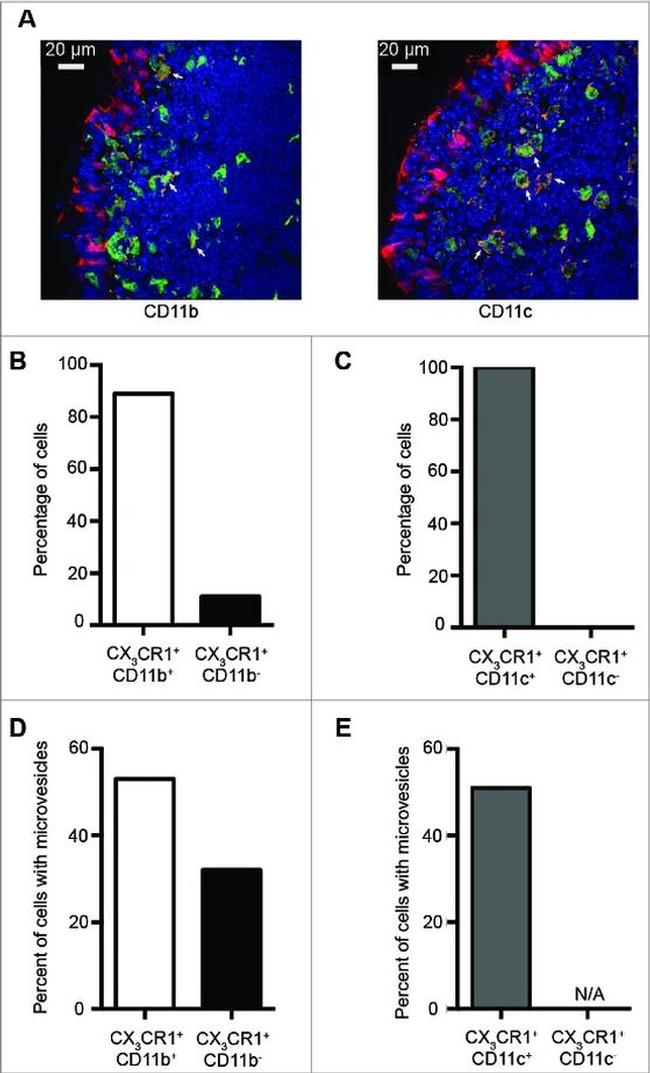
Manta C,Heupel E,Radulovic K,Rossini V,Garbi N,Riedel CU,Niess JH
Published figure using CD11c monoclonal antibody (Product # 53-0114-82) in Flow Cytometry
Tue Jan 01 00:00:00 EST 2013
CX(3)CR1(+) macrophages support IL-22 production by innate lymphoid cells during infection with Citrobacter rodentium.
Mucosal immunology
Manta C,Heupel E,Radulovic K,Rossini V,Garbi N,Riedel CU,Niess JH
Published figure using CD11c monoclonal antibody (Product # 53-0114-82) in Flow Cytometry
Tue Jan 01 00:00:00 EST 2013
Hepatic crown-like structure: a unique histological feature in non-alcoholic steatohepatitis in mice and humans.
PloS one
Itoh M,Kato H,Suganami T,Konuma K,Marumoto Y,Terai S,Sakugawa H,Kanai S,Hamaguchi M,Fukaishi T,Aoe S,Akiyoshi K,Komohara Y,Takeya M,Sakaida I,Ogawa Y
Published figure using CD11c monoclonal antibody (Product # 53-0114-82) in Immunofluorescence
Sun Oct 12 00:00:00 EDT 2014
Neutralization of TSLP inhibits airway remodeling in a murine model of allergic asthma induced by chronic exposure to house dust mite.
PloS one
Chen ZG,Zhang TT,Li HT,Chen FH,Zou XL,Ji JZ,Chen H
Published figure using CD11c monoclonal antibody (Product # 53-0114-82) in Flow Cytometry
Tue Aug 20 00:00:00 EDT 2013
Drosophila Src regulates anisotropic apical surface growth to control epithelial tube size.
Nature cell biology
Nelson KS,Khan Z,Molnár I,Mihály J,Kaschube M,Beitel GJ
Published figure using CD11c monoclonal antibody (Product # 53-0114-82) in Flow Cytometry
Sun Mar 25 00:00:00 EDT 2012
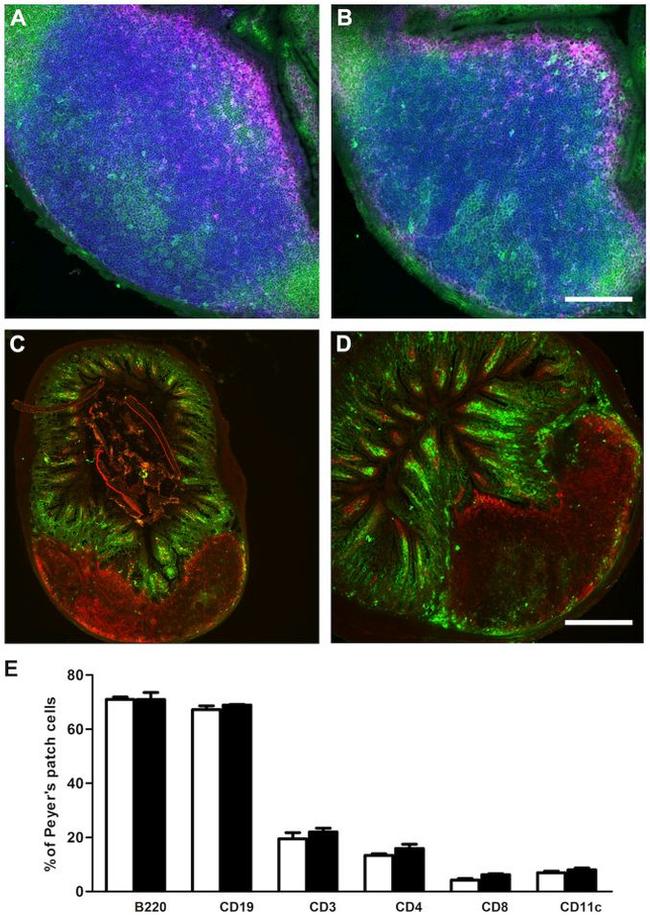
Identification of novel genes selectively expressed in the follicle-associated epithelium from the meta-analysis of transcriptomics data from multiple mouse cell and tissue populations.
DNA research : an international journal for rapid publication of reports on genes and genomes
Kobayashi A,Donaldson DS,Kanaya T,Fukuda S,Baillie JK,Freeman TC,Ohno H,Williams IR,Mabbott NA
53-0114 was used in Immunohistochemistry to provide a new insight into the follicle-associated epithelium (FAE) transcriptome.
Mon Oct 01 00:00:00 EDT 2012
Alum increases antigen uptake, reduces antigen degradation and sustains antigen presentation by DCs in vitro.
Immunology letters
Ghimire TR,Benson RA,Garside P,Brewer JM
Published figure using CD11c monoclonal antibody (Product # 53-0114-82) in Flow Cytometry
Sat Sep 01 00:00:00 EDT 2012
Differential gene expression in mice infected with distinct Toxoplasma strains.
Infection and immunity
Hill RD,Gouffon JS,Saxton AM,Su C
Published figure using CD11c monoclonal antibody (Product # 53-0114-82) in Flow Cytometry
Thu Mar 01 00:00:00 EST 2012
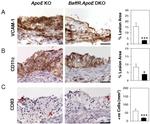
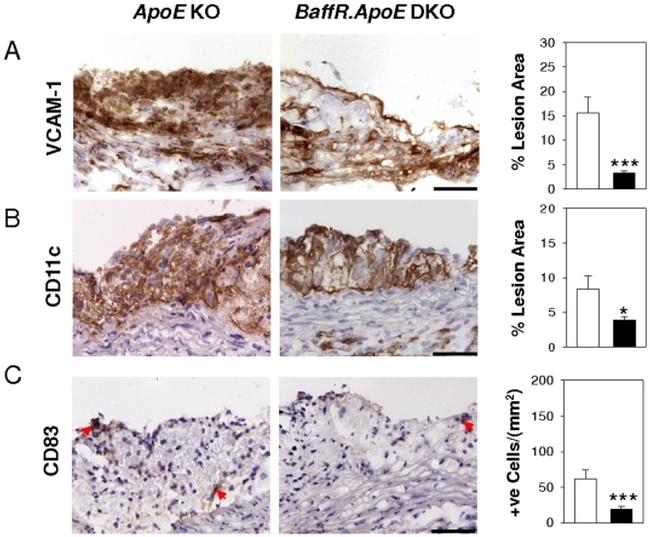
Depletion of B2 but not B1a B cells in BAFF receptor-deficient ApoE mice attenuates atherosclerosis by potently ameliorating arterial inflammation.
PloS one
Kyaw T,Tay C,Hosseini H,Kanellakis P,Gadowski T,MacKay F,Tipping P,Bobik A,Toh BH
Published figure using CD11c monoclonal antibody (Product # 53-0114-82) in Immunohistochemistry
Mon May 14 00:00:00 EDT 2012
Innate lymphoid cells mediate influenza-induced airway hyper-reactivity independently of adaptive immunity.
Nature immunology
Chang YJ,Kim HY,Albacker LA,Baumgarth N,McKenzie AN,Smith DE,Dekruyff RH,Umetsu DT
Published figure using CD11c monoclonal antibody (Product # 53-0114-82) in Flow Cytometry
Sun May 29 00:00:00 EDT 2011
Marginal zone macrophages suppress innate and adaptive immunity to apoptotic cells in the spleen.
Blood
McGaha TL,Chen Y,Ravishankar B,van Rooijen N,Karlsson MC
53-0114 was used in Flow cytometry/Cell sorting to support the hypothesis that MZMs are central in the clearance of apoptotic cells to minimize the immunogenicity of autoantigens.
Thu May 19 00:00:00 EDT 2011
The expression of BST2 in human and experimental mouse brain tumors.
Experimental and molecular pathology
Wainwright DA,Balyasnikova IV,Han Y,Lesniak MS
53-0114 was used in Immunohistochemistry to investigate whether the expression of bone marrow stromal cell antigen 2 plays a critical role in brain tumour progression.
Mon Aug 01 00:00:00 EDT 2011
PAD4-mediated neutrophil extracellular trap formation is not required for immunity against influenza infection.
PloS one
Hemmers S,Teijaro JR,Arandjelovic S,Mowen KA
Published figure using CD11c monoclonal antibody (Product # 53-0114-82) in Flow Cytometry
Tue Nov 15 00:00:00 EST 2011
Moderate oxygen augments lipopolysaccharide-induced lung injury in mice.
American journal of physiology. Lung cellular and molecular physiology
Aggarwal NR,D'Alessio FR,Tsushima K,Files DC,Damarla M,Sidhaye VK,Fraig MM,Polotsky VY,King LS
Published figure using CD11c monoclonal antibody (Product # 53-0114-82) in Flow Cytometry
Mon Mar 01 00:00:00 EST 2010
The presence of IL-17A and T helper 17 cells in experimental mouse brain tumors and human glioma.
PloS one
Wainwright DA,Sengupta S,Han Y,Ulasov IV,Lesniak MS
53-0114 was used in Immunohistochemistry on frozen tissues to investigate the presence of Th17 in glia-derived tumours of the CNS, showing that they are present in experimental mouse brain tumors and human glioma.
Sat Oct 23 00:00:00 EDT 2010
Expression of the chemokine binding protein M3 promotes marked changes in the accumulation of specific leukocytes subsets within the intestine.
Gastroenterology
Shang L,Thirunarayanan N,Viejo-Borbolla A,Martin AP,Bogunovic M,Marchesi F,Unkeless JC,Ho Y,Furtado GC,Alcami A,Merad M,Mayer L,Lira SA
Published figure using CD11c monoclonal antibody (Product # 53-0114-82) in Flow Cytometry
Tue Sep 01 00:00:00 EDT 2009
Tissue-resident macrophages protect the liver from ischemia reperfusion injury via a heme oxygenase-1-dependent mechanism.
Molecular therapy : the journal of the American Society of Gene Therapy
Devey L,Ferenbach D,Mohr E,Sangster K,Bellamy CO,Hughes J,Wigmore SJ
Published figure using CD11c monoclonal antibody (Product # 53-0114-82) in Flow Cytometry
Thu Jan 01 00:00:00 EST 2009
Combination of all-trans retinoic acid and a human papillomavirus therapeutic vaccine suppresses the number and function of immature myeloid cells and enhances antitumor immunity.
Cancer science
Song X,Ye D,Liu B,Cui J,Zhao X,Yi L,Liang J,Song J,Zhang Z,Zhao Q
Published figure using CD11c monoclonal antibody (Product # 53-0114-82) in Flow Cytometry
Sun Feb 01 00:00:00 EST 2009
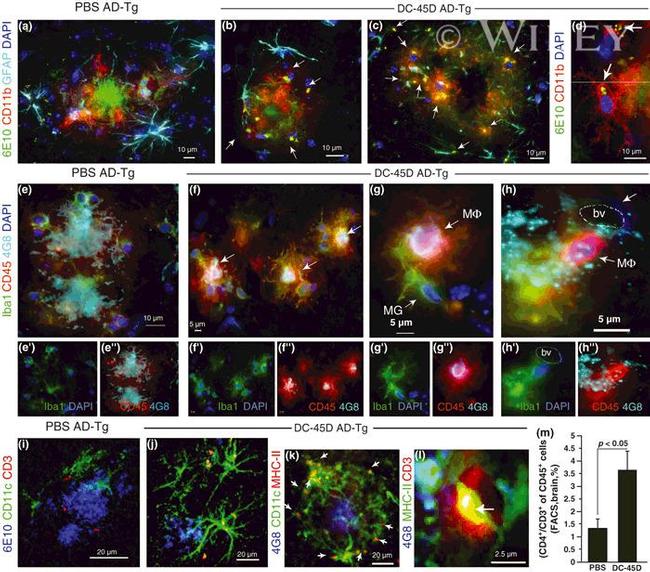
Attenuation of AD-like neuropathology by harnessing peripheral immune cells: local elevation of IL-10 and MMP-9.
Journal of neurochemistry
Koronyo-Hamaoui M,Ko MK,Koronyo Y,Azoulay D,Seksenyan A,Kunis G,Pham M,Bakhsheshian J,Rogeri P,Black KL,Farkas DL,Schwartz M
Published figure using CD11c monoclonal antibody (Product # 53-0114-82) in Immunofluorescence
Tue Dec 01 00:00:00 EST 2009
Leptin receptor is expressed in thymus medulla and leptin protects against thymic remodeling during endotoxemia-induced thymus involution.
The Journal of endocrinology
Gruver AL,Ventevogel MS,Sempowski GD
Published figure using CD11c monoclonal antibody (Product # 53-0114-82) in Immunofluorescence
Thu Oct 01 00:00:00 EDT 2009
TLR2 and its co-receptors determine responses of macrophages and dendritic cells to lipoproteins of Mycobacterium tuberculosis.
Cellular immunology
Drage MG,Pecora ND,Hise AG,Febbraio M,Silverstein RL,Golenbock DT,Boom WH,Harding CV
Published figure using CD11c monoclonal antibody (Product # 53-0114-82) in Flow Cytometry
Fri Jun 12 00:00:00 EDT 2009
Mycobacterium bovis BCG decreases MHC-II expression in vivo on murine lung macrophages and dendritic cells during aerosol infection.
Cellular immunology
Pecora ND,Fulton SA,Reba SM,Drage MG,Simmons DP,Urankar-Nagy NJ,Boom WH,Harding CV
Published figure using CD11c monoclonal antibody (Product # 53-0114-82) in Flow Cytometry
Fri Jan 02 00:00:00 EST 2009
Interleukin-22 mediates early host defense against attaching and effacing bacterial pathogens.
Nature medicine
Zheng Y,Valdez PA,Danilenko DM,Hu Y,Sa SM,Gong Q,Abbas AR,Modrusan Z,Ghilardi N,de Sauvage FJ,Ouyang W
53-0114 was used in Immunohistochemistry to identify an innate immune function for IL-22 in regulating early defense mechanisms against A/E bacterial pathogens.
Sat Mar 01 00:00:00 EST 2008
Dynamics of lung macrophage activation in response to helminth infection.
Journal of leukocyte biology
Siracusa MC,Reece JJ,Urban JF,Scott AL
Published figure using CD11c monoclonal antibody (Product # 53-0114-82) in Immunofluorescence
Mon Dec 01 00:00:00 EST 2008
The mouse mammary carcinoma 4T1: characterization of the cellular landscape of primary tumours and metastatic tumour foci.
International journal of experimental pathology
DuPré SA,Redelman D,Hunter KW
Published figure using CD11c monoclonal antibody (Product # 53-0114-82) in Flow Cytometry
Mon Oct 01 00:00:00 EDT 2007
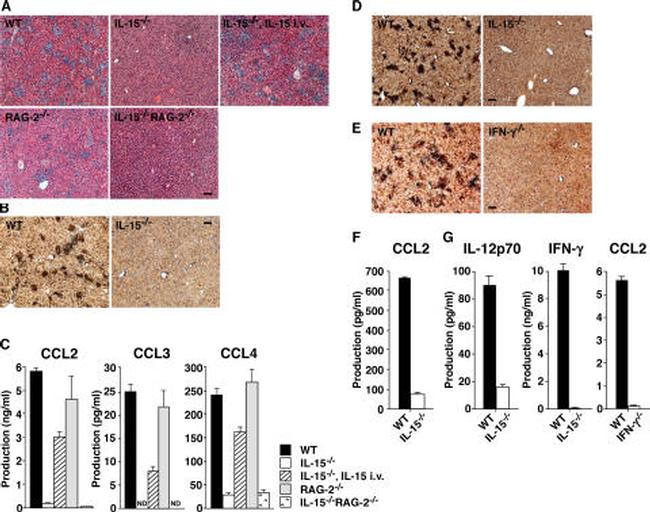
Essential roles of DC-derived IL-15 as a mediator of inflammatory responses in vivo.
The Journal of experimental medicine
Ohteki T,Tada H,Ishida K,Sato T,Maki C,Yamada T,Hamuro J,Koyasu S
Published figure using CD11c monoclonal antibody (Product # 53-0114-82) in Immunohistochemistry
Mon Oct 02 00:00:00 EDT 2006
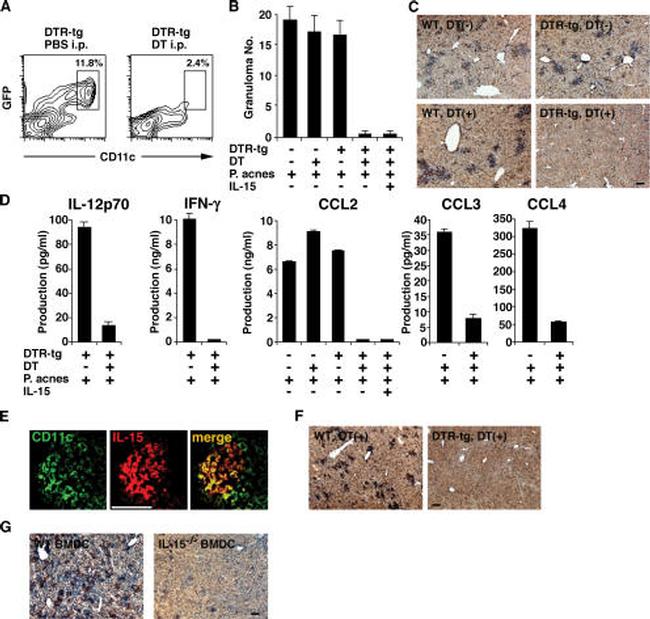
Essential roles of DC-derived IL-15 as a mediator of inflammatory responses in vivo.
The Journal of experimental medicine
Ohteki T,Tada H,Ishida K,Sato T,Maki C,Yamada T,Hamuro J,Koyasu S
Published figure using CD11c monoclonal antibody (Product # 53-0114-82) in Immunohistochemistry
Mon Oct 02 00:00:00 EDT 2006
Induction of robust immune responses against human immunodeficiency virus is supported by the inherent tropism of adeno-associated virus type 5 for dendritic cells.
Journal of virology
Xin KQ,Mizukami H,Urabe M,Toda Y,Shinoda K,Yoshida A,Oomura K,Kojima Y,Ichino M,Klinman D,Ozawa K,Okuda K
Published figure using CD11c monoclonal antibody (Product # 53-0114-82) in Flow Cytometry
Fri Dec 01 00:00:00 EST 2006
The existence of CD11c+ sentinel and F4/80+ interstitial dendritic cells in dental pulp and their dynamics and functional properties.
International immunology
Zhang J,Kawashima N,Suda H,Nakano Y,Takano Y,Azuma M
Fri Sep 01 00:00:00 EDT 2006
















































 integrin

