Search Thermo Fisher Scientific
Disclaimer

Clicking the images or links will redirect you to a website hosted by BenchSci that provides third-party scientific content. Neither the content nor the BenchSci technology and processes for selection have been evaluated by us; we are providing them as-is and without warranty of any kind, including for use or application of the Thermo Fisher Scientific products presented.
Invitrogen
SOX2 Monoclonal Antibody (Btjce), eFluor™ 660, eBioscience™


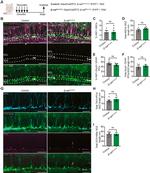
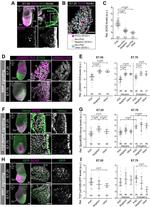
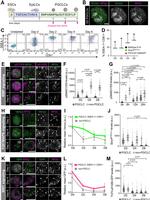
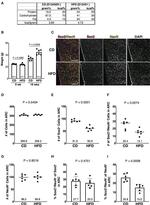
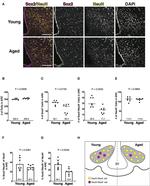
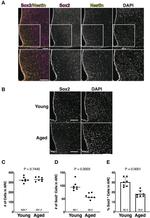

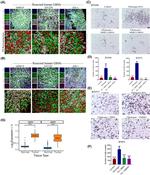
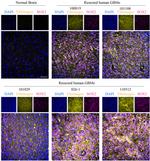




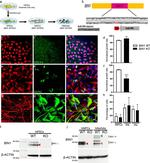

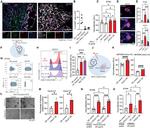
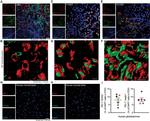

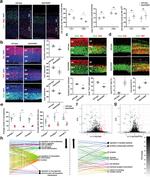








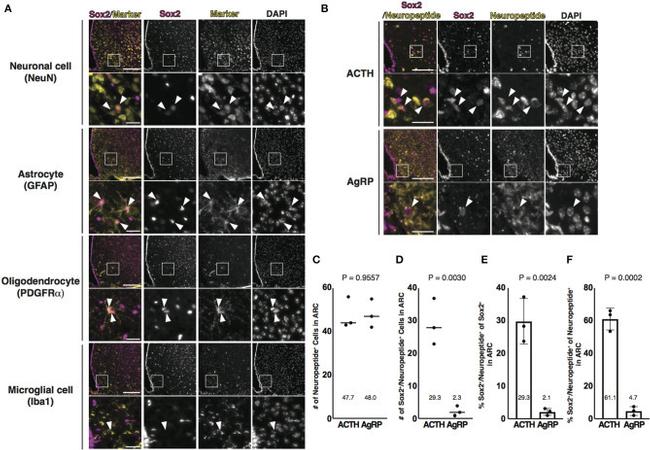
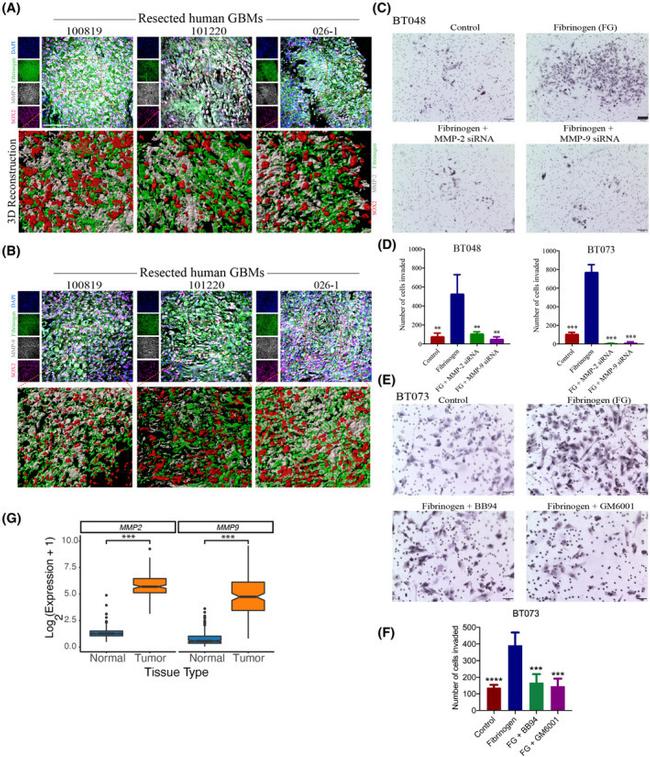
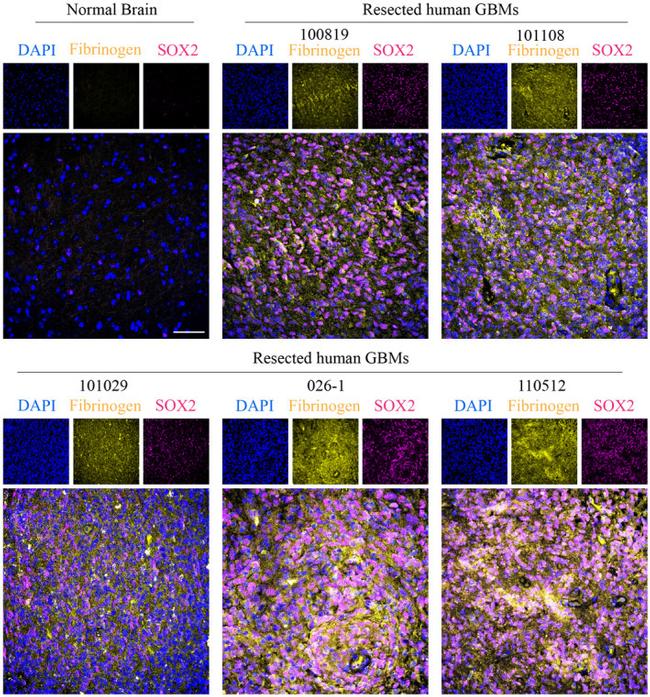
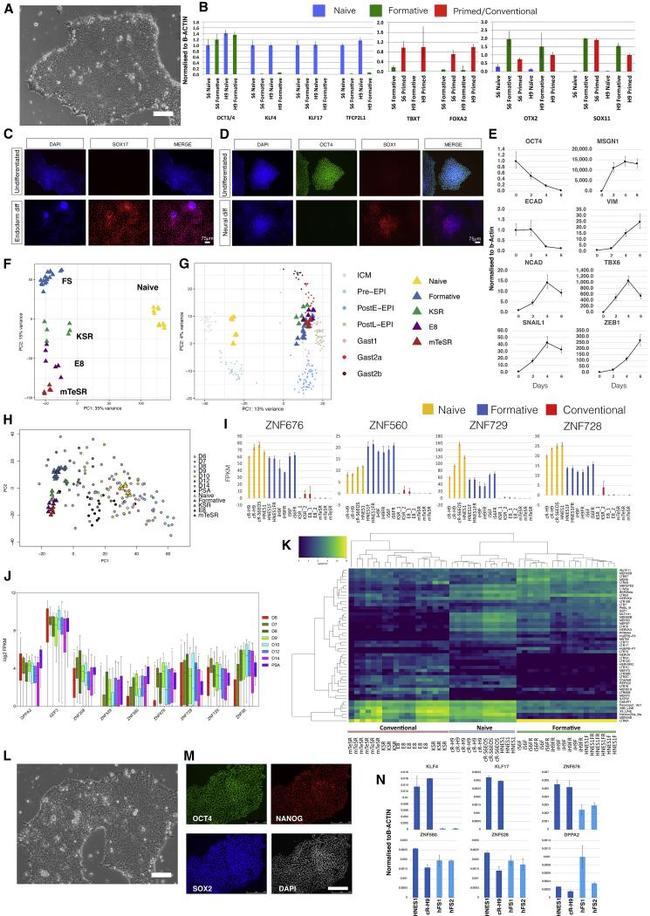
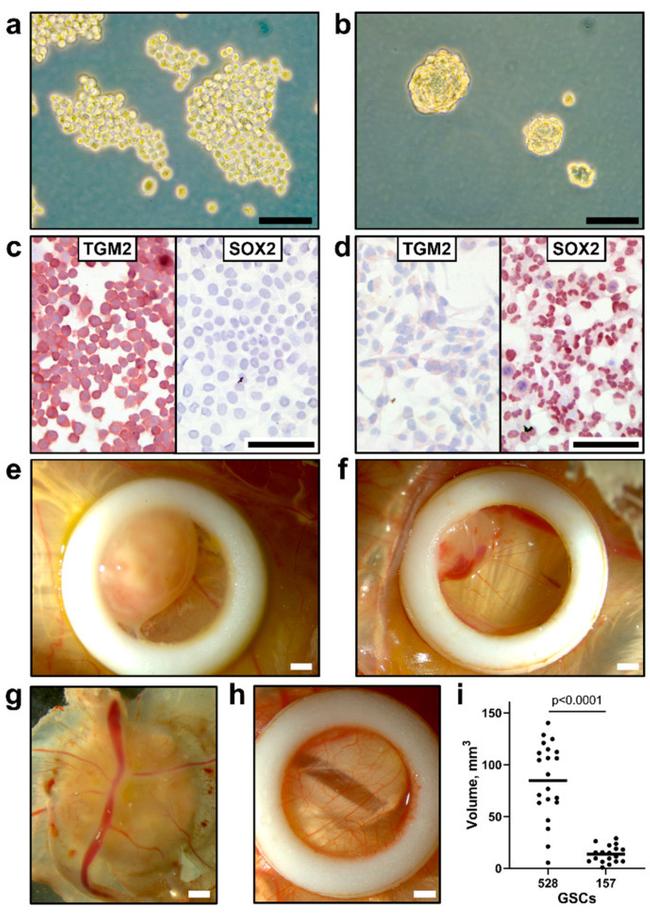
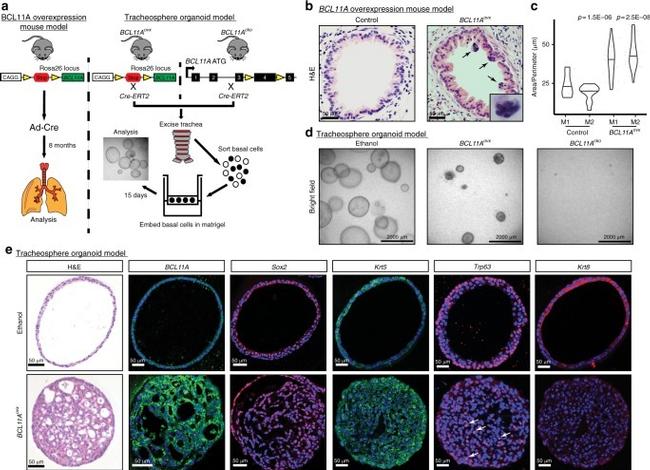
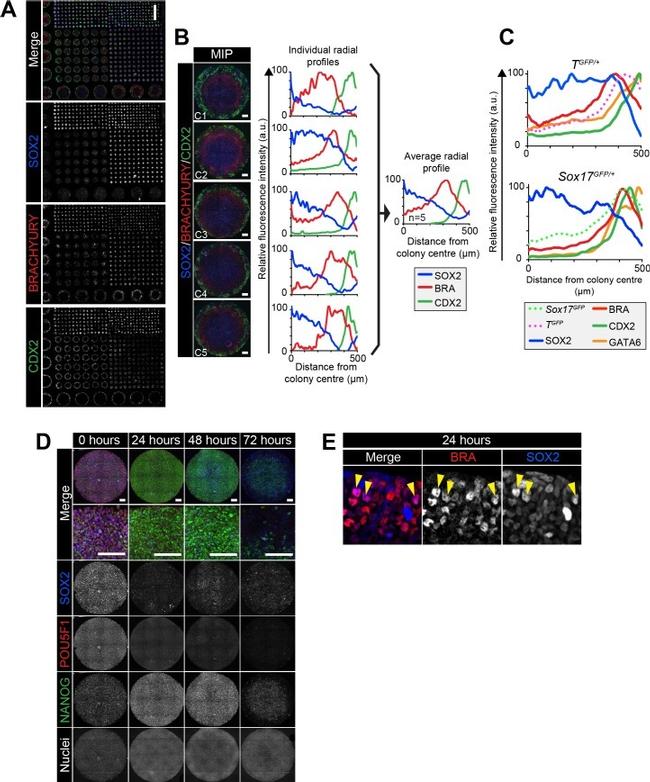
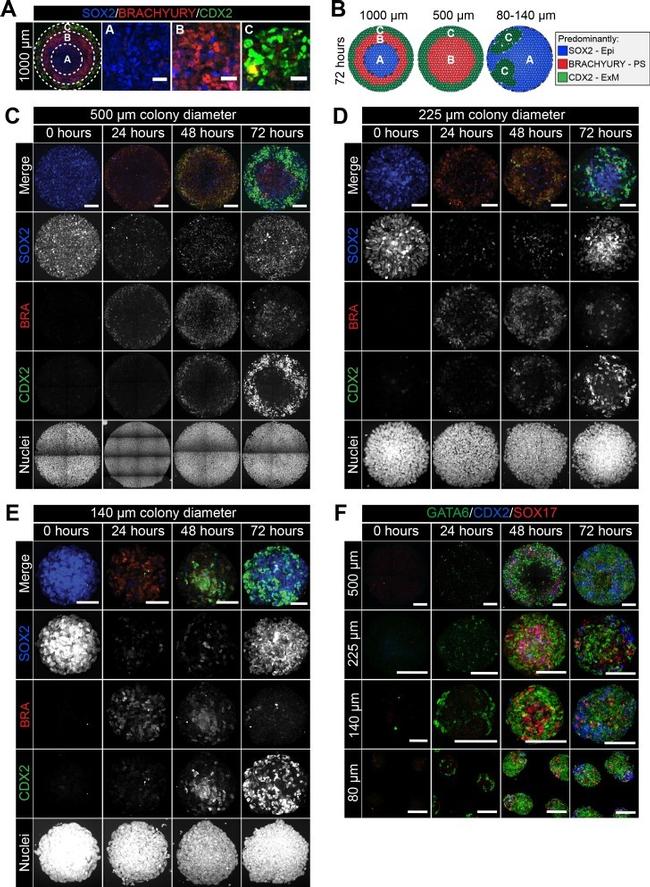


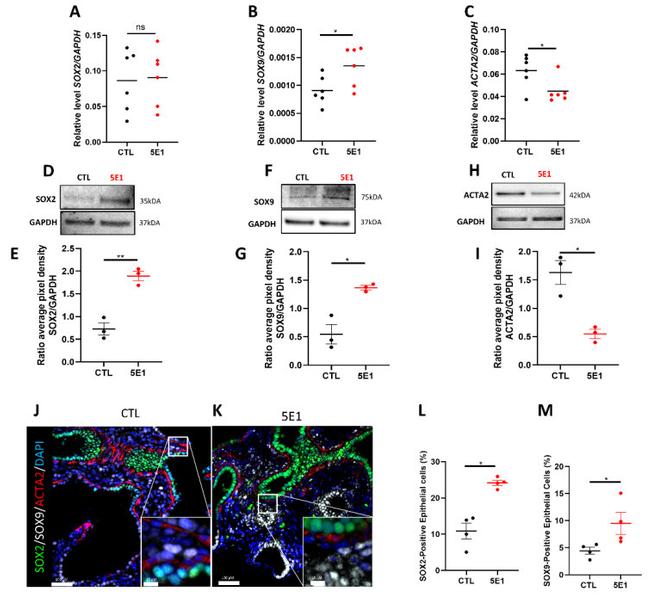
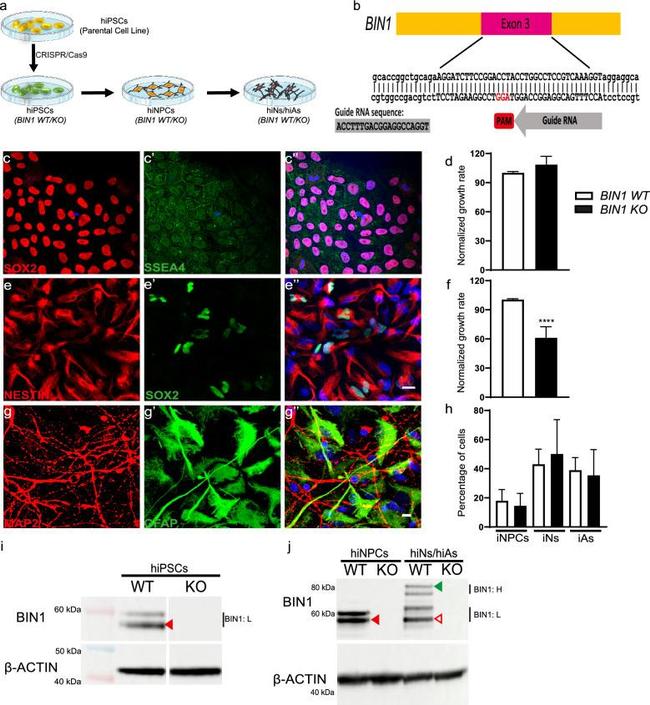
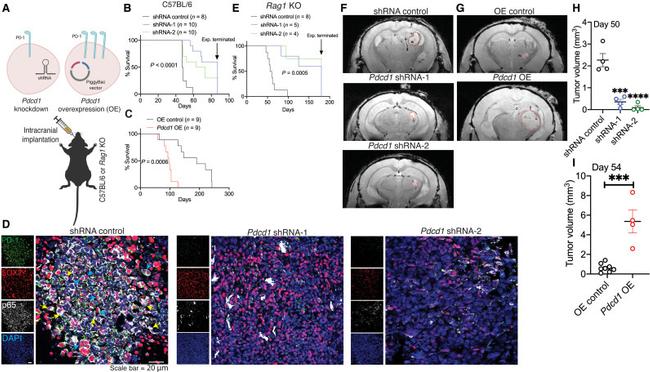
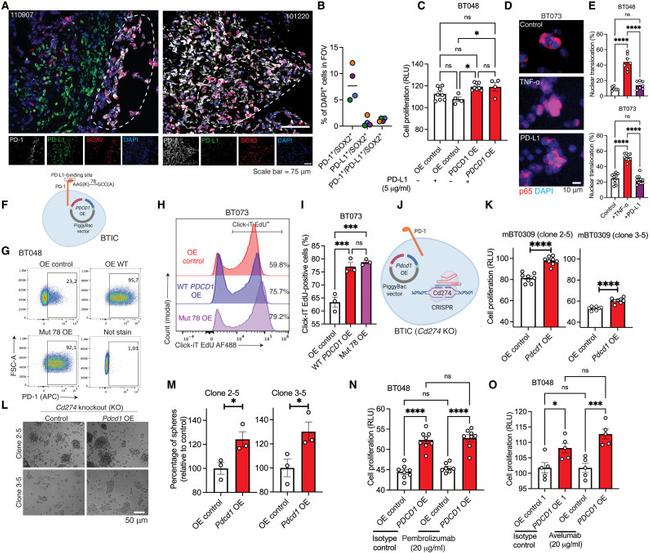
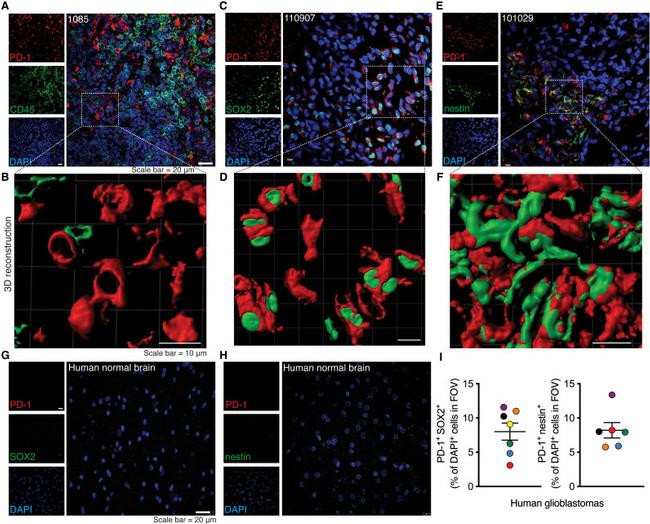
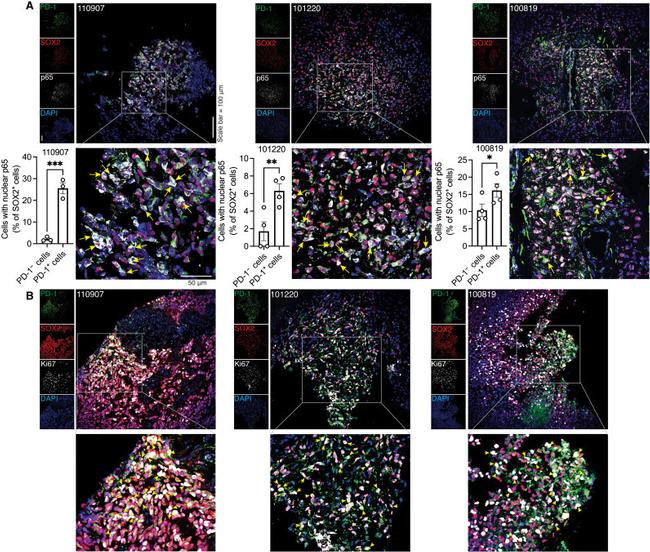
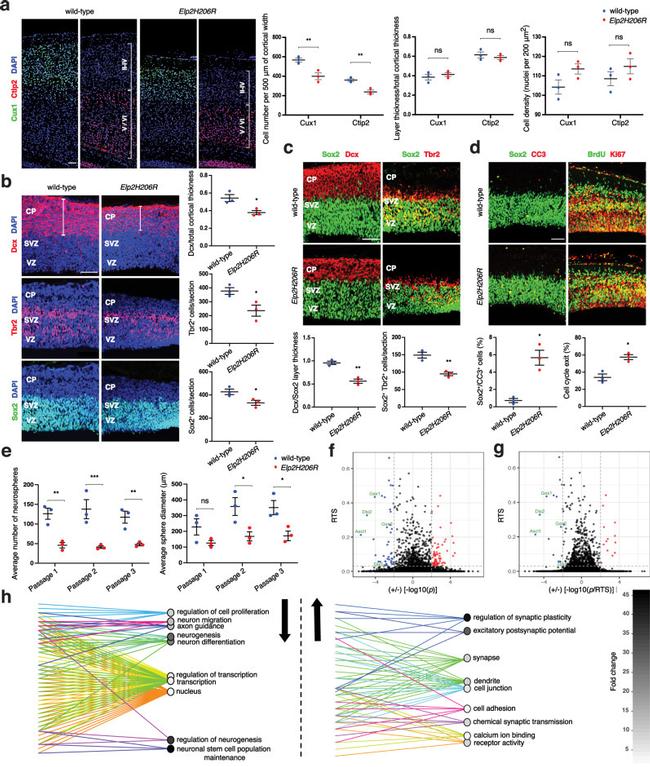
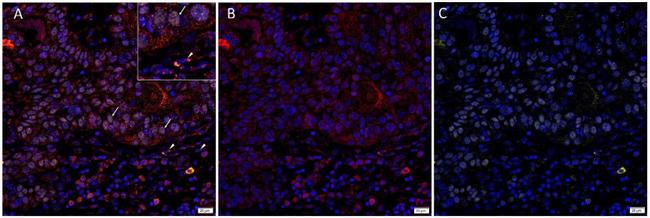

Product Details
50-9811-80
Applications
Tested Dilution
Publications
Product Specifications
Species Reactivity
Human,
Mouse
Published species
Human,
Mouse
Host/Isotype
Rat
/ IgG2a, kappa
Recommended Isotype Control
Class
Monoclonal
Type
Antibody
Clone
Btjce
Conjugate
eFluor™ 660
Excitation/Emission Max
651/668 nm
View spectra

Form
Liquid
Concentration
0.2 mg/mL
Purification
Affinity chromatography
Storage buffer
PBS, pH 7.2
Contains
0.09% sodium azide
Storage conditions
4° C, store in dark, DO NOT FREEZE!
Shipping conditions
Wet ice
RRID
AB_11219475
Product Specific Information
Description: The Btjce monoclonal antibody reacts with the transcription factor Sox2, a member of the SOX (sex determining region Y -related HMG (High Mobility Group) Box) family of proteins. Sox family members play a role in early organ development, and in particular, Sox2 is essential for regulating genes that control normal mammalian embryogenesis. Sox2 and family member Sox3 are expressed as early as the preimplantation and epiblast stages respectively. Later expression is restricted to the neuroepithelium. Sox2 has been shown to be necessary for maintaining self-renewal and pluripotency of mouse and human embryonic stem (ES) cells (ESC). Oct4 (POU5F1), Klf4, c-myc, and Sox2 were the original four factors used to reprogram differentiated mouse and human cells to induced pluripotent stem cells (iPSC).
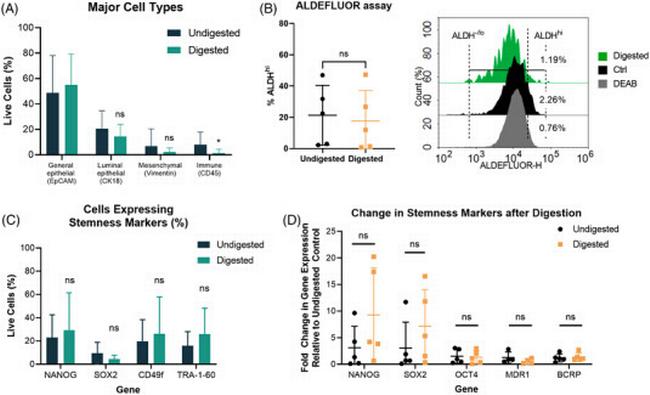
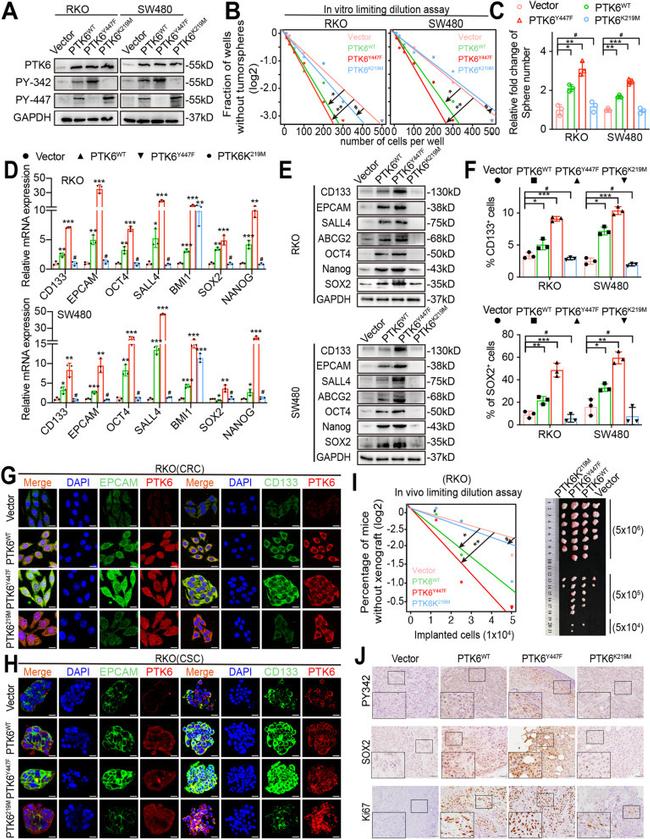
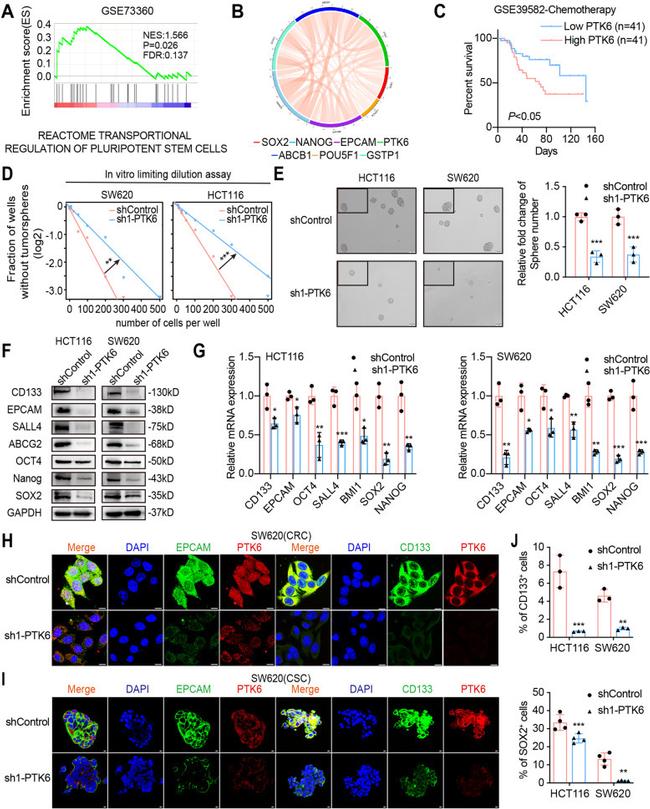
Expression of Sox2 is tightly regulated and recent studies have demonstrated that small changes in the levels of Sox2 in ES cells can trigger differentiation into multiple cell types. Sox2 expression is not limited to ES cells, it is also essential for early neurogenesis where its expression becomes restricted to the neural plate, and later to neural stem cells where it functions to suppress neural differentiation. Sox2 in combination with other stem cell markers can be used to characterize stem cell populations. Ectopic expression of Sox2 has been associated with multiple cancer types including colorectal and breast.
Applications Reported: This btjce antibody has been reported for use in intracellular staining followed by flow cytometric analysis and immunocytochemistry.
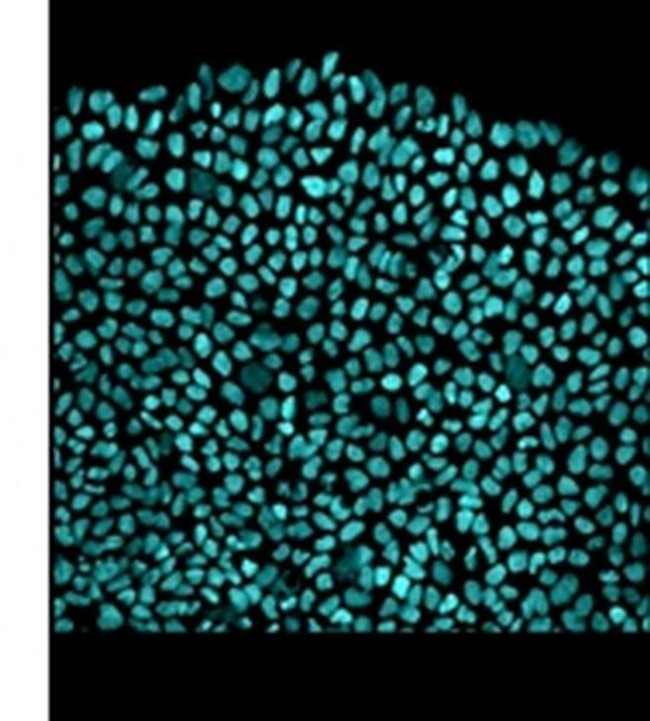
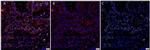
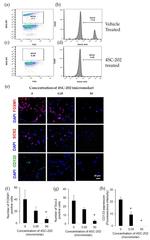
Applications Tested: This btjce antibody has been tested by immunocyochemstry of fixed and permeabilized F9 cells. This can be used at less than or equal to 10 µg/mL. It is recommended that the antibody be carefully titrated for optimal performance in the assay of interest.
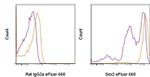
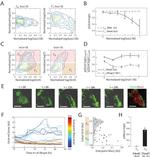
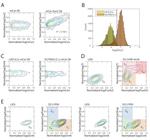
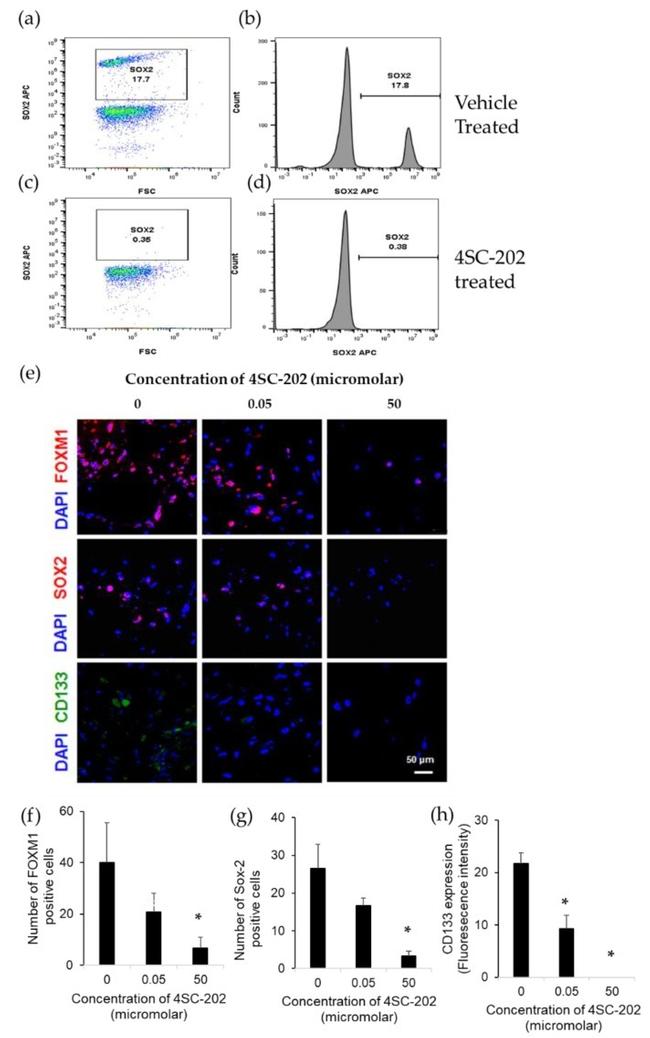
This btjce has also been tested by intracellular staining and flow cytometric analysis using the Foxp3/Transcription Factor Buffer and protocol. Please refer to intracellular Staining Protocol on Best Protocol web page - Protocol B: One-step protocol for intracellular (nuclear) proteins. This can be used at less than or equal to 0.125 µg per test. A test is defined as the amount (µg) of antibody that will stain a cell sample in a final volume of 100 µL. Cell number should be determined empirically but can range from 10^5 to 10^8 cells/test. It is recommended that the antibody be carefully titrated for optimal performance in the assay of interest.
eFluor® 660 is a replacement for Alexa Fluor® 647. eFluor® 660 emits at 659 nm and is excited with the red laser (633 nm). Please make sure that your instrument is capable of detecting this fluorochome.
Excitation: 633-647 nm; Emission: 668 nm; Laser: Red Laser.
Filtration: 0.2 µm post-manufacturing filtered.
Bacterial expression of region after aa135 (homology between species but not to other family members)
Target Information
SOX2 is an intronless gene encoding a member of the SRY-related HMG-box (SOX) family of transcription factors involved in the regulation of embryonic development and in the determination of cell fate. The product of the SOX2 gene is required for stem-cell maintenance in the central nervous system, and also regulates gene expression in the stomach. The SOX2 gene lies within an intron of another gene called SOX2 overlapping transcript (SOX2OT). Further, SOX2 protein may act as a transcriptional activator after forming a protein complex with other proteins. Mutations in the SOX2 gene have been associated with bilateral anophthalmia, a severe form of structural eye malformation, optic nerve hypoplasia and syndromic microphthalmia.
For Research Use Only. Not for use in diagnostic procedures. Not for resale without express authorization.
Flow Cytometry
Panel Builder
How to use the Panel Builder
Watch the video to learn how to use the Invitrogen Flow Cytometry Panel Builder to build your next flow cytometry panel in 5 easy steps.
Bioinformatics
Protein Aliases: Delta EF2a; MCOPS3 (Microphthalmia Syndromic type 3); sex determining region Y-box 2; SOX 2; SRY (sex determining region Y) box 2; SRY (sex determining region Y)-box 2; SRY box 2; SRY related HMG box 2; SRY-box containing gene 2; SRY-related HMG-box gene 2; Transcription factor SOX-2; transcription factor SOX2
Gene Aliases: ANOP3; lcc; MCOPS3; Sox-2; SOX2; ysb
UniProt ID: (Human) P48431, (Mouse) P48432
Entrez Gene ID: (Human) 6657, (Mouse) 20674
Molecular Function:
 HMG box transcription factor
negative regulation of transcription from RNA polymerase II promoter
osteoblast differentiation
eye development
endodermal cell fate specification
chromatin organization
regulation of transcription, DNA-templated
transcription from RNA polymerase II promoter
cell cycle arrest
response to wounding
regulation of gene expression
glial cell fate commitment
pituitary gland development
adenohypophysis development
positive regulation of cell-cell adhesion
forebrain development
somatic stem cell population maintenance
tissue regeneration
regulation of cysteine-type endopeptidase activity involved in apoptotic process
positive regulation of MAPK cascade
positive regulation of cell differentiation
negative regulation of neuron differentiation
positive regulation of transcription, DNA-templated
positive regulation of transcription from RNA polymerase II promoter
inner ear development
negative regulation of epithelial cell proliferation
response to growth factor
negative regulation of canonical Wnt signaling pathway
neuronal stem cell population maintenance
cell fate specification
positive regulation of neuroblast proliferation
transcription, DNA-templated
regulation of transcription from RNA polymerase II promoter
multicellular organism development
sensory perception of sound
response to organic substance
stem cell population maintenance
forebrain neuron differentiation
cerebral cortex development
negative regulation of Wnt signaling pathway
male genitalia development
positive regulation of epithelial cell differentiation
olfactory placode formation
response to retinoic acid
inner ear morphogenesis
tongue development
cell fate commitment
negative regulation of cell differentiation
positive regulation of neuron differentiation
negative regulation of osteoblast differentiation
positive regulation of Notch signaling pathway
pigment biosynthetic process
lung alveolus development
embryonic organ development
anatomical structure formation involved in morphogenesis
neuron fate commitment
diencephalon morphogenesis
stem cell differentiation
regulation of neurogenesis
detection of mechanical stimulus involved in sensory perception of sound
detection of mechanical stimulus involved in equilibrioception
retina morphogenesis in camera-type eye
lens induction in camera-type eye
epithelial tube branching involved in lung morphogenesis
transcription regulatory region sequence-specific DNA binding
transcriptional activator activity, RNA polymerase II core promoter proximal region sequence-specific binding
DNA binding
transcription factor activity, sequence-specific DNA binding
protein binding
miRNA binding
sequence-specific DNA binding
transcription regulatory region DNA binding
RNA polymerase II transcription factor activity, sequence-specific DNA binding
chromatin binding
transcription factor binding
chromatin DNA binding
protein heterodimerization activity

Performance Guarantee
If an Invitrogen™ antibody doesn't perform as described on our website or datasheet,we'll replace the product at no cost to you, or provide you with a credit for a future purchase.*
Learn more
We're here to help
Get expert recommendations for common problems or connect directly with an on staff expert for technical assistance related to applications, equipment and general product use.
Contact tech support